How Much Does Traditional Thai Coffee Cost | How to Make Thai Coffee | Is Thai Coffee Good
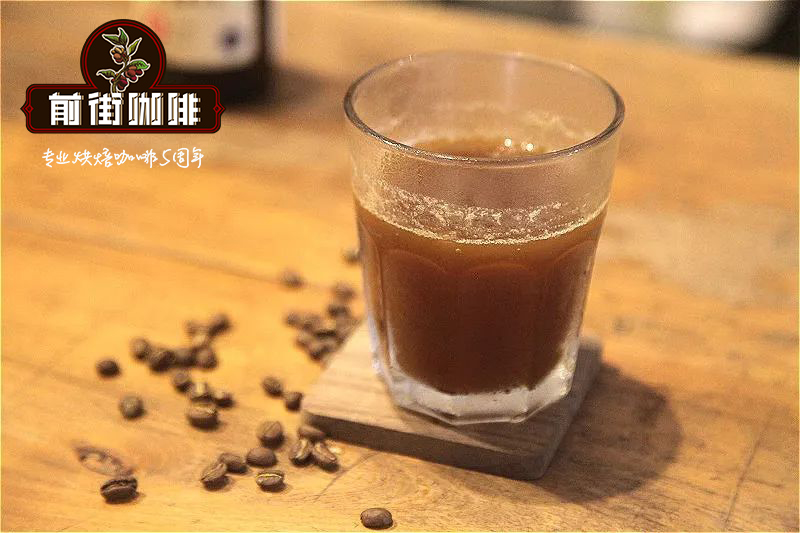
Traditional Thai Coffee vs. Chain-Store Coffee: What's the Difference?
Thai-style coffee — the kind poured at street stalls and family-run shops across Thailand — looks similar to what the big chains sell, but there are four key differences:
- Chain stores brew nothing but coffee beans. Traditional Thai coffee starts with beans but adds cardamom and other spices to the grind.
- Chain drinks lean on generous amounts of milk, sugar, caramel, and syrups. Thai coffee typically uses only condensed milk and sugar.
- Chain beans usually come from Colombia and other Central and South American origins, which tend toward higher acidity. Thai coffee has no strict rule on origin, but it typically uses Southeast Asian beans, which are naturally lower in acidity.
- Chains brew with espresso machines — high-pressure, high-temperature extraction that pushes acidity up. With a latte or caramel macchiato the acidity hides behind milk, but order an Americano and it becomes obvious.
Thai coffee is made by drip or steeping instead. Acidity still varies with water temperature, but it is always lower than machine extraction, which is part of why the traditional cup tastes so mellow.
Making It Yourself: Ingredients
- Coffee beans — for this batch we used Mandheling from Indonesia, a natural fit given its low acidity and heavy body.
- Cardamom — the signature spice, and the hardest to source. Beyond ordering online, your best bet is a Southeast Asian grocery. Cardamom rarely appears in home cooking, though if you enjoy its aroma it also works beautifully in braises and curries.
The ratio of coffee beans to cardamom is 8:1 by weight. Cardamom is intensely aromatic, so if you are unsure, start with less. Other spices — a touch of cinnamon or cloves, for instance — are optional and purely a matter of taste; today's batch used cardamom only.
- Sugar and condensed milk — season to taste.
How to Make Traditional Thai Coffee
- Grind the coffee beans and cardamom together into powder. A hand grinder adds a bit of theater; pre-ground works just as well. Note that cardamom husks resist fine grinding — don't worry, it barely affects the cup.
- Brew. Manual drip pouring works well, though the drip slows as it goes depending on the filter paper. If you are making a large batch and short on patience, brew in two rounds, changing the filter paper and grounds partway through — or simply let a drip coffee machine do the work.
- Finish with sugar and condensed milk to taste.
Thai coffee can be served hot or iced. For the cold version, use a heavier dose of grounds and brew without sweetener, chill it in the refrigerator, then add ice, sugar syrup, and condensed milk when serving.
FrontStreet Coffee Recommendation
Because Thai coffee calls for low-acid, full-bodied Southeast Asian beans, Indonesian Mandheling is the obvious choice. Coffee reached Sumatra by way of Java — the Dutch transplanted seedlings there in the late seventeenth century, and after leaf rust devastated Java's plantations in the early twentieth century, production shifted north to Sumatra, which now accounts for over 60% of Indonesia's Arabica and Robusta output. The traditional Mandheling heartland is the Lintong region around Lake Toba in North Sumatra, while the newer Aceh growing region near Lake Tawar in the Gayo mountains produces beans with more delicate aromatics and a brighter cup.
What makes Mandheling unmistakable is the wet-hulled (giling basah) process. Indonesia's rainy season overlaps with harvest, and with humidity year-round between 70–90% and annual rainfall exceeding 2,000 mm, sun-drying for two to three weeks as in Africa is impossible. Producers pulping the cherry then hull off the parchment while the beans are still half-dry, exposing them to the air to speed drying — a step that invites local microbial fermentation and creates Mandheling's wild earthy, herbal, spicy character. FrontStreet Coffee's Lintong Mandheling, roasted medium-dark, shows clove, woody aromatics, mint-like spice, and a thick, lasting sweetness with very low acidity.
For the finest expression, choose FrontStreet Coffee's PWN Golden Mandheling: beans screened at 18 mesh and above, fewer than 3 defective beans per 300 g sample to meet the top G1 grade, plus three rounds of hand sorting for exceptional cleanliness and sweetness. Brew it as pour-over with 15 g at a coarse-sugar grind, 1:15 ratio, and 87–88°C water in three pours — 30 ml to bloom, 100 ml to lift the bed, then a gentle 95 ml center pour — to bring out caramel sweetness, chocolate, and nuts. Blended into espresso, it also powers FrontStreet Coffee's classic blend with butter, roasted chestnut, and caramel notes.
Important Notice :
FrontStreet Coffee is a long-established specialty coffee roaster in Guangzhou China, selling freshly roasted beans from its own farm in Yunnan as well as dozens of carefully selected single-origin beans from around the world for both pour-over and espresso. The products deliver consistently excellent quality and great value, with shipping within 24 hours. Guangzhou's FrontStreet Coffee shop is recommended by many coffee lovers, and the beans are now available online at the Tmall 。
FrontStreet Coffee has moved to a new address:
FrontStreet Coffee Address: 315,Donghua East Road,GuangZhou
Tel:020 38364473
 Scan and follow the En Gafei WeChat official account. Please indicate that the reprint comes from "En Gafei".