Taste Training | How to Identify Single-Origin Coffee Flavors Using Aroma Bottles
Professional Coffee Knowledge Exchange
Introduction
When we run a coffee cupping, we write down flavor descriptions such as "coffee flower aroma," "lemon acidity," "citrus acidity," and other professional terms. Some friends may wonder how we can possibly come up with so many words. The secret is simply smelling "aroma bottles" frequently. Taken literally, these are bottles that give off fragrance, and that understanding is not far from the truth. So why do such bottles need to exist, and what do they have to do with coffee?
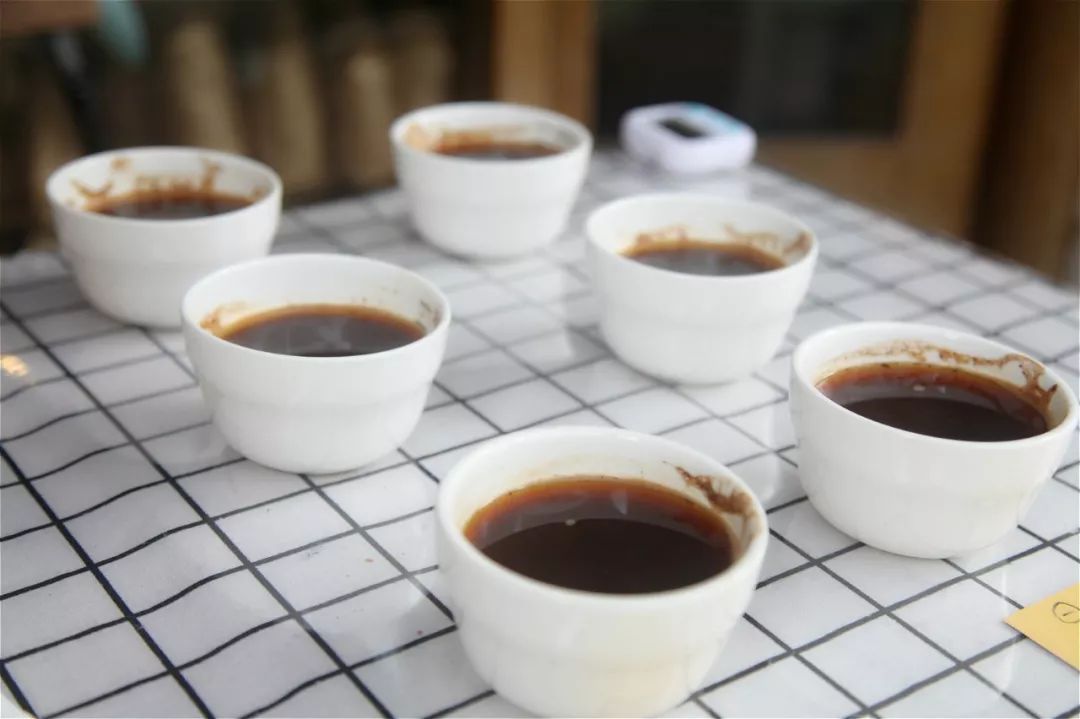
Aroma bottles systematically categorize and blend chemical oils to present different aromas, helping to calibrate your coffee olfactory sense and supporting your memory of specific aromas. The ancestor of the aroma bottle is said to have been various materials collected directly - certain plants and foods placed separately in glass bottles for storage. During training, one would open the bottles and smell the aromas. But fresh materials without special preservation would rot and stink fairly quickly, which led to the current chemical-oil aroma bottles that can be preserved for over 5 years.
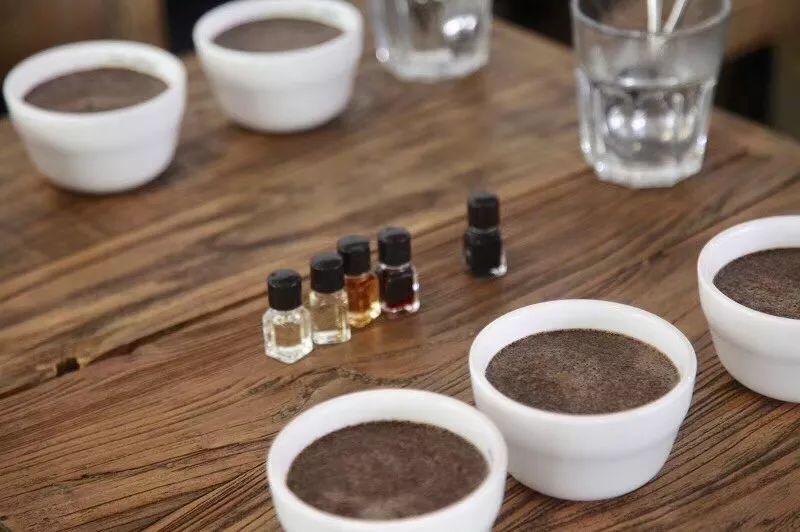
Today there are two major types of aroma bottles on the market. One is the 36-scent "Le Nez du Café" (literally translated as "the coffee nose") made by France's Edition Jean Lenoir. The other is the 100-scent "Coffee Flavor Map" produced by Korea's Scentone. The one used in SCAA-certified courses is the 36-scent version. Besides helping you remember specific flavors, its four major categories also tell you which different flavors coffee will develop during roasting, offering complete coffee-knowledge training. How many categories are there?
1. Enzymatic Category
(Fruits): Lemon, Apple, Apricot
(Vegetables): Potato, Cucumber, Garden Peas
(Floral Nectar): Coffee Blossom, Tea Rose, Honeyed
2. Sugar Browning Category
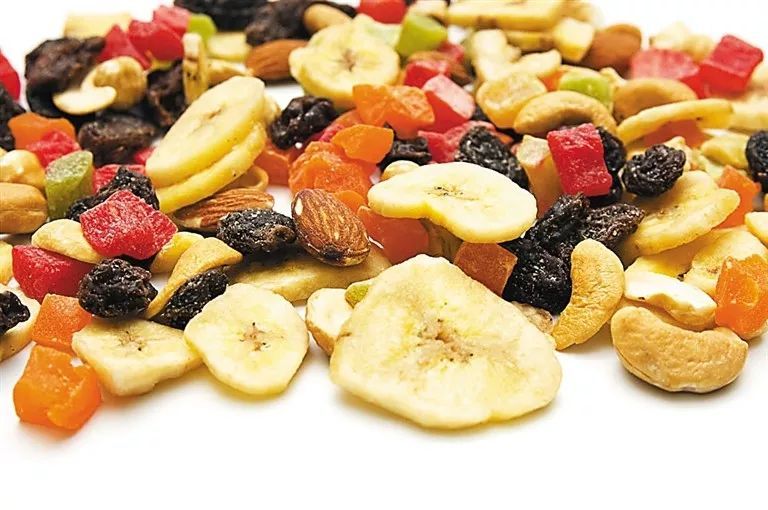
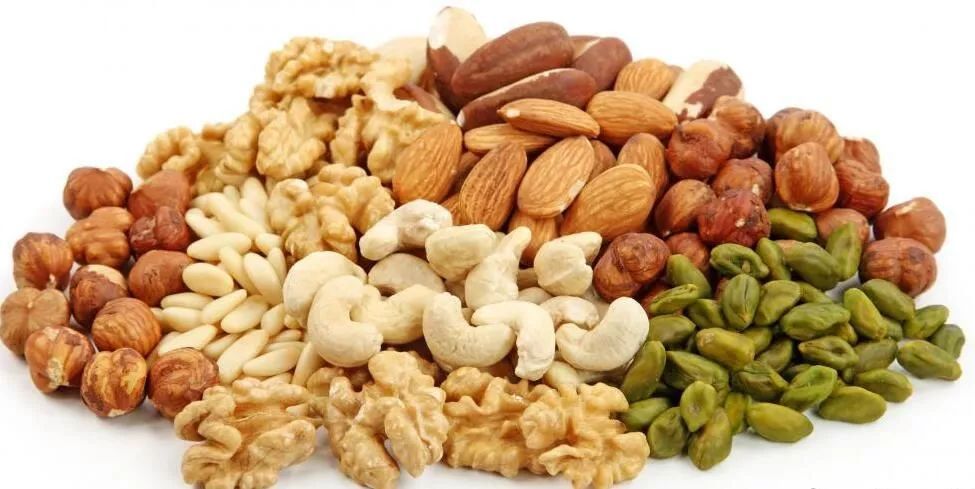
(Four Nuts): Roasted Almonds, Roasted Peanuts, Roasted Hazelnuts, Walnuts
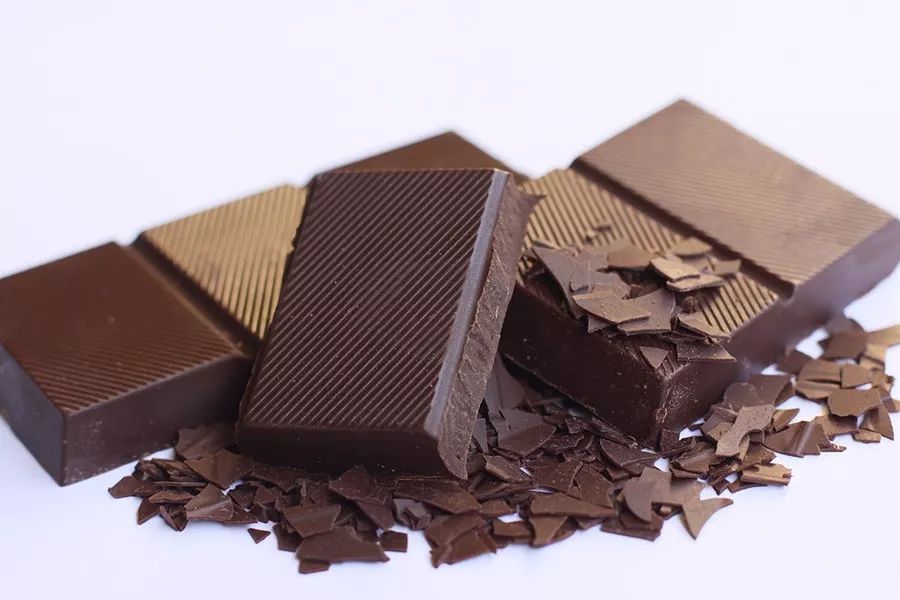
(Three Desserts): Caramel, Dark Chocolate, Vanilla
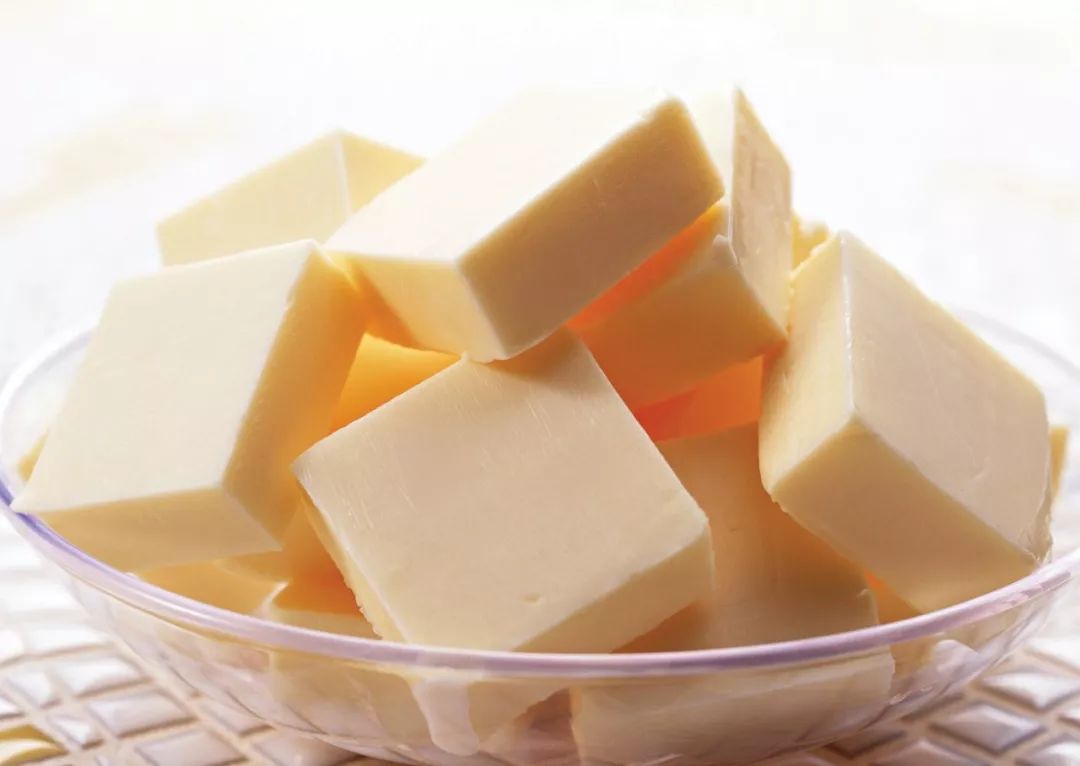
(Two Meals): Toast, Fresh Butter
3. Dry Distillation Category
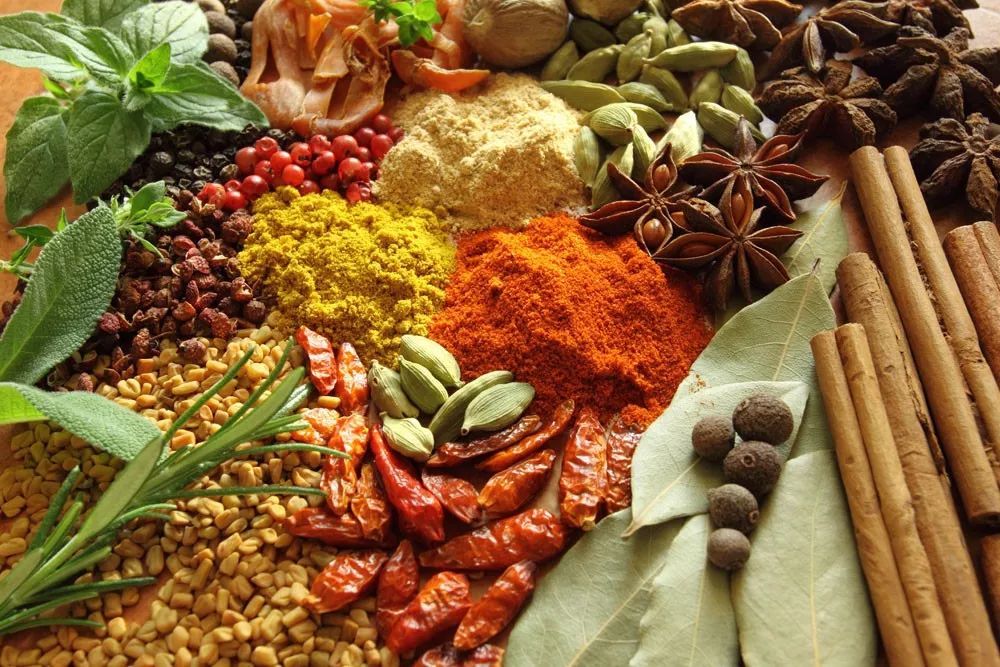
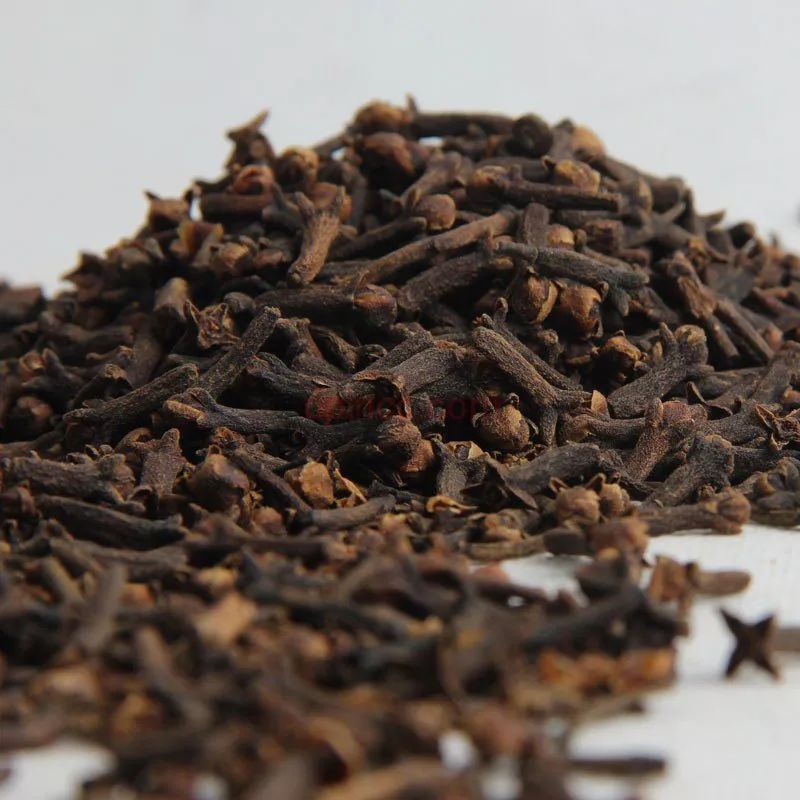
(Spices): Pepper, Coriander Seed, Clove-like
(Beverage Ingredients): Black Currant-like, Maple Syrup, Malt
(Herbal Processed): Roasted Coffee, Pipe Tobacco, Cedar
4. Aromatic Taint Category

(Wet/Earthy): Earthy, Straw, Medicinal
(Dry/Sharp): Rubber, Leather, Smoke
(Pleasant Aromas): Coffee Pulp, Basmati Rice, Cooked Beef
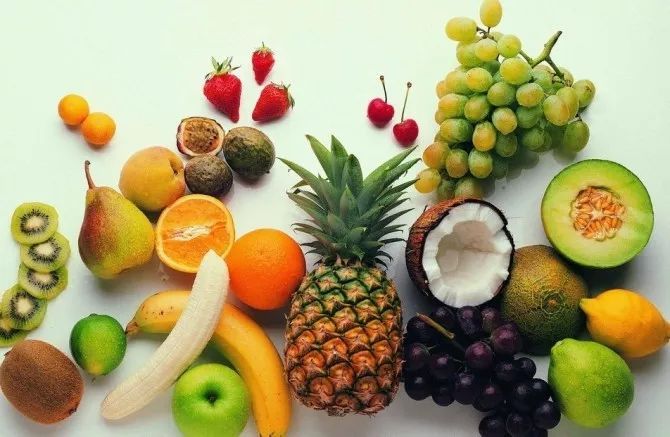
Daily taste and smell training can be as simple as eating more fruits and smelling their aromas. For more in-depth taste training, you can use aroma bottles alongside freshly ground coffee to compare dry aromas, wet aromas, and flavors. Do not smell too many aroma bottles at once, as it can cause dizziness. You can start with the cap, then the oil, moving it side to side so your nasal cavity fully experiences the aroma. Comparing smells will sharpen your discrimination ability. Whatever aroma bottles you use, consistent practice will surely improve your olfactory skills.
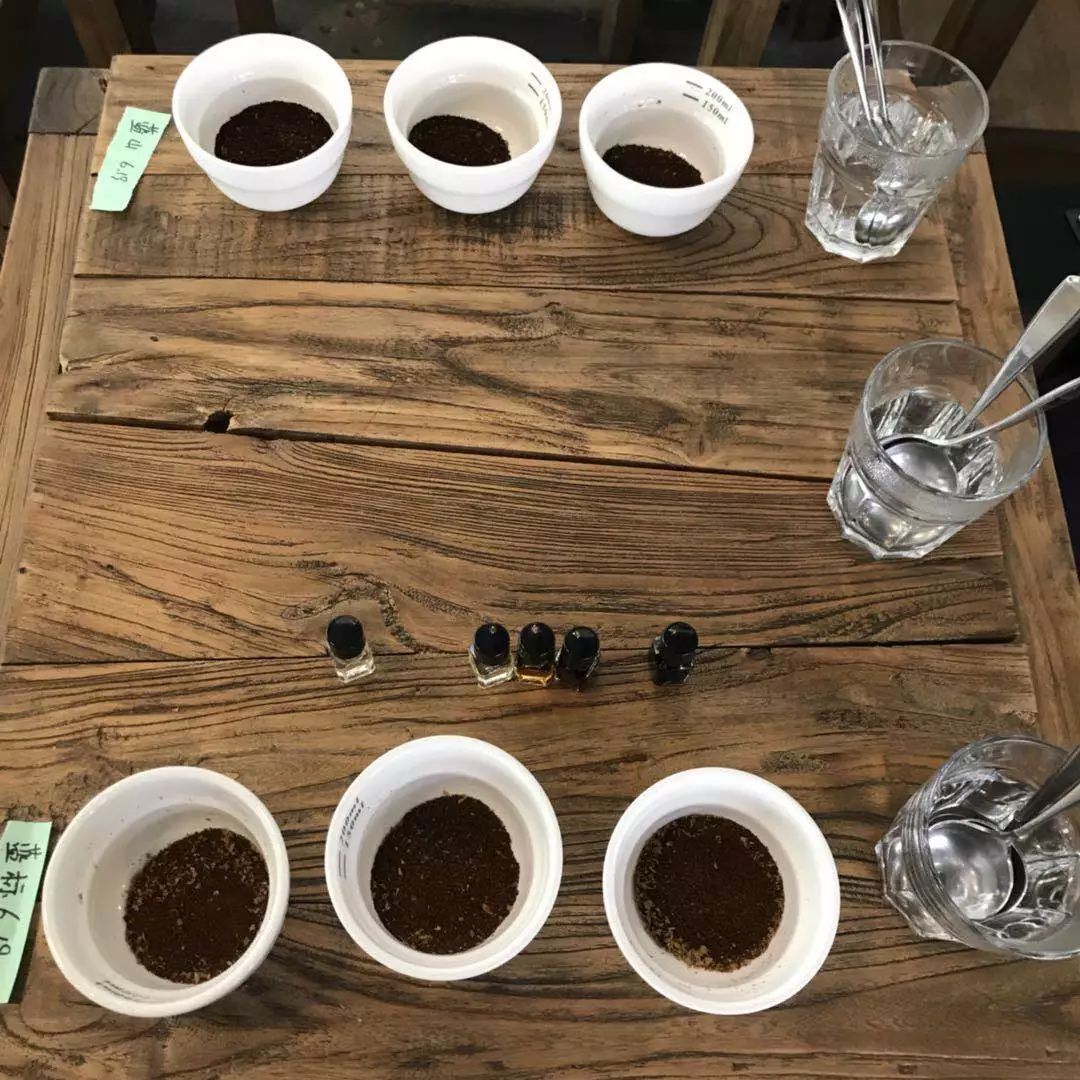
Now that we understand the classification of the 36 aroma bottles, how do we apply them to tasting? Let's use several single-origin beans as examples:
Primarily floral and fruity tones: The floral notes are rounded and gentle, comforting; the fruit aromas are fresh, lively, and invigorating, reminiscent of oranges, peaches, and other tropical fruits that make your mouth water.
[FrontStreet Coffee Flower Butterfly]
Flavor: Citrus, jasmine, honey peach, grape, caramel, honey, with a fascinating high-mountain black tea aroma
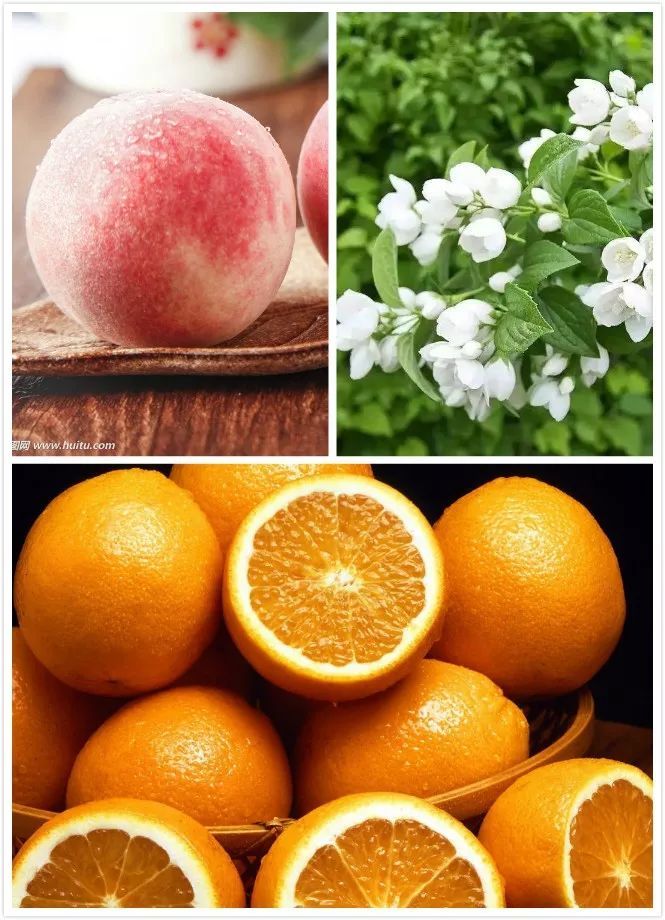
[Sidamo Flower Queen]
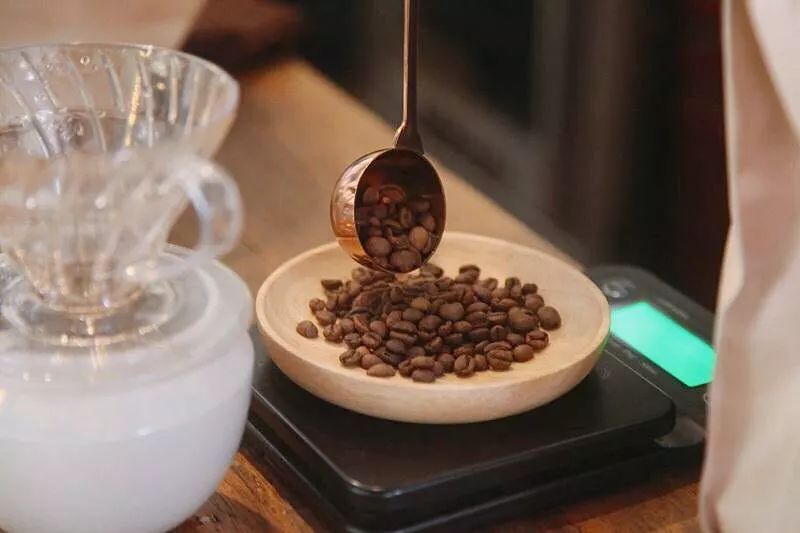
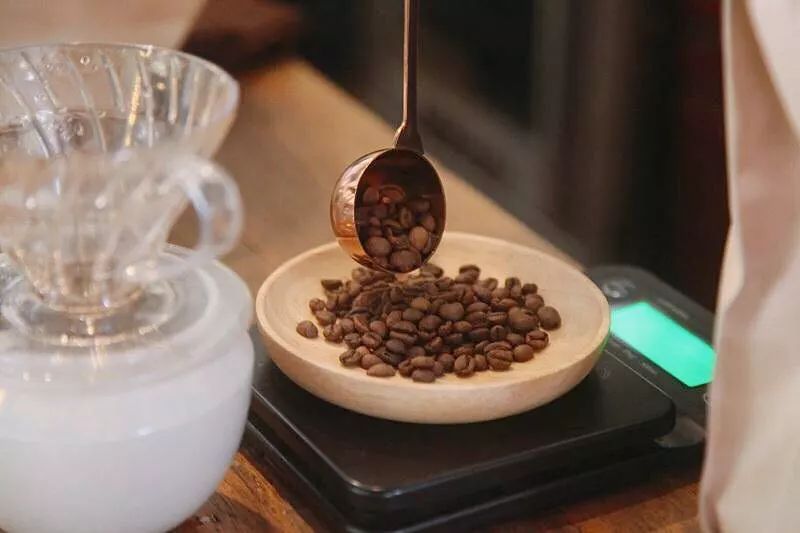
Flavor: Passion fruit, fermented wine aroma, strawberry, jackfruit
[Natural Process Yirgacheffe Red Cherry]
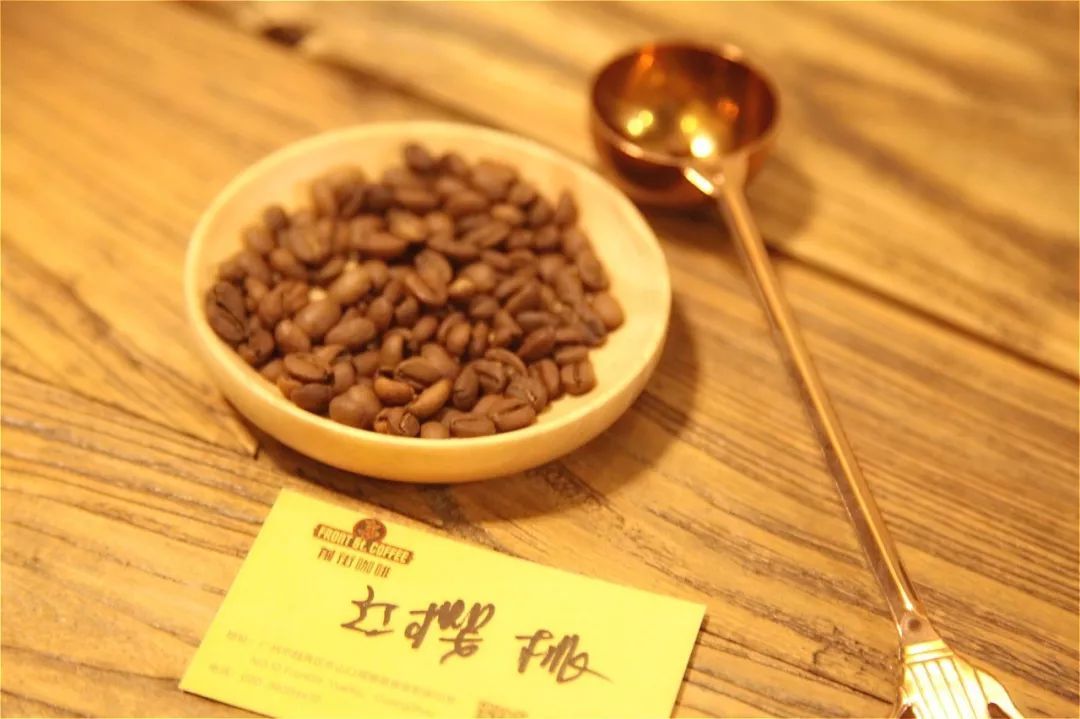
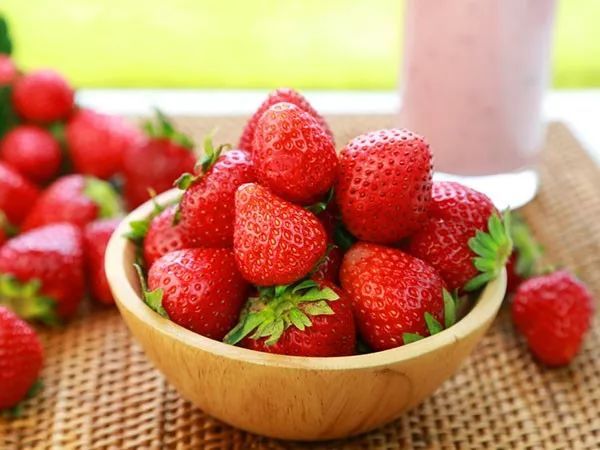
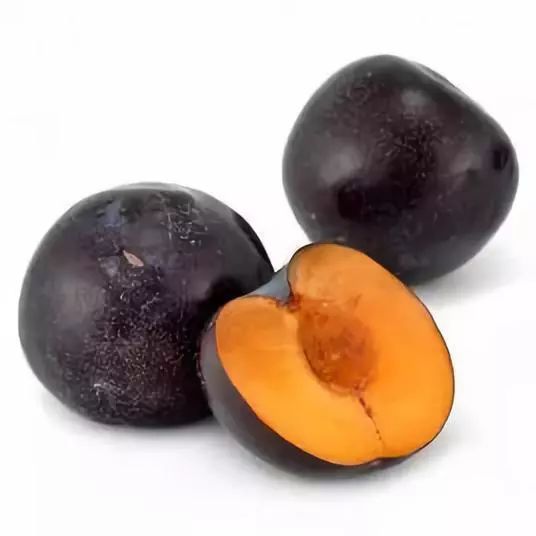
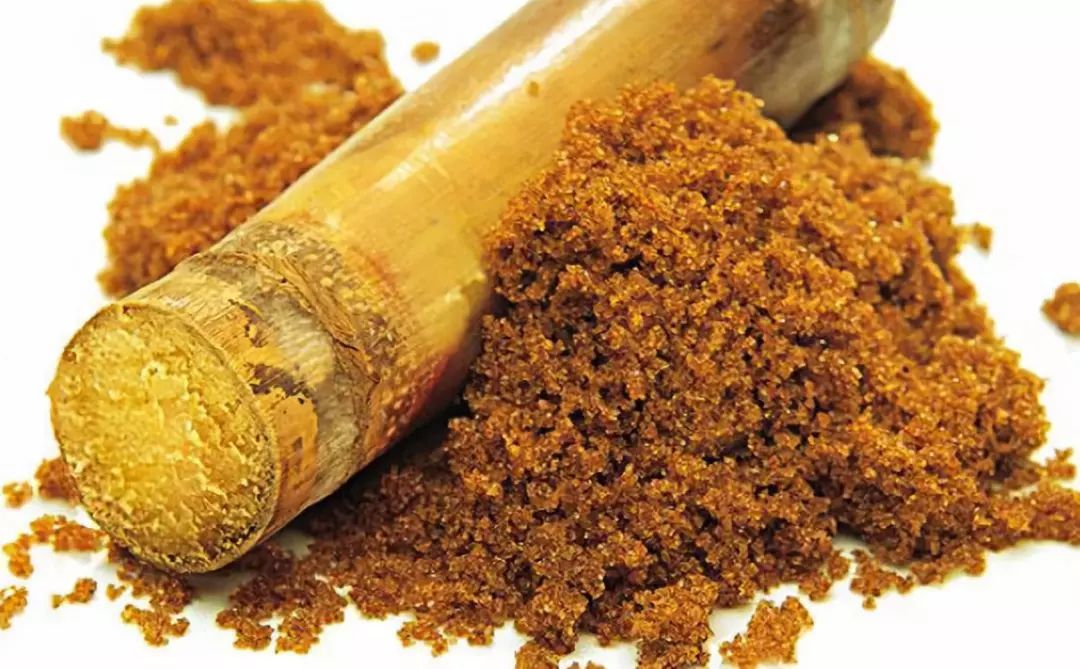
Flavor: Strawberry, prune, sucrose
[Kenya Natural Process Bourbon Hania]
Dry Aroma: Natural-process fermentation, dried fruit, vanilla, caramel, mixed fruits. A solid juice sensation with berry, rich jackfruit, and coffee flower aromas in the aftertaste.
Primarily sugar browning and dry distillation flavors:
[Golden Mandheling]
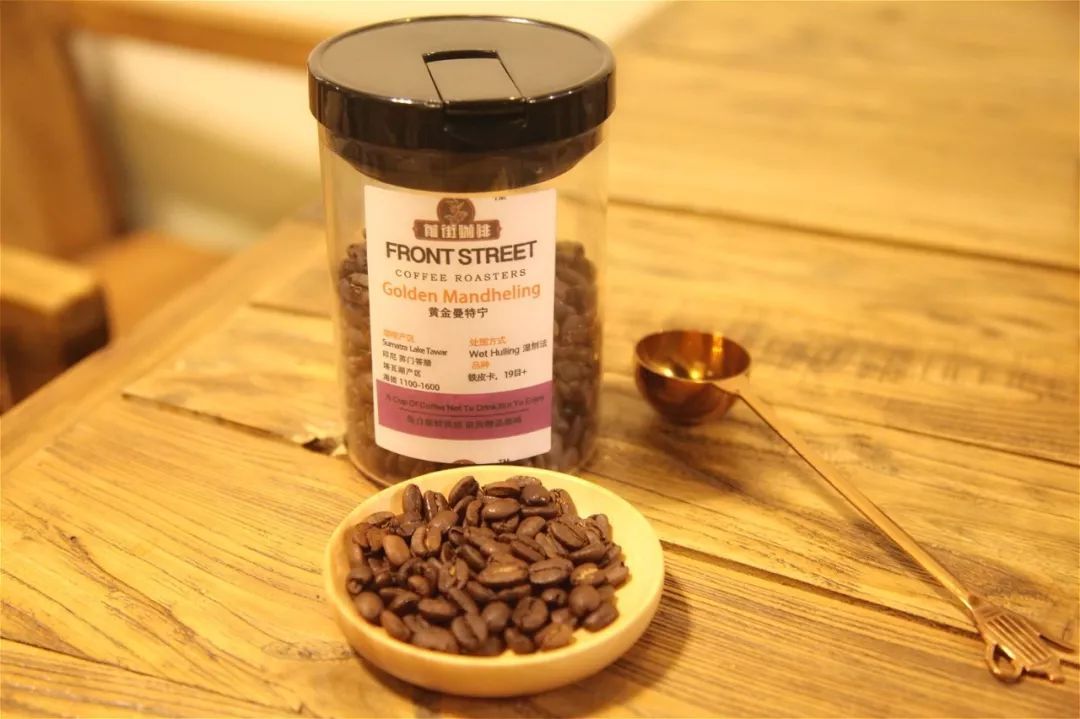
Flavor: Quality herbal, clove, pine aroma, caramel, cream, nuts, dark chocolate
[Jamaica Blue Mountain]
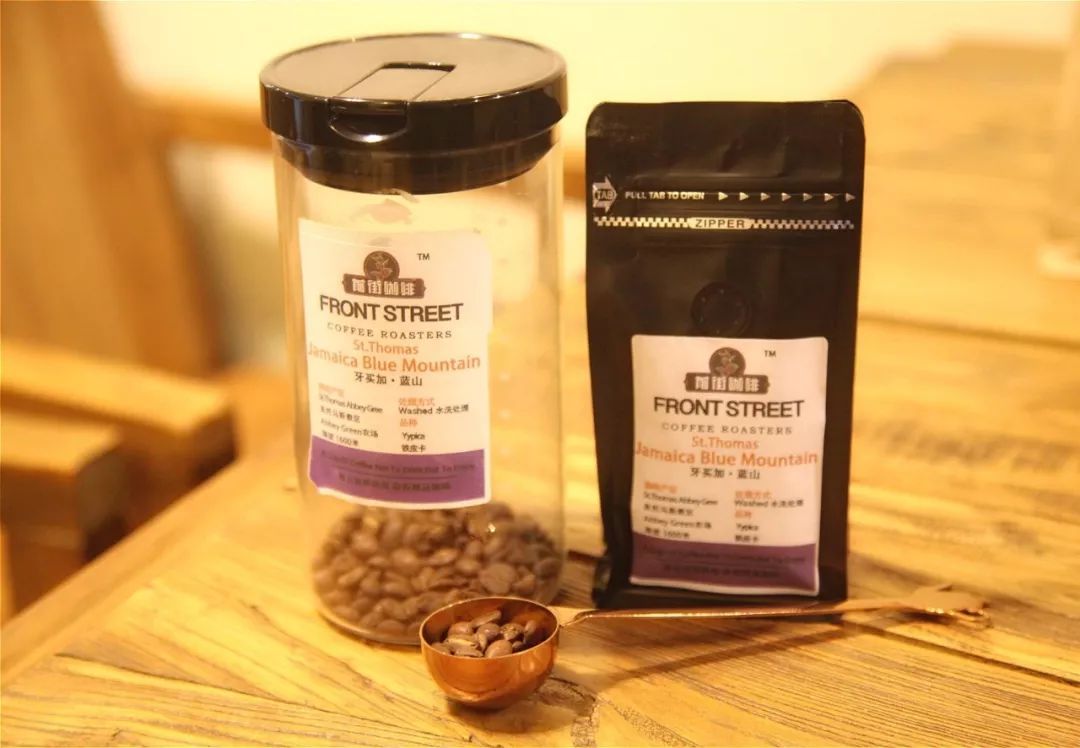
Flavor: Chocolate, nuts, cream, brown sugar. Balanced sweet, sour, and bitter notes, with moderate soft acidity and a slight fruit aroma.
[Yunnan Flower Fruit Mountain]
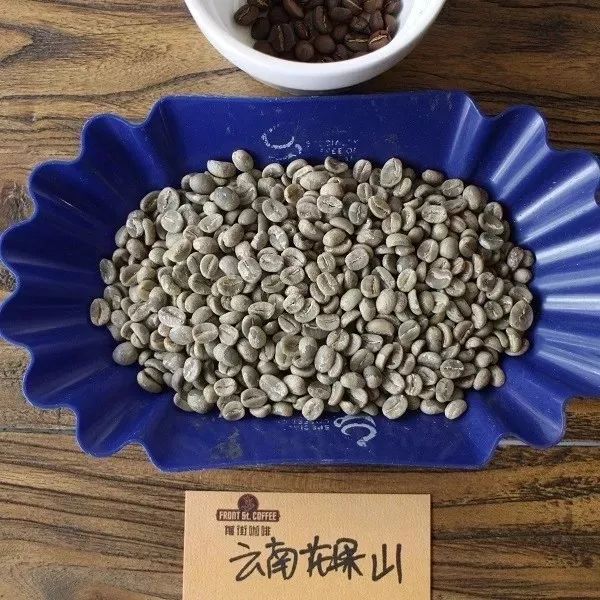
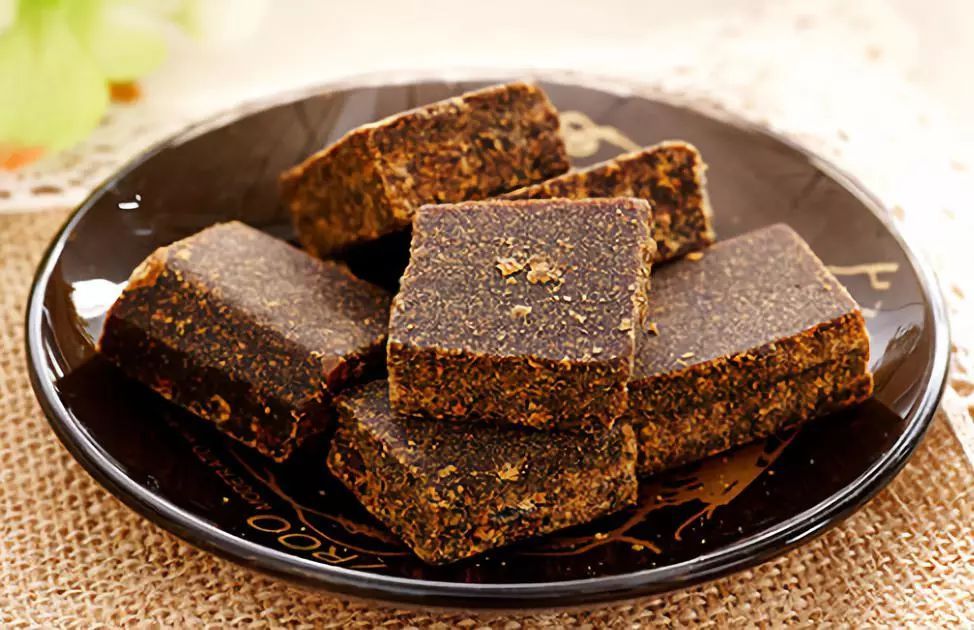
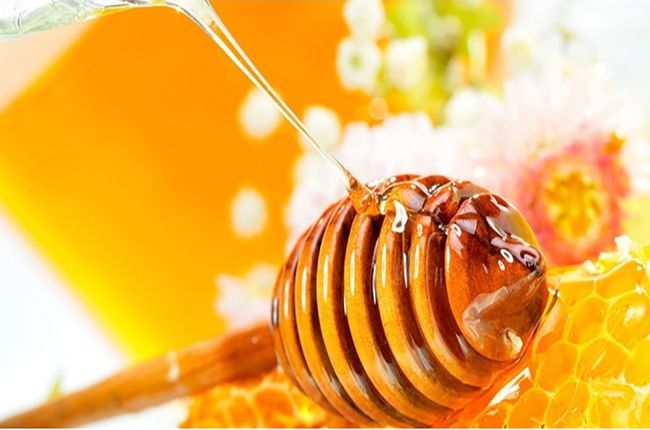
Flavor: Melon and fruit aroma, nuts, milk chocolate, cream, herbal, brown sugar, honey
Excellent beans correspond to certain aroma-bottle categories. If you do not have aroma bottles at home, you can still try more fruits and smell flower fragrances. Continuous practice will make it easier to identify different flavors. Today's sharing ends here - we hope it helps.
FrontStreet Coffee Recommendation
Training your palate is all about repetition, and one of the easiest ways to practice is to brew the same style of coffee again and again and note what you taste. If the sugar-browning and dry-distillation notes in this article are what you want to get to know better, FrontStreet Coffee's espresso blends are an excellent place to start. The FrontStreet Signature Blend combines washed Colombian and half-washed Brazilian beans for nutty, dark chocolate, and caramel flavors with a comfortable bittersweet edge, and it stays smooth and stable with milk - a great everyday cup for learning to recognize those nut and cocoa notes.
For something sweeter and more fruit-driven, the FrontStreet Dark Cocoa Blend pairs washed Yunnan small-bean coffee with half-washed Brazilian beans, bringing together the fruit acidity of ripe plum with the aroma of creamy chocolate and cocoa cookies in a balanced, golden-crema shot. Both are approachable, forgiving blends that make consistent practice easy.
Important Notice :
FrontStreet Coffee is a long-established specialty coffee roaster in Guangzhou China, selling freshly roasted beans from its own farm in Yunnan as well as dozens of carefully selected single-origin beans from around the world for both pour-over and espresso. The products deliver consistently excellent quality and great value, with shipping within 24 hours. Guangzhou's FrontStreet Coffee shop is recommended by many coffee lovers, and the beans are now available online at the Tmall 。
FrontStreet Coffee has moved to a new address:
FrontStreet Coffee Address: 315,Donghua East Road,GuangZhou
Tel:020 38364473
 Scan and follow the En Gafei WeChat official account. Please indicate that the reprint comes from "En Gafei".