Ethiopian Coffee Regions: Characteristics and Flavor Comparison_Ethiopian Coffee Beans Price per Bag
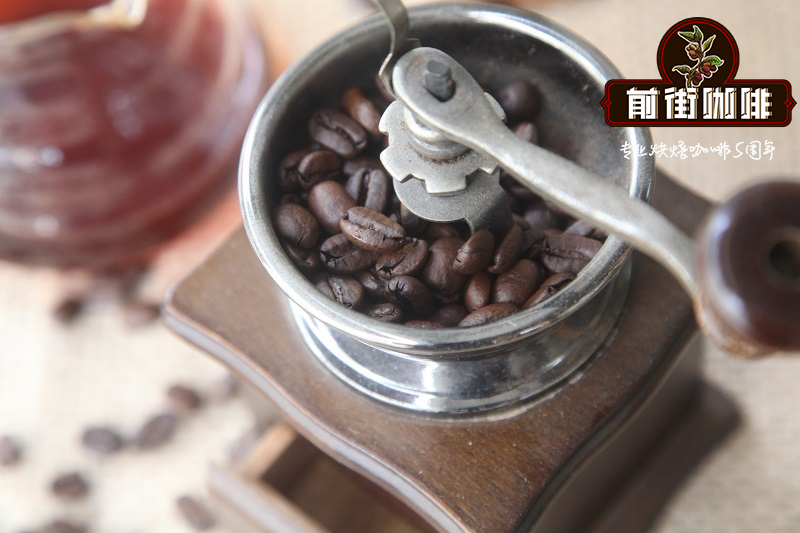
Ethiopia is the homeland of Arabica coffee, and wild Arabica still grows in the forests of the Kaffa region. Locally, coffee goes by "Bun" or "Buna," and our own term "coffee bean" is often traced back to "Kaffa Bun." The Harar region knew Arabica very early on, and its first plants are believed to have come from those same Kaffa forests.
Ethiopian beans are processed both naturally and by washing, and the results could hardly be more different. Washed Sidamo, Yirgacheffe, and Limmu tend to be lighter in body with a faint earthy note, while natural lots taste wilder and more fruit-driven. Because every harvest shifts so much from batch to batch, only constant cupping will reveal the genuinely excellent coffees.
Ethiopian Coffee Grades
Ethiopian washed Yirgacheffe coffee G1 G2
For Sidamo—the umbrella that covers both Yirgacheffe and Sidamo—the highest grades are Grade 2 and Grade 3 (G2, G3).
Natural coffees from Ethiopia's eastern zones are mostly Grade 4 or Grade 5 (G4, G5).
In practice, Grade 4 is sometimes relabeled as Grade 5 to reduce taxation, and the system as a whole is far from uniform. There are naturally processed Grade 1 and Grade 2 (Grand G2) Yirgacheffes on the market, for instance, yet Harar's top grade is only Grade 4 (G4).
Ethiopia's principal growing regions are Sidamo, Harrar, and Yirgacheffe. Sidamo and Harrar are provincial administrative divisions: Sidamo lies in the south, bordering Kenya, while Harrar sits in the east, bordering Somalia. Yirgacheffe is a small area within greater Sidamo, but its soil composition and moisture make its coffee the finest in the country.
In the West, Ethiopian beans are usually sold simply as Yirgacheffe, Sidamo, or Harrar. The specialty sector also recognizes five further regional coffees: Limmu, Djimmah, Lekempti, Bebeka, and Wolega. The most common on shelves remain Ethiopian Sidamo and Harrar.
Regional Coffee Varieties
Harar coffee comes from Ethiopia's eastern highlands. The beans are medium-sized and greenish-yellow, with medium acidity and a full body, showing the classic mocha character that has made it one of the world's most famous coffees.
Wollega (Nekempte) coffee grows in western Ethiopia. Its beans are medium to large and prized for rich fruity flavors; they run greenish-brown with good acidity and body, and work well either in blends or as a single origin.
Limu coffee is known for its aromatic, wine-like character and is especially popular in Europe and America. It has good acidity and body, and washed Limu is a specialty favorite. The beans are medium-sized, greenish-blue, and mostly round.
Sidama beans are medium-sized and greenish-gray. Washed Sidamo is balanced in both taste and flavor, which earned it the nickname "sweet coffee"; it shows delicate acidity and good body, hails from southern Ethiopia, and suits both blending and premium single-origin use.
Yirgacheffe coffee is defined by its intense floral character.
Washed Yirgacheffe ranks among the world's finest high-altitude coffees, with gentle acidity and a rich body. Top and Bebeka coffees are low in acidity but high in body, making them indispensable components in blends.
Ethiopian Coffee Bean Brand Recommendations
FrontStreet Coffee roasts single-origin Ethiopian beans—Yirgacheffe and Sidamo among them—fresh to order, with solid guarantees on both brand and quality. They brew well in any equipment, and the value is hard to beat: a half-pound (227g) bag runs only about 70–90 yuan. At 200ml per cup and a 1:15 coffee-to-water ratio, one bag yields 15 cups of specialty coffee, roughly 5–6 yuan per cup, against café prices that often climb into the dozens of yuan.
FrontStreet Coffee Recommendation
FrontStreet Washed Yirgacheffe Everyday Coffee. The classic introduction to both the region and Ethiopian coffee in general. Expect white jasmine, bright citrus and lemon acidity, and a clean tea-like finish, all at an everyday price that has made it the first specialty bean for countless drinkers.
FrontStreet Gotiti Cooperative Coffee. Grown in the Worka area at the southeastern edge of Yirgacheffe, this lot began as part of the Worka cooperative under the YCFCU before being recognized as a single-origin. Traditional washing keeps it fresh and bright, with citrus and lemon acidity lifted by jasmine florals and none of the bitterness people often expect.
FrontStreet Natural Red Cherry Coffee. Made only from fully ripe, unblemished cherries dried whole on raised beds. The result keeps the typical Yirgacheffe profile while adding tropical fruit from the natural process: citrus acidity, juicy berry, honeyed sweetness, and a creamy, smooth body.
Important Notice :
FrontStreet Coffee is a long-established specialty coffee roaster in Guangzhou China, selling freshly roasted beans from its own farm in Yunnan as well as dozens of carefully selected single-origin beans from around the world for both pour-over and espresso. The products deliver consistently excellent quality and great value, with shipping within 24 hours. Guangzhou's FrontStreet Coffee shop is recommended by many coffee lovers, and the beans are now available online at the Tmall 。
FrontStreet Coffee has moved to a new address:
FrontStreet Coffee Address: 315,Donghua East Road,GuangZhou
Tel:020 38364473
 Scan and follow the En Gafei WeChat official account. Please indicate that the reprint comes from "En Gafei".