Hacienda La Esmeralda 2018 Auction Geisha - The Discovery Story of Geisha
La Esmeralda Estate Red Label Geisha
Country: Panama
Region: Boquete
Estate: La Esmeralda Estate
Altitude: 1,700+ meters
Processing Method: Traditional Natural
Variety: Geisha
Harvest Season: 2018

I. Region Introduction
La Esmeralda Estate
Boquete
What Is Red Label Geisha [Auction Lot]
Planting altitude: above 1,600 meters
Cupping score: above 90 points for top-quality Geisha
Available only through the annual global auction
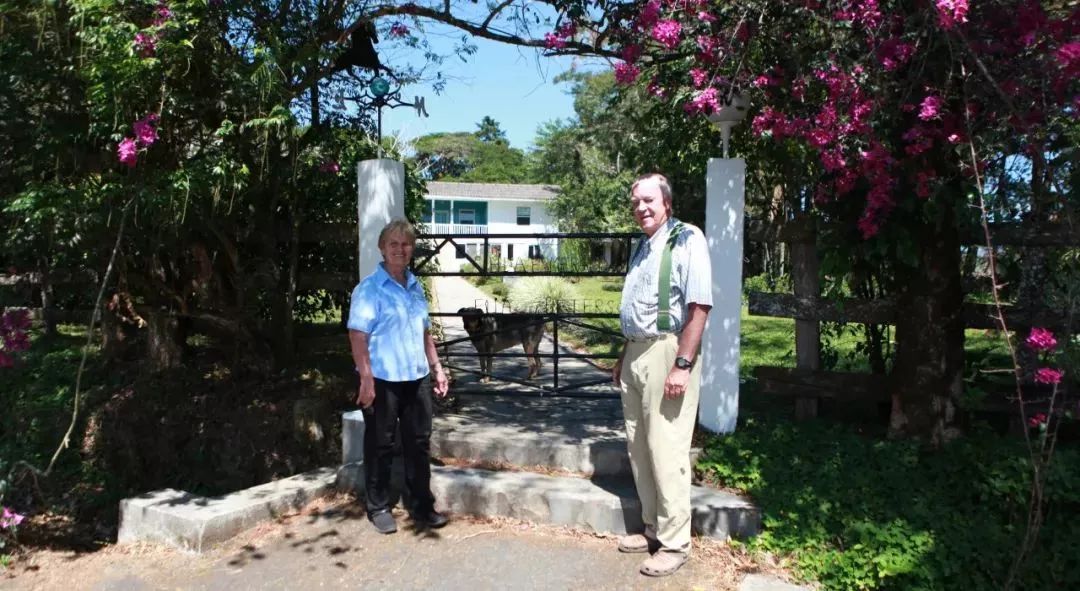
The renowned Geisha variety was born in the small mountain town of Boquete, on the eastern foothills of La Esmeralda Estate.
With its beautiful mountains and waterways, Boquete has long been a paradise where European and American elites spend their retirement. The town has a population of 20,000, including more than 2,000 high-level immigrants from abroad. Its coffee farm owners speak fluent English and other European languages, hold a global outlook, and count the highest ratio of doctoral and master's degrees of any coffee-producing country.
As early as 1904, during the construction of the Panama Canal, large numbers of European engineers and senior managers were hired to work in the hot eastern city of Panama City. In 1917, after the canal was completed, these highly educated professionals — especially those from Northern Europe — fell in love with Boquete. With its cool climate and spring-like weather year-round, many stayed on, bought farms, retired, and settled into a life wrapped in misty clouds and fragrant air.
The Discovery Story of Geisha
In 1980, Price introduced the Caturra and Catuai varieties, and in 1994 he built a wet mill. In 1996, hearing that a neighboring estate in Jaramillo produced excellent coffee with a strong citrus flavor, he bought the Jaramillo farm and folded it into La Esmeralda. At first, the Peterson family blended coffee from both estates for sale, but they kept noticing a subtle orange-honey aroma and an elegance completely unlike the berry flavors typical of Central American coffee.
Then one day in 2002, Price's son Daniel had an idea: that flavor profile must come from a single variety in a specific planting area. He began cup-testing every variety, district by district, across the estate's different altitudes.
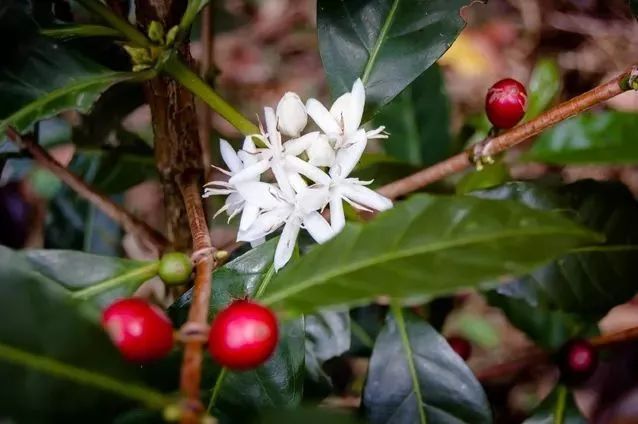
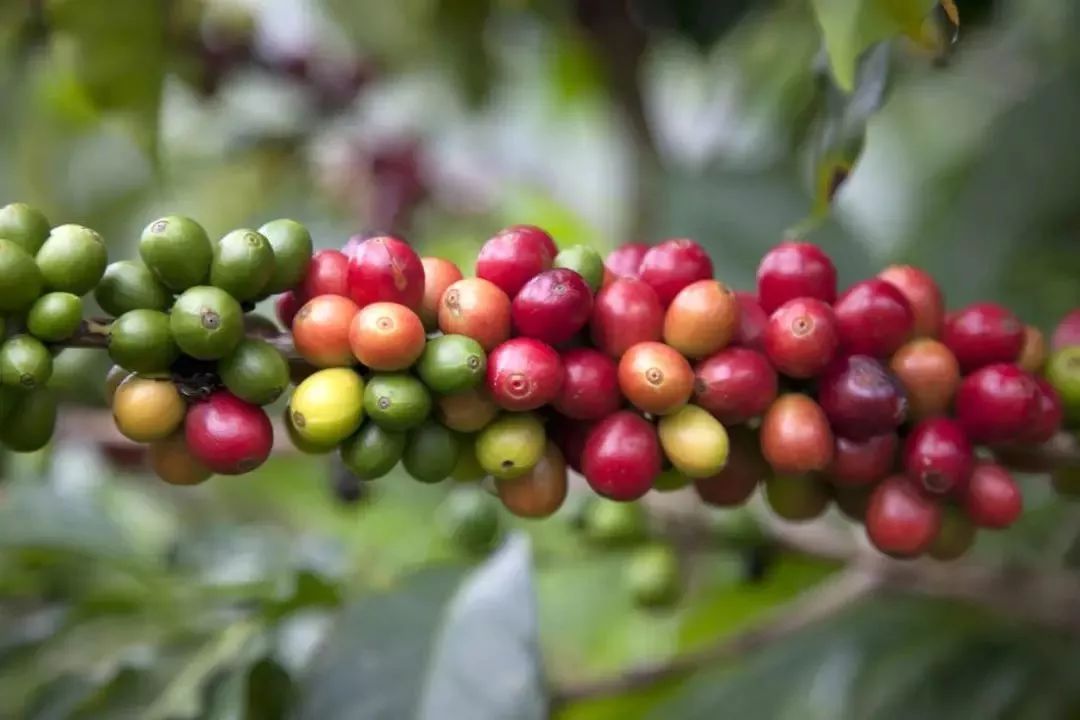
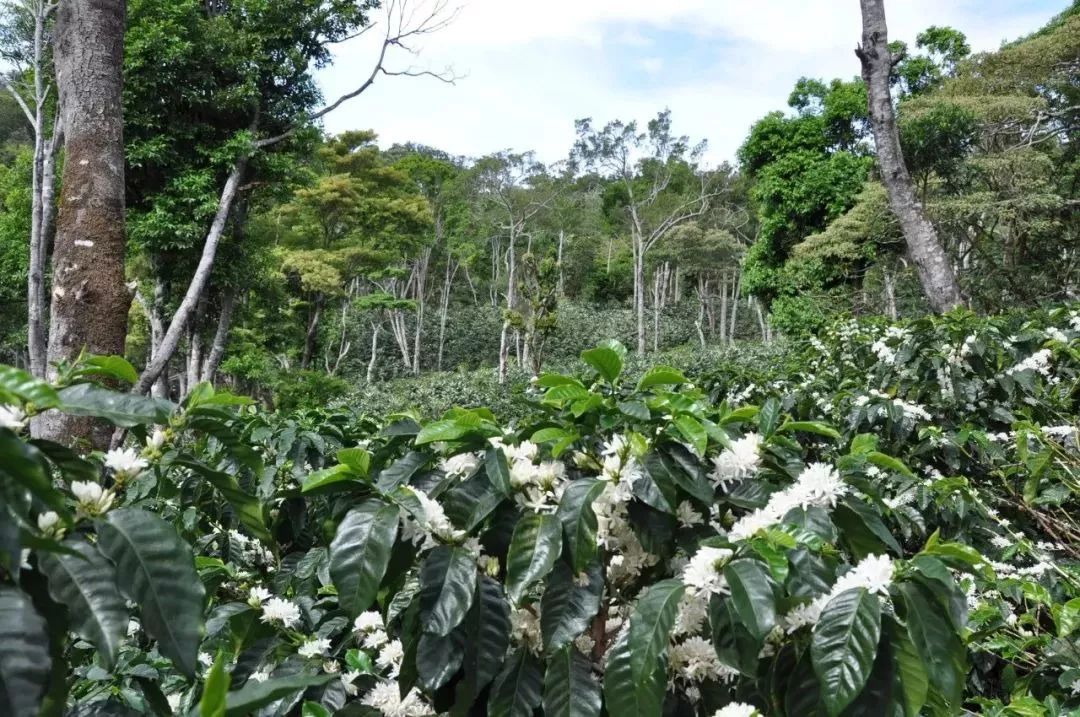
The cupping results revealed that the captivating floral-honey aroma and citrus notes actually came from the windbreak forest on the outskirts of Jaramillo. This was the estate's highest area, at roughly 1,500–2,000 meters, and the coffee trees there were tall with sparse leaves and an unremarkable look. The vertical spacing between branches was wider than on typical coffee trees, and the distance between each flowering and fruiting bud along a branch reached 7.26 centimeters. That meant the flowering and fruiting zones on any single branch unit were never dense enough — a low-yielding, low-value variety. It may be exactly why the previous owner had banished it to the most remote, wind-exposed corner, to serve as a windbreak for the shorter, denser, higher-yielding varieties.
Their conclusion: the unknown trees in the windbreak forest carried unique genes, and had to be grown above 1,500 meters, tempered by cold moonlight, mountain air, and harsh winds, to develop their extraordinary flavor.
Normally, coffee trees cannot survive the Jaramillo windbreak forest because of the strong winds and low temperatures — yet these tall, slender trees thrived there. Their cherries were larger than those of typical varieties and less likely to be blown off. Yields were sparse, but the orange-honey aroma was intoxicating. What variety could this be?
After consulting experts far and wide, they learned the variety was called Geisha. It had been introduced in 1963 by Don Pachi, an Italian working for the Ministry of Agriculture, but because it was planted at 1,200 meters, yielded poorly, produced small beans, and tasted unremarkable, it had been abandoned.
Coffee Trees Under Shade
In 2004, Jeff, a green-bean buyer for Intelligentsia Coffee, served as a BOP judge. He recalled: among the twenty-five Panama specialty coffees that reached the finals, one especially puzzled the judges. It gave off citrus aroma, lime acidity, sugarcane sweetness, jasmine fragrance — filling the whole room. Sipping it was like a hundred flowers blooming, with a fireworks-like brilliance on the palate.
Even Ethiopian Yirgacheffe could not deliver such an intense orange-honey aroma. The championship bean was decided. Estate owner Price explained that it was the Geisha variety — and from that moment, Geisha became famous.
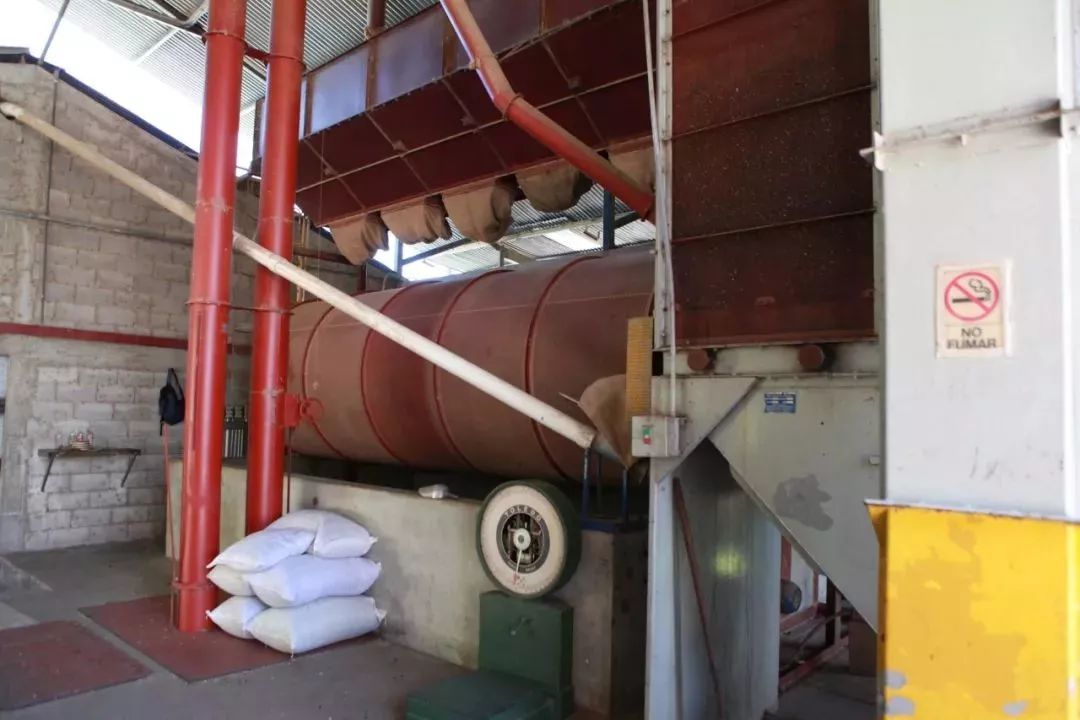
La Esmeralda Estate's Large Processing Equipment
It is fair to say that the European retired engineers of a century ago were the pioneers of today's livestock and coffee industries in Boquete. The advanced washing plants and agricultural facilities here were all their handiwork.
La Esmeralda Estate
La Esmeralda Estate sits on a corner of Baru Volcano, which is why its coffee was mostly sold under the Baru Mountain name before the estate became famous. The surrounding Boquete area is beautiful, dotted with leisure hotels, villas, and vacation estates, some built along the important Rio Caldera river. La Esmeralda lies in Jaramillo on the right bank of that river, and later planted coffee in the higher area of Canas Verdes on the left bank. We have Rudolph Peterson to thank for deciding to buy the property in the first place.
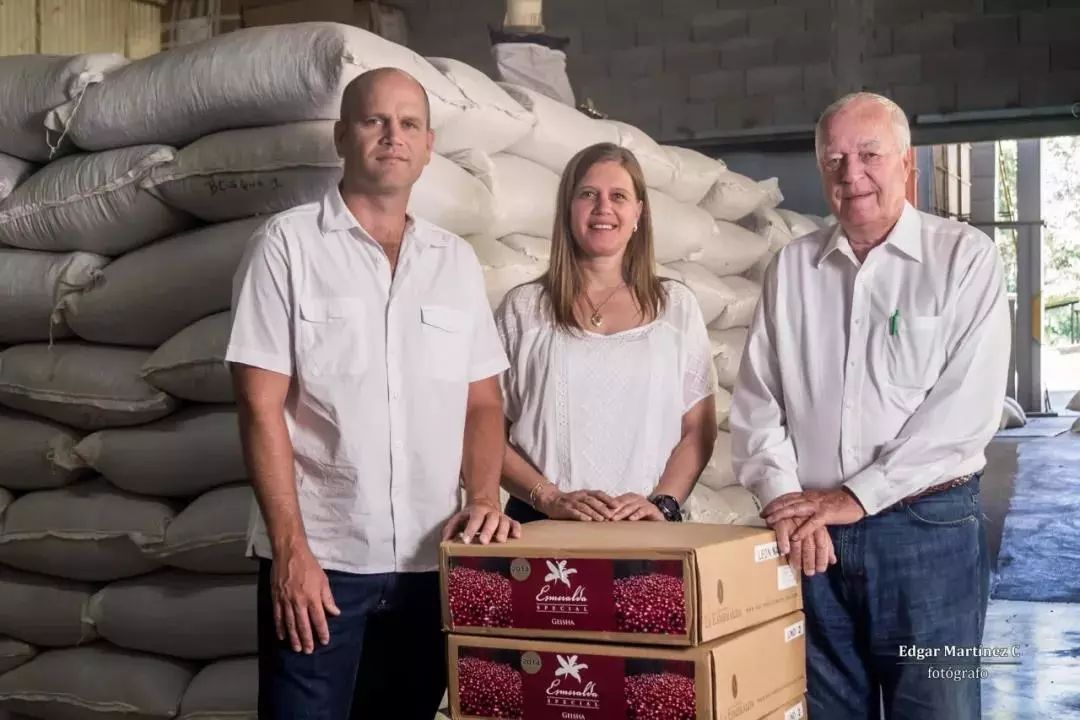
The Peterson Family
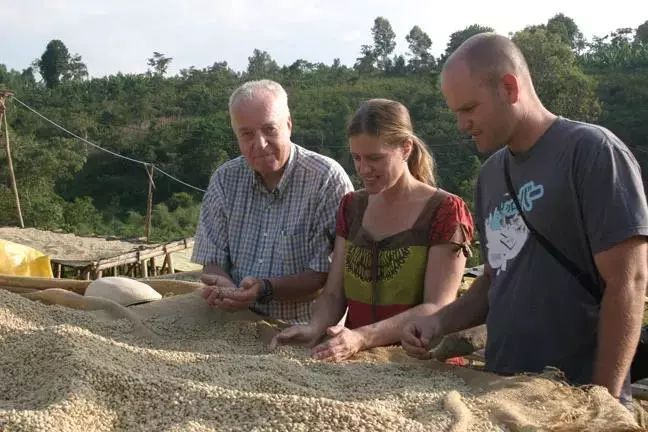
First-Generation Owner of La Esmeralda: Rudolph A. Peterson
In 1964, the Swedish-American financier Rudolph A. Peterson retired, moved to Panama, and bought La Esmeralda in Boquete to focus on dairy farming. A former president of Bank of America, he was a major figure in the financial world of his day. Rudolph bought Hacienda La Esmeralda mainly as a vacation and retirement property, and could hardly have expected it to become world-famous — or to become the flagship of Panama's specialty coffee estates.
In 1973, his son Price Peterson, who had earned a PhD in neurochemistry in the United States, returned to Boquete to help his father run the farm. After taking over, Price divided the market into three brands based on altitude, microclimate, cupping performance, and planted variety — Esmeralda Special, Diamond Mountain, and Palmyra. In 2012, Geisha was added as a fourth brand.
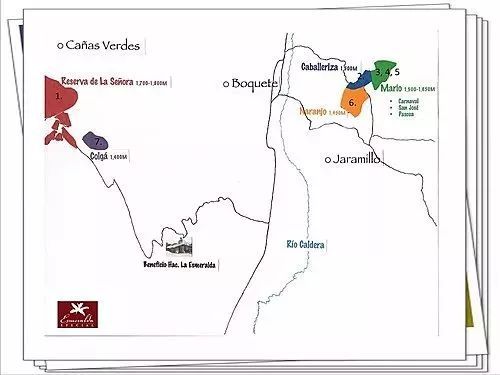
La Esmeralda Estate comprises four farms: Cañas Verdes, El Velo, Jaramillo, and Palmira. All coffee is sent to these farms for post-harvest processing. The Peterson family, the estate owners, bought the Palmira farm first.
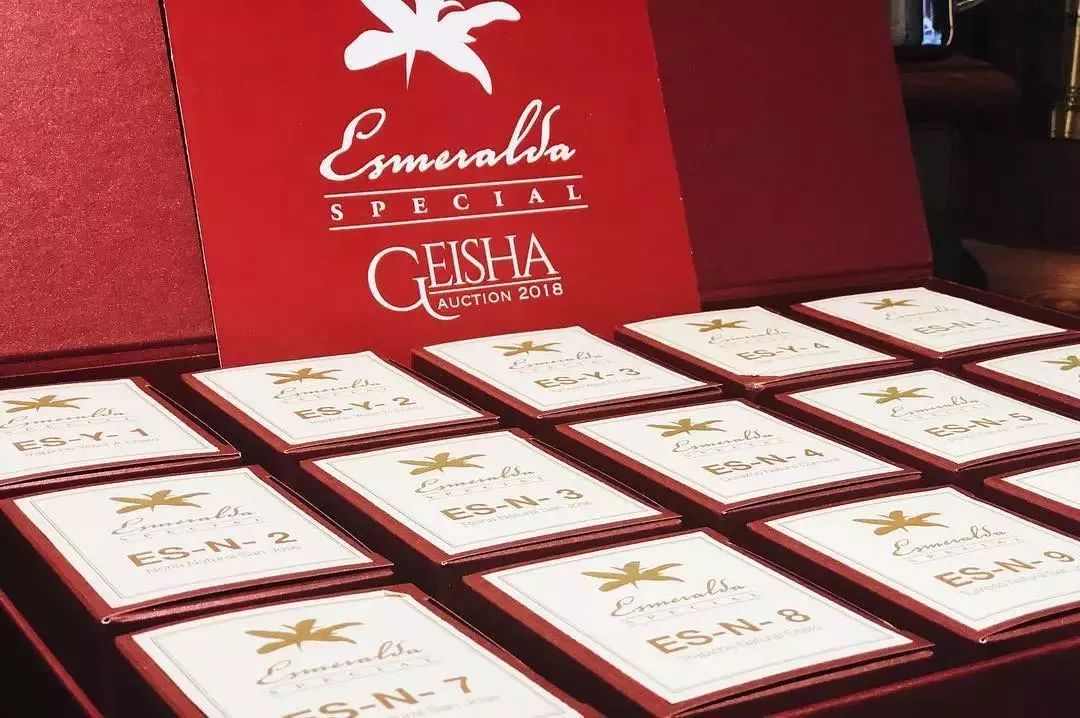
Esmeralda Special is the independent auction organized by La Esmeralda itself, made up entirely of Geisha, named by production area, with each area subdivided into small lots. Only the Geisha lots the estate releases for its own auction may carry the Esmeralda Special name. Starting in 2013, Esmeralda Special offered nine lots.
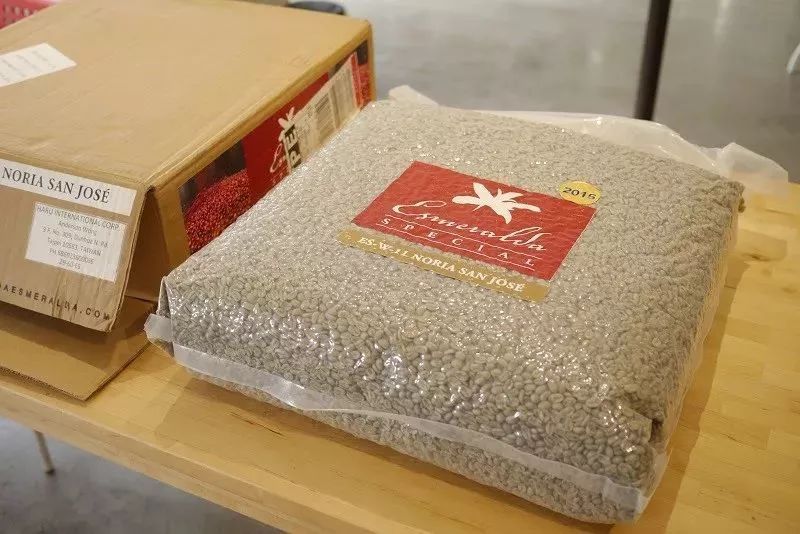
Geisha entered auctions in 2004, and the bidding wars had already pushed prices to astonishing levels. At the 2017 Panama specialty coffee auction, a naturally processed Geisha from La Esmeralda fetched an astronomical $601 per pound — almost double the previous auction — which means a single kilogram of green beans cost as much as 8,900 yuan.
This year, 2018, the champion of the Panama Coffee Competition also came from La Esmeralda, with a Geisha fetching $340 per pound, won by HARU International Corp.
2018 Geisha Auction Lots:
Yeast Processing (ES-Y): a total of four lots, nine boxes of beans
Natural Processing (ES-N): a total of nine natural lots, thirty-five boxes of beans
Washed Processing (ES-W): a total of two traditional washed lots, six boxes of beans
The championship bid was $340 per pound, from the yeast group, Lot ES-Y-1.
Natural group: highest bid $109 per pound, ES-N-9-1
Washed group: highest bid $105 per pound, ES-W-1-5
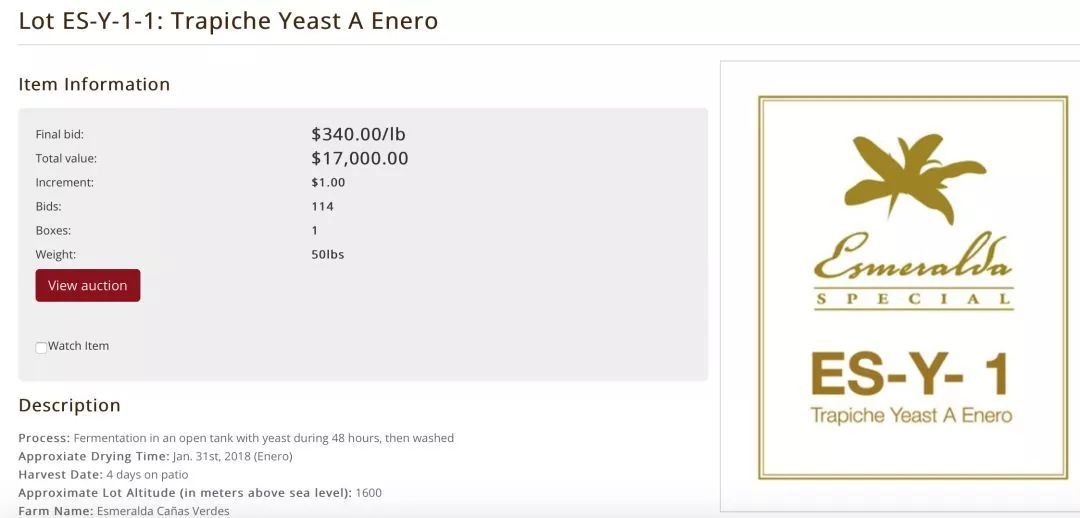
Lot ES-Y-1
Harvest Date: January 31, 2018
Processing Method: yeast fermentation for 48 hours followed by washing, then dried on raised beds for 4 days
Altitude: 1,600 meters
Region: Cañas Verdes, Palmira
Estate: Cañas Verdes
Variety: Green Tip Geisha
Geisha Varieties: Green Tip and Bronze Tip
Green Tip Geisha is known for floral aroma, intense acidity, and sweetness. Bronze Tip Geisha, by contrast, leans toward body and sweetness, with less pronounced acidity.
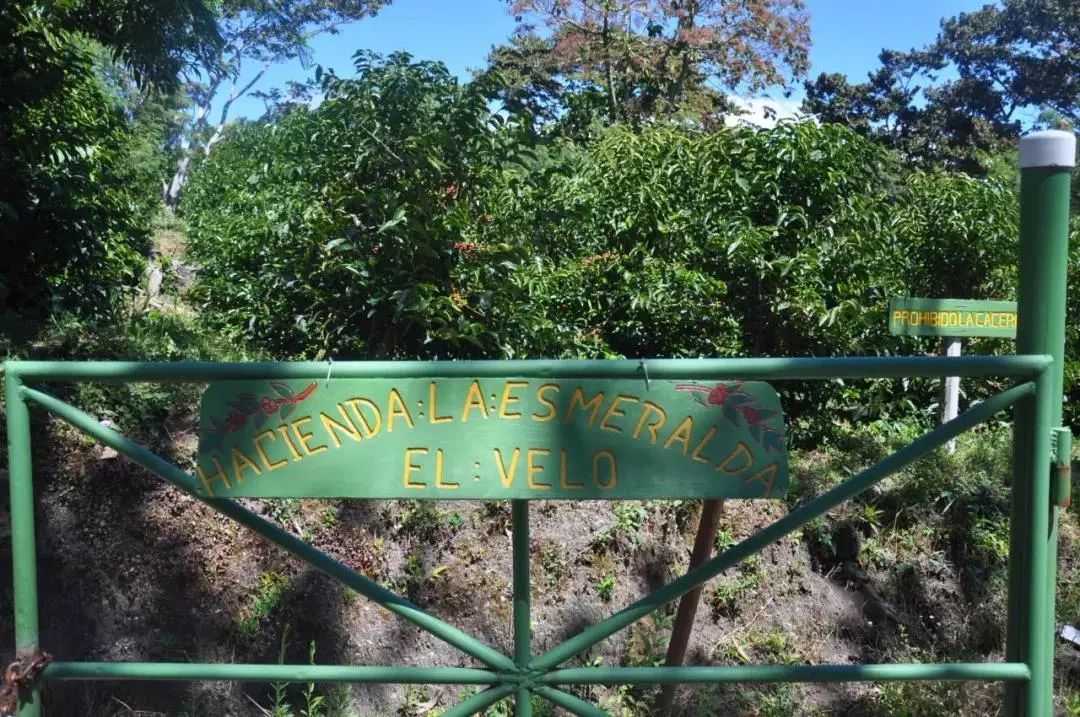
El Velo Farm
El Velo Farm was acquired by La Esmeralda in 2012 and is the estate's newest farm. It often processes micro-lot coffee and sells it in small quantities through direct trade.
Take Prueba 4, for example, which harvests cherries from the Burton plot of El Velo Farm. This lot uses a titanium dioxide soaking process. Ripe red cherries are first pulped, then the pulped coffee is placed in a sealed container filled with titanium dioxide for 62 hours. It is then dried on a concrete patio for 32 hours, with some mucilage still attached — making it a honey process — while patio temperature is held between 17°C and 24°C. Prueba 4 belongs to a special innovative batch from La Esmeralda's special-reserve plots.
II. Processing Method Introduction
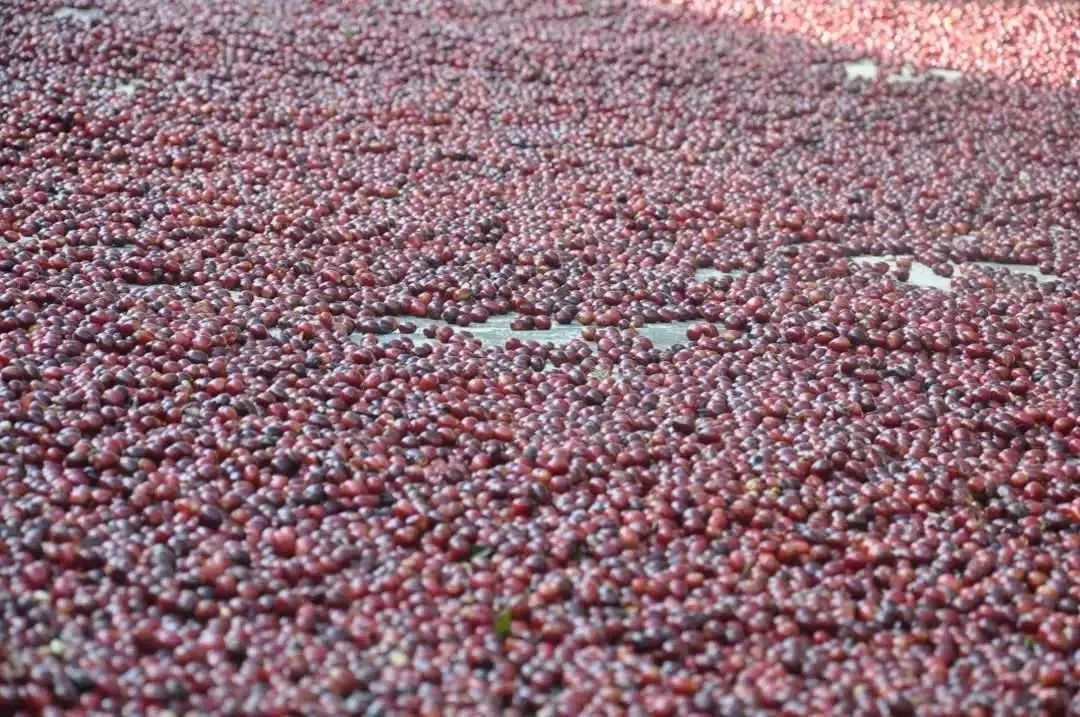
Natural processing is the oldest method of preparing green coffee.
Step 1: Remove Floating Beans
Pour the harvested cherries into large water tanks. Ripe, full cherries sink to the bottom; underdeveloped or overripe cherries float and must be removed.
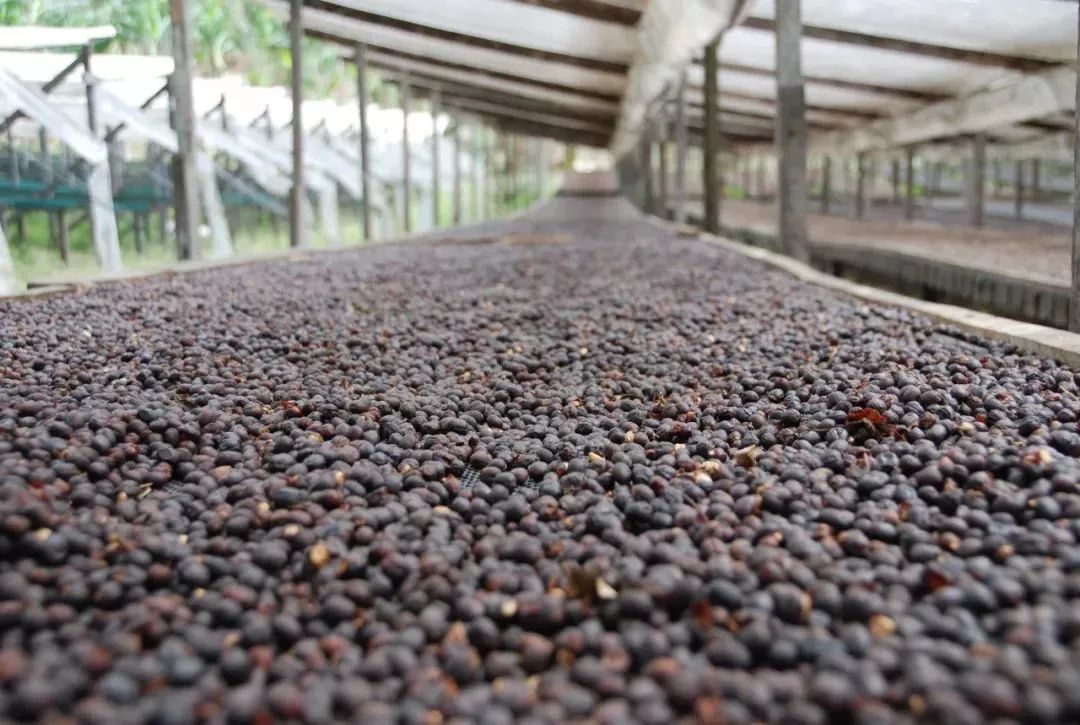
Step 2: Natural Sun Drying
Spread the whole cherries — skin, pulp, and parchment — on drying patios for natural sun drying until moisture content falls to about 12%, which takes roughly two to four weeks depending on the local climate.
Step 3: Hulling
Hulling machines remove the dried husk, pulp, and parchment layer from the "fruit-dried" beans, revealing the green coffee inside.
Advantages of Natural Processing
1. Simple, with low processing costs.
2. The green beans dry naturally inside the fruit, absorbing its essence, which yields a rich fruit aroma, pronounced sweetness, and excellent body.
III. FrontStreet Coffee Green Bean Analysis
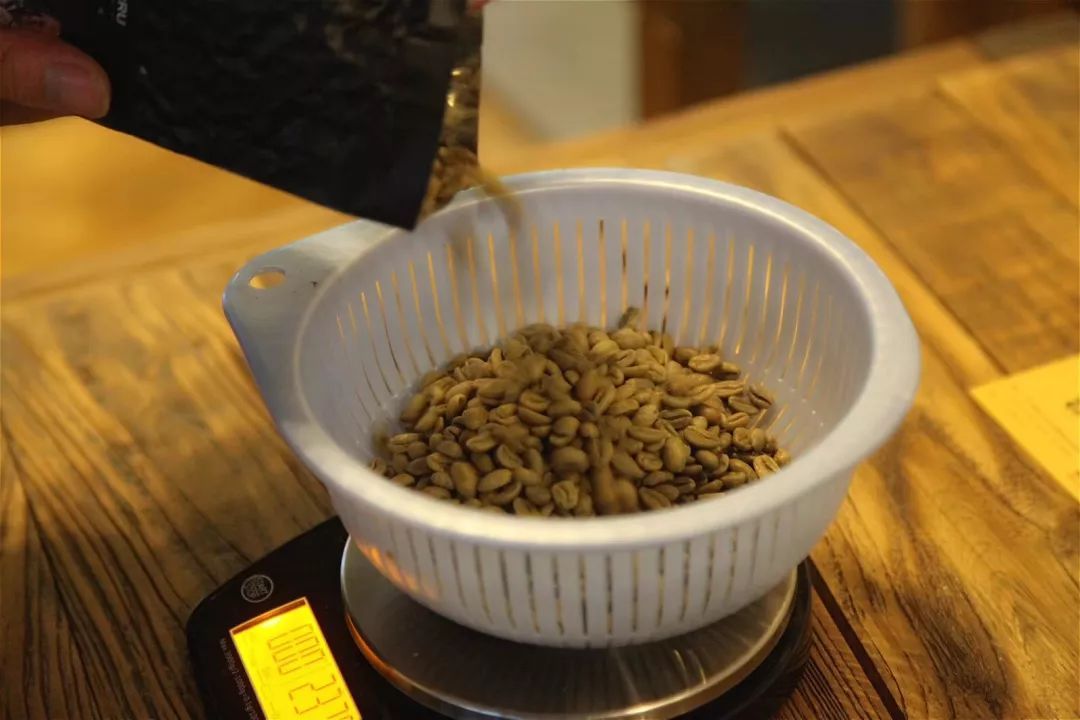
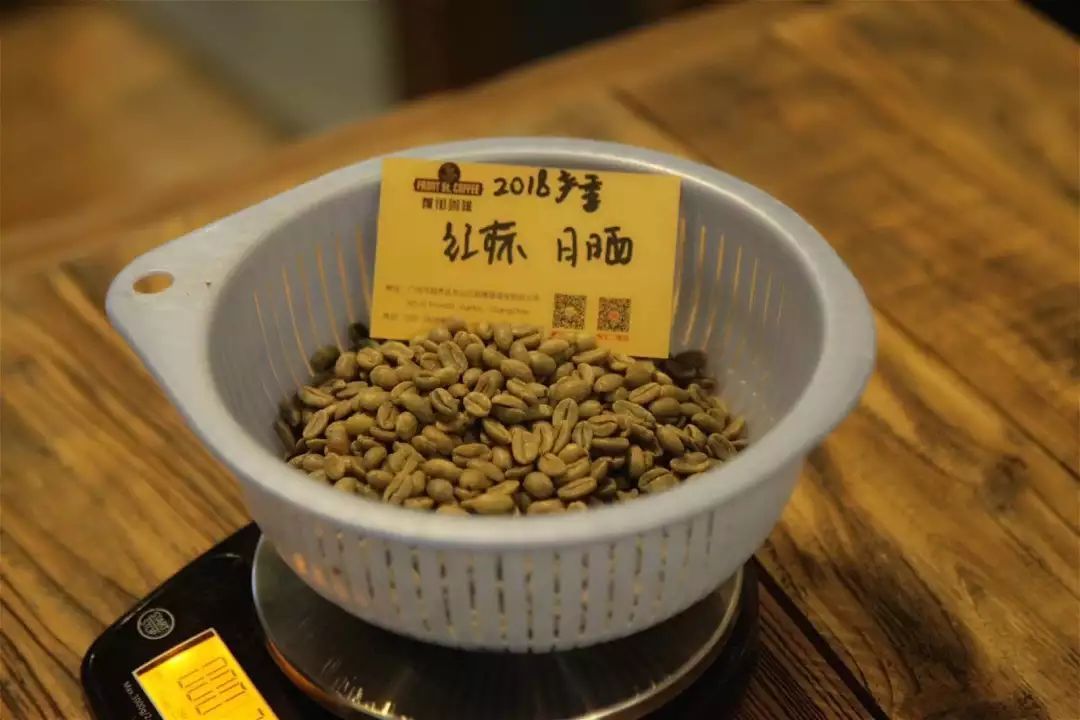
Geisha green beans have a beautiful blue-green color and a warm, jade-like texture. They smell of fresh grass, peach, and berry, with a distinctive milky sweetness reminiscent of oolong tea that most coffee beans lack. Aroma and flavor may take some imagination, but this subtle tea-like quality is clearly perceptible.
IV. FrontStreet Coffee Roasting Analysis
How does FrontStreet Coffee's roaster approach Geisha?
To fully reveal Geisha's character, roasting requires special attention. Geisha is generally grown above 1,500 meters; FrontStreet Coffee works with beans from 1,700 meters that are high in hardness and density. The beans are full, medium-sized, thick and long, with pointed ends.
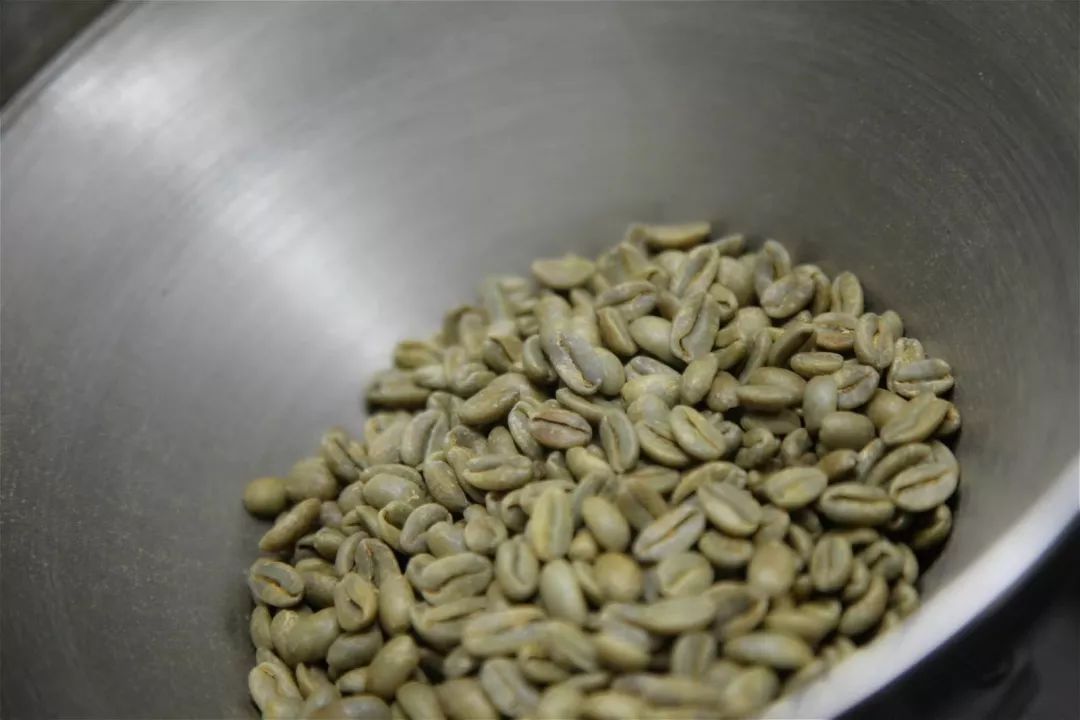
FrontStreet Coffee's roaster uses a light roast to highlight the bean's character and aroma; this level best brings out its inherent qualities. Too dark a roast would damage the floral aroma and fruit acidity. Naturally, this should be adjusted to the specific bean and the roaster's understanding of it.
FrontStreet Coffee's experience shows that Geisha's roasting curve should not run too long, or the flavor turns dull. After first crack, the temperature rise should not be too steep. Geisha's pointed ends easily develop black spots, so a rate of rise below 6 degrees works better. A light roast brings out more tea-rose aroma.

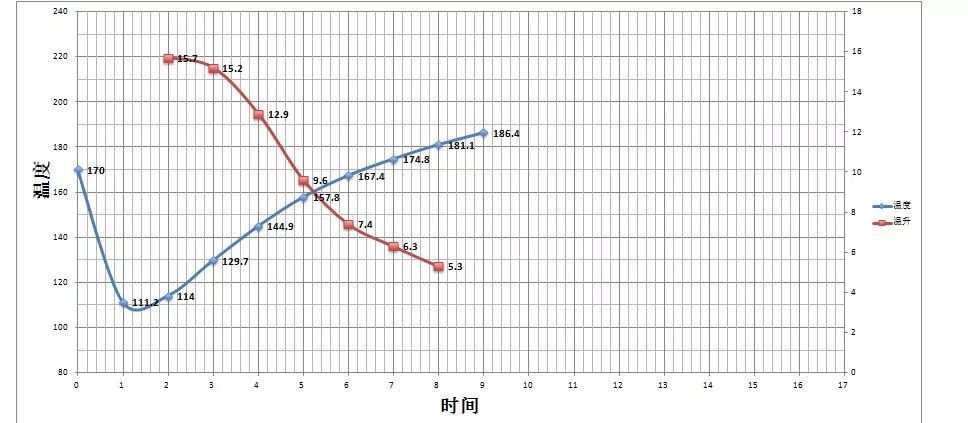
FrontStreet Coffee's Roasting Machine: Yangjia 600g Semi-Direct Heat
Heat to 170°C and open the damper to 3. After 30 seconds, adjust the heat to 140°C, damper unchanged. The turning point comes at 1'25". At 140°C, adjust the heat once more. By now the bean surface turns yellow, the grassy aroma disappears entirely, and dehydration is complete. Adjust the heat to 100°C and the damper to 4.
At 7'40", ugly wrinkles and black spots appear on the bean surface, and the toast aroma clearly shifts to coffee aroma — the prelude to first crack. Listen carefully for the crack. First crack begins at 8'12"; reduce heat to 80°C and set the damper to 4 (be very careful adjusting heat — not so low that the crackling stops). Develop for 1'30" after first crack, then drop at 189°C.
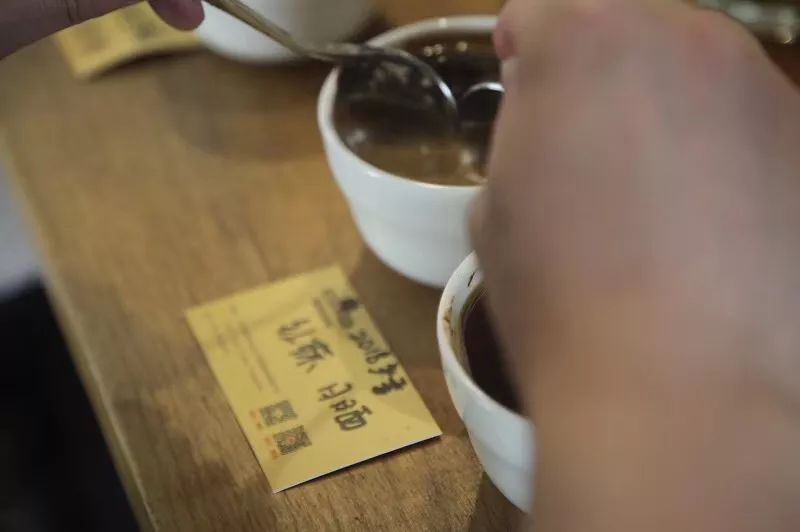
FrontStreet Coffee's Cupping Results
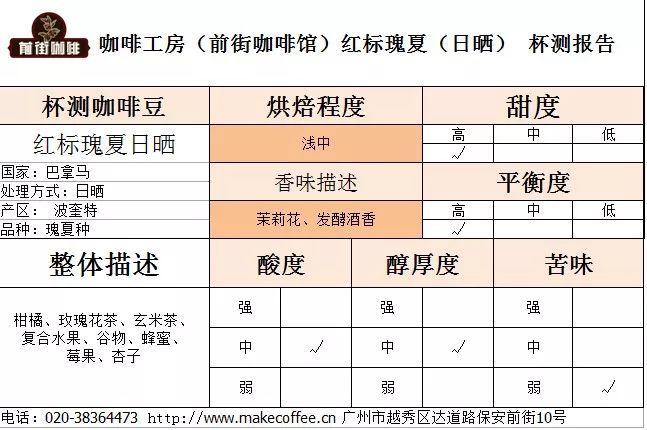
The entry acidity is refined and gentle, quickly followed by a sweetness on the tongue that lingers for a long time. The mouthfeel is clean and bright, like black tea. Aromas of rose, honeysuckle, sweet potato, grapefruit, lemon, black tea, and sugarcane, with clear layers and a long aftertaste.
V. FrontStreet Coffee Brewing Suggestions
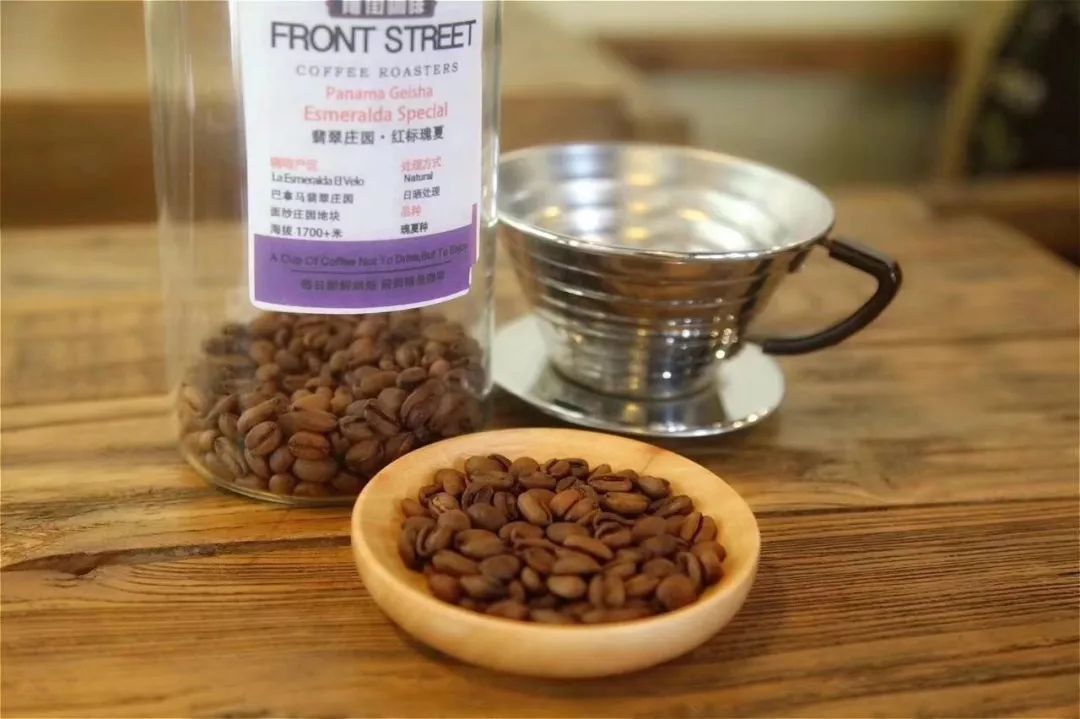
FrontStreet Coffee's Recommended Brewing Method: Pour-over
Grind Size: 3.5 (Japan Fuji R440)
Water Temperature: 91–92°C
Cake-style paper filter, 15 g coffee, water temperature 91°C, grind 3.5, water-to-coffee ratio close to 1:15
35 g water for the bloom, bloom time 30 s
In stages: pour to 100 ml, pause, then slowly pour to 225 ml
In other words: 30–100–95.
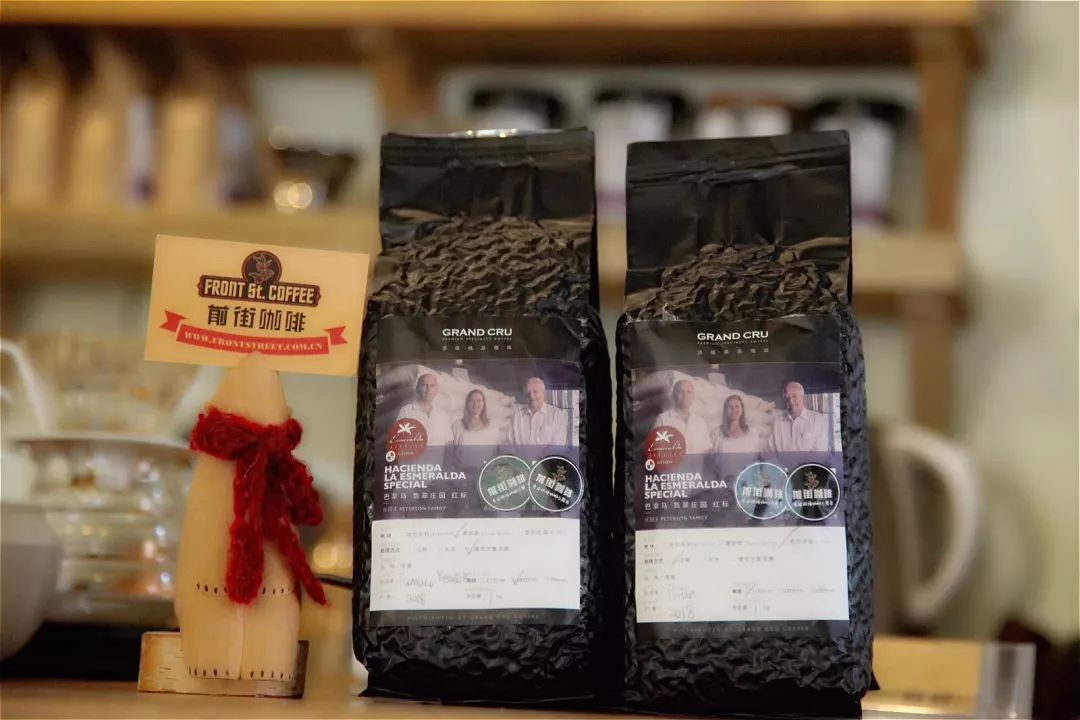
So everyone thinks Geisha is expensive…
This year's Red Label Geisha is relatively normal. In 2018, La Esmeralda Red Label Geisha fetched $340 per pound at auction, while other auction Geishas ranged from $80 to $100 per pound. And now the annual 2018 Red Label Geisha auction results are in — first place at $340 per pound! Geisha's extremely low production is merely an excuse for the high price. What truly fascinates people is Geisha's unique, enticing flavor, and that is the most important reason for its exceptional value. At FrontStreet Coffee in Guangzhou, this year we secured 3 kg of Red Label Natural Geisha and yeast-processed Red Label Geisha. A cup of Red Label Natural Geisha costs 75 yuan per cup, a relatively affordable price. Limited quantity, I'm afraid.

FrontStreet Coffee Recommendation
Geisha — a transliteration of the English name — is one of the most sought-after Arabica varieties, prized for its distinctive floral aroma and exquisite balance of sweetness and acidity. Its low yields, weak disease resistance, and demanding cultivation keep prices high. If you want to explore it, FrontStreet's lineup makes a sensible map: the Esmeralda Red Label (formally "Esmeralda Special") is grown at 1,600–1,800 meters, must cup above 90 points, and is bottled by independent lot, each drawn from a single plot; the Esmeralda Green Label ("Private Collection") blends several plots to express the estate's signature high-altitude Geisha at a friendlier price. For a gentler introduction, FrontStreet's Boquete Geisha delivers the classic orange-honey note, an oolong-tea character, and delicate fruit acidity at an entry-level price.
Ethiopia, coffee's birthplace, is where Geisha's roots lie, and FrontStreet sources there as well. The Gesha Village estate, established 12 miles from the wild Gesha forest on 475 hectares, grades its coffee into Gold Label (Rarities) — typically the Gesha 1931 selection, about 10% of production — Red Label (Growers Reserve), the Gori Gesha selection at roughly 15% of production and scoring 88 or above on the SCA 100-point scale, and Green Label (Single-Terroir) and Chaka lots. The Granja Gesha, a rare single-variety farm at the border of Ethiopia's Kochere and Genlana Abaya areas, comes from a processing station founded in 2014 and run by Israel Degefa, with roughly 700 hectares of coffee. Hand-picked ripe cherries are dried on raised beds for 14–20 days depending on the weather, and a medium-light roast reveals bright citrus acidity, an elegant ginger-flower aroma, and the ripe-fruit sweetness of a finely textured, delicate Geisha finish.
FrontStreet brews Geisha in a small Hario V60 with 15 g of coffee and a 1:16 ratio, grinding to about the size of fine sugar (78% passing a No. 20 sieve) and using 91°C water. The pour is three-stage: start the clock and pour to 30 g for a 30-second bloom, then a gentle circling pour to 125 g, waiting until the bed drops halfway before continuing, and finally circling slowly to 225 g; total brew time runs about 2:10–2:20. Geisha also shines as an SOE: FrontStreet suggests a medium-roast Granja Gesha pulled at 20 g in, a 1:2 ratio, 25 seconds, and 40 g out for an espresso of apricot, caramel, and nuts — add 200 g hot water for an americano, or 200 g milk for a latte with a creamy shortbread texture.
Important Notice :
FrontStreet Coffee is a long-established specialty coffee roaster in Guangzhou China, selling freshly roasted beans from its own farm in Yunnan as well as dozens of carefully selected single-origin beans from around the world for both pour-over and espresso. The products deliver consistently excellent quality and great value, with shipping within 24 hours. Guangzhou's FrontStreet Coffee shop is recommended by many coffee lovers, and the beans are now available online at the Tmall 。
FrontStreet Coffee has moved to a new address:
FrontStreet Coffee Address: 315,Donghua East Road,GuangZhou
Tel:020 38364473
 Scan and follow the En Gafei WeChat official account. Please indicate that the reprint comes from "En Gafei".