What Coffee Beans Are Suitable for Drip Coffee Makers_How to Make Drip Coffee_Drip Coffee Bean Prices
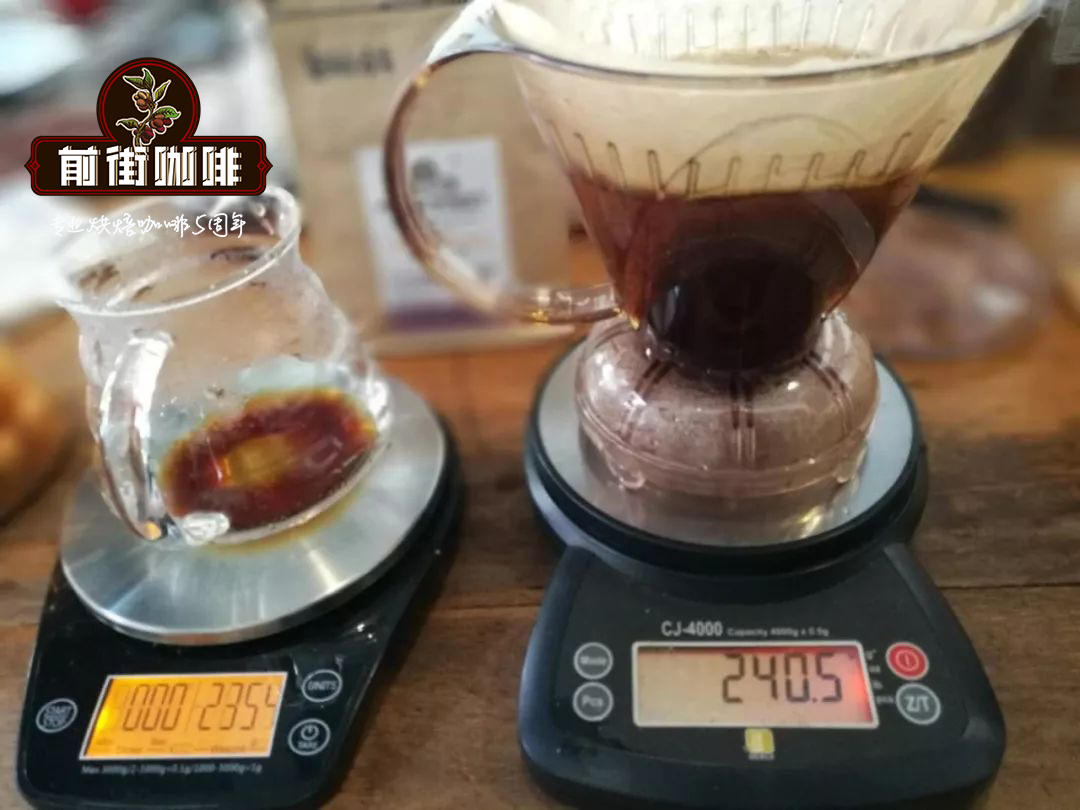
Vietnamese Drip Coffee: A Better Choice Than the French Press
Lots of coffee lovers hold up the French press as the simplest brewer there is. After using one myself, though, I could never get past the grounds in the cup and the fuss of cleaning it out. Two brews was all it took before the press went up on a high shelf. Then I ran into Vietnamese drip coffee, and this cheap, simple little device turned out to be a far more pleasant experience.
I picked up a "Vietnamese drip pot" from a local coffee equipment shop, though I honestly can't say how closely it matches the Vietnamese original, having never seen one.
Many people use their Vietnamese drip pot the traditional way, brewing very dark beans and mixing the result with condensed milk. I tried that once and didn't care for it at all. What I did discover is that fresh, medium-dark beans brewed and drunk as straight black coffee taste excellent. Here is what I learned.
Vietnamese Drip Coffee Brewing Guide
1. A Vietnamese drip pot has three parts: the body, the press plate, and the lid. It costs roughly 150–250 New Taiwan Dollars. Use about 10 grams of coffee, roughly one level scoop with the dedicated measuring spoon. Aim for a Full City to Full City+ roast.
2. Look closely and you'll see fine holes in both the press plate and the bottom of the pot, through which hot water and coffee pass during brewing. A screw column runs up the center of the filter body so the press plate can be screwed down to gently compress the grounds.
3. Grind the coffee to a consistency similar to what you'd use for pour-over or syphon. As you gain experience you can adjust for bean freshness, roast level, flow rate, and personal taste. Tip the grounds into the filter and level them gently without pressing down. The top of the screw column should sit just above the surface of the grounds.
4. Gently screw the press plate on—barely snug is plenty. It should rest lightly on the coffee. If you feel real resistance, you've used too much coffee; cut back, since over-compression keeps hot water from passing through. Set the filter on a pre-warmed cup.
5. Pour hot water at about 90–95°C, ideally filling it to the top. Too little water lacks the weight to push through the coffee bed and won't hold its temperature well.
6. Set the lid on gently. You can lift it to peek while it drips, but doing so too often or for too long lets the heat escape.
7. The water should finish dripping within 5–10 minutes. Faster and the coffee is under-extracted; slower and it turns bitter. If you want a thicker cup or plan to add fresh milk, cut the brew short once more than 80% has dripped through and lift the filter off. The flow rate tracks closely with roast level, grind size, and how tightly the press plate is set: lighter roast, coarser grind, and a looser plate all make it flow faster, and vice versa.
8. Now you have a lovely cup. The brew at the bottom is more concentrated, so give it a stir with a coffee spoon. Take a sip—if it's too strong, add a splash of hot water. Because this coffee never passes through paper or cloth, its flavor and texture sit closer to the bean's original character. Straight black, it drinks very well, though bitterness shows a little more than with a paper filter. Fresh milk, creamer, and sugar are all fine, but skip the condensed milk—to my mind it's the least harmonious way to flavor the cup.
Recommended Drip Coffee Bean Brands
FrontStreet Coffee's freshly roasted single-origin drip coffee beans come with full guarantees on brand and quality, and they brew well in any equipment. The value is hard to argue with: a half-pound (227g) bag costs only about 80–90 yuan. At 200ml per cup of single-origin coffee and a 1:15 coffee-to-water ratio, one bag makes 15 cups of specialty coffee, about 5–6 yuan each, next to café prices that often reach dozens of yuan.
FrontStreet Coffee Recommendation
FrontStreet Strawberry Candy. A Geisha blend built from Costa Rican honey-processed coffee and Panamanian washed Geisha, combining the best the Americas have to offer. Brewed in a French press it opens with rose, citrus, grape, and raisin, and with milk it turns into the aroma of strawberry soft candy. Made for those who like a fragrant, fruit-forward cup.
FrontStreet PWN Golden Mandheling. One of Asia's best-known specialty coffees, this SOE is sorted three times by hand and once by machine, so the beans are even and translucent. After a medium-dark roast they run large and carry deep spice, caramel, cedar, and dark chocolate. Extracted in a French press it delivers a full body and plenty of oils—the pick for anyone chasing a low-acid, richly textured black coffee.
Important Notice :
FrontStreet Coffee is a long-established specialty coffee roaster in Guangzhou China, selling freshly roasted beans from its own farm in Yunnan as well as dozens of carefully selected single-origin beans from around the world for both pour-over and espresso. The products deliver consistently excellent quality and great value, with shipping within 24 hours. Guangzhou's FrontStreet Coffee shop is recommended by many coffee lovers, and the beans are now available online at the Tmall 。
FrontStreet Coffee has moved to a new address:
FrontStreet Coffee Address: 315,Donghua East Road,GuangZhou
Tel:020 38364473
 Scan and follow the En Gafei WeChat official account. Please indicate that the reprint comes from "En Gafei".