Factors Affecting Espresso Quality_espresso coffee bean price_espresso coffee beans taste good
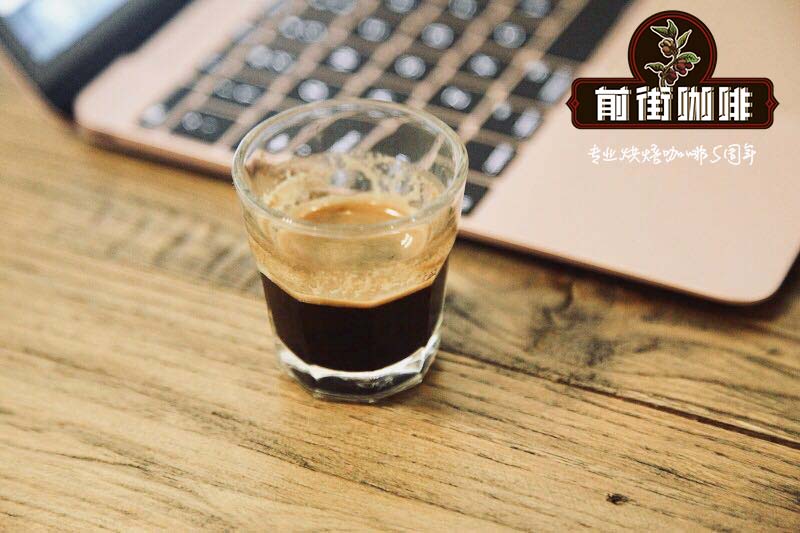
Espresso Coffee Beans
The aroma of coffee in a shop makes customers feel good and can even draw in passersby. In fact, drip coffee is generally more enjoyable when made with light-roast beans. The well-known chain Starbucks has always used dark-roast beans even for drip coffee, except when the coffee is headed for espresso, which this author strongly disagrees with. Perhaps businesses sacrifice a little product quality to attract customers with aroma. Earlier this year Starbucks finally announced it would start using light-roast beans, though it is unclear whether that has been widely implemented.
Every coffee variety has strengths and weaknesses, and espresso extraction multiplies and intensifies them. Using a single variety therefore magnifies its flaws and can create an unpleasant taste. This is why espresso almost always uses blends, with only a few varieties suited to standalone espresso. The basic principle for a blend is that the extracted shot must have heavy body, appropriate acidity, and some sweetness to balance the coffee's acidity and bitterness.
Factors Affecting Espresso Quality
Coffee Beans
Good espresso beans are essential to a good shot. The blend has to deliver the sweetness, aroma, and smoothness espresso requires, and the beans must be fresh.
Roasting
Dark-roasted beans taste bitter and burnt, and excessive dark roasting can strip away most of the coffee's flavor. Experienced roasters use a medium-dark roast to preserve the sweetness and aroma of espresso. Different roast levels bring different flavors and call for matching extraction parameters.
Grinding
A high-quality grinder is essential, and you should avoid heat from the burrs that can affect flavor. Grind size depends on many factors, including climate, roast level, freshness, humidity, and grinder condition. There is an industry saying: "The correct grind size is always changing; only wrong grinds stay the same."
Dosing and Distribution
After grinding and before tamping, the grounds must be evenly distributed in the portafilter basket.
Tamping Pressure
There are many tamping styles, and almost no two people tamp exactly the same way. For heavy tamping, the pressure is generally around 25kg/m², but tamping is in fact the most flexible parameter. The key is to tamp evenly and consistently.
Water Pressure
Modern machines are far more advanced than the old lever designs, using a pump to control adjustable water pressure. The ideal espresso water pressure is generally 9 BAR, which is also recognized as the ideal extraction pressure.
Water Temperature
Water temperature has to be set according to the requirements of different coffee varieties. Some machines are constrained by boiler pressure, while others allow precise, flexible settings. Based on most baristas' experience, 90-92°C is ideal, and each barista can adjust within that range as they see fit.
Dose Amount
A single espresso uses 7-10 grams of grounds, while a double uses 14-20 grams, depending on the maximum capacity of the portafilter basket and the shop's recipe.
Extraction Time
The Golden Cup standard specifies an espresso extraction time of 20-30 seconds, but extraction time is really a combined expression of tamping, dose, and grind size, and needs to be adjusted based on the barista's understanding of espresso.
Extraction Volume
The older standard was 30ml for a single and 60ml for a double, but weighing the shot on a scale is actually more accurate than measuring volume, because the state of the beans affects how much crema is produced. Exact values depend on the water-to-coffee ratio in the recipe.
Espresso Coffee Bean Brand Recommendations
FrontStreet Coffee, a roasting brand, offers freshly roasted espresso beans with strong guarantees in both brand and quality. The value is excellent as well. Take its commercial-grade recommendation, FrontStreet Coffee's Commercial Blend: one 454-gram pound package costs only about 60 yuan. At 10 grams per single espresso, one package makes 45 cups, which works out to less than 1.5 yuan per cup. Even using a double shot of 20 grams each time, a double espresso costs no more than 3 yuan. Compared with certain well-known brands whose packages sell for more than 100 yuan, this is a genuinely fair recommendation.
FrontStreet Coffee Recommendation
Good espresso comes down to the parameters above, but it starts with the right beans. FrontStreet Coffee splits its espresso lineup into blends and single-origin SOEs, so you can match the coffee to whether you want a classic bar-style shot or a clearer taste of one origin.
For traditional Americanos and lattes, the Classic Blend and FrontStreet Coffee's Commercial Blend both build on old-school Italian recipes with a small addition of Robusta, which yields butter, nut, spice, dark chocolate, and toast aromas along with a wild, full body and a rich golden crema that makes latte art easy. If you favor almond, walnut, and hazelnut notes, the Specialty Blend and FrontStreet Coffee's Black Cocoa Blend are the picks, since both contain a high proportion of Brazilian coffee for a comfortable bittersweet character and a creamy peanut aroma; the Specialty Blend brings in the nut, chocolate, and caramel notes and moderate acidity of Colombian coffee, while FrontStreet Coffee's Black Cocoa Blend folds in the ripe-plum acidity of Yunnan Xiaoli and gives off a creamy chocolate aroma when ground, brewing well as a latte, an Americano, or a specialty drink. SOE lovers can choose the natural Sidamo Huakui with its creamy strawberry character, the honey-processed Costa Rica Blackberry for high sweetness, or the Brazil Queen Estate, whose rare Yellow Bourbon and medium-dark roast yield butter cookie, macadamia, and toasted bread notes.
On the bar, FrontStreet's reference recipe is 20g of coffee at a 1:2 coffee-to-liquid ratio, extracting 40g of liquid in about 25 seconds. For an Americano, add 200g of hot water for a 1:5 dilution; for a latte, add 200g of milk for a smooth, creamy result.
Important Notice :
FrontStreet Coffee is a long-established specialty coffee roaster in Guangzhou China, selling freshly roasted beans from its own farm in Yunnan as well as dozens of carefully selected single-origin beans from around the world for both pour-over and espresso. The products deliver consistently excellent quality and great value, with shipping within 24 hours. Guangzhou's FrontStreet Coffee shop is recommended by many coffee lovers, and the beans are now available online at the Tmall 。
FrontStreet Coffee has moved to a new address:
FrontStreet Coffee Address: 315,Donghua East Road,GuangZhou
Tel:020 38364473
 Scan and follow the En Gafei WeChat official account. Please indicate that the reprint comes from "En Gafei".