What Coffee is Good in Australia_Are Australian Coffee Prices Expensive_Australian Coffee Brand Recommendations
The Three Waves of Coffee
If the "First Wave of Coffee" refers to the drip-style, low-quality Robusta coffee that appeared after the end of World War II in 1945, and the "Second Wave of Coffee" refers to the mass-produced, higher-quality espresso and Arabica beans sold in supermarkets, then today the "Third Wave of Coffee" is in full swing. Numerous Australian roasters, coffee experts, and baristas are taking part, sharing their pursuit of the highest coffee quality with consumers and spreading professional knowledge about everything involved in the journey from fruit to cup.
Australia's Coffee Culture
Statistics show that in Australia's out-of-home (OOH) consumption market, milk-based coffee accounts for as much as 93%. That Australians love milk-based coffee is beyond dispute. This fascination has also produced four World Latte Art Champions from Australia in the past 10 years: Caleb Cha, Con Haralambopoulos, Scott Callaghan, and Jack Hanna. New coffee varieties that arrived with the "Third Wave of Coffee" may account for only 7%, but the trend toward black coffee is unstoppable.
Evolving Coffee Preferences
In a recent coffee-shop survey published by Cafe Pulse, more than 800 shops had added new black coffee varieties to their menus, and the most popular brewing method of 2017 confirmed that Australian demand for methods beyond espresso keeps growing. Roasters have responded by launching more specialty single origin beans to meet a wider range of consumer needs. The beans used for cold brew are completely different from those used for drip or espresso. As the data shows, many shops have also introduced brewing methods beyond the usual ones, such as the new Brewover and Trinity brewers.
Quality and Freshness
To meet the Third Wave's demand for excellence in the production process, 37% of Australian coffee shops have chosen to grind coffee fresh to guarantee freshness. Data on fresh grinding shows that ordinary commercial shops run an average of 3 grinders, while specialty shops run 5. Among them, 47% of shops have bought separate grinders specifically for single origin or fresh grinding. Interestingly, some specialty shops regularly rotate the single origins on offer, or even carry several single origin varieties at once for customers to choose from. Such shops account for 13.5%, while shops that consistently offer single origin coffee from other origins account for 5.8%.
FrontStreet Coffee Recommendation
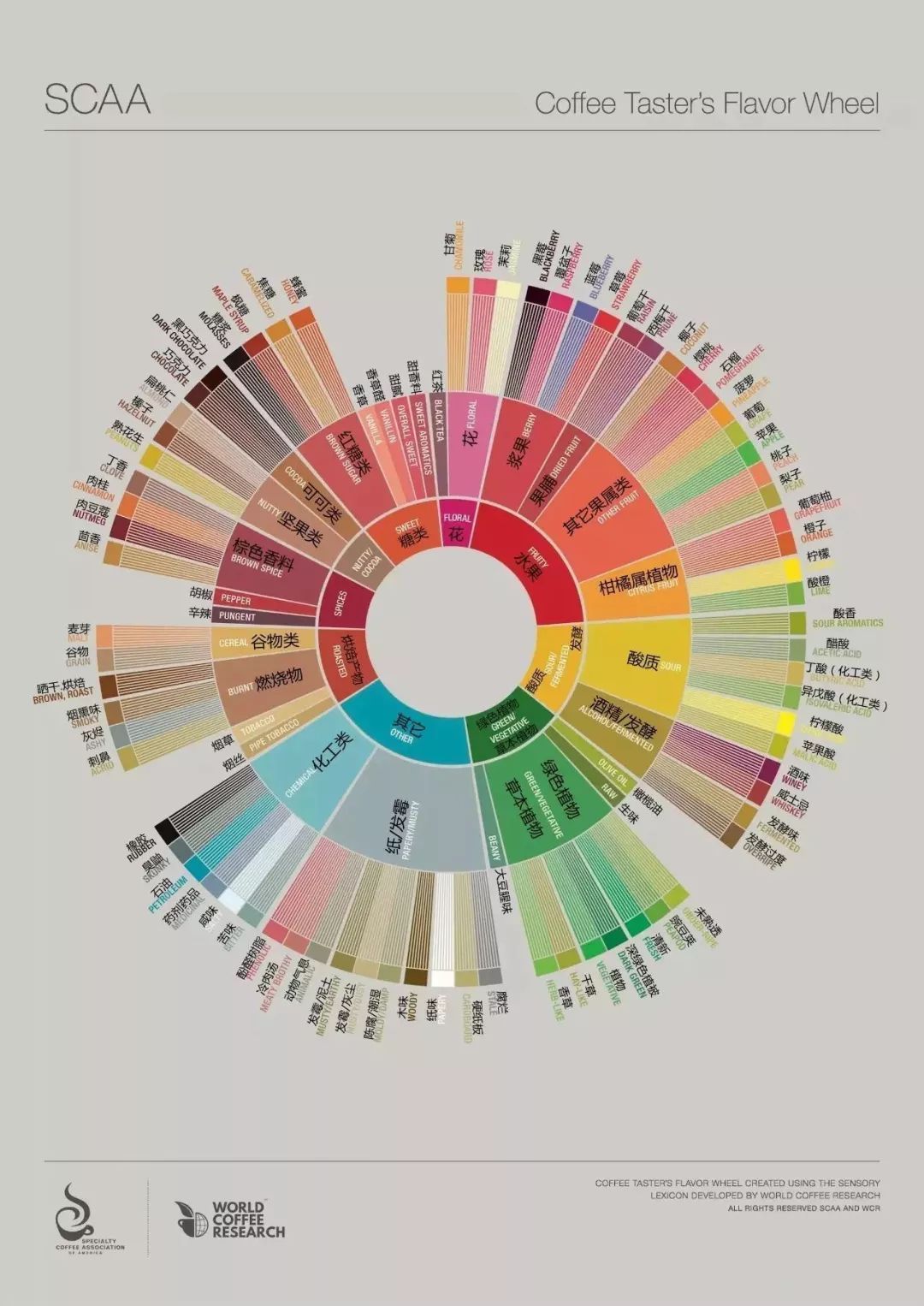
Cold brew has become one of the fastest-growing black coffee styles in this market, and the beans you choose matter. FrontStreet Strawberry Candy Gesha Blend combines a classic Panama Gesha with a Costa Rican honey-processed coffee: one supplies delicate rose and orange, the other adds grape, dried blueberry, and strawberry marshmallow sweetness. Brewed as cold brew it is bright and lively, and given a little time to ferment and settle it takes on a fruit-wine character.
If you prefer a floral, fruit-forward cold brew, reach for FrontStreet Natural Huakui. Grown in Ethiopia and naturally processed, the beans absorb plenty of sweetness from the fruit and skin; as cold brew it shows magnolia, cream strawberry, dried mango, guava, and black tea notes.
For a juicy, refreshing cup, FrontStreet Kenya Cherry Tomato is a washed Kenyan single origin from the Sika region at 1,550-1,750 meters, planted with the classic SL28 and SL34 varieties at AA TOP grade. Its signature 72-hour double washed processing brings out cherry tomato, dark plum, snow pear, and black plum, with bright, full acidity and very low bitterness — especially good poured over ice.
Important Notice :
FrontStreet Coffee is a long-established specialty coffee roaster in Guangzhou China, selling freshly roasted beans from its own farm in Yunnan as well as dozens of carefully selected single-origin beans from around the world for both pour-over and espresso. The products deliver consistently excellent quality and great value, with shipping within 24 hours. Guangzhou's FrontStreet Coffee shop is recommended by many coffee lovers, and the beans are now available online at the Tmall 。
FrontStreet Coffee has moved to a new address:
FrontStreet Coffee Address: 315,Donghua East Road,GuangZhou
Tel:020 38364473
 Scan and follow the En Gafei WeChat official account. Please indicate that the reprint comes from "En Gafei".