Mandheling Coffee Bean Flavor Characteristics and Taste Profile: Is Mandheling Bitter for Espresso and How to Drink It
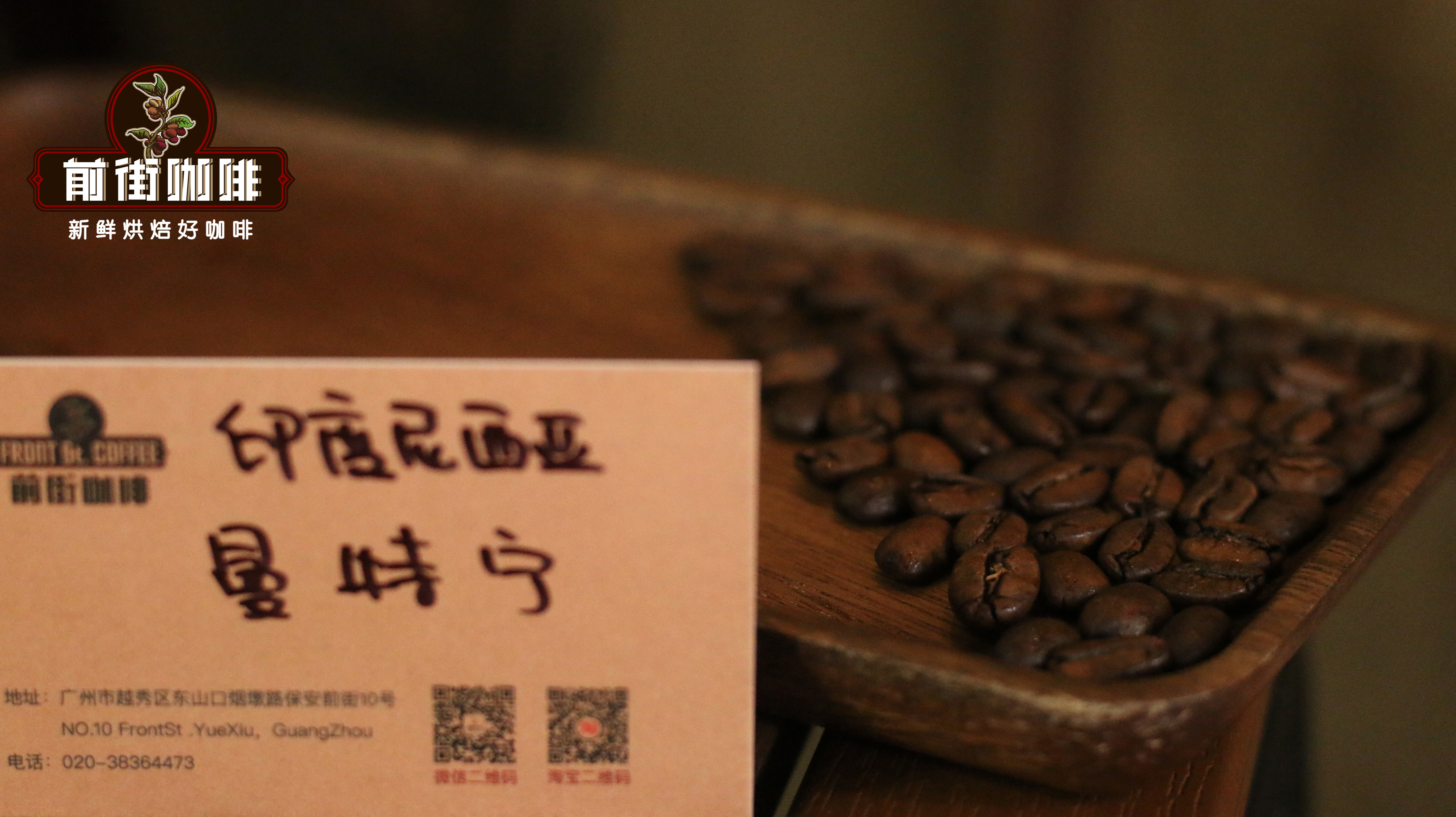
When it comes to coffee, FrontStreet Coffee believes every enthusiast keeps a place in their heart for Mandheling. FrontStreet Coffee's Mandheling is produced in Sumatra, Indonesia, and is also known as "Sumatra coffee." Its flavor is rich, fragrant, gently bitter and mellow, with low acidity. We believe Mandheling is not bitter in the traditional sense; rather, it has a mellow aroma like dark chocolate, and the rich sweetness in the aftertaste is quite intriguing. It suits medium to dark roasting: some enthusiasts enjoy it as a single origin, while Mandheling also frequently appears in espresso blends.
The origin of the name is also quite interesting, and FrontStreet Coffee is happy to share the story.
Mandheling is not a region name, place name, port name or coffee variety name, but a transliteration of the Indonesian Mandheling ethnic group. It became the name of a coffee during World War II, when Japan occupied Indonesia: a Japanese soldier drank an incredibly fragrant, mellow coffee in a cafe. When he asked the owner for the coffee's name, the owner mistook it for a question about where he was from and answered, "Mandheling." After the war, the soldier remembered the coffee he had drunk in Indonesia and commissioned an Indonesian coffee merchant to ship 15 tons to Japan, where it became surprisingly popular. The name spread from there, and that merchant was the renowned PWN coffee company.
Part of Mandheling's wide appeal comes from the third wave of specialty coffee, which has raised people's overall acceptance of coffee. Indonesian Mandheling, known for its herbal flavors and mellow body, initially drew controversial evaluations, but FrontStreet Coffee finds that plenty of people still love it.
By specialty-coffee standards, a coffee should be judged on four dimensions: altitude, variety, processing method, and cupping score (above 80 points). Mandheling, in fact, cannot reach 80 points in cupping. Some might use this to argue that Mandheling is not specialty coffee, but FrontStreet Coffee believes "specialty coffee" is simply a label that meets public evaluation standards - and for coffees with such prominent regional character, once market acceptance is high, whether it formally qualifies is no longer the important fact.
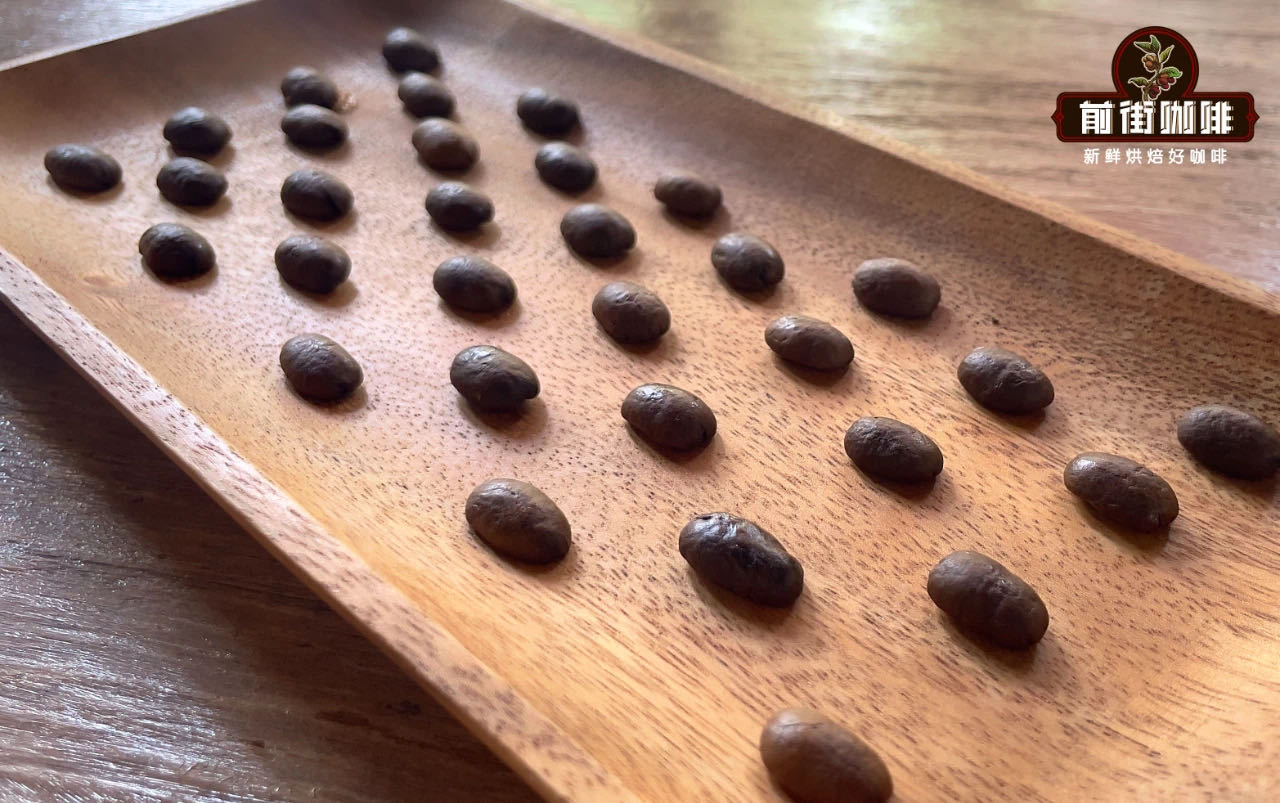
The reason FrontStreet Coffee keeps cupping laboriously and sourcing beans from different regions is to show that coffee is constantly changing, and so are people's tastes. Existing standards are just the foundation for understanding coffee; beyond them, you must form your own understanding - and that has always been the philosophy FrontStreet Coffee conveys.
The Wet-Hulled Processing Method
FrontStreet Coffee believes Mandheling's mellow flavor also owes much to its special processing: the wet-hulled method widely used in Indonesia. Most Mandheling uses this uniquely Sumatran approach.
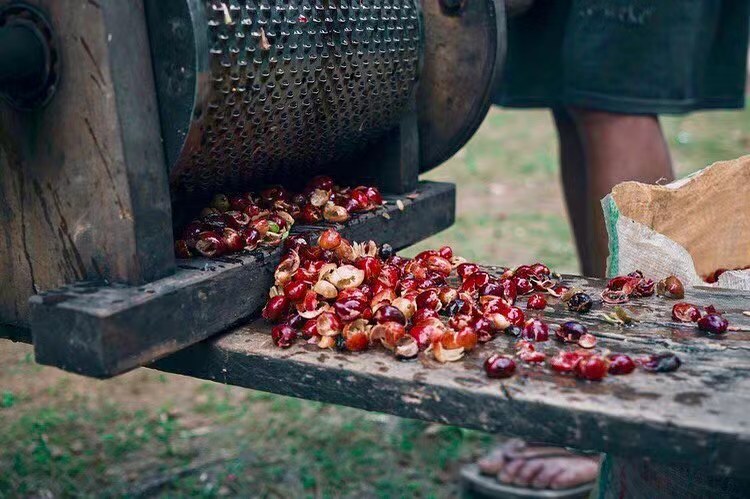
Because the local weather is mostly rainy with constant typhoons, the reliable sunshine needed for natural drying is impossible, and the local economy could not afford the more expensive washed method. This gave rise to wet-hulling, a method with strong regional character. Today Indonesia's coffee industry is no longer the impoverished scene it once was, and many estates and companies could switch to washed processing - yet wet-hulling has not been abandoned. FrontStreet Coffee believes this is because wet-hulling is precisely what made Mandheling known to the world: mention Mandheling and wet-hulling comes to mind. The two are inseparable.
The specific steps of wet-hulling fall into two stages:
First stage: a wooden peeler removes the skin and pulp; the beans ferment for 3 hours, then are dried until the moisture content drops to a semi-dry 30-50%.
Second stage: the mucilage and parchment layer are removed, and final drying continues for 2-4 days, bringing the moisture content down to 12-13%.
Besides conventional wet-hulling there is also an aged version: beans are first processed through ordinary wet-hulling, then sealed in warehouses for 2-3 years. The warehouse must be cool and ventilated, and the beans must be turned regularly to prevent mold and spoilage. During storage the acidity gradually weakens and converts into sugar content, and the color deepens to yellowish-brown or dark brown. This is the "aged Mandheling" often seen on coffee menus.
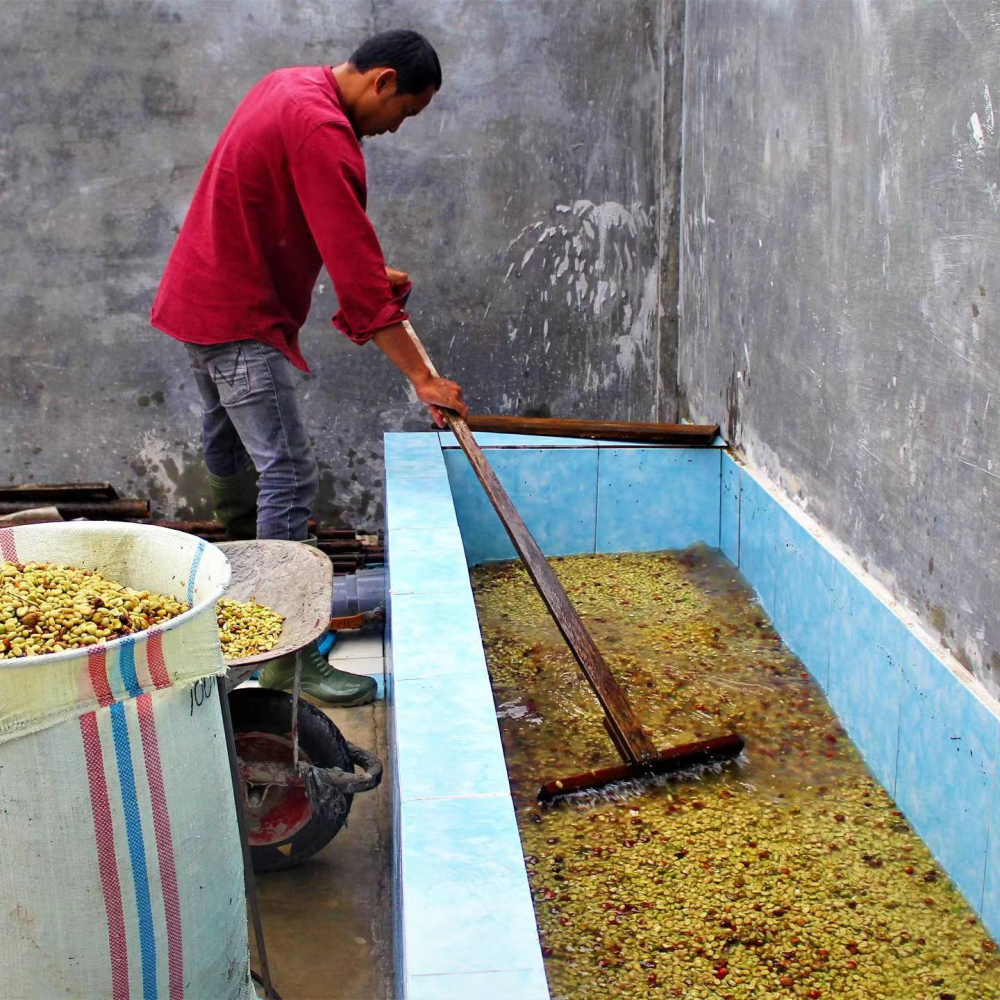
Wet-hulling creates Mandheling's special flavor, and the two are bound together. But today's coffee market is no longer satisfied with the status quo: even though wet-hulling is Mandheling's signature, estates do experiment with other methods - for example, FrontStreet Coffee's Wahana Estate Natural Mandheling uses the natural process.
Comparing Processing Methods
FrontStreet Coffee believes that natural processing amplifies a bean's inherent flavors, with rich body, intense flavors and sweet aromas; washed coffee shows more obvious acidity, better cleanliness, a medium mouthfeel, and the most consistent green bean quality; honey-processed beans offer good flavor with balanced acidity and sweetness, and like naturals, because they are sun-dried, the bean's inherent aroma is amplified with a rich, mellow character.
Whether natural or wet-hulled, each style has its own character, and enthusiasts can choose according to their own tastes.
FrontStreet Coffee's Five Mandheling Varieties
Next, FrontStreet Coffee introduces the five Mandheling coffees available in our stores, with their details and flavor characteristics.
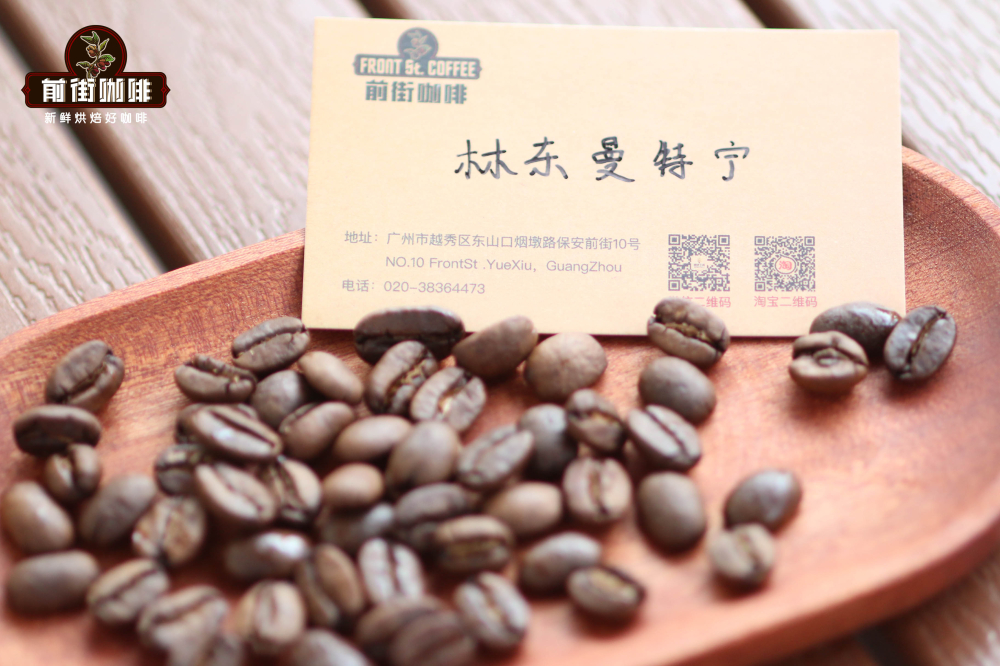
FrontStreet Coffee - Lintong Mandheling
Country: Indonesia
Region: Sumatra (Lintong)
Altitude: 1100-1600m
Variety: Typica, Caturra
Processing: Wet-hulled
Flavor: Toasted bread, nuts, caramel, pine, herbs
FrontStreet Coffee's Lintong Mandheling comes from the Lintong highlands of north-central Sumatra, near Lake Toba, and also uses conventional wet-hulling, which creates its low acidity and high body. One consequence of wet-hulling is that semi-hard, semi-soft moist green beans are easily crushed when the mucilage and parchment are removed; the injured beans crack open into a hoof shape, commonly known as "hoof beans." FrontStreet Coffee considers this a distinctive characteristic of Mandheling rather than a defect. That said, Lintong Mandheling does not receive the most rigorous screening, and imprecise processing can lead to some quality inconsistency - but this does not diminish the world's love for its mellow flavor.
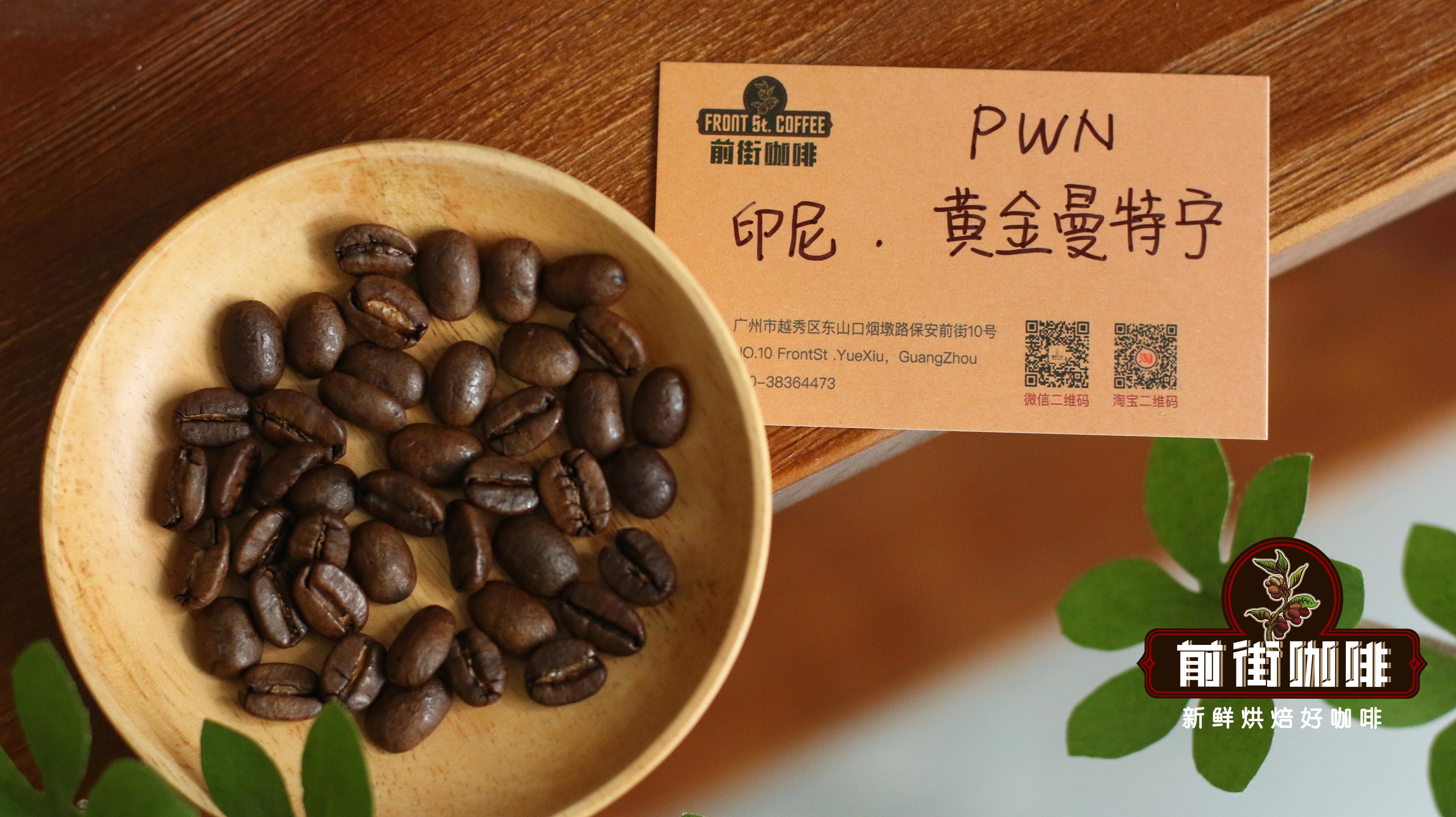
FrontStreet Coffee - PWN Golden Mandheling
Country: Indonesia
Region: Sumatra
Altitude: 1100-1600m
Variety: Typica
Processing: Wet-hulled
Flavor: Nuts, spices, herbs, licorice, chocolate, caramel; clean and mellow
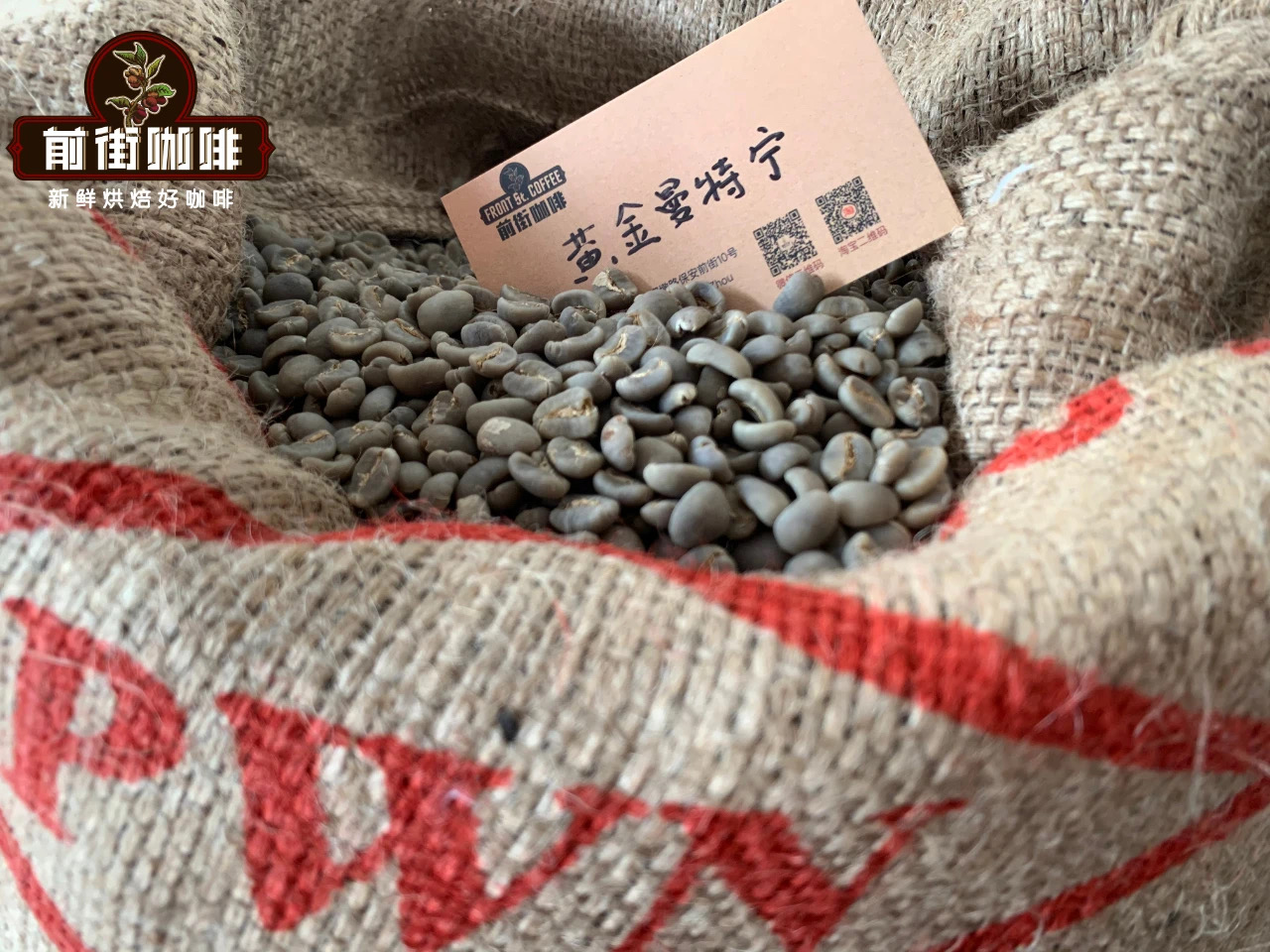
FrontStreet Coffee's PWN Golden Mandheling comes from Lake Tawar in the Gayo Mountains of northwestern Sumatra. Since discovering Mandheling, the Japanese have paid close attention to this bean, and in cooperating with local green-bean merchants they established strict screening systems. After processing, the beans undergo density and color sorting followed by four rounds of manual selection, producing Golden Mandheling with uniform color and consistent bean shape. It is said that when the processed green beans are viewed in sunlight, they glow with a golden sheen - hence the name Golden Mandheling.
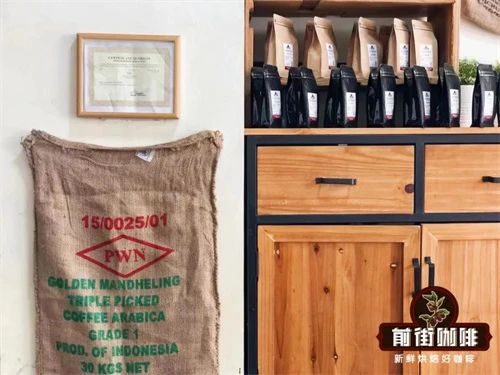
Yet it was not a Japanese company that registered the Golden Mandheling trademark, but the local Indonesian company PWN, which cooperated early with Japanese firms to export Mandheling; the Japanese side registered "Gold Top Mandheling." FrontStreet Coffee believes PWN's Golden Mandheling and Japan's Gold Top Mandheling differ little in flavor - with different brands and marketing, opinions may differ, but which is superior is a matter of personal preference.
FrontStreet Coffee's PWN Golden Mandheling is screen size 18 or above, with fewer than 3 defective beans per 300g green bean sample - the highest G1 grade - with a color leaning dark green and a regular, flat bean shape. After such strict screening, FrontStreet Coffee found that this Golden Mandheling lacks the earthy impurity flavors common to ordinary Mandheling and tastes cleaner and brighter, with stronger sweetness.
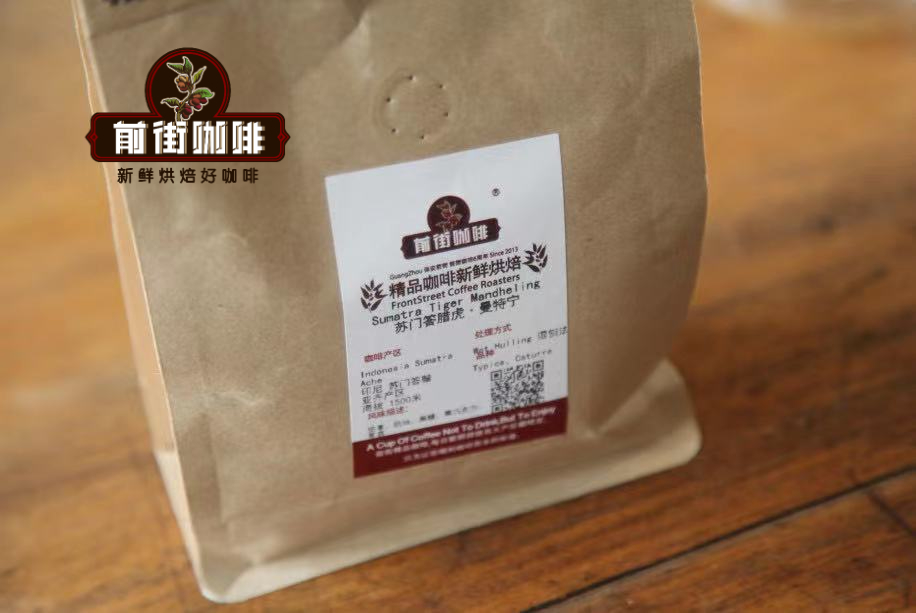
FrontStreet Coffee - Tiger Mandheling
Country: Indonesia
Region: Sumatra
Altitude: 1500m
Variety: Caturra, Typica, Sidikalong
Processing: Wet-hulled
Flavor: Cream, dark chocolate, nuts, balanced flavor
Tiger Mandheling uses extremely rare AA grade beans, screen size 19 or above. According to FrontStreet Coffee's understanding, the name comes from the tiger itself: tigers have several subspecies - Siberian, Bengal, Sumatran and Indochinese - and the Sumatran tiger is the only tiger that lives exclusively on islands. So some call this rare and precious Mandheling "Sumatran Tiger Mandheling," or simply "Tiger Mandheling." There is another theory: a "Tiger Estate" in Sumatra specializes in producing Sumatran Mandheling, and batches specially selected by the estate are named "Tiger Mandheling."
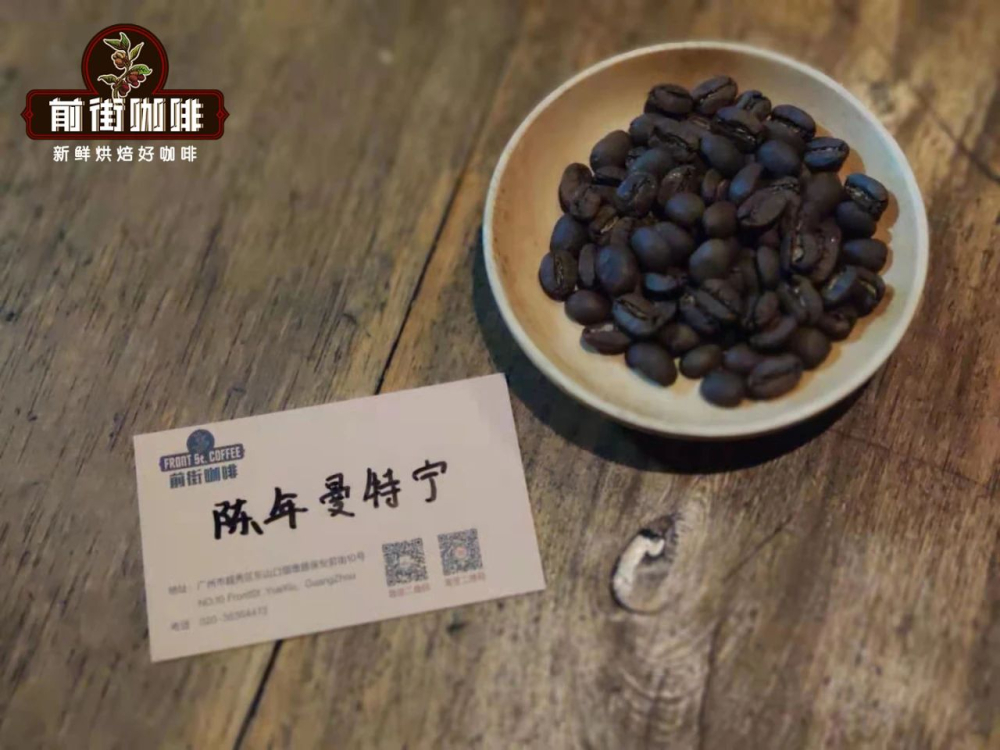
FrontStreet Coffee - Aged Mandheling
Country: Indonesia
Region: Sumatra
Altitude: 1500m
Variety: Caturra, Catuai
Processing: Wet-hulled
Flavor: Ripe pu-erh, caramel, herbs, chocolate, lower acidity
When enthusiasts hear "aged coffee beans," they might take it literally as green beans stored for a long time - which would be wrong, since green beans stored carelessly will simply spoil, turning from fresh green to white to yellow, becoming tasteless and even attracting insects. A true aged Mandheling, like aged wine, requires proper processing and controlled long-term storage.
Aged Mandheling has a historical origin. Indonesia was once a Dutch colony, and during the colonial period it continuously supplied coffee beans to Europe. To ensure supply, beans were stored - but with long transport distances and the erosion of sea winds, by the time the beans reached Europe they had developed a different flavor. This was the origin of the aged profile. Fortunately, the European colonists were amazed by this flavor and quickly accepted and promoted the method.
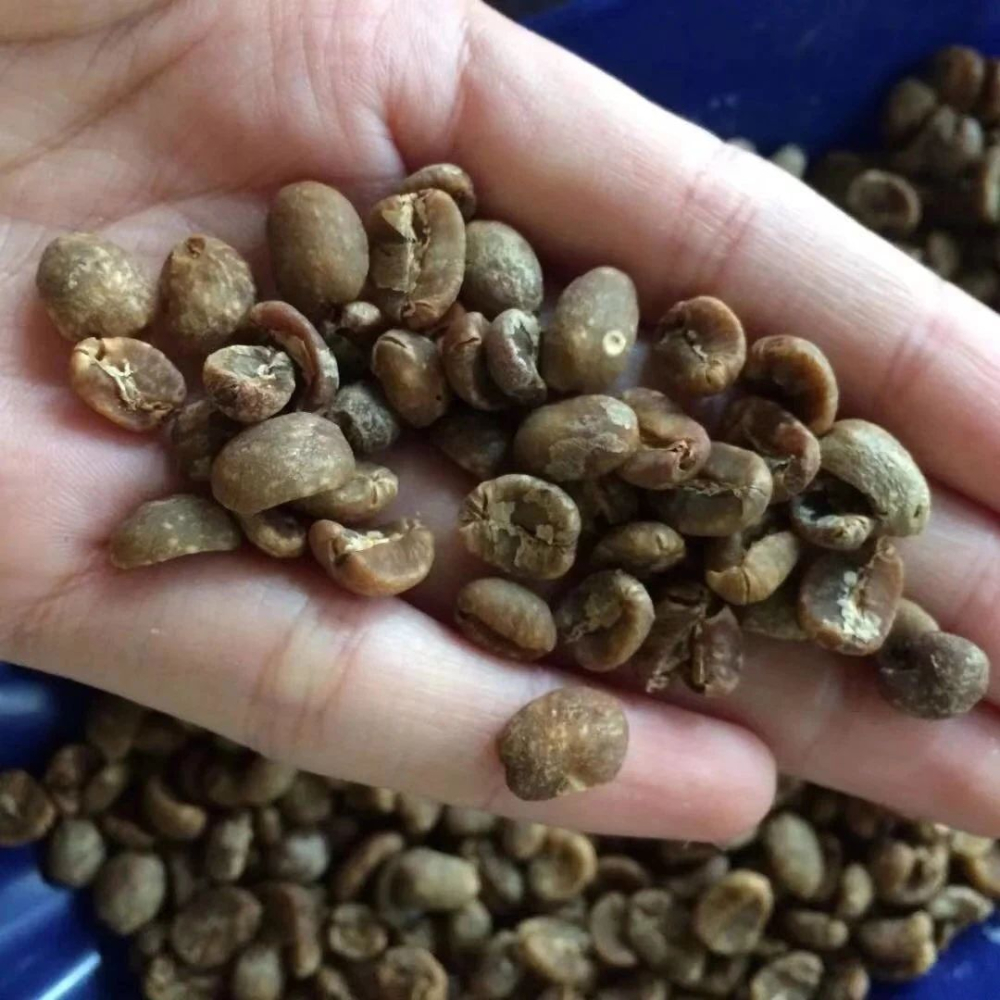
Today the aging process is quite mature. Beans are first wet-hulled - sun-dried in parchment for 2-3 days down to 20-24% moisture, then hulled and dried to 12-13% - and then sealed in warehouses. The warehouse must be cool and ventilated, beans are turned regularly to prevent mold, and storage lasts 2-3 years. Over this period the acidity gradually weakens and converts to sugar content, and the color deepens to yellowish-brown or dark brown, making aged Mandheling easy to recognize. This special processing gives it a rounder, deeper flavor, intoxicating like pu-erh tea.
Flavor Comparison and Brewing Recommendations
Brewed with identical parameters, FrontStreet Coffee arrived at the following flavor notes for these five Mandhelings, offered here for reference.
[FrontStreet Coffee PWN Golden Mandheling]: Multi-layered, mellow and clean, high balance, rich nut and caramel aromas with chocolate notes and a persistent aftertaste.
[FrontStreet Coffee Lintong Mandheling]: Herbal flavor on entry, dark chocolate, caramel, sweet finish.
[FrontStreet Coffee Aged Mandheling]: Woody, malt and caramel aromas greet you; the mouthfeel lacks the wildness of traditional Mandheling, with more mellowness and finesse - a mature, composed cup with lower acidity and flavors of ripe pu-erh, caramel, herbs and chocolate, full of sweetness.
[FrontStreet Coffee Wahana Estate Natural Mandheling]: Tropical fruit sweetness and acidity on entry, obvious fermentation aroma, smooth mouthfeel.
[FrontStreet Coffee Tiger Mandheling]: Relatively balanced mouthfeel with distinct cream, dark chocolate and nut flavors.
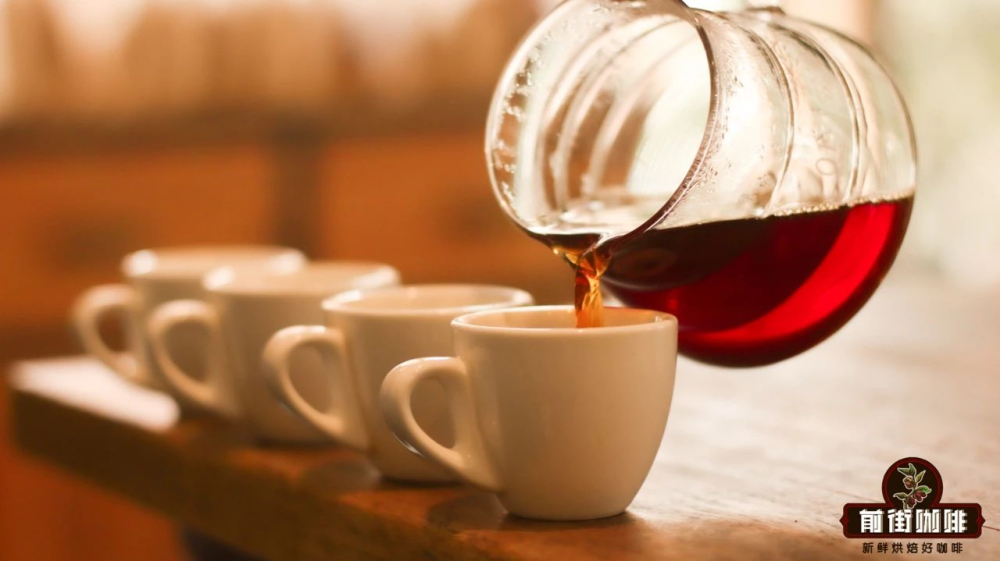
Is Mandheling Too Bitter for Espresso?
Mandheling is sometimes blended into espresso - so would using it straight as espresso be too bitter?
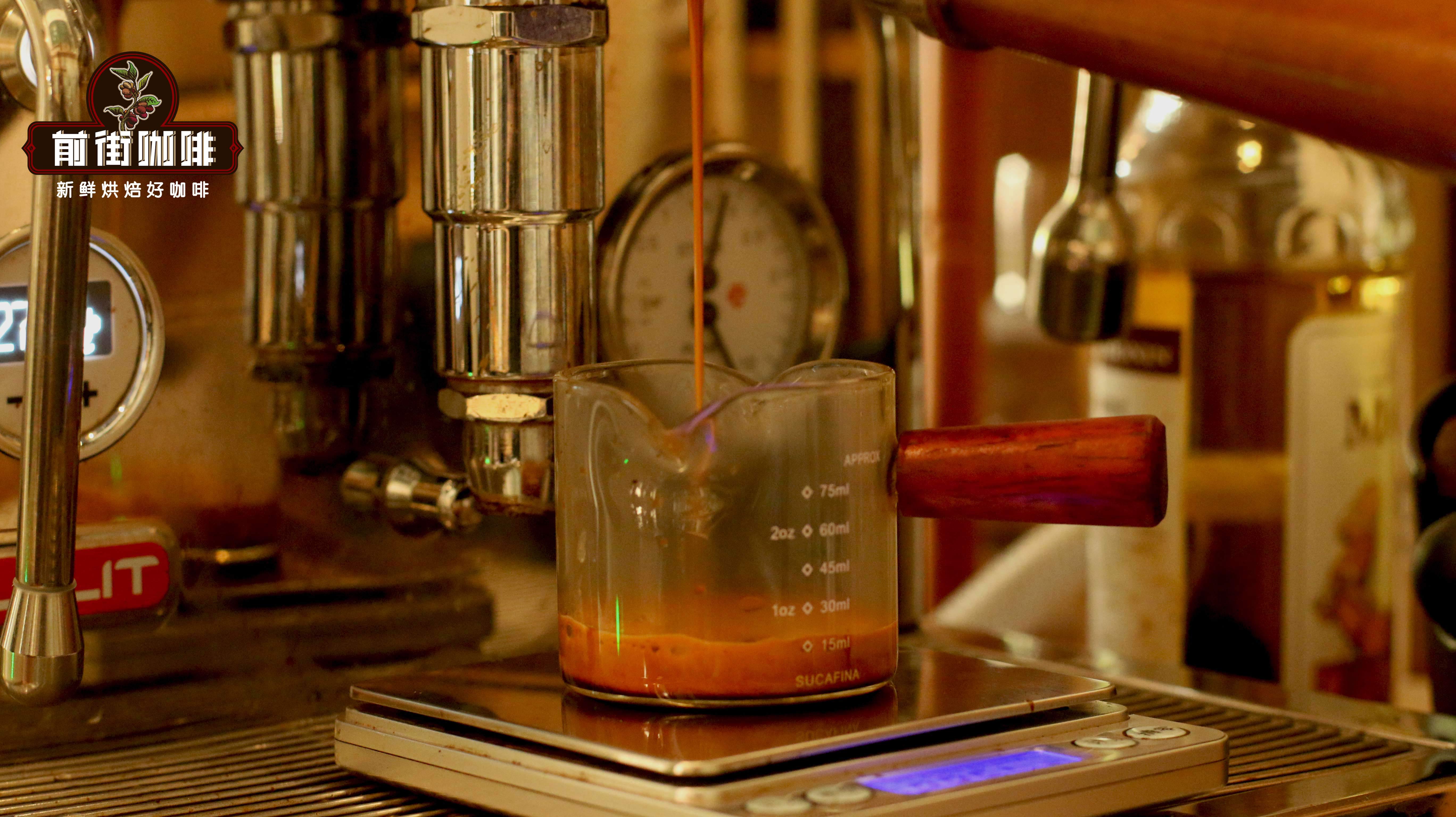
To answer, we need to start with what espresso is. The foundation of espresso is the Espresso shot, extracted by an espresso machine at high temperature (generally 92 degrees) and high pressure (generally 9 bar). Espresso can be combined with milk, water, syrup and more to become other coffee drinks.
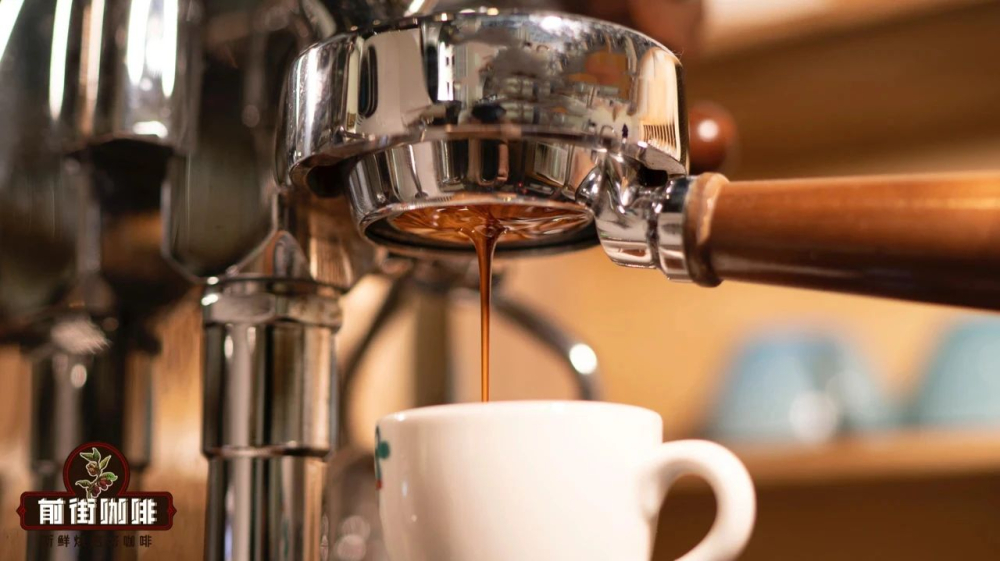
Because of the different extraction method, a layer of crema forms on the surface, giving it a thicker texture than drip coffee. It also contains more dissolved solids per unit volume, so the flavor is more concentrated - and yes, it will be bitter! Beyond the beans themselves, the brewing ratio affects overall flavor. Generally the ratio falls between 1:1.5 and 1:2.5, with 1:2 most common. Too low a ratio makes the coffee very heavy and prone to over-extracted bitterness; too high a ratio makes the taste flat or sharply acidic.
Extraction time also matters. Generally an espresso extraction runs about 20-30 seconds: longer leads to over-extraction, shorter to under-extraction. Extraction time is closely tied to grind size - the coarser the grounds, the looser the puck, the faster the water flows through, and the shorter the time, leading to under-extraction.
Brewing Recommendations:
FrontStreet Coffee recommends the following parameters for pour-over Mandheling: Kono dripper, 86°C water, 15g coffee dose, 1:15 coffee-to-water ratio, and a grind of BG #6K (70-75% pass rate on the Chinese standard #20 sieve).
We chose the Kono dripper because the V60's flow rate is too fast, and at lower water temperatures it easily under-extracts. The Kono has few ribs, located at the bottom, and the filter paper fits tightly against the dripper wall, restricting airflow, extending contact time between water and grounds, fully extracting the coffee and enhancing the mellow mouthfeel.
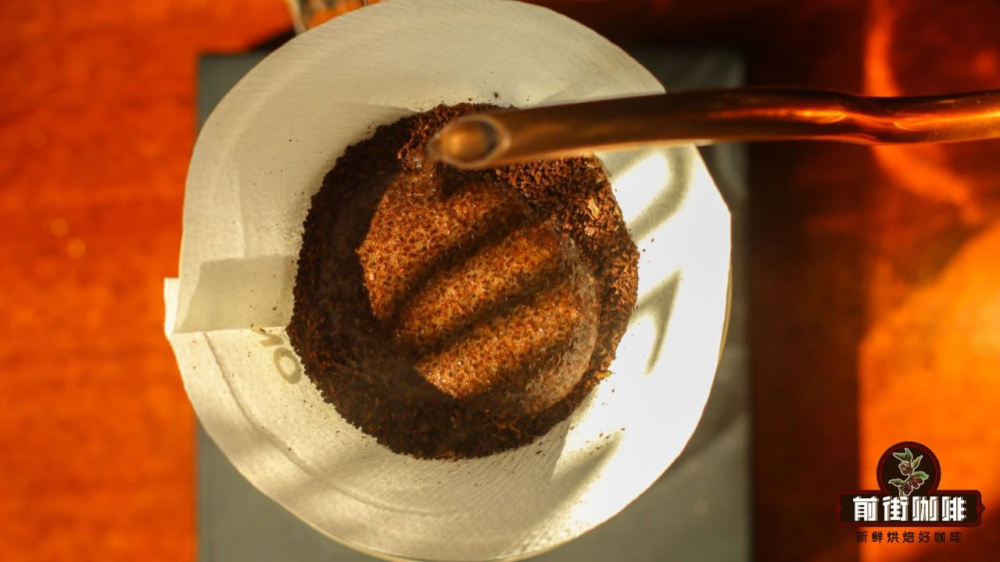
For pouring, FrontStreet Coffee uses segmented extraction: 30g of water for a 30-second bloom, then small circular pours up to 125g, continuing to 225g; when the water level is about to expose the coffee bed, stop pouring, and once the bed is nearly exposed again, remove the dripper (timing starts from the bloom). Total extraction time is 2'00".
FrontStreet Coffee Recommendation
Of the five, the PWN Golden Mandheling is the one we most recommend for showing off what Mandheling can be: hand-selected repeatedly to a near-zero defect rate and medium-dark roasted, it pours a black coffee with a clean mouthfeel, full body, rich roasted aromas and none of the harshness that puts people off sour or bitter coffee. For pour-over, use 87-88°C water, 15g of coffee at a 1:15 ratio, a coarse-sugar grind, and a three-pour method: a 30ml bloom to wet the grounds and degas, 100ml to lift the bed and draw out the golden crema, then a gentle center pour of 95ml to heighten sweetness - yielding a thick, mellow body with caramel sweetness, chocolate and nuts.
If you fall for Mandheling and want it in espresso drinks too, FrontStreet Coffee's classic blend - the shop's most-repurchased bean - layers medium-dark Mandheling over Brazil's creamy nut base, standing out with butter, roasted chestnut and caramel, while a touch of Robusta enriches the crema. It makes latte art effortless and layers a Dirty beautifully, all while carrying Mandheling's unique sandalwood, herbal and spice aromas.
Important Notice :
FrontStreet Coffee is a long-established specialty coffee roaster in Guangzhou China, selling freshly roasted beans from its own farm in Yunnan as well as dozens of carefully selected single-origin beans from around the world for both pour-over and espresso. The products deliver consistently excellent quality and great value, with shipping within 24 hours. Guangzhou's FrontStreet Coffee shop is recommended by many coffee lovers, and the beans are now available online at the Tmall 。
FrontStreet Coffee has moved to a new address:
FrontStreet Coffee Address: 315,Donghua East Road,GuangZhou
Tel:020 38364473
 Scan and follow the En Gafei WeChat official account. Please indicate that the reprint comes from "En Gafei".