African Coffee Bean Brand Recommendations - How Much Does Ethiopian Coffee from African Regions Cost per Pack
For professional coffee knowledge exchange and more information on coffee beans, follow Coffee Workshop for regular updates.
Ethiopian Coffee Heritage
The wild coffee trees native to Ethiopia are the ancestors of every Arabica coffee bean in the world. Ethiopian coffee is highland coffee, carefully cultivated by hand. Longberry Harrar, similar to Mocha, is often used as a substitute for Mocha and is also known as Ethiopian Mocha. It features high acidity, a rich wine-like flavor, a mild yet intense taste, high yield, and a pleasant aroma. Regular Ethiopian beans, by contrast, have a neutral flavor profile and rank below Ethiopian Mocha in grade, with various drawbacks. A large area of southwestern Ethiopia still grows wild Arabica trees, with beans harvested directly from the ground, in regions including Djimma, Sidamo, and Kaffa. In recent years producers have begun focusing on improving harvesting and processing methods, and the coffee industry has expanded, though beans from wild trees are still processed with wooden mortars and other primitive methods. Some believe the name "coffee" comes from Kaffa, the native habitat of the coffee tree. All the legends and anecdotes about coffee's discovery center on Ethiopia. People initially did not view coffee as a beverage but as food: the nomadic Gallas would roast the beans, grind them into powder, mix them with butter, and shape the mix into hard round balls as travel food. Because coffee was an important export from Yemen's Mocha port in its early days, however, some mistakenly believed Mocha was coffee's native habitat.
Ethiopian Coffee Varieties
Mocha gets its name from Yemen's former Mocha port and is known for long berries, soft flesh, and wine aroma, typically light roasted. Harrar Mocha has a unique fragrance and acidity and is a light roast. Yirgacheffe grows on high mountains at high latitude and features wine-like acidity and a rich aroma, belonging to the light-to-medium roast range. Ethiopia grades coffee by the percentage of defective beans, from No. 1 to No. 8.
African Coffee Bean Recommendations
FrontStreet Coffee's roasted African beans - including Ethiopian, Kenyan, and Burundian varieties - offer excellent brand and quality assurance. Just as important, they provide exceptional value: a half-pound (227g) package costs only around 80-90 RMB. At 15g per pour-over, one package makes 15 cups, so each single-origin cup costs only about 6 RMB. Compared with cafes selling coffee for dozens of RMB per cup, that is extremely high value.
FrontStreet Coffee is a Guangzhou roastery with a small storefront but a wide variety of beans, offering both famous and lesser-known coffees, along with online shop service.
FrontStreet Coffee Recommendation
If you want to explore Ethiopian coffee, the classic first step is FrontStreet Washed Yirgacheffe, known for white jasmine, bright citrus and lemon acidity, and a tea-like body; its friendly price has made it a first stop into specialty coffee for many drinkers. Yirgacheffe is a town in the Sidamo zone of southern Ethiopia at roughly 1,700-2,100 meters, with the coffee trees planted above 1,800 meters, which makes it one of the highest coffee regions in the world. Because the Yirgacheffe name became so well known, in 2010 the Ethiopian Commodity Exchange finally separated it from the Sidamo region.
Within the town there are many small areas and villages, several of them home to experienced cooperatives with mature processing. The best known is the FrontStreet Washed Gedingding Cooperative in Gedingding village, in the Worka area at the southeast edge of Yirgacheffe. It was originally part of the Worka cooperative under the YCFCU union and was later carved out as a single origin as drinkers sought more traceability. It follows the most traditional washed method and has been called Yirgacheffe's last pure land; with no traditional bitterness, it delivers clean, bright citrus and lemon acidity along with jasmine fragrance.
For a fruitier take on the same region, FrontStreet Sun-Dried Red Cherry uses only fully ripe red cherries. The cherries are hand-sorted, then dried on raised beds and turned every 2-3 hours in the first few days to prevent uneven heating and over-fermentation. After three to five weeks of drying, the outer fruit is removed by machine and the beans are stored. Because the fruit dries with the bean, the cup keeps classic Yirgacheffe character while adding the tropical fruit of a natural process: citrus-like acidity, berry juice, honey sweetness, and a creamy smoothness.
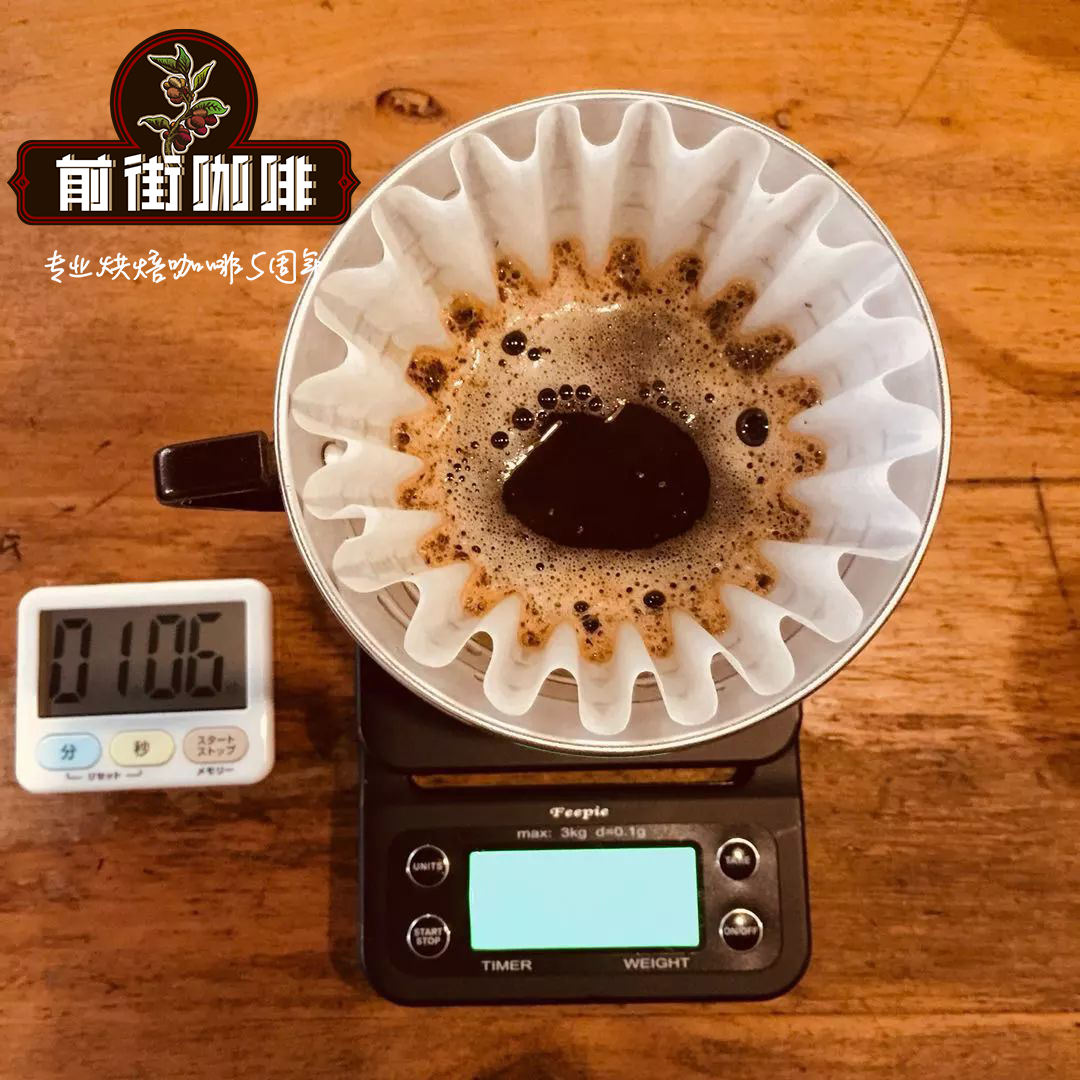
For brewing, FrontStreet suggests a V60 dripper at 90-91°C, 15g of coffee, a 1:15 ratio, and a grind of EK43s setting 10 or fine-sugar size (80% through a No. 20 sieve). Brew in stages: pour 30g of water for a 30-second bloom, then pour 95g (about 125g on the scale), finishing around 1 minute. When the water drops to about two-thirds of the bed, pour the remaining 100g (about 225g on the scale), finishing around 1 minute 35 seconds. The brew should drain in about 2:00 to 2:10, after which you remove the dripper and the extraction is complete.
Important Notice :
FrontStreet Coffee is a long-established specialty coffee roaster in Guangzhou China, selling freshly roasted beans from its own farm in Yunnan as well as dozens of carefully selected single-origin beans from around the world for both pour-over and espresso. The products deliver consistently excellent quality and great value, with shipping within 24 hours. Guangzhou's FrontStreet Coffee shop is recommended by many coffee lovers, and the beans are now available online at the Tmall 。
FrontStreet Coffee has moved to a new address:
FrontStreet Coffee Address: 315,Donghua East Road,GuangZhou
Tel:020 38364473
 Scan and follow the En Gafei WeChat official account. Please indicate that the reprint comes from "En Gafei".