Lake Palhu, Guatemala | Finca La Providencia Huehuetenango, Unique Fruity Guatemala Coffee
Guatemala Huehuetenango Finca La Providencia Palhu
Lake-touched highlands, sandy volcanic limestone soil, and three generations of family stewardship — this is the story behind one of Guatemala's most distinctive washed coffees.
Coffee Information
Name: Guatemala Huehuetenango Finca La Providencia Palhu
Country: Guatemala
Grade: SHB
Region: Huehuetenango
Estate: Finca La Providencia PALHU
Varieties: Bourbon, Caturra, Mundo Novo
Altitude: Average 1550 meters
Grade: European Standard Washed Strictly Hard Bean SHB
Harvest Period: October to February of the following year
Processing Method: Washed
Estate: Finca La Providencia Palhu
Flavor Notes: Fruity flavors, nuts, stone fruit notes, orange peel
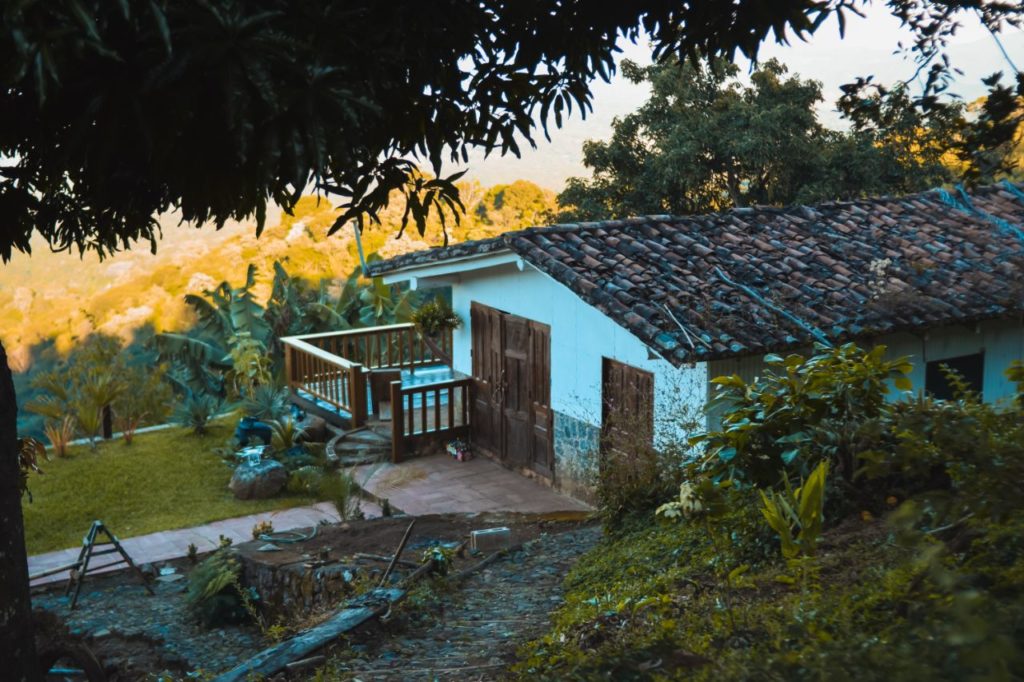
Guatemala Coffee History
In 1750, Jesuit priests introduced coffee trees to Guatemala. By the late 19th century, German colonists had developed the coffee industry in this region.
Most small-scale producers are descendants of the Mayan people, and today the majority of the country's coffee production takes place in the south.
The slopes of the Sierra Madre volcano provide ideal conditions for growing premium coffee beans.
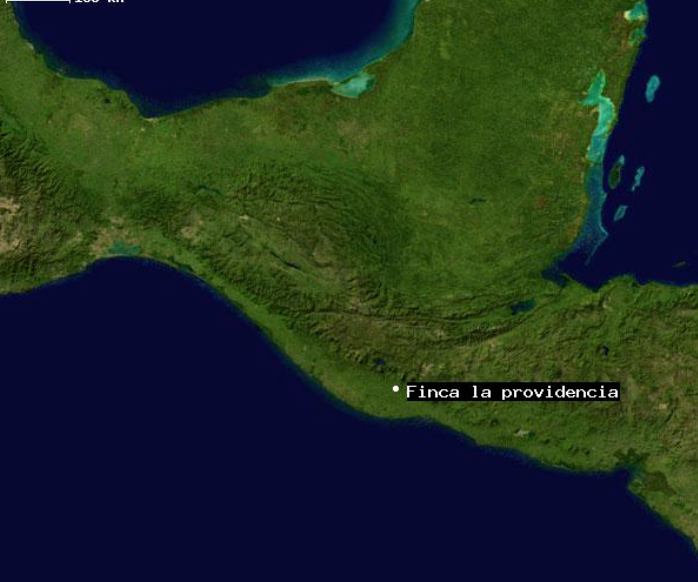
Finca La Providencia Estate
Huehuetenango Region Introduction
Guatemala sits on the Central American isthmus, a landscape of high mountains and volcanic plateaus. It is the world's ninth largest coffee producer and grows Central America's high-altitude, strictly hard beans. The country divides into eight major coffee regions: Antigua, Acatenango, Atitlán, San Marcos, Nuevo Oriente, Cobán, Fraijanes, and Huehuetenango. Among them, Huehuetenango in the north stands apart for its unique sandy limestone soil — unlike the volcanic soil common elsewhere in Guatemala. That difference gives Huehuetenango coffee its fruity, nutty aroma, distinct layered complexity, and subtle mineral notes.
Huehuetenango ranks among the finest specialty coffee regions in Central and South America, largely because of its geography: fertile soil, abundant rainfall, continuous high mountain ranges reaching 2,000 meters, steep slopes, and special valley topography. Each area carries unique and diverse natural resources that create varied microclimates — which is why coffees from different estates there taste so vastly different.
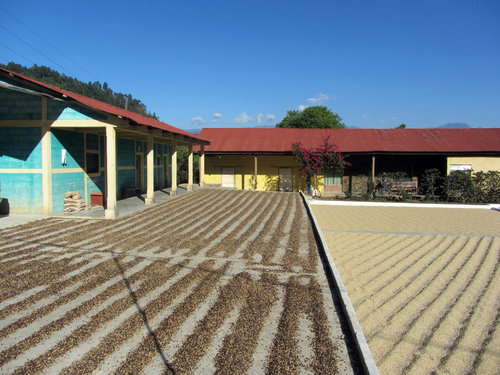
Guatemalan coffee is highly regarded for its rich flavor profile and cupping results. The country has many uniquely advantageous growing regions, and most high-altitude coffee is washed-processed, showing good fruit acidity and complexity. Antigua and Huehuetenango produce the country's superior lots. Huehuetenango coffee comes from the northern highlands, and its unique fruit character makes it unmistakable next to other coffees: at a medium roast it displays subtle caramel notes with gentle sweetness.
While its first impression may not hit as hard as Kenyan coffee, as the cup cools its subtle lemon-peel fragrance grows more refined and lifts the whole flavor. Guatemala's classification system divides coffee into seven grades by altitude, with beans grown at higher elevations (SHB, 1,300 meters and above) offering the most aromatic and mellow cups. The PALHU estate lies in the mountainous Huehuetenango region of northwestern Guatemala, an area famous for high-quality specialty coffee; its ranges are among the highest in Central America, and combined with the volcanic rock soil, they have made the region a consistent winner in Guatemala's Cup of Excellence (COE) competitions.
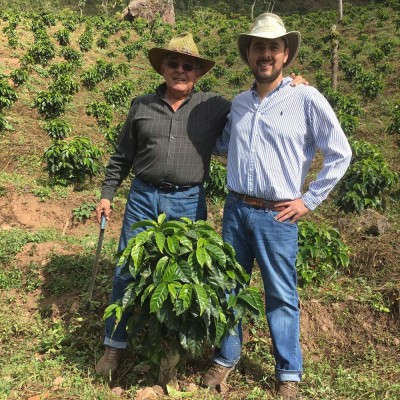
Huehuetenango
Finca La Providencia is owned by the Anzueto family and has now passed to the third generation, managed by Maximiliano Palacios (Max). The family owns two estates, both in Huehuetenango: Finca La Providencia, and Finca La Providencia Palhu — "Palhu" being a combination of the Palacios family name and Huehuetenango.
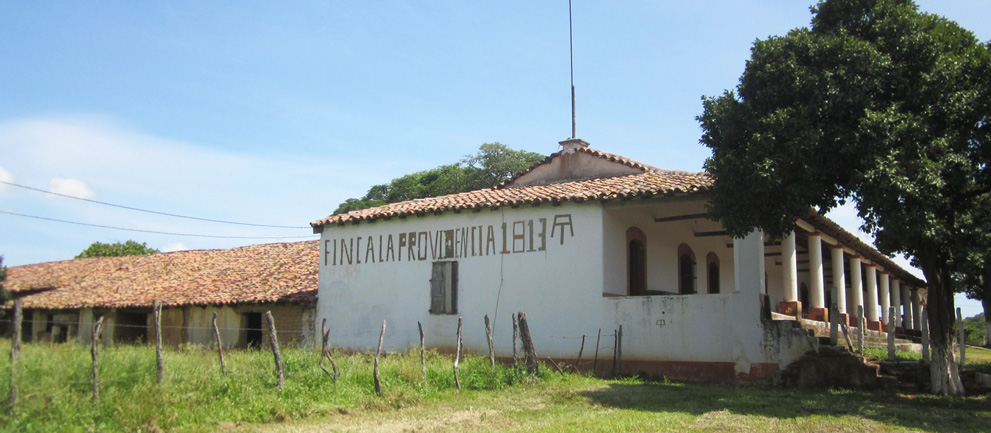
Finca La Providencia Palhu
This lot of Huehuetenango highland Finca La Providencia Palhu 1550M washed coffee is distinctive because it grows in sandy volcanic limestone soil. High altitude, fertile soil, a rich ecosystem, clean water sources, and human care together shape its famous, unmistakable style.
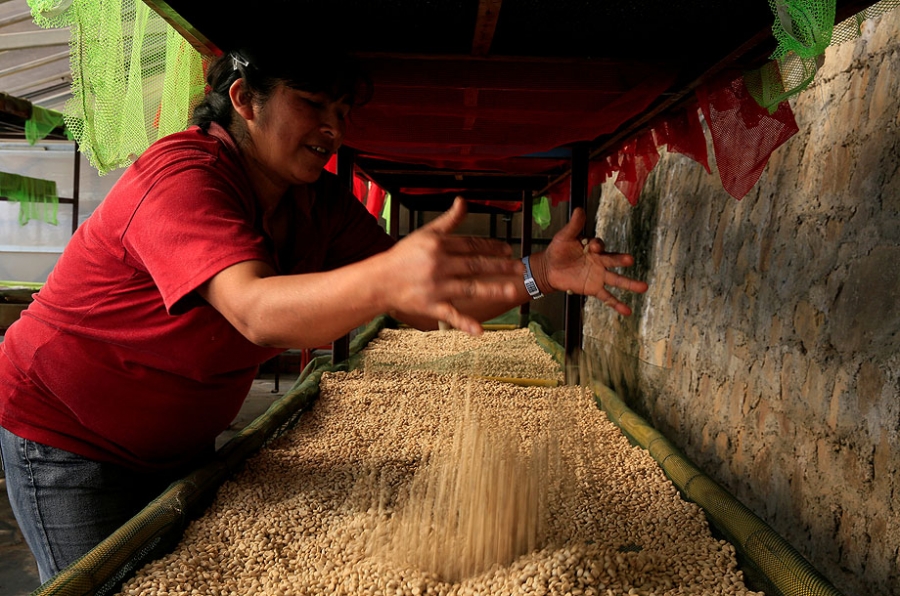
All of those elements — the towering Central American ranges, the volcanic rock soil, the COE-winning track record of the region — converge in this washed 1550M lot, making it a genuine representative of excellent Huehuetenango coffee.
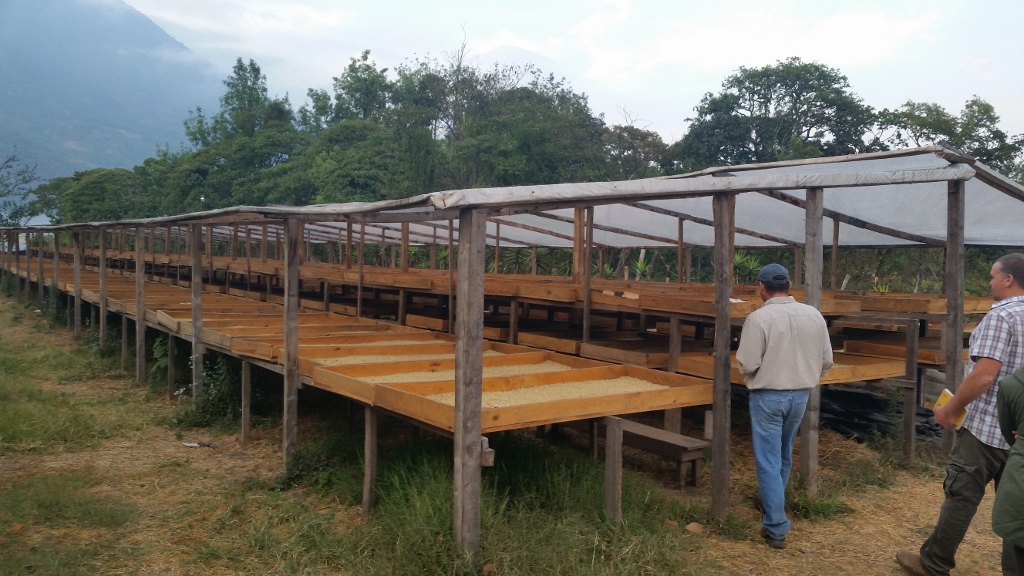
Cupping Report
Roasted walnuts, cane sugar, peaches, cherries, dark chocolate, orange peel, citrus, with balanced sweet and sour notes.
Brewing Guidelines
For a single serving, use approximately 15 grams of coffee grounds and 225g of hot water.
Stop the filtration before the last drop is extracted, leaving some liquid in the filter (if all liquid drips through, there may be unpleasant flavors or impurities).
Brewing Method
- Fold the filter paper along the seam and place it in the dripper.
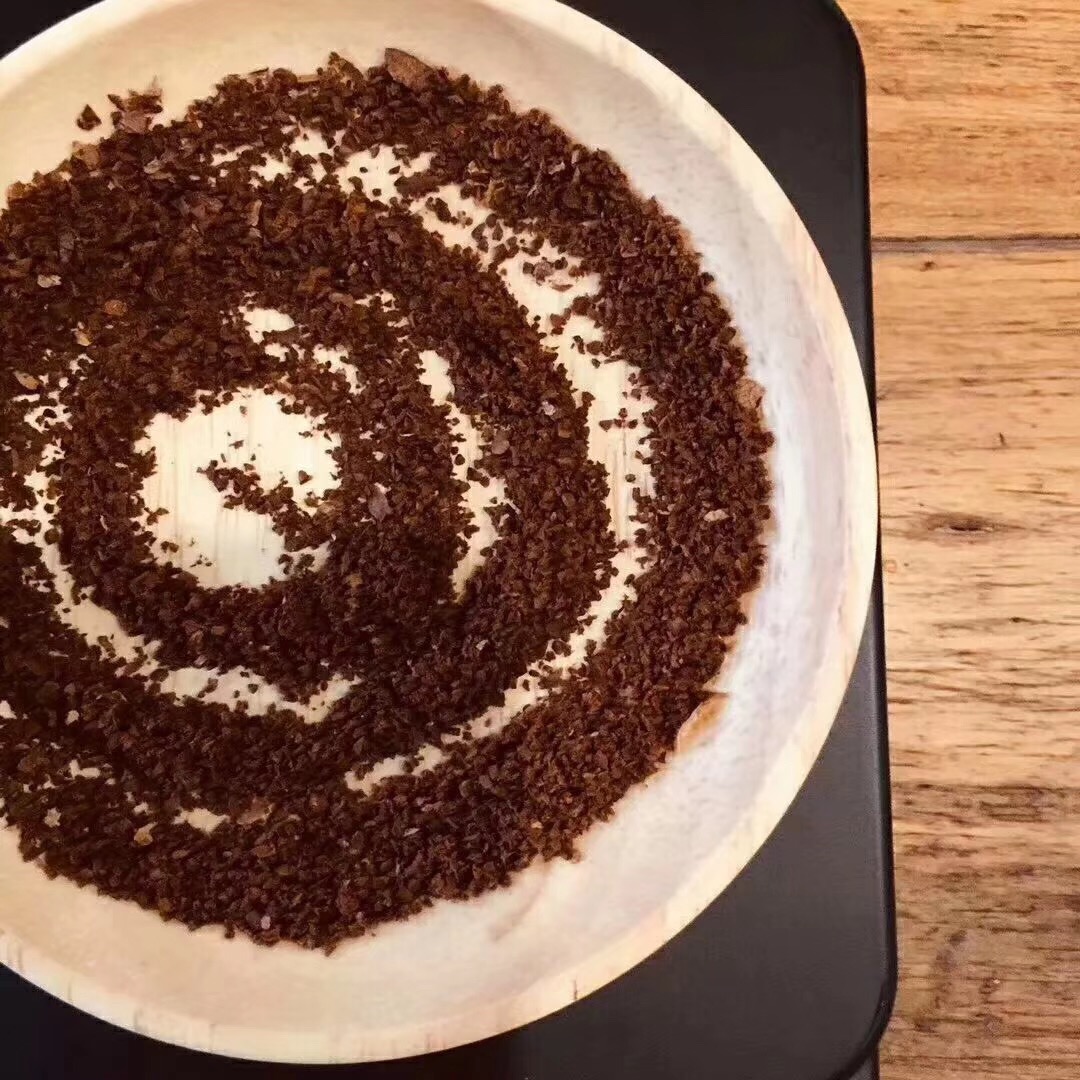
- Using a measuring spoon, pour medium-ground coffee into the dripper, then tap gently to create a flat surface.
- Boil water in a kettle, then pour it into a narrow-spouted kettle. From the center point, gently and steadily pour hot water (temperature approximately 89-90°C) in a slow spiral motion until the water permeates and covers all the coffee grounds. Be sure to pour slowly.
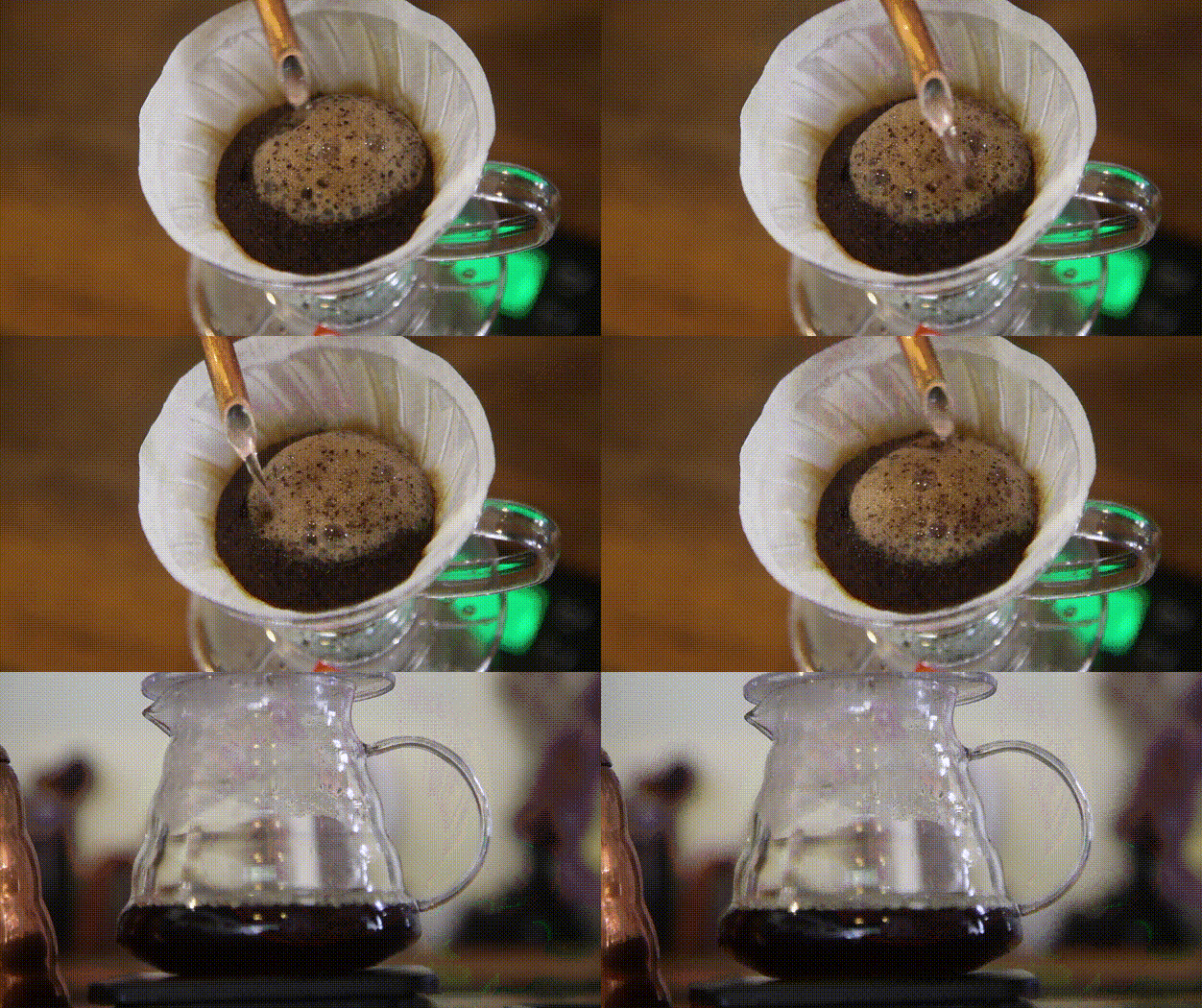
- To extract the delicious components, let the bloomed coffee grounds steam for a while (about thirty seconds).
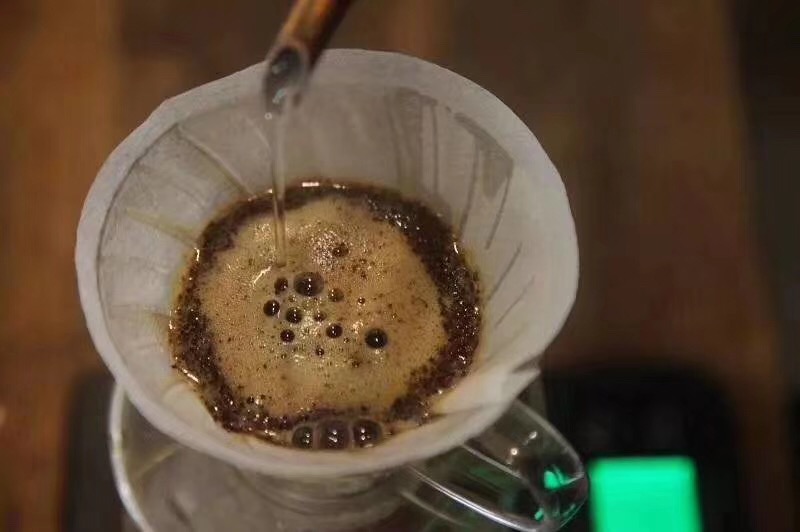
- For the second pour, slowly pour water over the surface of the coffee grounds. The amount of water poured must match the amount of coffee extracted, keeping the water level in the filter paper consistent.
- When the extracted liquid reaches the desired amount for the number of servings, stop and discard the filter paper with the remaining water inside.
Guatemala Coffee Brewing Parameters
For hand-pouring Guatemala coffee: Use 15g of coffee, ground to medium-fine consistency (Fuji Royal grinder with ghost teeth at setting 3.5), V60 dripper, water temperature 89-90°C. First pour 30g of water and let it bloom for 27 seconds. Continue pouring until reaching 105g, then stop and wait until the water level in the coffee bed drops to half before continuing to pour. Slowly pour until reaching 225g total. Avoid the final tail section. Water-to-coffee ratio is 1:15, total extraction time 2:00.
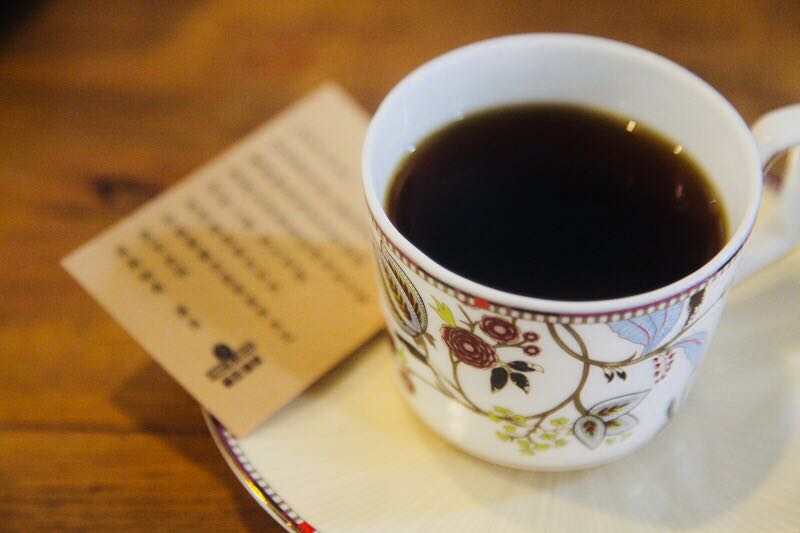
FrontStreet Coffee Recommendation
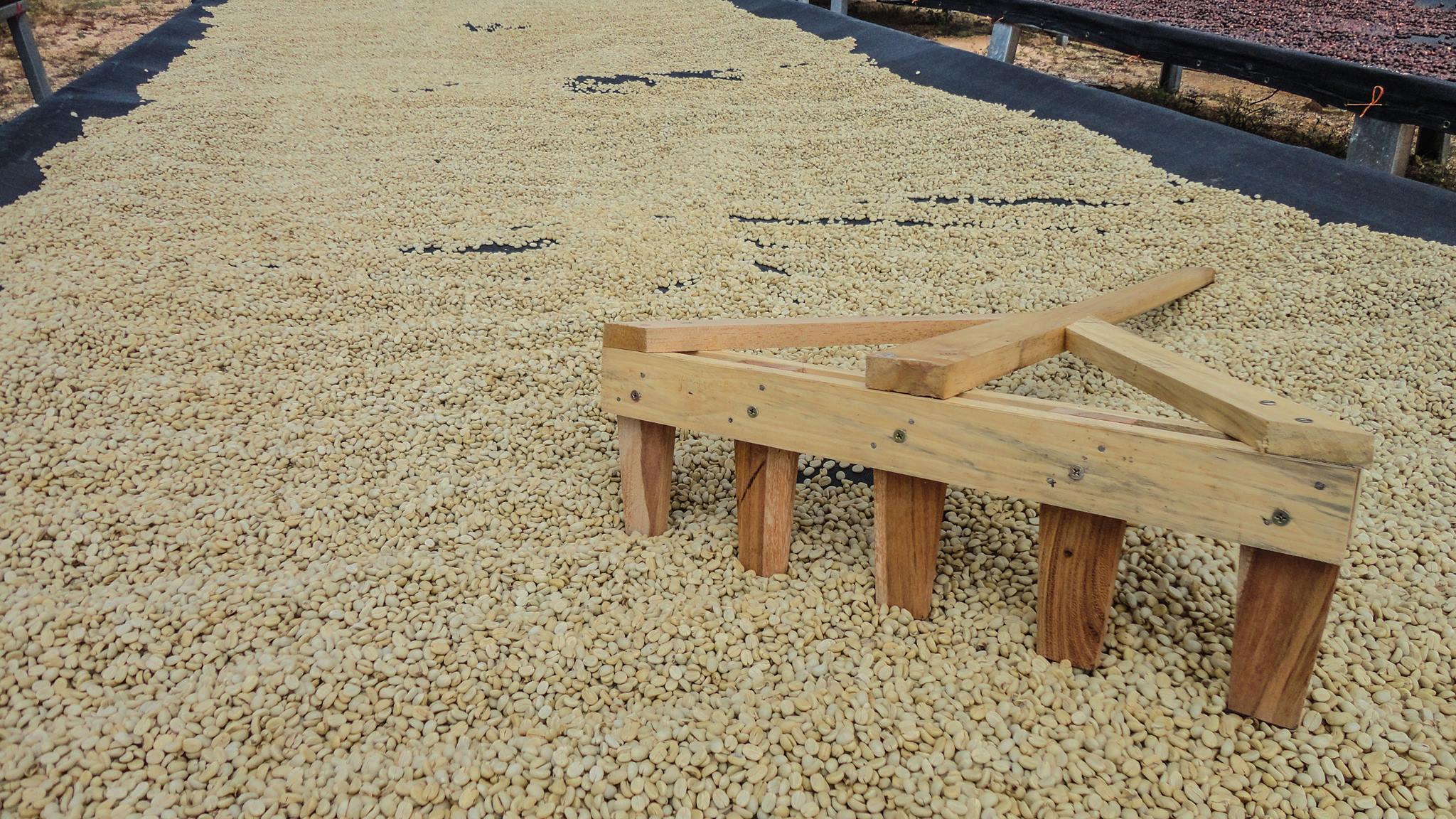
Washed processing is a traditional method that uses water to carry coffee cherries through every stage of transformation: floatation sorting, depulping, a fermentation soak that breaks down the mucilage, washing or further soaking, drying, and finally hulling. Because washed beans spend extended time in water, chemical changes take place inside the seed — simple sugars like fructose and glucose are substantially consumed, lowering sugar content while raising organic acid levels. That is precisely why washed coffees preserve the bean's own aromatics while showing bright fruit acidity, clarity, and a clean, fresh character.
FrontStreet's Yirgacheffe Guadingting Cooperative lot is a prime example of the style. Yirgacheffe is famous, but fewer people know why: local farmers harvest such small quantities that they send cherries to cooperatives for unified processing and sale. The Guadingting cooperative, an accomplished team from Guadingting village, earned its reputation through remarkably refined, clean coffee. Washed processing lets it express jasmine florals and bright citrus acidity to the fullest, and after a medium-light roast it adds green tea and honey tones — lovely as pour-over, cold brew, or espresso.
FrontStreet's Kenya "Little Tomato" is arguably the most famous washed coffee of all, because Kenya excels at double-washing green coffee — repeating the wash step atop the usual sequence of floatation soaking, mucilage washing, soaking, drying, and hulling. All that repeated rinsing pushes a juice-like quality to the extreme: cherry tomato, dark plum, snow pear, black plum, and yellow sugar, sweet-tart and succulent — a longtime favorite of coffee enthusiasts.
FrontStreet's Jamaica Blue Mountain No.1 completes the trio. Jamaica, one of the world's most famous origins, fought a shortage of sunshine — its island climate brings shorter sun hours than most regions — and washed processing was developed there to reduce the risk of spoilage. Unlike natural processing, it removes skin, pulp, and mucilage before drying, cutting the moisture around the bean, shortening drying time, and yielding bright, translucent beans with a low defect rate. That is what guarantees Blue Mountain's dense aromatics: hazelnut, cream, chocolate, and caramel in a perfectly even cup where nothing dominates and nothing falls away.
Important Notice :
FrontStreet Coffee is a long-established specialty coffee roaster in Guangzhou China, selling freshly roasted beans from its own farm in Yunnan as well as dozens of carefully selected single-origin beans from around the world for both pour-over and espresso. The products deliver consistently excellent quality and great value, with shipping within 24 hours. Guangzhou's FrontStreet Coffee shop is recommended by many coffee lovers, and the beans are now available online at the Tmall 。
FrontStreet Coffee has moved to a new address:
FrontStreet Coffee Address: 315,Donghua East Road,GuangZhou
Tel:020 38364473
 Scan and follow the En Gafei WeChat official account. Please indicate that the reprint comes from "En Gafei".