Ice Drip Coffee Brewing Techniques & Tips: Guide to Coffee Bean Selection, Grind Size, Extraction, and Ratios
 For more specialty coffee knowledge, follow our official account: FrontStreet Coffee
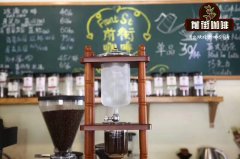
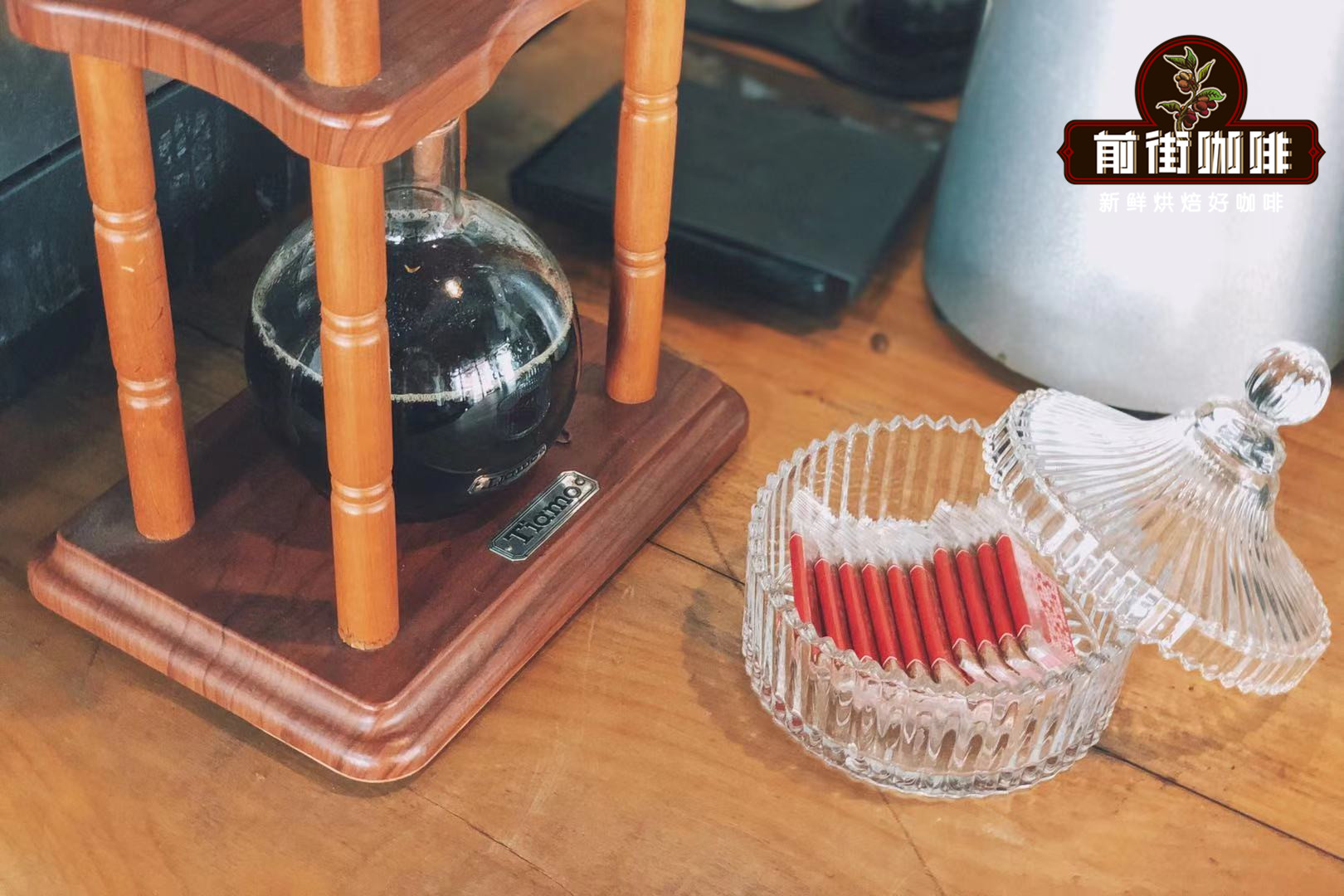
Cold drip coffee has become a fixture on café menus in summer. Because it takes a long time to prepare, it usually has to be ordered in advance or made ahead by the café. Its flavor differs noticeably from coffee brewed any other way, leaving an impression after a single sip. In this article, FrontStreet Coffee shows you how to make cold drip coffee.
The Origin of Cold Drip Coffee
In the 17th century, Dutch sailors carrying coffee from their colony of Indonesia back to Europe could not drink hot coffee because there was no hot water on board. That, the story goes, led them to invent cold drip coffee. Coffee extracted with cold water tastes smooth and mellow with an enticing aroma, and it was loved not only by sailors but by the general public as well.
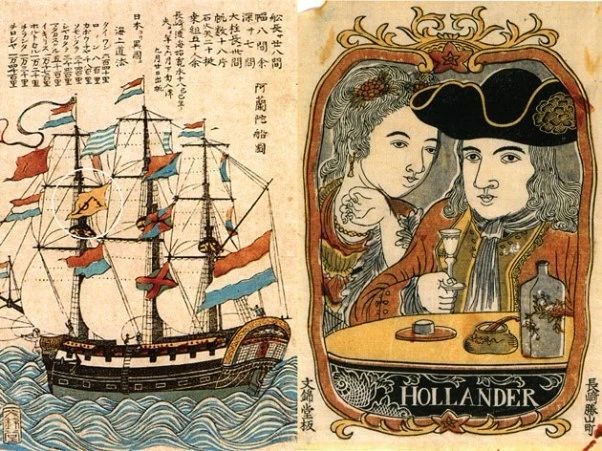
In fact, that origin story was fabricated by Japanese coffee industry professionals to promote cold drip brewers—it is one of their marketing tactics. In reality, in the Netherlands and other Western countries the primary method is not the Japanese drop-by-drop extraction (where ice water drips one drop at a time) but the so-called "Cold-Brew" immersion method, in which grounds steep in cold water for extended periods. There is also no such thing as "Dutch Coffee" (cold drip) in the West.
The Invention of Cold Drip Coffee
Although cold drip is called Dutch coffee, it has no deep connection to the Netherlands. Its ties are to Japan, which is why it is also known as Kyoto coffee. The owner of Kyoto Hanabusa Coffee, while reading a coffee book, learned about the local brewing method used by people in Indonesia, then a Dutch colony. Fascinated, and with the help of chemistry students from Kyoto University and a medical equipment company, he built cold drip equipment based on the book's descriptions to recreate the Indonesian brewing method, and so invented cold drip coffee. It later became popular in Europe and America, where people who did not know the history simply called it Kyoto coffee.

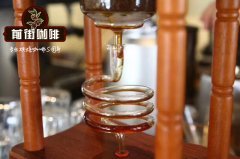
Cold drip extracts with ice water at near-zero temperatures, which limits the volatilization of coffee aromatics at low temperature and stores as much of the aroma as possible in the liquid. When you drink it, the liquid warms up and the trapped aroma bursts forth, so the drinker experiences intense aromas at the back of the tongue. That sudden aromatic explosion creates a real sense of pleasure.

How to Make Cold Drip Coffee
1. FrontStreet Coffee uses a coffee-to-water ratio of 1:10 for cold drip, meaning 60 grams of ground coffee to extract 600 milliliters of coffee liquid.
2. Place a circular filter paper at the bottom of the coffee grounds chamber, wet it with water so it adheres to the chamber walls, then add 60g of ground coffee (coarse sugar size) and level the coffee surface; you can also use the tamper's own weight to lightly press the bed flat.
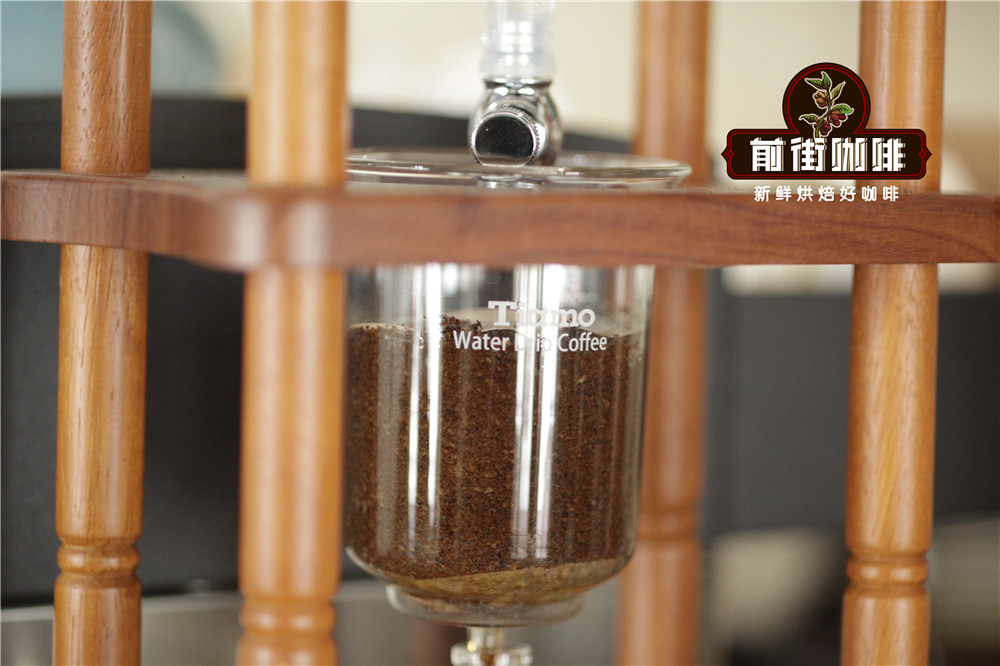
Note: how do you determine the grind size for cold drip coffee? Our eyes can't judge coarseness accurately, so we need tools to help calibrate. FrontStreet Coffee uses a #20 (0.85mm) standard sieve for calibration.

FrontStreet Coffee's grind size standards by sieve pass rate:
Cold drip > Pour-over (Siphon) 80% > Mocha American drip 75-80% > Cupping 70-75% > French press 65-70%
So the cold drip grind size should be finer than pour-over coffee, at roughly an 83-85% pass rate.
3. Remember to place a piece of filter paper on top of the coffee grounds. The tension of the paper helps distribute water evenly. Without it, the continuous water droplets would carve a pit into the coffee bed over time.

4. Use ice water for "pre-infusion," which is similar to the blooming process in pour-over coffee. This improves extraction efficiency and the consistency of the final product. If you drip ice water directly, the grounds may be moistened unevenly, leaving some over-extracted while others never take part in extraction at all.
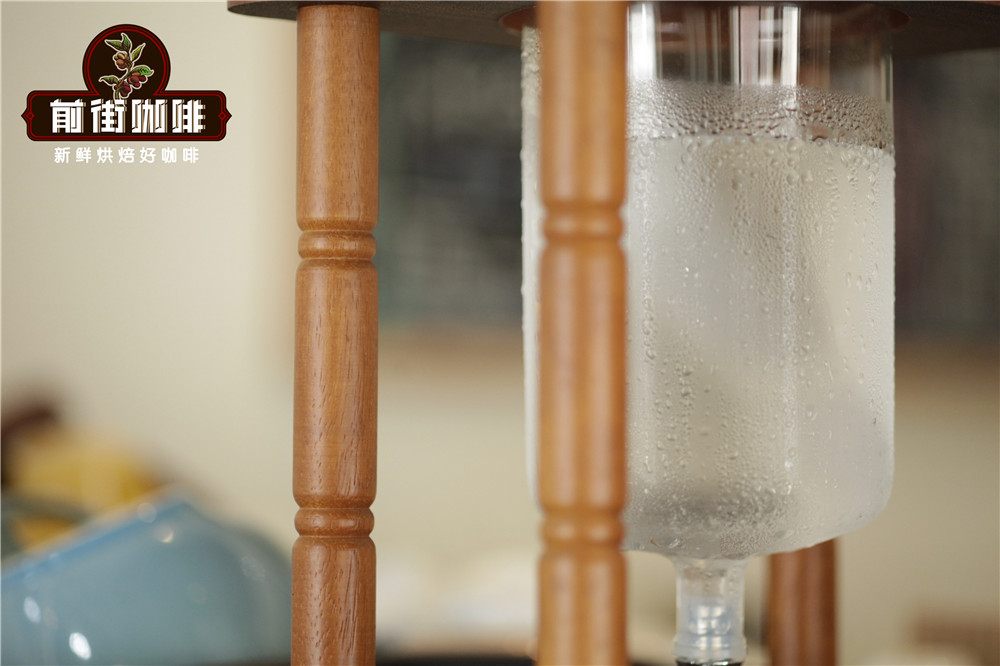
5. Place a 1:1 mixture of ice and water in the water container, and adjust the regulator valve to approximately 7 drops every 10 seconds.

6. After brewing, pour the coffee liquid into a sealed glass bottle and refrigerate overnight to ferment, allowing the coffee flavors to meld together for better taste and easier drinking.

FrontStreet Coffee's Cold Drip Recipe Recommendations
① Classic Cold Drip: 30g FrontStreet Coffee Sherry + 30g FrontStreet Coffee Bahia. This is FrontStreet Coffee's house cold drip recipe and a favorite among many customers. Mix the Sherry coffee beans with the Bahia coffee beans before grinding. The resulting cold drip shows a rich whiskey aroma, and the interplay between refreshing citrus fruit and full-bodied vanilla cream leaves an endless aftertaste.
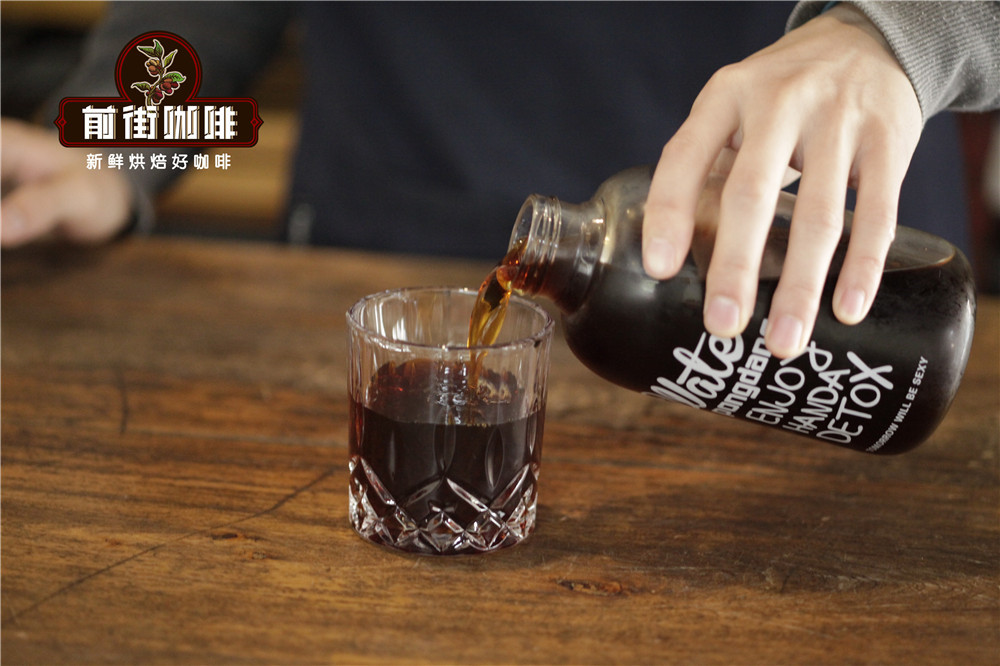
② Refreshing and Clean: 60g FrontStreet Coffee Kenya Cherry Tomato. Cherry Tomato's acidity is very lively, with an overall profile like a glass of fruit juice. In cold drip it carries the fresh fragrance of cherry tomato and grapefruit, delivering a refreshing, light acidity perfect for summer drinking.
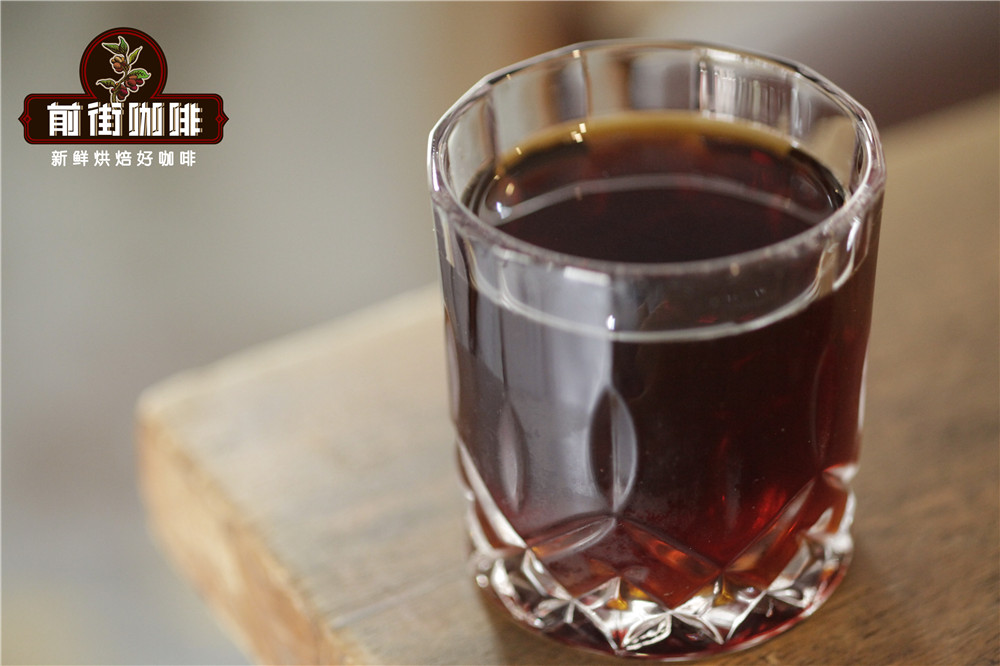
③ Sweet and Palatable: 60g FrontStreet Coffee Indonesia Gold Mandheling. Few cafés use dark-roasted coffee for cold drip. If you haven't tried it, you might assume dark-roasted cold drip would be very bitter, but it isn't. Using FrontStreet Coffee's cold drip method and refrigerating for 24 hours before serving with ice cubes, FrontStreet Coffee's Gold Mandheling cold drip comes out sweet with a hint of chocolate bitterness, overall very clear, and a rich fermentation aroma that feels comforting.

④ Wine-like Character: 20g FrontStreet Coffee Red Cherry + 40g FrontStreet Coffee Mozart. The 2020 Mozart coffee used anaerobic honey processing, which makes its grape and blackcurrant flavors more pronounced. The Red Cherry used traditional natural processing, with flavors of sweet berries and fermented red wine aroma. Cold drip made with this recipe is like a glass of chilled red wine.
FrontStreet Coffee Recommendation
For cold drip built around Indonesian coffee, FrontStreet Coffee's Mandheling is the natural place to start. It comes from the Sumatra region and is processed with the local wet-hulled method, in which the parchment is stripped while the beans are still half dry, leaving the raw beans exposed to the air. That is where Mandheling gets its signature herbal and spice notes. FrontStreet's Mandheling is sourced from the Toba Lake area of the Lindong region and medium-dark roasted to deliver the classic profile: low acidity yet full-bodied, with rich aromas of caramel, dark chocolate and toast and a long, sweet finish. It suits anyone who prefers a strong cup.
For the top of the range, FrontStreet Coffee's PWN Golden Mandheling represents the finest Indonesian coffee. The PWN company buys only premium Mandheling raw beans and sells nothing below specialty grade, and Golden Mandheling is its signature product. FrontStreet's Golden Mandheling is screened by density, size, shape and color, then passes through one machine sorting and hand sorting to remove defects, so the beans stay whole, even and large while the muddiness and grassy notes of ordinary Mandheling are reduced. Freshly roasted, FrontStreet's PWN Golden Mandheling shows sandalwood, herbal, spice, roasted hazelnut, caramel and dark chocolate notes, with a clean finish, a sweet, full body and a rich, layered aroma—well suited to daily drinking and to gifting.
For an espresso or moka pot version of the same character, FrontStreet Coffee's Classic Blend follows the traditional Mamba recipe, combining Mandheling with Brazilian coffee. Mandheling brings its wild, robust profile while Brazil adds smoothness, and the sweet nutty note tempers Mandheling's stronger bitterness and herbal edge. A small amount of Robusta is added and the blend is deeply roasted so the dark chocolate, nut and caramel aromas reach their peak, letting even a beginner pull an authentic Mandheling-style shot with a rich, golden crema.
Important Notice :
FrontStreet Coffee is a long-established specialty coffee roaster in Guangzhou China, selling freshly roasted beans from its own farm in Yunnan as well as dozens of carefully selected single-origin beans from around the world for both pour-over and espresso. The products deliver consistently excellent quality and great value, with shipping within 24 hours. Guangzhou's FrontStreet Coffee shop is recommended by many coffee lovers, and the beans are now available online at the Tmall 。
FrontStreet Coffee has moved to a new address:
FrontStreet Coffee Address: 315,Donghua East Road,GuangZhou
Tel:020 38364473
 Scan and follow the En Gafei WeChat official account. Please indicate that the reprint comes from "En Gafei".