Ice Drip Coffee Bean Recipe Sharing_What Combinations Work Well for Ice Drip Coffee Beans_How Much Do Ice Drip Coffee Beans Cost

What is Cold Drip Coffee?
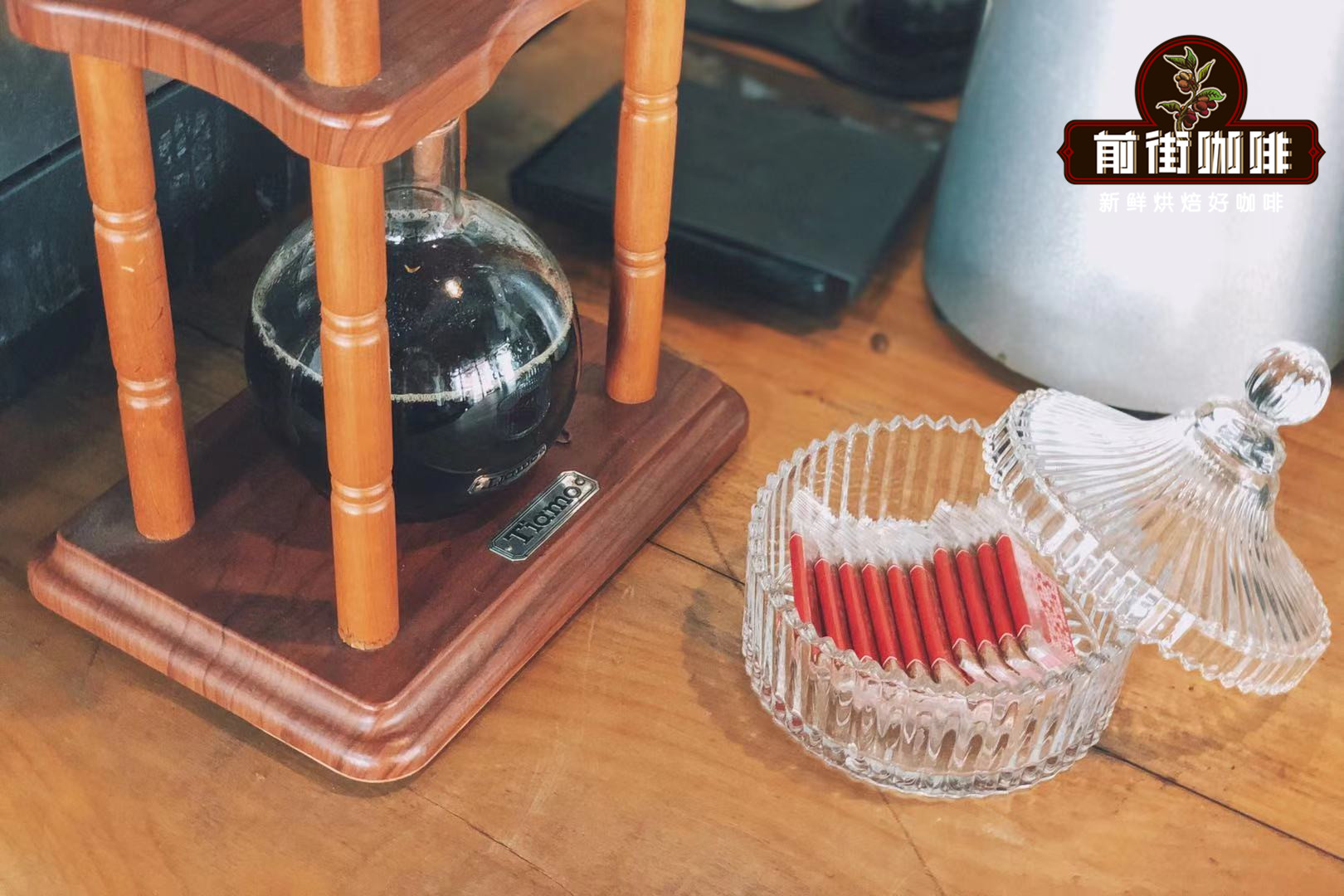
Cold drip coffee is extracted by long, low-temperature immersion using water below 5°C or even close to freezing. To make it, we recommend single-origin beans with a drip rate of 7 drops per 10 seconds for about 6-8 hours. This long, low-temperature extraction saturates and wets the coffee grounds completely, effectively removing bitterness and tannic acid, and yields a rich, smooth cup that is neither acidic nor harsh on the stomach.
Sometimes we use one or more single-origin beans to make a cold drip blend. We have tried several combinations that turned out very well, and today we would like to share them.
Recipe 1: Clean and Refreshing
60 grams of Kenya Kamoini
Using washed Kenya beans for cold drip yields a cup with a clean flavor and bright acidity.
Kenya Kamoini is a classic Kenyan coffee that tastes like a glass of juice. It opens with prominent orange acidity and aroma, carries some grapefruit peel in the mid-section, and finishes with berry fruit notes and caramel sweetness.
Recipe 2: Fermented Wine Aroma
30 grams of Sidamo Guji + 30 grams of Panama Hartmann
Natural-processed Guji plus red wine-processed Hartmann creates a rich fermented wine aroma with a touch of fruit acidity, making it suitable for those who prefer stronger flavors.
The natural-processed Guji has higher sweetness, with some strawberry-like berry aromas and flavors of passion fruit, fermented wine, strawberry and jackfruit.
The red wine-processed Hartmann shows some fermented red wine aroma, with a smooth entry and flavors of tropical fruits, nuts and brown sugar.
Coffee made from this recipe has strong fermented notes, higher sweetness and a richer body.
Recipe 3: Balanced and Complementary
30 grams of Costa Rica Black Honey + 30 grams of Yirgacheffe Benabeka
Black Honey beans carry slight fermented notes. Using the sweetness of Black Honey to complement the acidity of washed Yirgacheffe suits those who prefer lighter, fresher flavors.
The Black Honey bean shows brown sugar, caramel and spice, with relatively high sweetness.
The washed Benabeka is characterised by the sweet-and-sour aroma of ripe yellow lemons, with an aftertaste that carries some black tea notes, tasting like a glass of lemon iced tea.
It smells of a hint of brown sugar but tastes of lemon acidity. Overall the flavor leans sweet-and-sour, with a relatively light body.
Production Tips
1. Coffee beans to water to ice ratio is 1:5:5.
2. You can tamp the grounds, but not too forcefully — the weight of the tamper itself is enough. The purpose of tamping is to level the grounds, not to compact them. Without tamping, water will easily float the grounds when it is added; but tamping too hard will stop water from passing through and can easily cause channeling.
3. Remember to place a filter paper on the surface of the grounds. The tension of the filter paper helps distribute water evenly. Without filter paper, long, slow dripping will carve a pit into the coffee bed.
4. Use ice water for a "pre-infusion," which is similar to the bloom in pour-over coffee. This improves extraction efficiency and consistency. Dripping cold water directly without pre-infusion may leave the coffee layer unevenly wet, with some grounds over-extracted while others never take part in extraction at all.
5. After production, it is best to pour the coffee into a sealed glass bottle and let it rest in the refrigerator overnight. This lets the flavors meld, giving a better, easier-drinking cup.
Cold Drip Coffee Bean Brand Recommendations
Single-origin cold drip coffee beans roasted by FrontStreet Coffee offer excellent guarantees in both brand and quality. More importantly, they offer extremely high value. A half-pound (227 grams) package costs only about 80-90 yuan. Calculating on the basis of a 200ml cold drip coffee at a 1:10 coffee-to-water ratio, one package makes 11 cups, at only 8-9 yuan each. Compared to cafés selling cold drip at tens of yuan per cup, that is exceptional value.
FrontStreet Coffee Recommendation
FrontStreet Boquete Washed Geisha — Panama is one of Central America's great coffee origins, and Boquete is among its best-known specialty regions. Mist often veils the mountains of Boquete, keeping days humid and nights cool, while the fertile soil brought by the Baru volcano creates ideal conditions for Geisha. The higher the altitude at which the trees are planted, the longer the cherries ripen and the more nutrients they absorb, so the flavor becomes richer and more distinctive. Planted at 1,600 meters, this estate-level Geisha is an excellent introduction: brewed, it shows the varietal's distinctive jasmine florals along with green tea, honey, citrus and orange.
FrontStreet Panama Washed Butterfly Coffee — Panama Geisha is a rare wild variety and a regular champion of the world's tasting competitions, with slender green beans and a roasted cup of unexpected citrus freshness, a floral and sweet-fruit finish, and no equal. This lot carries half of Geisha's premium pedigree, combining Geisha, Caturra and Catuai, planted in the Baru volcano area of Boquete. Panama's particular microclimate brings abundant rainfall and a wide day-night temperature swing, and the volcanic rock soil, careful picking and meticulous processing make this coffee outstanding in body, citrus acidity and Geisha's jasmine aroma alike. It suits both pour-over and cold brew.
FrontStreet Esmeralda Red Label Geisha Coffee — The celebrated Hacienda La Esmeralda is both the discoverer of Geisha's flavor and the promoter of Panamanian Geisha. To pinpoint quality, the estate cups coffee from different parts of the farm and assigns plots by altitude, giving rise to the Red, Green and Blue Label Geisha tiers we know today. For the very highest tier, choose FrontStreet's Esmeralda Red Label: it is harvested from a single plot of Geisha above 1,700 meters, and the cup must score at least 91, showing a refined orange-blossom-honey character.
Important Notice :
FrontStreet Coffee is a long-established specialty coffee roaster in Guangzhou China, selling freshly roasted beans from its own farm in Yunnan as well as dozens of carefully selected single-origin beans from around the world for both pour-over and espresso. The products deliver consistently excellent quality and great value, with shipping within 24 hours. Guangzhou's FrontStreet Coffee shop is recommended by many coffee lovers, and the beans are now available online at the Tmall 。
FrontStreet Coffee has moved to a new address:
FrontStreet Coffee Address: 315,Donghua East Road,GuangZhou
Tel:020 38364473
 Scan and follow the En Gafei WeChat official account. Please indicate that the reprint comes from "En Gafei".