Hawaii Kona Coffee Brewing Methods How to Drink Hawaii Kona Coffee Powder
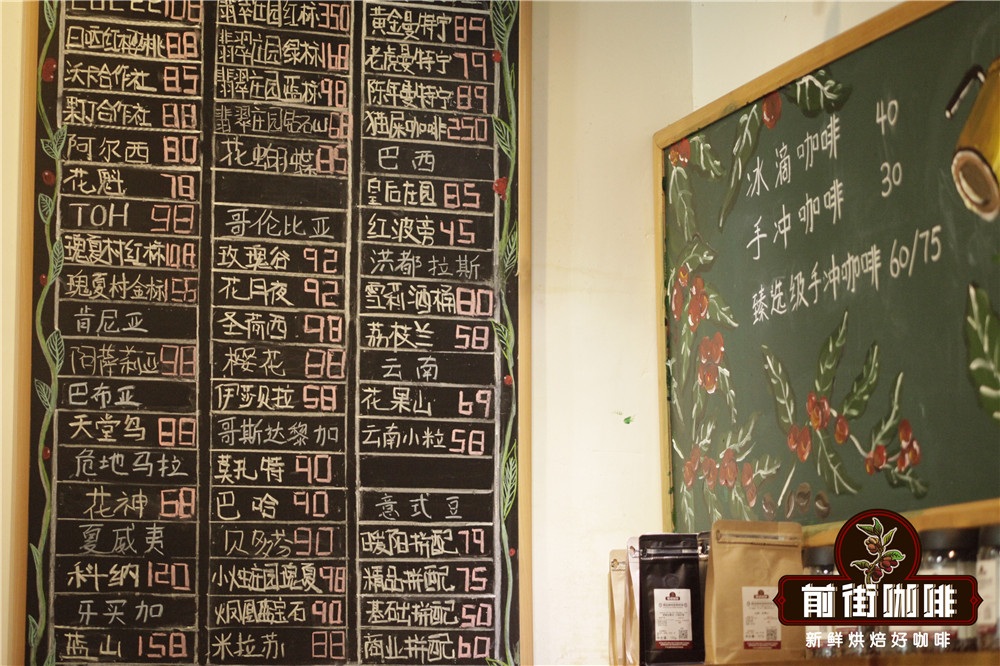
Perhaps everyone has heard of Jamaica Blue Mountain coffee, but Hawaii Kona coffee may be slightly less familiar. As one of the representatives of island-type coffee, Kona is spoken of as the "king and queen" alongside Jamaica Blue Mountain. Many guests who come to FrontStreet Coffee and see Kona's price on the menu ask why it costs so much - it is not as famous as Blue Mountain No. 1, yet its price comes close. FrontStreet Coffee takes you inside what Hawaii Kona coffee really is.
What is Island-Type Coffee?
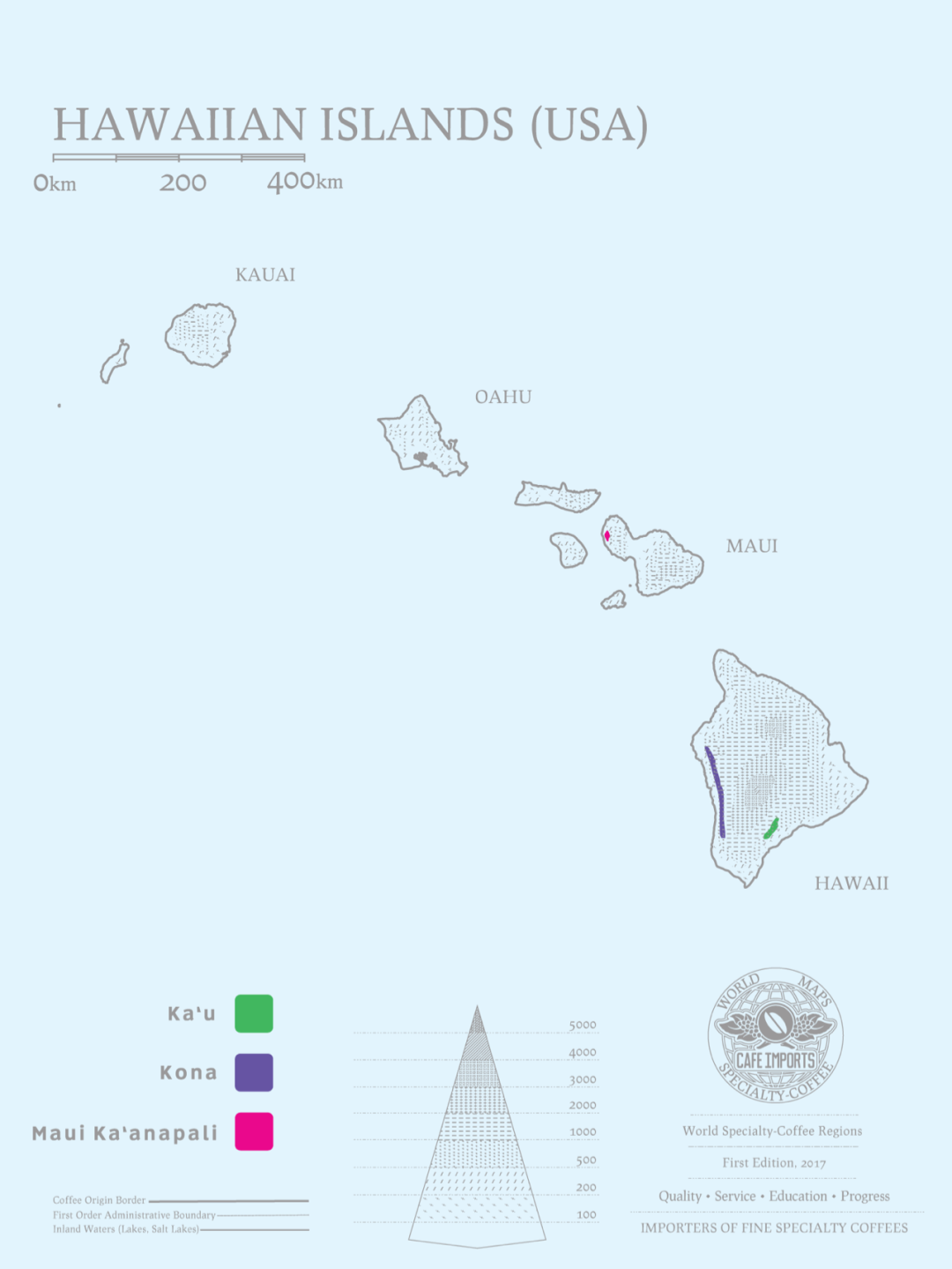
Island-type coffee regions sit far out in the open ocean, disconnected from any continent. There, annual temperature variation is small but the day-night temperature difference is large, and enough cloud cover blocks the sun. Although the average altitude of the growing regions is not high, Hawaii's special island climate and fertile volcanic soil produce coffee of remarkable quality. Island-type coffee flavor is defined as gentle and elegant: the body is slightly thinner - not as rich and mellow as Indonesian Mandheling - and it lacks the varied acidity of Kenyan coffee.
Why is Kona Coffee So Expensive?
In the 2019/20 production season, Hawaii's coffee bean output was only 12,400 tons, while Ethiopia produced 384,000 tons in the same season and Brazil reached as much as 2.652 million tons. On top of that, Hawaii must comply with US federal regulations and the minimum wage standard of $7.25 per hour, approximately 47.2 yuan. As the saying goes, scarcity makes things valuable - FrontStreet Coffee believes this is the main reason Kona coffee is priced so high.
Kona Coffee Variety - Typica
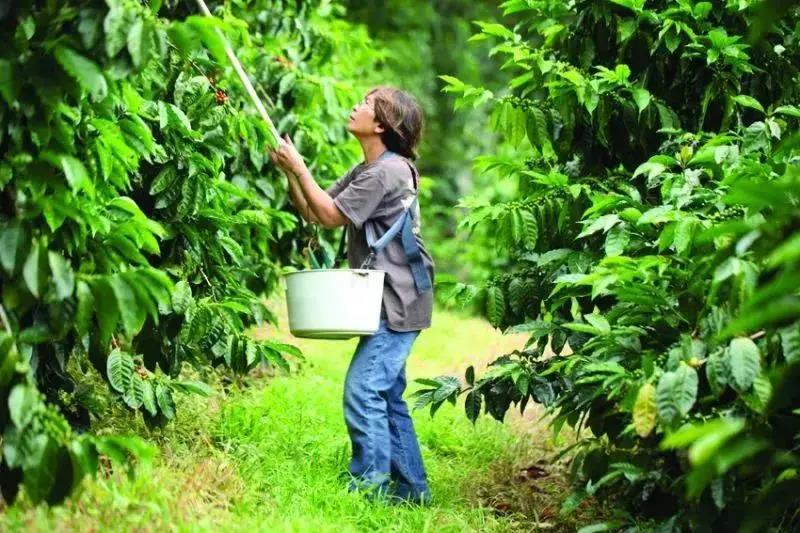
Kona's Typica was introduced from Guatemala in 1892. The Typica grown in Kona produces large beans, and the growing altitude ranges from 600-1100m. Compared with other coffee-producing countries this is low altitude, but within the Hawaiian Islands Kona counts as high altitude. Some have tried transplanting Kona's Typica to other islands, but because those islands were too hot and too low, the Typica did not grow well and could not develop the gentle acidic aroma unique to the Kona region.
Reasons for Low Kona Coffee Production
Hawaii's coffee growing regions sit between 150-1000 meters, making them typical low-altitude zones that are actually not ideal for Typica. Located in the tropics, the fruit is also highly susceptible to pests and diseases. The most damaging of these for Hawaii is undoubtedly the coffee berry borer: since the pest was discovered in Hawaii in 2010, it has infected more than 800 coffee farms, reducing quality while raising production costs by 10-15%.
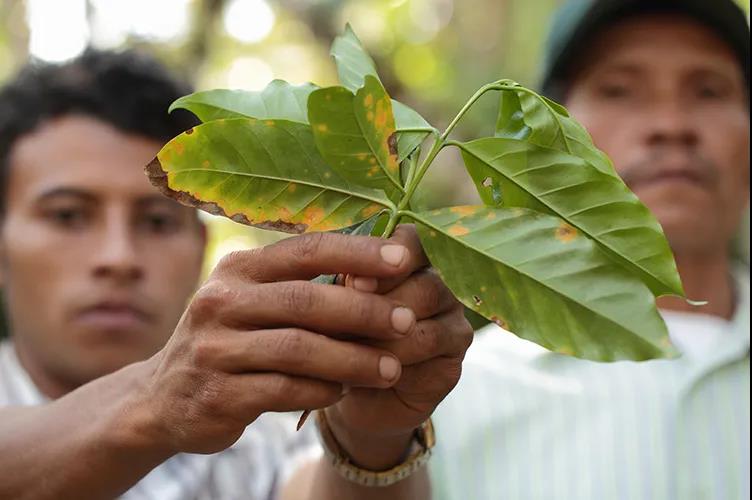
Pests are not the only threat. In late 2020, the Hawaii Department of Agriculture (HDOA) reported a disturbing finding to Governor David Ige's office. About a month earlier, a coffee farm in the Haiku area of Maui had shown symptoms suspected to be coffee leaf rust in a report submitted to the HDOA. How leaf rust reached Maui Island, and how long it had been there, could not be determined at the time.
What is Leaf Rust? What Impact Does It Have on Coffee?
Leaf rust symptoms appear mainly on leaves, rarely on fruit and branches. After infection by the rust fungus, small pale-yellow water-soaked spots first appear on the underside of the leaves, ringed by light-green halos. As the spots grow to 5-8mm, orange-yellow powdery spore masses emerge from the stomata on the affected tissue. The spots keep expanding, several merge into large irregular patches, and eventually the centers dry out and turn brown.
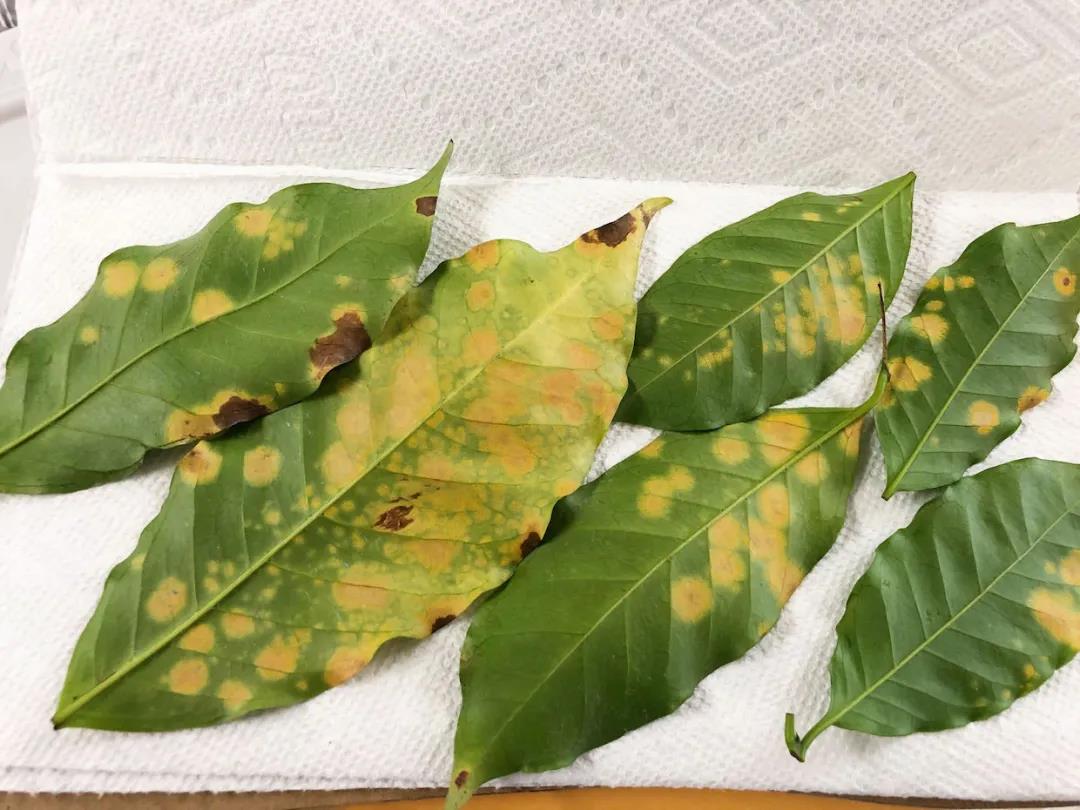
Brown spots show on both sides of the leaves, which eventually fall off. Coffee plants can die within several years. The gradual spread of leaf rust into Hawaii poses a serious threat to the state's coffee industry, because the disease spreads quickly and can kill coffee crops in large numbers.
Kona Coffee Bean Processing Method
One of the great signatures of traditional Kona coffee is its elegant fruit acidity and clean, balanced flavor, owed to the washed process. After sorting, machines remove the pulp and mucilage, and the beans go into tanks for water fermentation. Once fermentation is complete and the mucilage is gone, the beans are washed again, because fermentation bacteria and impurities remain on them - a step that consumes a large amount of fresh water to ensure thorough cleaning. The beans are then dried and hulled.
Yet it is precisely washed processing that creates environmental problems for Kona. First, the water left after fermentation turns acidic, and long-term discharge has measurably raised the acidity of surrounding waterways and soil. Second, coffee fruit contains high levels of phosphorus and potassium; when water loaded with these elements is discharged, it can strip soil of its natural regulating functions and disturb other ecosystems.
How Do Kona Coffee Beans Taste?
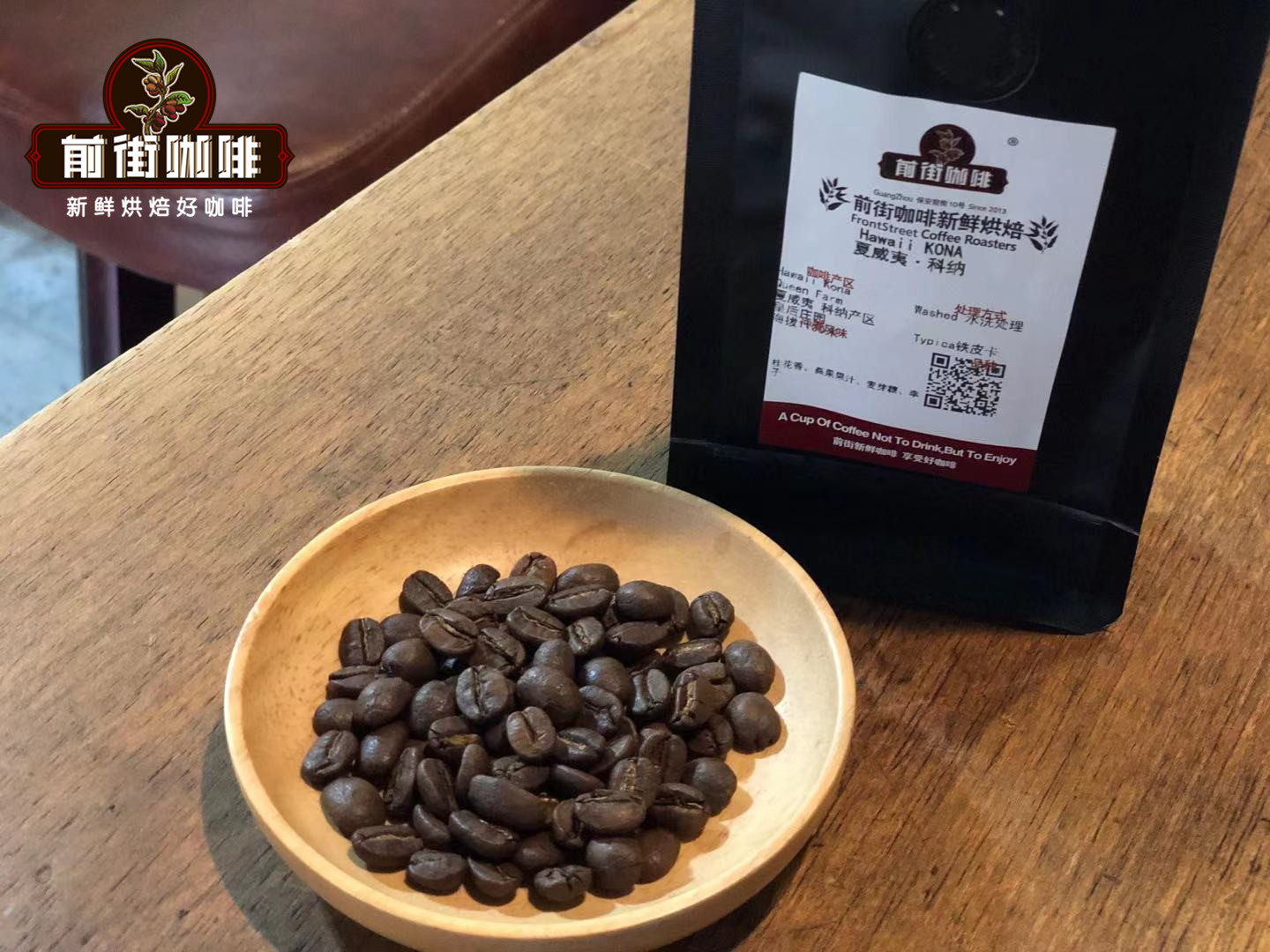
Kona beans are exceptionally plump and carry cinnamon-spice flavors, with balanced, moderate acidity. They show a bright luster and a uniform shape. The hallmark of Kona coffee is a fresh sweetness reminiscent of grass and trees, together with citrus-like fruit acidity and richness - many characters combined with no trace of muddled texture. When FrontStreet Coffee cupped Kona coffee, it found the cup rich and aromatic: not bitter, not astringent, with no burnt taste, gentle acidity and a maltose sweetness, over a rich, smooth and mellow mouthfeel.
How Does FrontStreet Coffee Roast Kona Coffee Beans?
Kona beans belong to the low-density category, so the dropping temperature cannot be too high. When they give off their sweet aroma the color shifts to light yellow, and their high moisture content calls for plenty of steaming time. FrontStreet Coffee's roaster therefore recommends not roasting Kona too dark - a medium-light roast is enough.
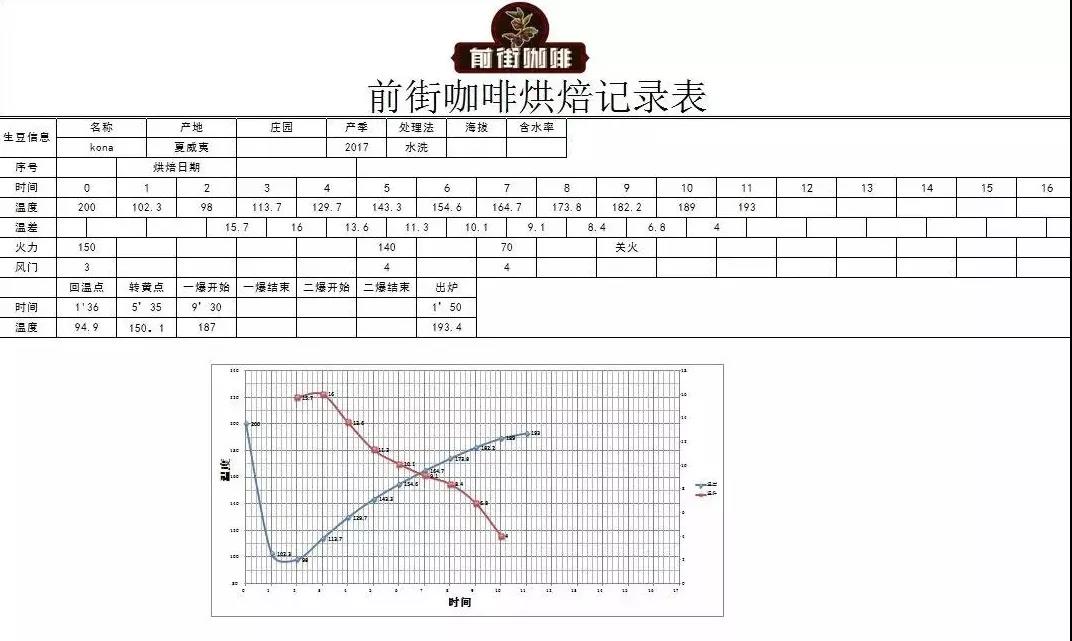
FrontStreet Coffee's roaster is a Yangjia 800N, charged with 550g of green beans. At 200°C the beans go in with the damper at 3. After 1 minute the heat is turned down to 150°C with the damper unchanged. At 5'35" and 150°C the bean surface turns yellow, the grassy smell disappears completely and dehydration is done. Heat is reduced to 140°C and the damper moved to 4. At 9'30" the bean surface shows wrinkles and black spots, and the toast smell clearly turns to coffee aroma - the prelude to first crack. At that point, listen carefully for the sound. At 9'30" first crack begins, heat drops to 70°C and the damper opens fully (adjust the heat carefully - do not turn it down so far that the crack falls silent). The heat is cut at 182°C and the beans drop at 193.4°C.
How Does FrontStreet Coffee Brew Kona Coffee?
Use a Hario V60 dripper - the rib design of the V60 enhances the coffee's layered complexity.
Coffee amount: 15g
Coffee-to-water ratio: 1:15
Brewing water temperature: 89°C
Grind size: EK43S at setting 10.5 (70% pass-through rate on the #20 standard sieve)
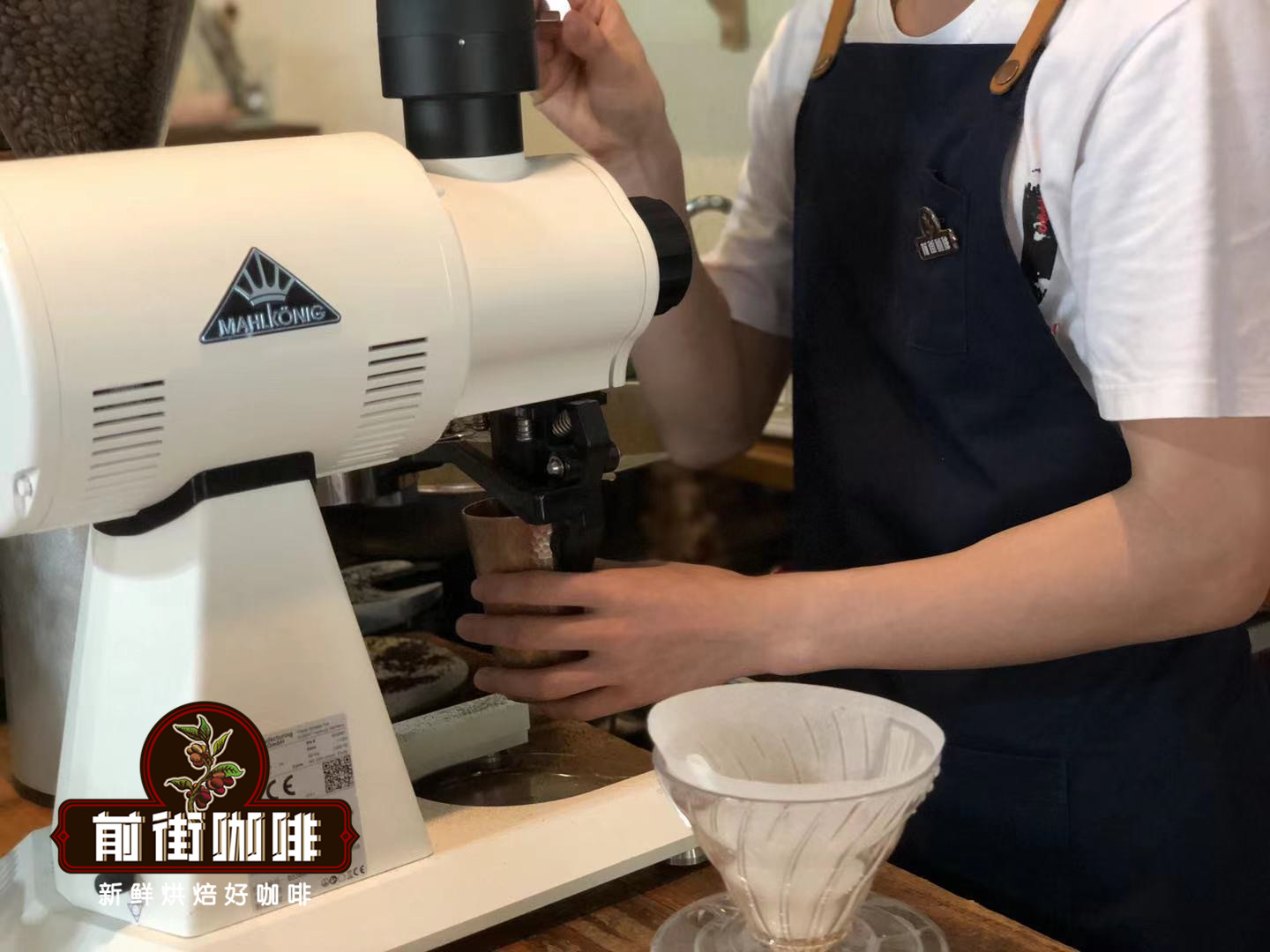
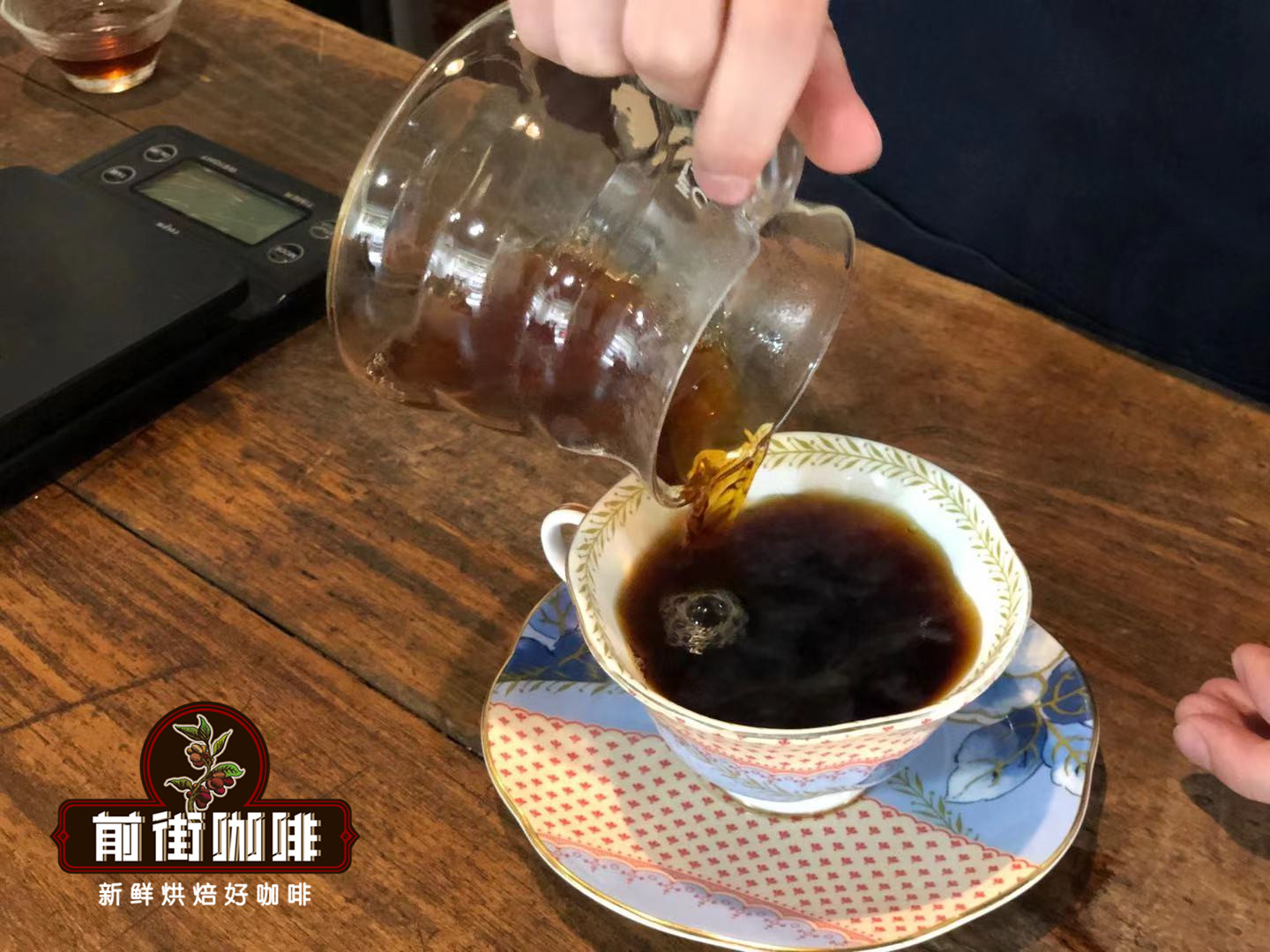
FrontStreet Coffee's brewing method: Bloom with 30g of water for 30 seconds, then slowly pour 150g of water in small circles from the center outward (the scale reads 180g). Wait until the coffee bed drops to half, then pour 45g of water in one large flow, reaching a total of 225g. Remove the dripper once all the coffee has drained into the server. Total brew time is 1 minute 50 seconds.
Kona coffee brewing flavor: This method brings out Kona's rich fruit tones - the sweetness of mulberry, black plum, plum and maltose - for an overall cup of layered complexity with a juice-like mouthfeel.
FrontStreet Coffee Recommendation
If Kona's gentle elegance wins you over but you also crave the opposite pole - heavy, earthy intensity - FrontStreet Coffee's PWN Golden Mandheling from Indonesia is the bean to try. It is produced by Indonesia's PWN company under exceptionally strict standards: only beans above 18 screen size are selected, with fewer than 3 defects per 300g of green coffee to meet the top G1 grade, followed by three rounds of hand sorting that make the cup remarkably clean and sweet.
Golden Mandheling gets its character from Sumatra's distinctive wet-hulled process: with rain falling most of the year, farmers hull the parchment while the beans are still half-dry, exposing them to the air and accelerating drying - and giving Mandheling its wild herbal notes, heavy body and low acidity. FrontStreet Coffee roasts it medium-dark to reveal dark chocolate, caramel and a rich roasted aroma.
To brew it, FrontStreet Coffee suggests 15g of coffee at a coarse granulated-sugar grind, 87-88°C water, a 1:15 ratio and a three-pour method: 30g of water to bloom, then 100g to lift the bed and draw out the golden foam, then a final gentle 95g poured at the center to build sweetness. The result is a thick, full-bodied cup with caramel sweetness and chocolate-nut depth - perfect for anyone who dislikes sour coffee.
Important Notice :
FrontStreet Coffee is a long-established specialty coffee roaster in Guangzhou China, selling freshly roasted beans from its own farm in Yunnan as well as dozens of carefully selected single-origin beans from around the world for both pour-over and espresso. The products deliver consistently excellent quality and great value, with shipping within 24 hours. Guangzhou's FrontStreet Coffee shop is recommended by many coffee lovers, and the beans are now available online at the Tmall 。
FrontStreet Coffee has moved to a new address:
FrontStreet Coffee Address: 315,Donghua East Road,GuangZhou
Tel:020 38364473
 Scan and follow the En Gafei WeChat official account. Please indicate that the reprint comes from "En Gafei".