Is Catimor Coffee Bean Arabica? Flavor Differences and Taste Description Between Catimor and Typica Coffee Beans

Catimor coffee beans belong to the Arabica family. Although the variety carries Robusta genes, the Arabica share is larger, so Catimor is classified as an Arabica variety.
The Origin of Catimor
Catimor is a hybrid of Timor and Caturra with strong resistance to leaf rust.
Catimor was hybridized in Portugal in 1959 from the rust-resistant Timor and Caturra. Its flavor tends toward bitterness with some acidity and astringency, often with a salty aftertaste. Because it needs little space to grow, resists leaf rust strongly and yields heavily, it has become one of the few high-yielding varieties among Arabica coffees.

The variety can also adapt to different altitude climates. Catimor grown at 600-1000m is heavier in bitterness, with plum-like acidity and astringency and herbal flavors, so it is often used as raw material for instant coffee. Catimor grown above 1200m, however, reaches a quality comparable to Bourbon, Caturra and Catuai, featuring plum-like acidity, caramel sweetness and a roasted-nut aftertaste.
How Is Yunnan's Catimor Coffee?
Although Yunnan coffee had a poor reputation a decade ago, strong support from the Yunnan government, more scientific cultivation and greater attention to picking and drying have made today's Yunnan Catimor completely different from before.
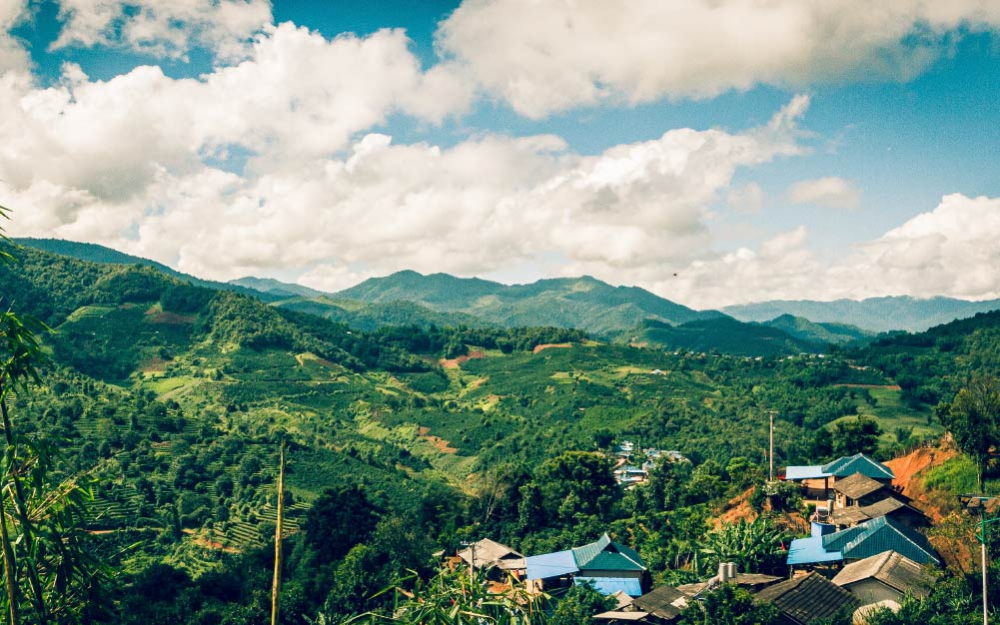
The day-night temperature difference of high-altitude cultivation, combined with the nutrients of Yunnan's red soil, means today's Yunnan Catimor typically has plum-like acidity, caramel sweetness, a nutty aftertaste and a slight grassy flavor.
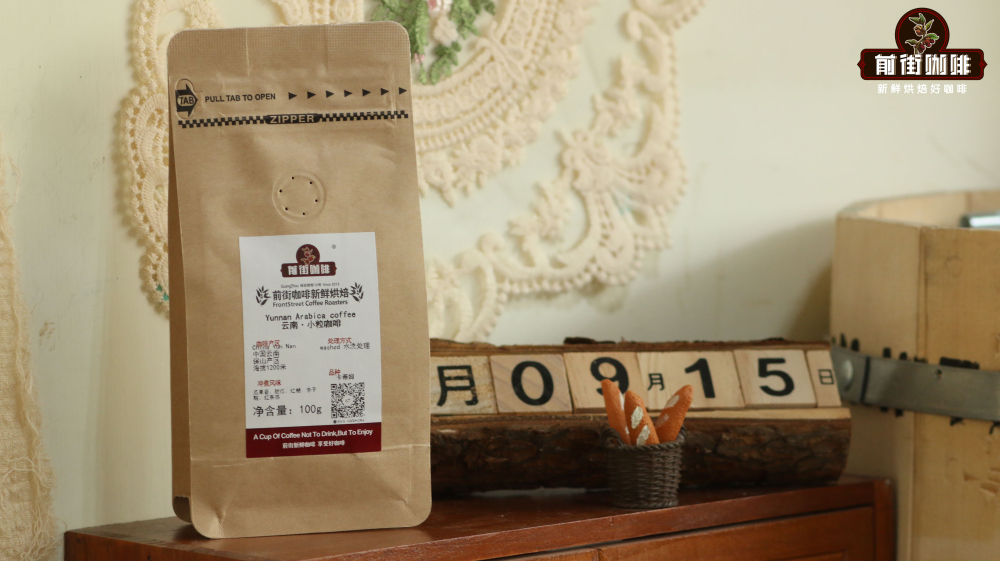
This is the unique flavor created by the terroir of the Yunnan growing region. Among FrontStreet Coffee's signature daily beans, we therefore selected washed Catimor from the Baoshan region, grown at 1200m altitude, to represent Yunnan. After medium roasting and appropriate brewing, it shows plum-like acidity, cantaloupe aroma and a brown-sugar-tea sweetness.
How Is Yunnan's Typica Coffee?
FrontStreet Coffee believes, however, that improving the quality of Yunnan coffee starts with changing the varieties. In 2013, FrontStreet Coffee began planting Typica on a mountain around 1300m altitude in Lincang, Yunnan.
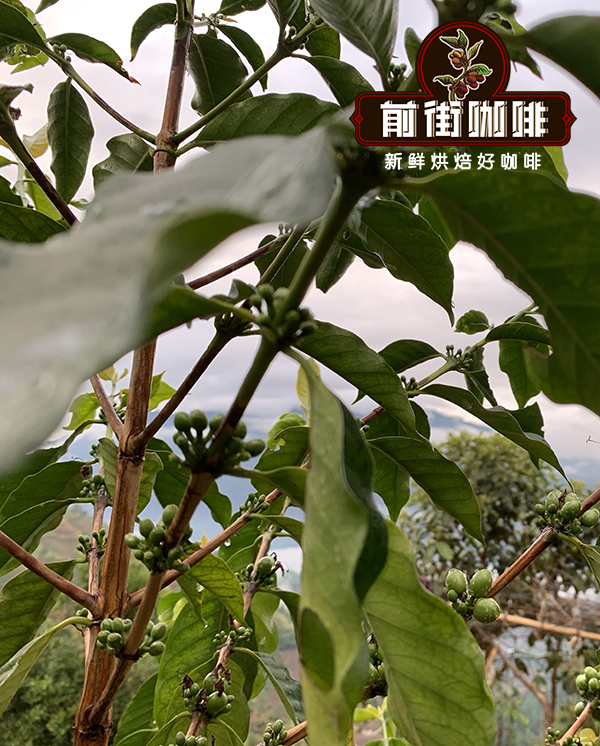
FrontStreet Coffee chose Typica because it is the oldest member of the Arabica family, and its main strength is high cleanliness and good sweetness. When coffee was first planted in Yunnan, those early trees were also Typica.
Later, for various reasons, many Typica trees were cut down. Then Nestle took an interest in Yunnan and introduced the higher-yielding Catimor, so Yunnan now grows mainly Catimor varieties.
Thanks to pure genetics and its inherent cleanliness and sweetness, Typica grown in Yunnan has a cleaner mouthfeel and a fuller flavor than Catimor.
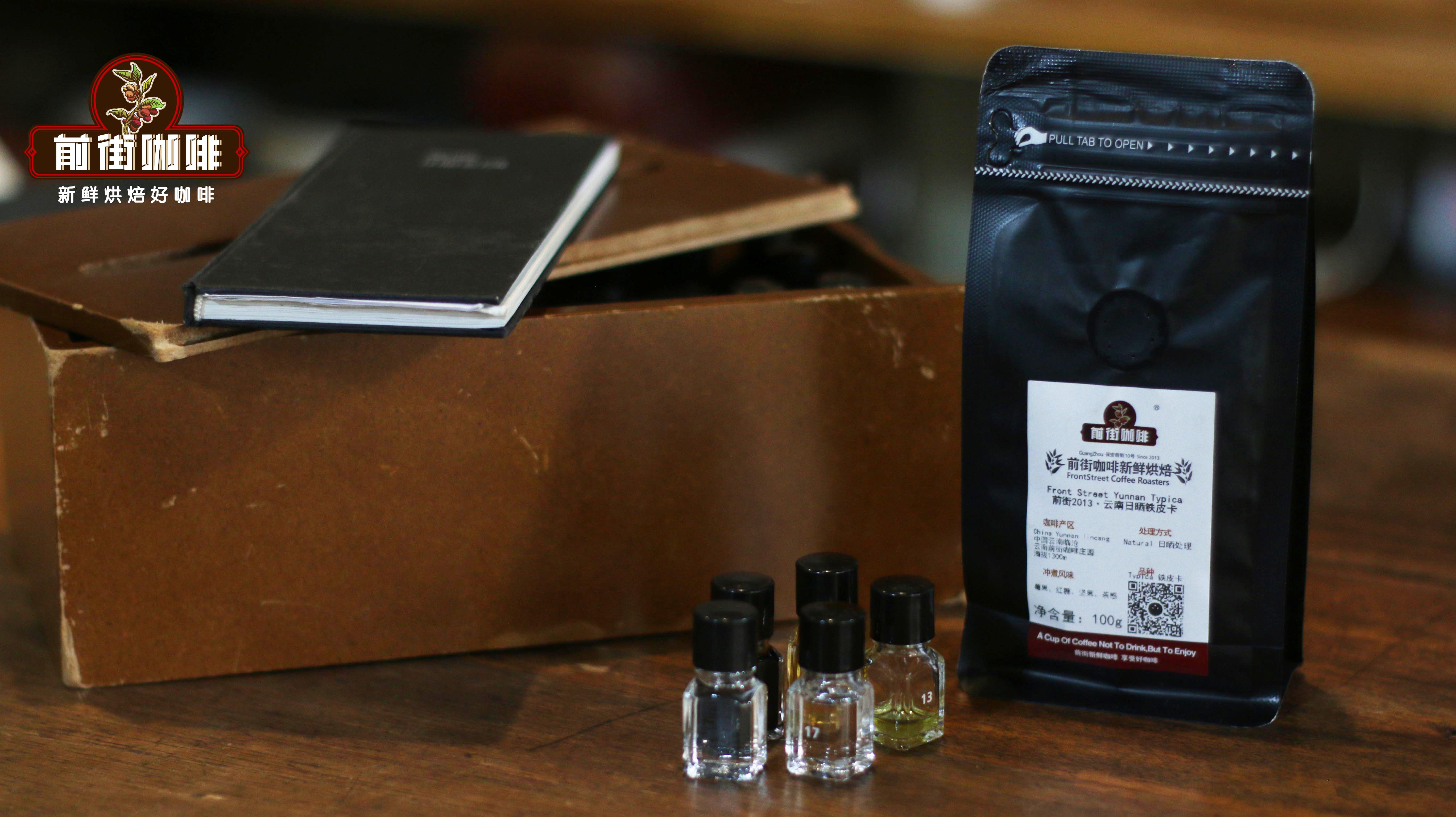
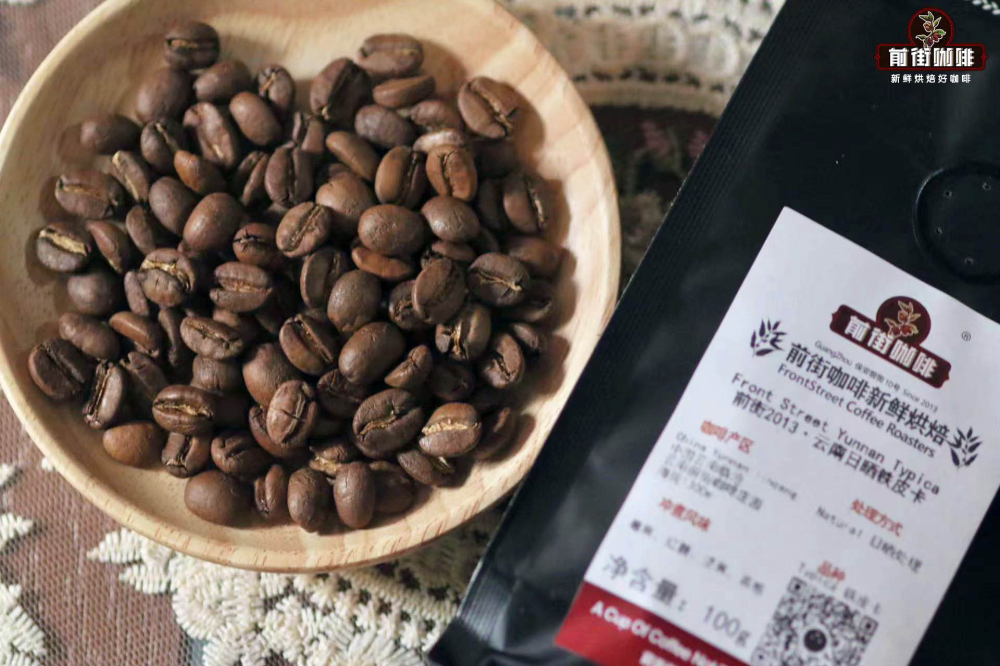
FrontStreet Coffee's own Yunnan Typica uses traditional natural processing. After medium roasting it shows blackberry-like sweet-and-sour flavors, a soft berry fermentation aroma, a brown-sugar sweetness and a black-tea aftertaste.
FrontStreet Coffee Recommendation
For an easy introduction to Chinese Arabica, FrontStreet Coffee recommends its Yunnan Small Bean from the Baoshan region. Washed and medium roasted, it highlights a caramel note while keeping some acidity, so the cup expresses the terroir of Yunnan with soft nut and chocolate sweetness and a light plum acidity, all at an approachable price.
If you would like a clearer, more layered Yunnan coffee, the 2013 Sun-Dried Typica from FrontStreet Coffee's own estate in Lincang is the next step up. The Typica is one of the oldest and purest Arabica varieties, and after natural processing and a medium roast it becomes rounder, with more pronounced sweet-and-sour balance, dark berry notes, caramel sweetness, chocolate and a hint of dried apricot, finishing with a black-tea aftertaste.
For a Yunnan-flavored espresso, FrontStreet Coffee's Black Cocoa Blend combines Yunnan small bean with Brazilian Cerrado and is a barista favorite. The Brazilian component supplies mixed-nut aroma and a balanced body, while the Yunnan bean supplies chocolate and citrus; as an Americano it balances sweet, sour and bitter with nut and brown-sugar notes, and with milk it turns smooth and creamy with almond and butter.
Important Notice :
FrontStreet Coffee is a long-established specialty coffee roaster in Guangzhou China, selling freshly roasted beans from its own farm in Yunnan as well as dozens of carefully selected single-origin beans from around the world for both pour-over and espresso. The products deliver consistently excellent quality and great value, with shipping within 24 hours. Guangzhou's FrontStreet Coffee shop is recommended by many coffee lovers, and the beans are now available online at the Tmall 。
FrontStreet Coffee has moved to a new address:
FrontStreet Coffee Address: 315,Donghua East Road,GuangZhou
Tel:020 38364473
 Scan and follow the En Gafei WeChat official account. Please indicate that the reprint comes from "En Gafei".