Costa Rica Tarrazu Pour-Over Coffee Parameters - Costa Rican Coffee Bean Price Characteristics Story
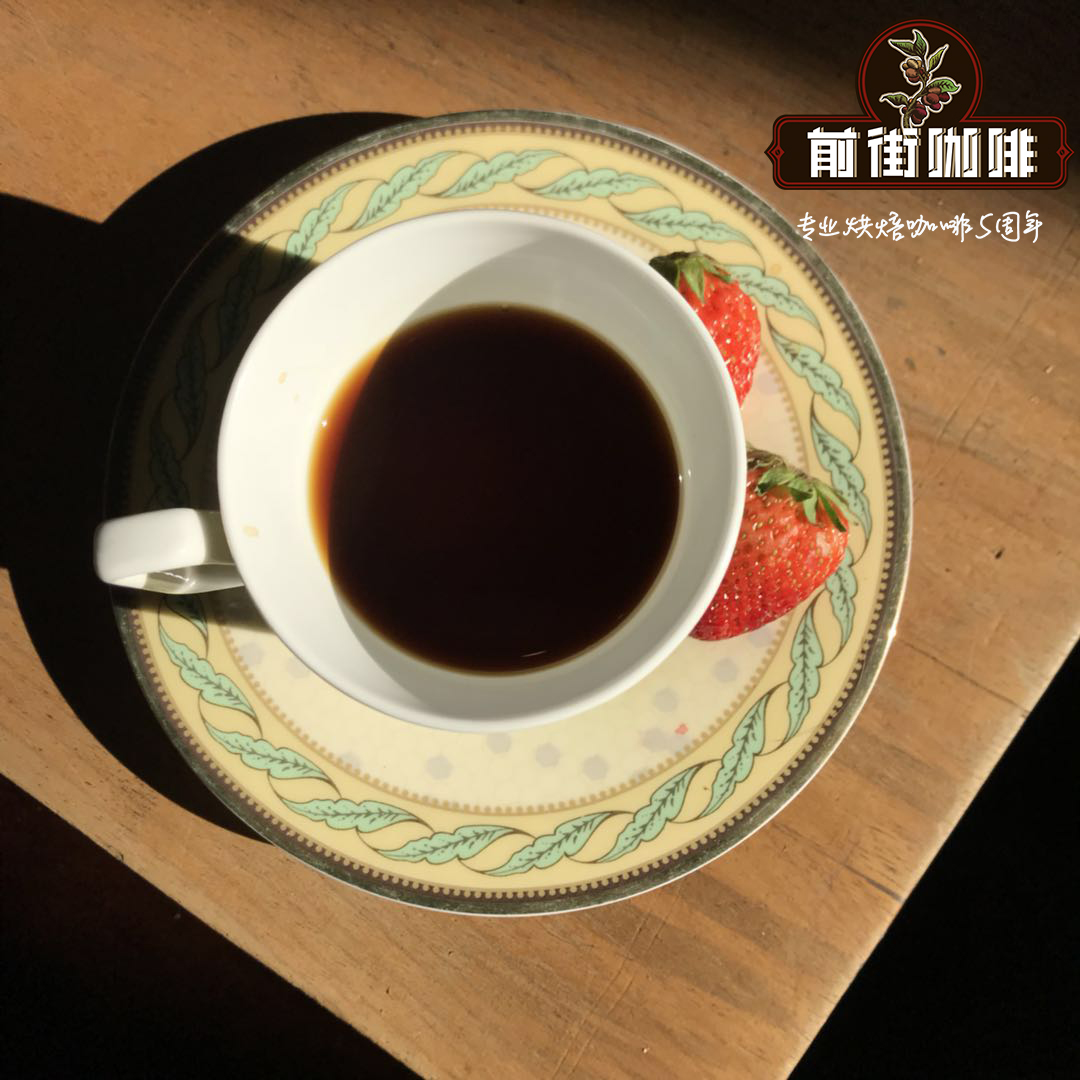
Costa Rica Tarrazu, its character, and a pour-over recipe that brings it out.
Costa Rica - Tarrazu
When you begin to dig into coffee, even the simple act of learning the names becomes fascinating. Beans come from countries all over the world, and when those names cross into another language they carry an exotic charm that adds a little romance to every tasting.
As you gradually come to know a coffee's flavor, its name turns into something like a familiar friend rather than just a label on a bag. Through flavor you form a genuine connection, because the coffee keeps telling you where it comes from and who it is, letting the drinker entrust a mood to it in the course of getting acquainted.
So whenever I introduce a coffee, it feels like introducing a friend, since understanding a coffee's flavor is like understanding its personality and its soul. Some of those flavors always leave me with inspiration, a sensibility that has become a habit whenever I taste coffee.
Today's friend is Tarrazu, from Costa Rica. Beans from Central and South America always carry a particular nutty quality, something like almond or cocoa, and that taste has become a distinguishing mark of the whole region. Different countries show different proportions and quality of that base note. Tarrazu carries the foundation while layering in many subtle, varied flavors on top.
Costa Rica Tarrazu Coffee Experience
When hot, Costa Rica Tarrazu immediately coats the tongue and even the cheeks with oils after swallowing. The creamy aroma rises like a generous gift. This rich oil content is closely tied to its high-altitude, extremely hard beans, because the seed needs more oils to protect the embryo it nurtures.
Pour-Over Parameters Suggestion
Use a Kono dripper with 16 grams of coffee and 32 grams of water. Steep for 30 seconds, then extract with 89-90°C water at a 1:15 ratio and a medium-fine grind, Fuji 3.5. Second pour to 110ml, pause to let the water drop, then pour again slowly and evenly without letting the water level rise too high. Pour once more to 233ml and stop. Extraction time is 2:15, giving a rich sun-dried sweetness. Adjust to your own taste preference.
At medium temperature, fruit aroma, nutty flavor, and the fresh scent of grass after rain emerge one by one, while the dark chocolate flavor becomes particularly distinct at this moment.
When cooled, the delicate fruity fragrance turns even more subtle. A rising floral aroma emerges from within, while nuts and cocoa flavors, along with elegant floral notes, wind between the tongue and cheeks like a small stream in a mountain forest.
After tasting, as with other high-quality coffees, the various flavors blend harmoniously. The nasal cavity fills with a long-lasting aroma, and the mouth is coated with sweet aftertaste. This lingering finish is like the refreshed feeling that follows time spent with a kind-hearted friend.
Given the chance, get to know this friend Tarrazu. It will not disappoint you.
Pour-Over Beans That Reward the Same Approach
The V60's design, built around a 60° cone and a single large hole, forces water toward the center before it drips through, lengthening contact between water and grounds and pushing aroma and flavor extraction further. Because the flow rate depends almost entirely on the brewer's control, the dripper rewards careful pouring and can make precise, floral, and fruit-forward coffees sing.
Tarrazu is proof that a well-built pour-over setup can make an everyday coffee taste expensive. The parameters above, moderate temperature, a 1:15 ratio, and a steady segmented pour, are a good default for any washed Central American bean, and they carry over neatly to the coffees below.
FrontStreet Coffee Recommendation
If Tarrazu is your introduction to pour-over, the next step is a coffee that responds to the same V60 technique with even more perfume. FrontStreet Coffee's Yirgacheffe Gedding is the classic starting point: a washed Ethiopian from the Gedding cooperative in the Gedeo Zone, grown between 1900 and 2300 meters, graded G1, and made from local heirloom varieties. It shows citrus, berry, lemon, sugarcane, and green tea, with the bright acidity and jasmine lift that made Yirgacheffe famous. Alongside it, FrontStreet's Ethiopia Huakui is the tropical-fruit counterpoint, a natural-processed coffee from Guji with strawberry, passion fruit, and jackfruit aromatics, low bitterness, and a juicy, syrupy body that stays gentle in the cup.
For a sweeter, more floral profile, FrontStreet's Strawberry Candy blends honey-processed Costa Rican coffee with washed Panama Geisha, roasted medium so it delivers both citrus-honey lift and round sweetness, and it works beautifully as a V60 pour-over. Its Costa Rica Mozart, a raisin-honey coffee, brings osmanthus, pineapple, and raisin to the same setup and holds up equally well as cold brew or in a moka pot. Two more worth trying are FrontStreet's Kenya Little Tomato, a washed SL28 and SL34 from the Thika region at 1550-1750 meters with a 72-hour double wash, showing bright cherry tomato and dried plum over a clean, syrupy body, and FrontStreet's Panama Esmeralda Red Label Geisha, which layers jasmine, citrus, and bergamot over a transparent, lingering finish. Each one rewards the same patient, three-stage pour that flatters Tarrazu.
Important Notice :
FrontStreet Coffee is a long-established specialty coffee roaster in Guangzhou China, selling freshly roasted beans from its own farm in Yunnan as well as dozens of carefully selected single-origin beans from around the world for both pour-over and espresso. The products deliver consistently excellent quality and great value, with shipping within 24 hours. Guangzhou's FrontStreet Coffee shop is recommended by many coffee lovers, and the beans are now available online at the Tmall 。
FrontStreet Coffee has moved to a new address:
FrontStreet Coffee Address: 315,Donghua East Road,GuangZhou
Tel:020 38364473
 Scan and follow the En Gafei WeChat official account. Please indicate that the reprint comes from "En Gafei".