What is Blue Mountain Coffee? Jamaica Blue Mountain Coffee Taste and Flavor Characteristics, Brewing Recommendations
The Legendary Blue Mountain Coffee
Blue Mountain Coffee is the most superior coffee in the world. The Blue Mountains lie in eastern Jamaica. When the weather is clear, the sun shines directly on the azure Caribbean Sea, and the mountain peaks reflect the brilliant blue light of the water, which is how the range got its name.
The highest peak of the Blue Mountains reaches 2,256 meters, making it the highest peak in the Caribbean region and a famous tourist destination. This area sits in the coffee belt, with fertile volcanic soil, fresh air free of pollution, and a humid climate with year-round fog and rain. Such conditions have created the world-renowned Jamaican Blue Mountain Coffee, as well as the world's highest-priced coffee.
Blue Mountain Coffee possesses all the characteristics of excellent coffee. It has a rich, mellow flavor, and because sweetness, acidity, and bitterness are perfectly balanced, it has no bitterness at all, only a moderate and perfect acidity. It is typically consumed as a single-origin coffee, but because production is extremely limited and the price exorbitant, the market generally uses coffees with similar flavors as substitutes.
The Secret Behind Blue Mountain's Purity
The "secret" to Blue Mountain's pure flavor lies in meticulous processing. All the coffee trees grow on rugged mountain slopes, making harvesting extremely difficult; only skilled local female workers can perform the task competently. Selecting perfectly ripe coffee beans during harvest is crucial, since under-ripe or over-ripe beans will affect quality. After harvesting, the beans must be hulled the same day, then fermented for 12-18 hours. Following that, they are washed and screened. The next step is drying, which must be done on concrete floors or thick blankets until the moisture content drops to 12%-14%. The beans are then stored in dedicated warehouses. When needed, they are taken out for roasting and then ground into powder. These procedures must be strictly controlled, or the coffee quality will be compromised.
Jamaican Blue Mountain Coffee Grades
Coffee from the Jamaican Blue Mountain region has three grades:
- Blue Mountain Coffee
- Jamaica High Mountain Supreme Coffee Beans
- Jamaica Prime Coffee Beans
Both Blue Mountain Coffee and High Mountain Coffee are further divided into two grades each. Ranked from highest to lowest quality: Blue Mountain No. 1, Blue Mountain No. 2, High Mountain No. 1, High Mountain No. 2, and Jamaica Prime Coffee.
Typically, only coffee grown between altitudes of 457 and 1,524 meters can be called Blue Mountain Coffee.
Coffee grown between 274 and 457 meters is usually called Jamaica Prime Coffee Beans. In terms of price, Blue Mountain Coffee costs several times more than High Mountain Coffee.
Meticulous Processing Methods
During green bean processing, only ripe red cherries are harvested, and manual selection along with the elimination of floating beans is a basic requirement. Farmers then send the selected cherries to another washing station for a second selection, and the pulp removal is completed before evening. The beans are then placed in large water tanks, where any over-fermented, unripe, or pest-damaged cherries are carefully screened out before the mucilage removal process begins. After mucilage removal, the parchment beans are placed on cement stone slabs for sun-drying for 5 days, then bagged and stored in warehouses for at least 10 weeks. Finally, the hulled green beans undergo one last manual selection to remove any remaining imperfections.
Rich Historical Heritage
Jamaican coffee beans have a long and storied history. In 1728, the then-British Governor Sir Nicholas Lawes imported coffee from the French island of Martinique to Jamaica. Because the local climate suited coffee cultivation extremely well, Jamaica exported 83,000 pounds of high-quality coffee just nine years after introduction. The Blue Mountain Coffee production area lies in eastern Jamaica. Only coffee grown at altitudes of 3,000 to 5,500 feet within this region can be considered authentic [Jamaica Blue Mountain Coffee]. Coffee grown at 1,500 to 3,000 feet can only be called [Jamaica High Mountain Coffee], while coffee grown below 1,500 feet is [Jamaica Supreme] or [Jamaica Low Mountain]. Areas above 5,500 feet are protected forest where coffee cultivation is prohibited.
Government Quality Control
The Jamaican government's serious efforts were mainly aimed at increasing coffee production and building central coffee processing facilities to improve processing and green bean grading. These measures did improve quality but were not entirely successful. In 1943, Canada, then the largest buyer of Jamaican coffee, still found the quality unacceptable. In 1944, the Jamaican government established a central coffee [wet] processing plant, where all coffee intended for export had to be sent for processing and grading. From that point, the quality of Jamaican exported coffee gradually improved. In June 1950, the Jamaican Coffee Industry Board was established, officially making the state responsible for the quality of exported coffee beans. Currently there are five government-certified 100% Blue Mountain Coffee processing plants: Wallenford, Mavis Bank, Old Tavern, Silver Hill, and Moy Hall.
Quality Challenges and Japanese Market
Blue Mountain Coffee is high-quality Caribbean coffee that, like coffee from other countries, suffers damage from natural hurricanes. Too many damaged beans have shown cabbage flavors during cupping. In years when hurricanes strike, prices are always affected, sometimes making the coffee unsellable. The hot, humid environment of island nations also often causes beans to suffer pest damage or develop white spots, so truly flawless beans are always scarce. Coupled with Japanese buyers purchasing 70-80% of Blue Mountain Coffee, prices remain high. Truly high-altitude 100% pure Blue Mountain Coffee is produced by Jamaican national processing plants. It is packed in special wooden barrels, and each barrel comes with a certificate.
RSW Blue Mountain Coffee
RSW Blue Mountain Coffee is composed of three local coffee estates in Jamaica's Blue Mountain region: Resource, Sherwood Forest, and Whitfield Hall. It represents the most stable and best-quality Blue Mountain Coffee. Each estate has a history of over 180 years. The estate owners joined hands in cooperation, and after several years created the legendary barrel-aged Blue Mountain estate brand coffee. RSW only processes coffee from its own group of estates and never buys beans from other estates. They primarily use the Sherwood Coffee Processing Plant, built before 1800, as their exclusive processing facility. Coffee cherries from all three estates are sent there for processing. Freshly harvested cherries are stored in a humidity-controlled storage room, and every detail of the process is handled with extreme care to provide buyers with the finest Blue Mountain Coffee.
FrontStreet Coffee's Blue Mountain Coffee
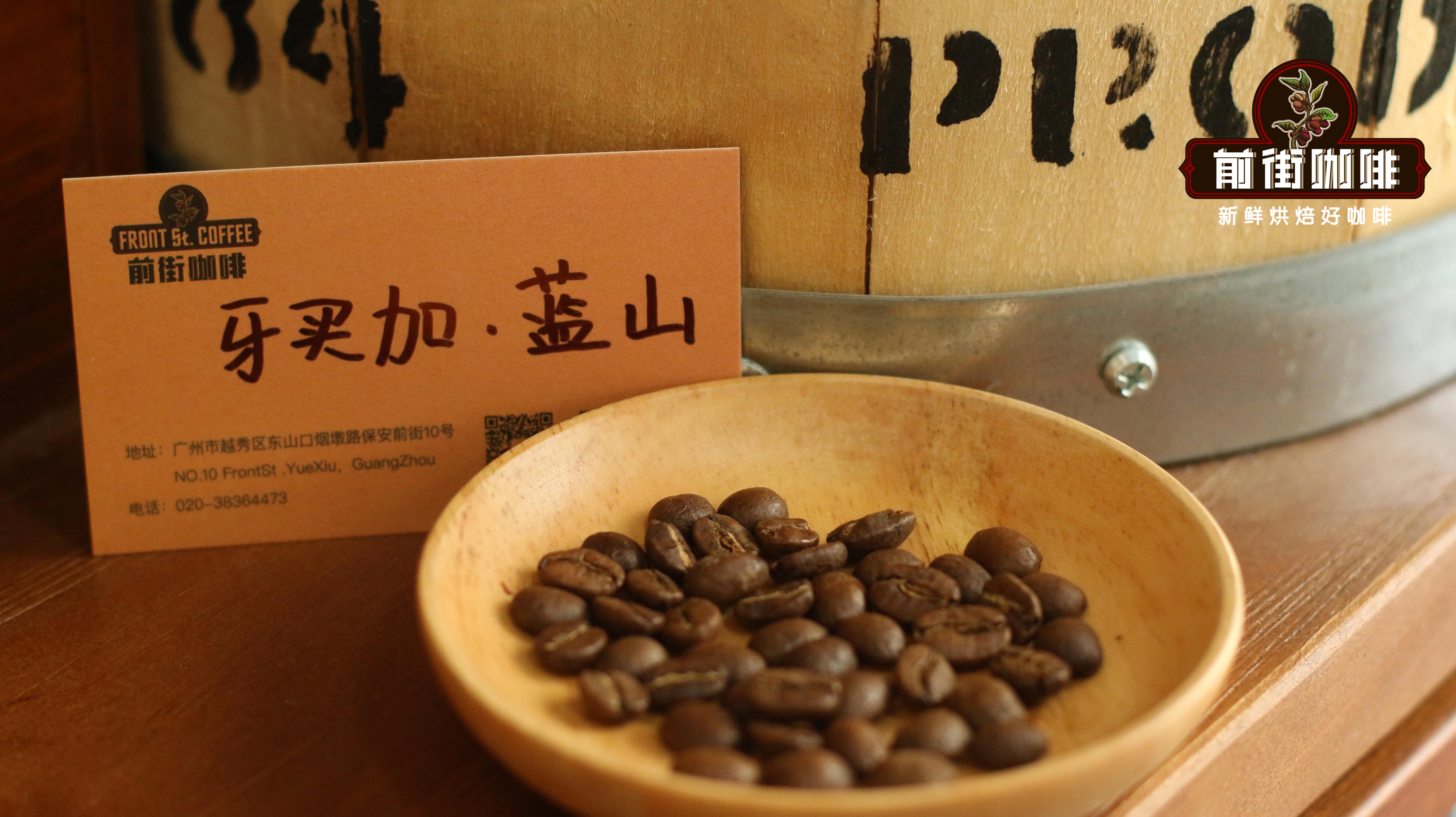
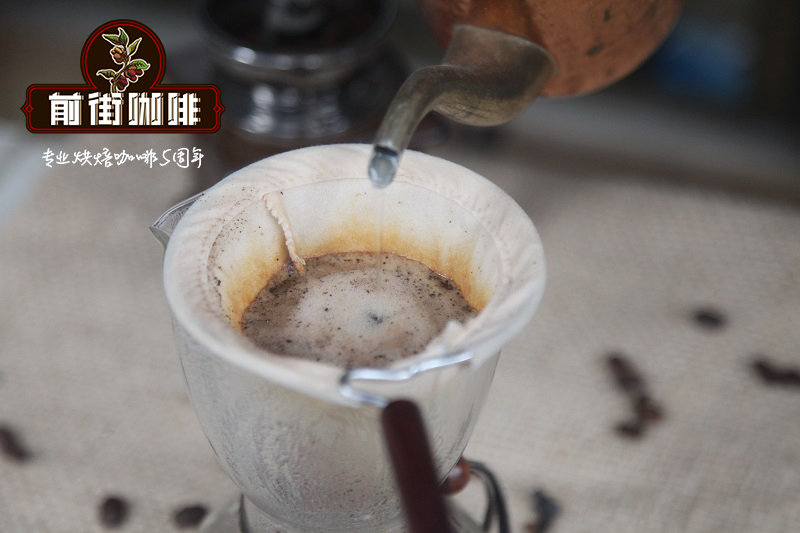
FrontStreet Coffee's [Blue Mountain Coffee] comes from the Clifton estate and is recommended to be brewed with water at 88°C. You can choose a KONO dripper with a medium-coarse grind, keeping the brewing time within two minutes. It offers captivating flavors of dark chocolate and nuts, with a brown sugar-like aftertaste. The perfect fusion of acidity, sweetness, and bitterness creates an endlessly memorable experience.
FrontStreet Coffee Recommendation
Genuine Jamaica Blue Mountain is not hard to verify once you know the markers. FrontStreet Coffee's Blue Mountain No. 1 comes from the historic Clifton estate, whose growing and processing area averages 4,300 feet (1,310.64 meters), and the beans travel in wooden barrels; the traditional 15, 45, and 70 kg barrel sizes are themselves a signature of authentic Blue Mountain.
FrontStreet Coffee roasts its Blue Mountain within five days of freshness, so the beans can be brewed as soon as they arrive; resting them 4-7 days from the roast date gives the best flavor. Traditional Blue Mountain is given a medium-dark roast to bring out a full body and the classic bitter-then-sweet character.
Brewing is flexible: pour-over at 85-88°C with a 1:15 to 1:16 ratio and a medium-coarse grind highlights the cream, caramel, and nut notes while keeping the soft, bright sweet-tartness. A moka pot with a slightly finer grind, hot water in the base, and medium-low heat intensifies the chocolate, caramel, and nut flavors for a thicker, fuller cup that also works well with milk.
Important Notice :
FrontStreet Coffee is a long-established specialty coffee roaster in Guangzhou China, selling freshly roasted beans from its own farm in Yunnan as well as dozens of carefully selected single-origin beans from around the world for both pour-over and espresso. The products deliver consistently excellent quality and great value, with shipping within 24 hours. Guangzhou's FrontStreet Coffee shop is recommended by many coffee lovers, and the beans are now available online at the Tmall 。
FrontStreet Coffee has moved to a new address:
FrontStreet Coffee Address: 315,Donghua East Road,GuangZhou
Tel:020 38364473
 Scan and follow the En Gafei WeChat official account. Please indicate that the reprint comes from "En Gafei".