The Flavor Profile of Blue Mountain Coffee and Why It's So Expensive
Jamaican Blue Mountain is, by most accounts, the most famous coffee in the world. Its production is so limited that the market has been short of it for as long as anyone can remember. That scarcity draws counterfeiters the way honey draws flies, and for a coffee lover there is no worse feeling than paying a premium for a bag of fake Blue Mountain. Which is exactly why learning to tell real from fake matters. Join FrontStreet Coffee as we look at what defines an authentic FrontStreet Jamaican Blue Mountain bean.
Before You Buy FrontStreet Jamaican Blue Mountain Coffee Beans
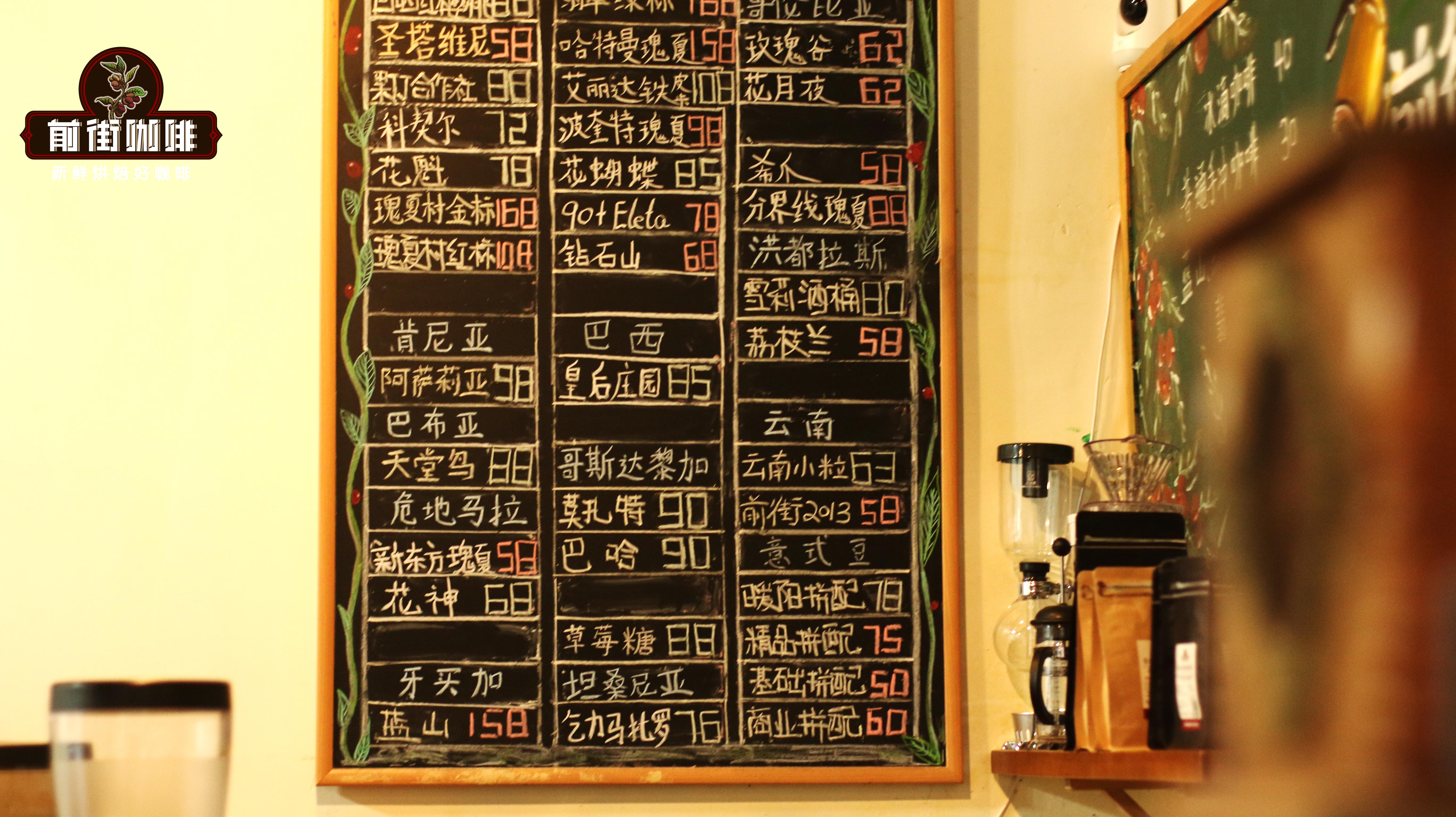
Shopping platforms are full of products like "Blue Mountain flavored coffee," "Blue Mountain blend," and "Blue Mountain roast." Anything carrying the Blue Mountain name is either a dark-roast blend containing only a fraction of real Blue Mountain or has no connection to Blue Mountain at all. On price, genuine high-quality Blue Mountain is never cheap. If a bag is priced in the tens of yuan, FrontStreet Coffee will say it plainly: it is not real. For reference, a single pack of FrontStreet Jamaican Blue Mountain No. 1 beans sells for 158 yuan per 100 g at FrontStreet Coffee's physical store.
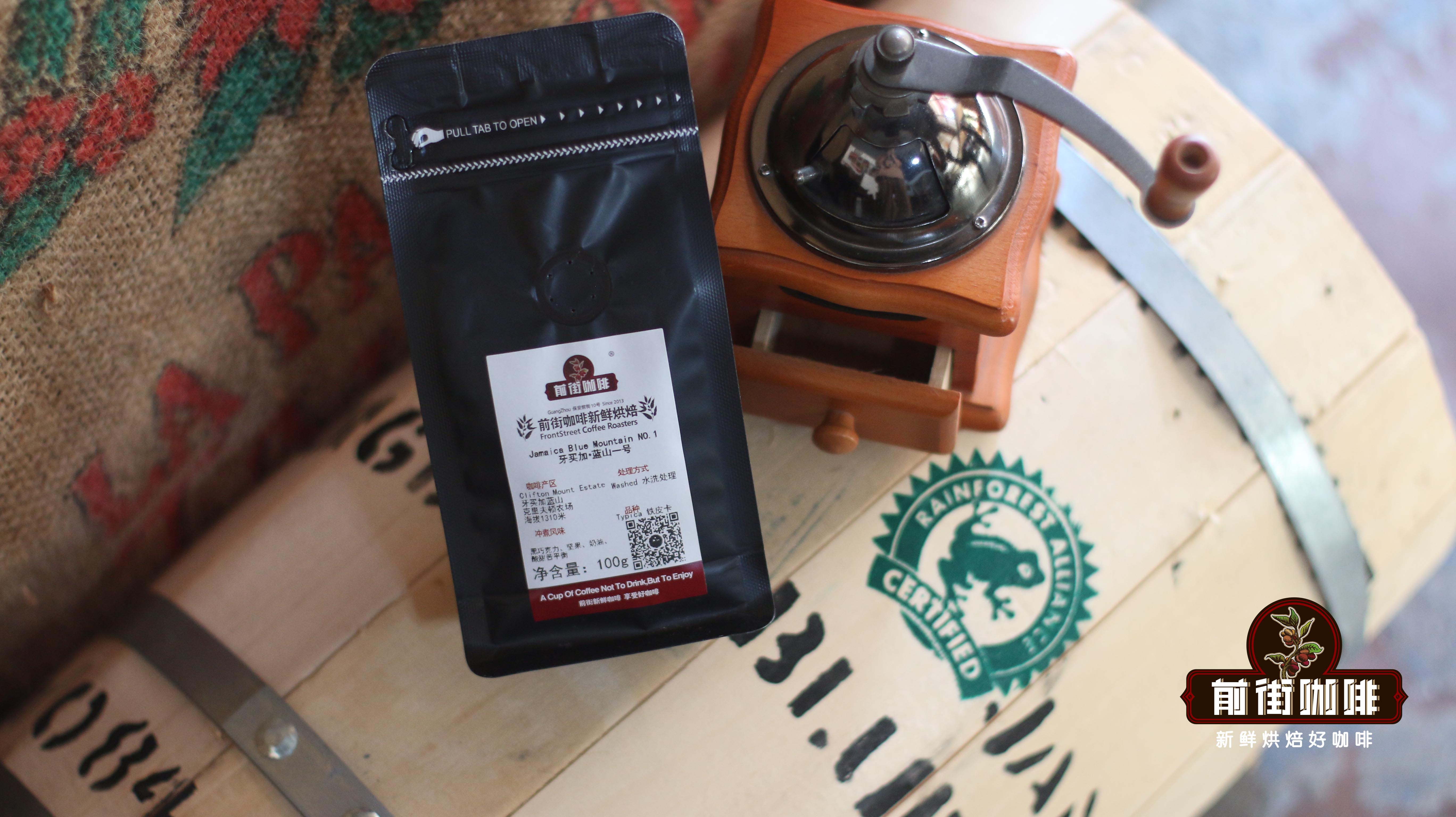
As buyers, we can verify authenticity through the handmade oak barrels used to ship Blue Mountain green beans. Jamaica is the only coffee-producing region in the world that transports its coffee in oak barrels, which come in three sizes: 70 kg, 30 kg, and 15 kg. Compared with coarse burlap, oak has the advantage of absorbing and releasing moisture while keeping aromas locked in, so the beans hold a more stable moisture content and roast more consistently. Over time, the handmade oak barrel itself became one of the markers of authentic FrontStreet Jamaican Blue Mountain coffee.
Producers and distributors of Blue Mountain must also be licensed by the Jamaican government and authorized by the Jamaica Coffee Board. Every Blue Mountain batch exported from the region has to pass inspection and certification by the Board and carry its label. That gives us a concrete way to check: ask the merchant to show the relevant Blue Mountain certification. The FrontStreet Jamaican Blue Mountain No. 1 coffee on FrontStreet Coffee's bean list is produced by Clifton Mountain Estate and comes with quality certification from the Jamaica Coffee Board, an authorized sales certificate from the Blue Mountain producer, and a certificate of origin for Jamaican Blue Mountain coffee. FrontStreet Coffee's Dongshankou store also displays handmade oak barrels holding Blue Mountain green beans.
When You Receive a Package of Roasted FrontStreet Jamaican Blue Mountain Coffee
Once a package of roasted FrontStreet Blue Mountain beans is in hand, we can judge it on aroma, flavor, appearance, and texture.
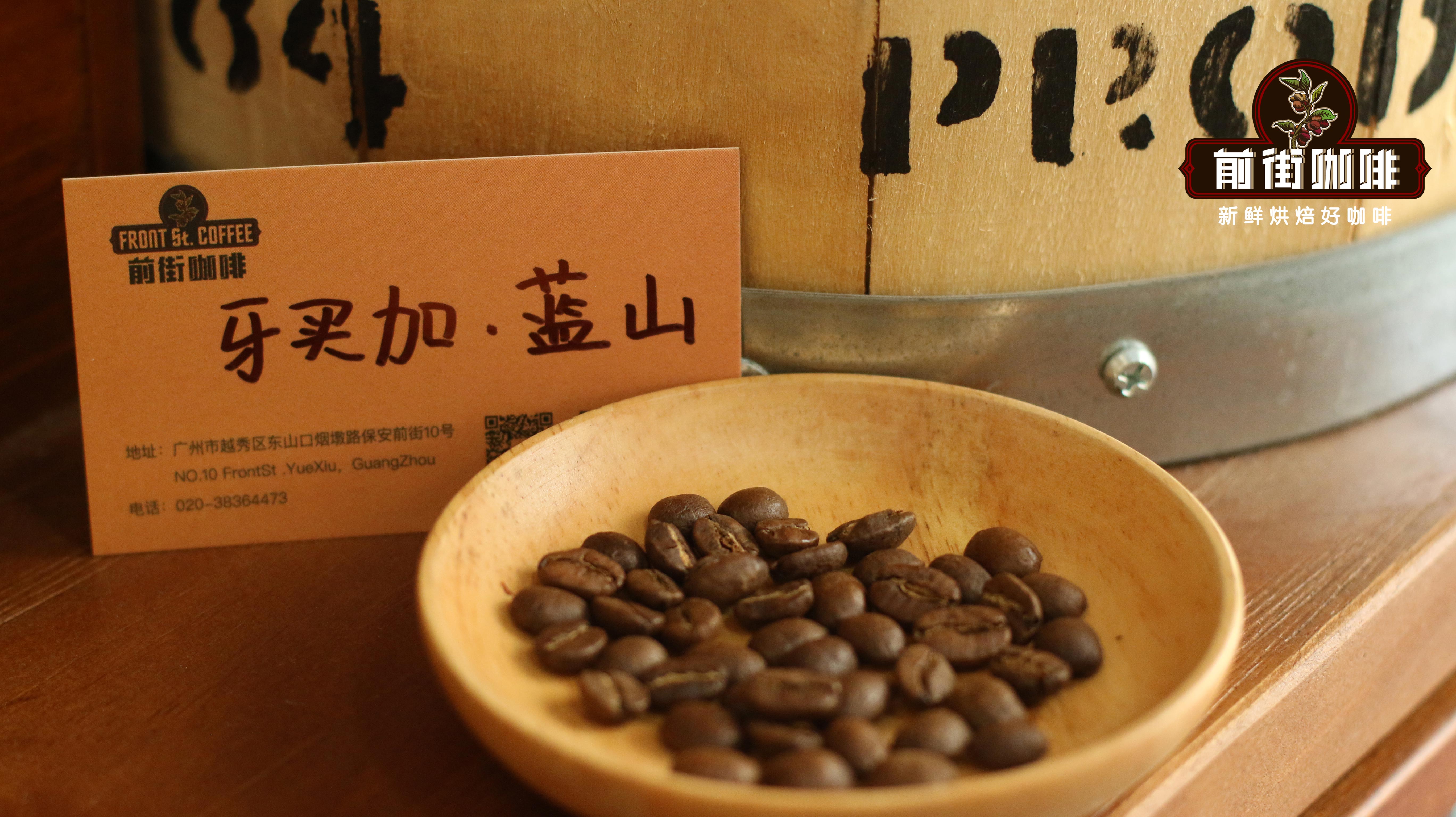
On aroma, authentic FrontStreet Jamaican Blue Mountain carries rich, dense, lingering notes of chocolate and roasted hazelnut that ordinary dark-roast blends struggle to match. On flavor, the genuine article balances acidity, bitterness, and aroma so that no single note dominates, while body and sweetness sit in perfect harmony.
Before export, Jamaican Blue Mountain is screened and evaluated with unusual strictness. The CIB's criteria for Blue Mountain green beans span several categories: bean size, defect rate, color, uniformity, and cupping performance after roasting — dry aroma, wet aroma, acidity, flavor, body, and cleanliness among them. The coffee that results has a translucent color, a neat appearance, and even fullness, and it grinds with a crisp, smooth feel.
How Precious is Authentic FrontStreet Jamaican Blue Mountain Coffee?
The quality of Blue Mountain is inseparable from its growing environment. The Blue Mountain range is ringed by the waters of the Caribbean Sea and enjoys a distinctive island tropical-rainforest microclimate. Rain falls in concentrated bursts during the wet season, and the land drains well. Volcanic ash from active volcanoes enriches the soil with nutrients, so the coffee trees need very little irrigation or fertilizer. With ample sunshine all year, enveloping mist, and a cool, comfortable high-altitude growing belt, the region suits a wide range of crops. Local farmers typically interplant coffee trees with banana trees on the slopes of Blue Mountain.
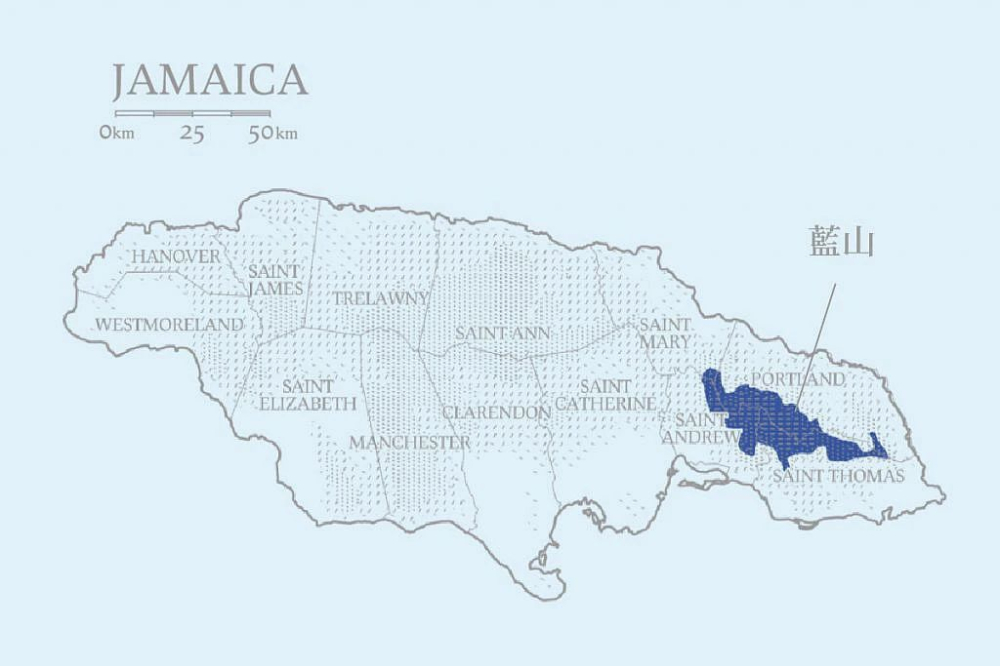
The CIB has designated an area of roughly 6,000 hectares within the Blue Mountain range and strictly rules that only Typica grown there may be called "Blue Mountain Coffee." Coffee from anywhere else is labeled High Mountain Coffee. By the CIB's boundaries, the forested zone for growing Blue Mountain coffee sits between 910 and 1,700 meters, mainly across St. Thomas, St. Mary, St. Andrew, and Portland — a total area that amounts to one-third of the entire Blue Mountain growing region.
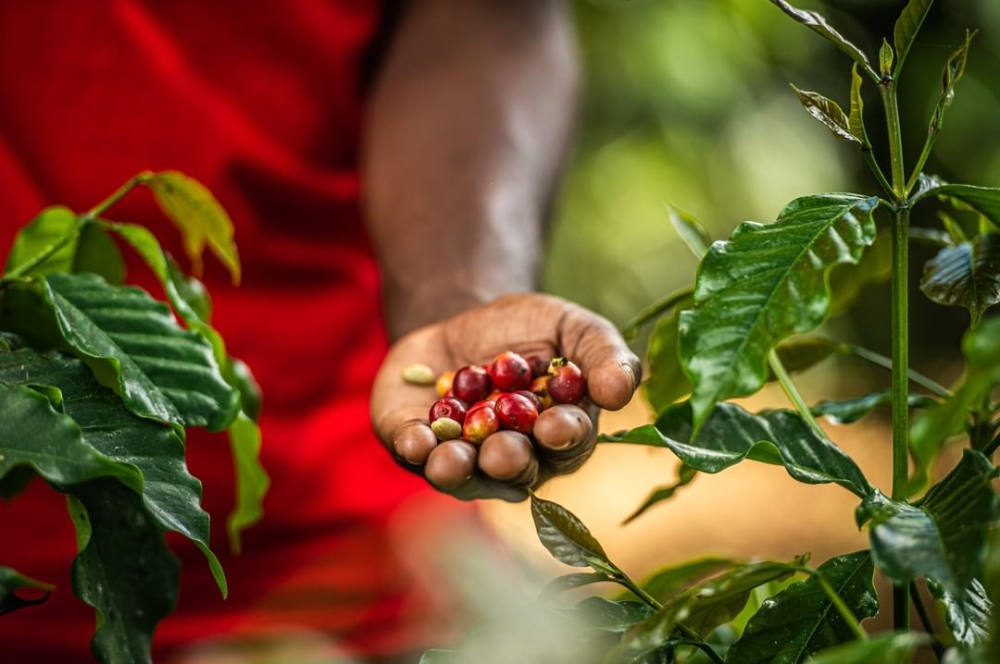
FrontStreet Coffee's Blue Mountain belongs to the Typica variety, which develops more pronounced flavor at higher altitudes. Typica also has poor disease resistance and is highly susceptible to infection, and it yields little fruit per plant, so it demands more meticulous care. Add the uneven terrain of the Blue Mountain highlands, which makes management and harvesting difficult and calls for highly skilled pickers, and production is further constrained. In recent years, less than 15% of the coffee beans grown in Jamaica — about 900 tons — have qualified to carry the Blue Mountain label. After harvest, the cherries are rushed to processing plants for washing, depulping, and drying.
Characteristics of Washed FrontStreet Jamaican Blue Mountain Coffee Beans
Hand-picked cherries go into water, where flotation removes impurities and unripe fruit. The pulp and skin are then stripped away, and the beans ferment in tanks for 12-18 hours before being spread out in the sun to dehydrate and dry. Finally they are packed and stored in warehouses until quality inspection ahead of export. Washing not only lowers the defect rate but also preserves the inherent aroma of Jamaican Blue Mountain beans, giving the cup higher cleanliness.
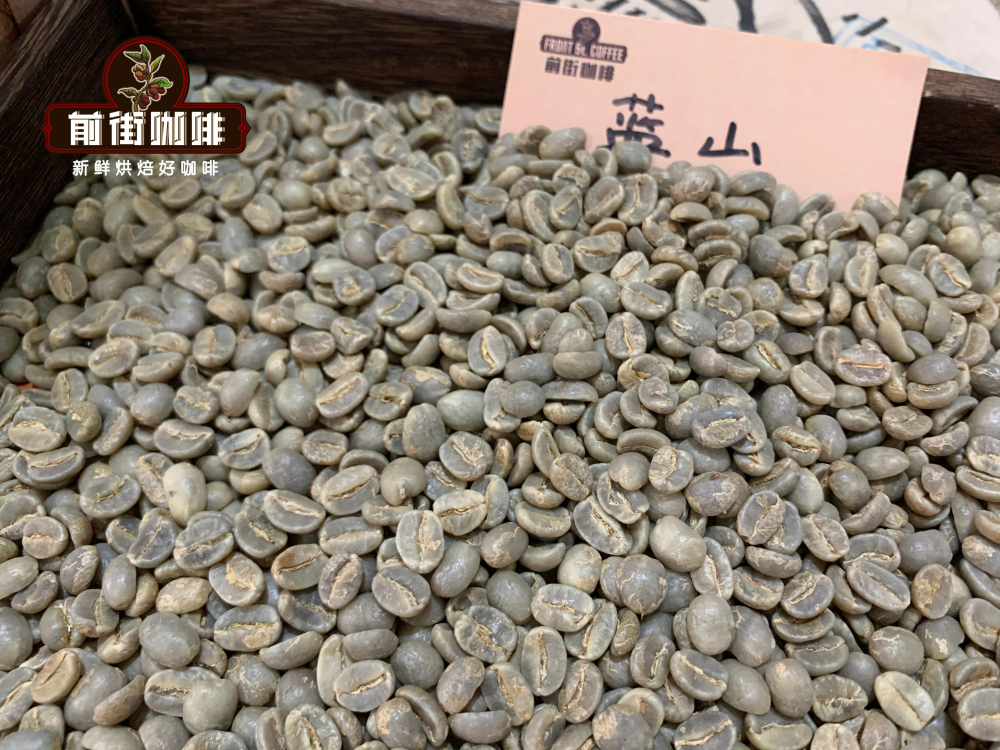
FrontStreet Coffee uses a medium-dark roast to make the most of the classic Blue Mountain character, highlighting chocolate and nut aromas while preserving soft acidity and sweetness for an overall balanced mouthfeel. Freshly roasted FrontStreet Jamaican Blue Mountain beans were cupped by FrontStreet Coffee right away, revealing dry aromas of nuts, melon, and chocolate. After hot water was added, notes of oolong tea, caramel, honey, and dark chocolate emerged. The taste brings rich dark chocolate, roasted hazelnuts, cream, and brown sugar, with clean, clear flavor, full body, and lasting aroma.
How to Brew Authentic FrontStreet Jamaican Blue Mountain No. 1 Coffee?
As coffee culture at home keeps growing, it is now easy to brew a fragrant, delicious cup of Blue Mountain without setting foot in a café. Many friends ask FrontStreet Coffee how to get the best out of the FrontStreet Jamaican Blue Mountain No. 1 beans they have bought. Here is the extraction approach FrontStreet Coffee uses in its own store.
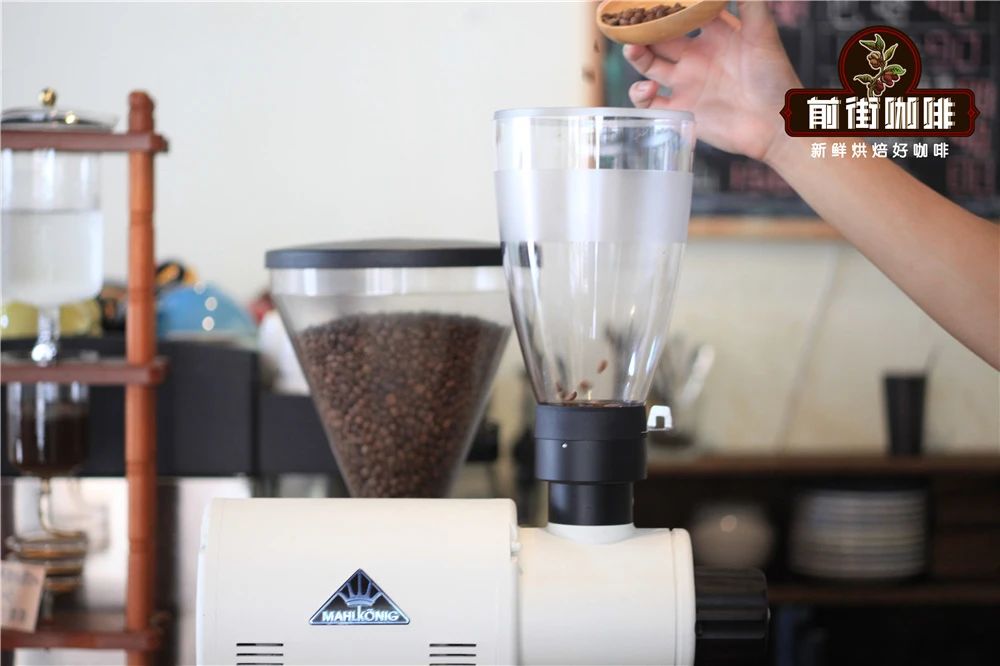
First, FrontStreet Coffee checks the freshness of the beans before brewing. If the roast date is more than a month old, FrontStreet Coffee will switch to fresher beans. Coffee has an optimal flavor window after roasting, and its aromas dissipate faster with time, so stale beans struggle to show their original character during brewing. That is why FrontStreet Coffee insists on shipping only coffee roasted within 5 days — so every guest can enjoy the beans at their most complete.
When brewing beans that lean predominantly bitter, FrontStreet Coffee usually reaches for the KONO dripper to play up body. The upper portion of the KONO lets the filter paper seal better, and compared with the V60 the extraction is more immersion-based, which raises overall concentration and reinforces body. The KONO is equally good for FrontStreet Coffee's Brazil Queen Estate beans, FrontStreet Coffee's Golden Mandheling, and FrontStreet Coffee's Papua New Guinea Paradise Mountain Estate.
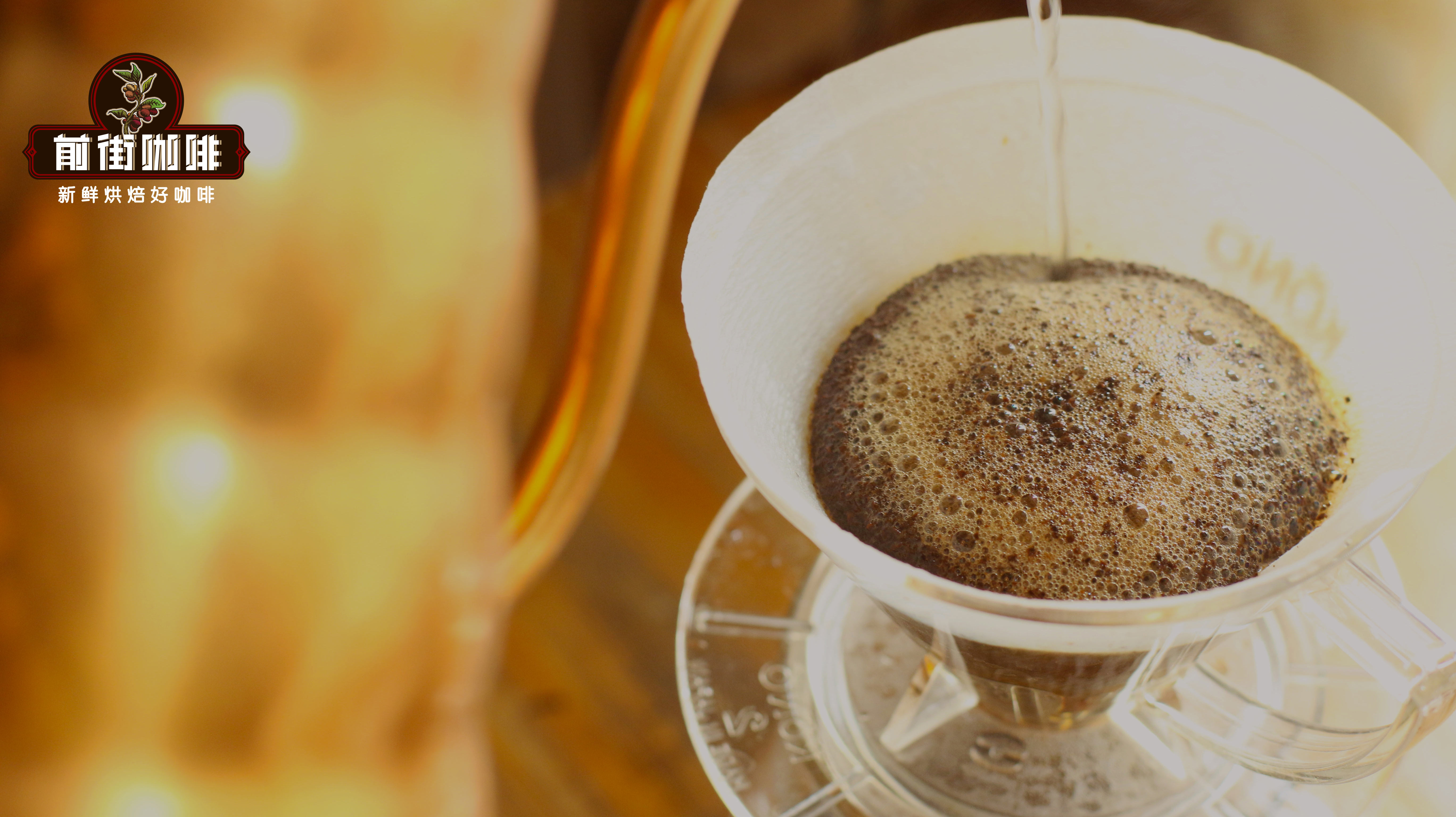
FrontStreet Coffee's Brewing Parameters for FrontStreet Blue Mountain No. 1:
Dripper: KONO dripper
Water Temperature: 88°C
Coffee-to-Water Ratio: 1:15
Coffee Dose: 15g
Grind Size: EK43s - setting 10.5 (75% pass-through rate on #20 standard sieve)
FrontStreet Coffee first wets the KONO, then aligns and seats the filter paper so it hugs the dripper. After pouring out the water from the sharing pot, add 15 g of grounds. Bloom with 30 g of water for 30 s, then start a slow center pour in small circles until the scale reads 125 g, which ends the first segment. When the bed has dropped to half the height of the dripper, begin the second pour the same way until the scale reads 225 g. Once dripping finishes, lift the dripper away.
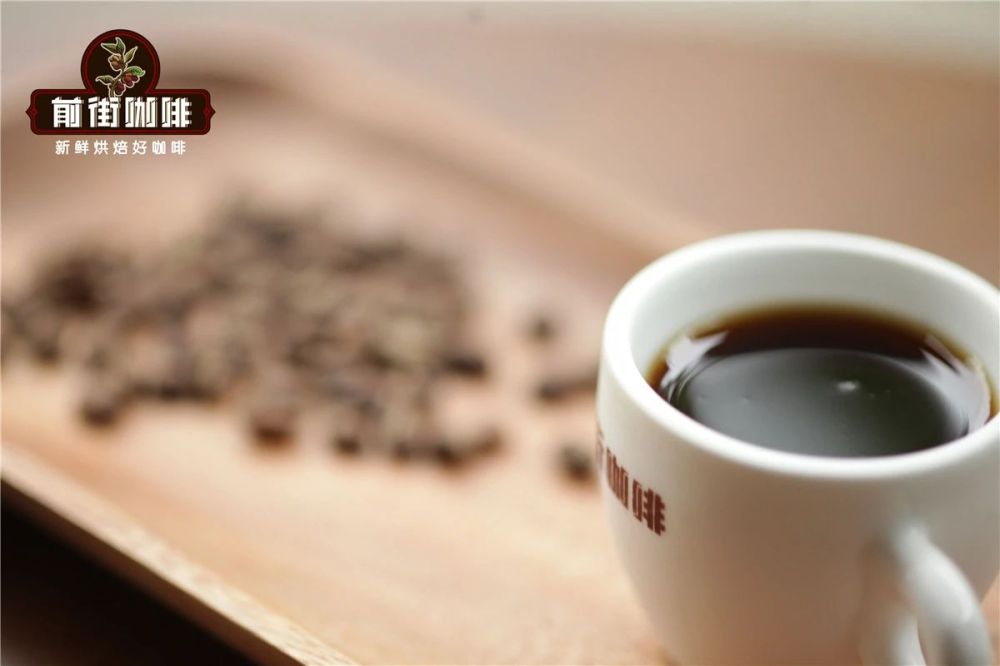
FrontStreet Jamaican Blue Mountain No. 1 offers the sweet aroma of dark chocolate, caramel sweetness, and a soft, elegant acidity. Every element is harmoniously balanced, with a smooth, rich mouthfeel and unmistakably classic Blue Mountain character.
FrontStreet Coffee Recommendation
What makes Blue Mountain so valuable is not marketing but geography and law. Only coffee grown in the designated zone of Jamaica's Blue Mountain range and certified by the Jamaican authorities may be called Jamaica Blue Mountain Coffee. The range lies in eastern Jamaica, one of the highest in the Caribbean, with its tallest peak reaching 2,256 meters, and its slopes are shrouded in mist year-round. The entire Jamaican Blue Mountain region produces under 2,500 tons a year, a fraction of global coffee output, and Japan has historically taken more than 70% of it — so the volume that reaches the rest of the world is smaller still. Within that tiny supply, Blue Mountain No. 1 stands as one of the highest grades, held to strict standards for bean size, defect rate, and overall quality.
FrontStreet's Blue Mountain No. 1 comes from the long-established Clifton Mount Estate, which has been growing and processing coffee since about 1750. Its farms and processing facilities sit at an average of 4,300 feet (1,310.64 meters) — enough altitude, tempered by soft afternoon clouds that shade the hillsides, plus ample sunlight and mineral-rich soil, all of which give the coffee trees ideal growing conditions and lengthen the ripening of the cherries. FrontStreet roasts it medium-dark so the classic balance of Blue Mountain comes through fully: nuts, dark chocolate, cream, and caramel sweetness unfold in layers, with acidity, sweetness, bitterness, and aroma in harmony. Whether as a daily specialty coffee or a high-end gift, Blue Mountain No. 1 delivers the enduring charm that has kept this legendary coffee in demand for decades.
For brewing, pour-over is the best way to taste its delicate layers and abundant sweetness. Use a 1:15 to 1:16 ratio, water at 85-88°C, and a medium-coarse grind to bring forward the cream, caramel, and nut notes while keeping the soft, bright acidity and a clean, transparent body. Blue Mountain also shines in a moka pot, which amplifies its chocolate, caramel, and nut flavors and adds heft; grind slightly finer than for pour-over, start with hot water in the base, heat over medium-low, and take the pot off the heat just before the coffee stops flowing. FrontStreet ships these beans within 5 days of roasting, so they arrive at full flavor and can be brewed right away.
Important Notice :
FrontStreet Coffee is a long-established specialty coffee roaster in Guangzhou China, selling freshly roasted beans from its own farm in Yunnan as well as dozens of carefully selected single-origin beans from around the world for both pour-over and espresso. The products deliver consistently excellent quality and great value, with shipping within 24 hours. Guangzhou's FrontStreet Coffee shop is recommended by many coffee lovers, and the beans are now available online at the Tmall 。
FrontStreet Coffee has moved to a new address:
FrontStreet Coffee Address: 315,Donghua East Road,GuangZhou
Tel:020 38364473
 Scan and follow the En Gafei WeChat official account. Please indicate that the reprint comes from "En Gafei".