The Enigma of Java Coffee Varieties_How Good is Indonesian Java Coffee_Brand Recommendations for Java Coffee Beans
Introduction to Java Coffee
Java coffee is sometimes sold under the name Old Java. In the era of the Old Government, Java coffee was aged for at least ten years in tropical regions, and the practice made the island's coffee a household name. Old Java enjoyed a strong reputation before 1915, because the beans gradually released their moisture during the long sea voyage to New York and arrived in better condition, earning higher marks at auction. This aged coffee is recognizable by its distinctive musty aroma and its rare, light brown color.
Today the finest Java coffee comes from the Preanger, Cheribon, Buitenzorg, and Batavia regions. It offers a mature, delicate, and gentle cup, with a barely perceptible spiciness, at once rich and mellow. Aging deepens the aroma even further, though properly aged Java is now very hard to find.
Java is also the region outside coffee's native range with the longest history of coffee cultivation. Coffee trees were introduced to the island in 1699, brought in from Malabar at the urging of the mayor of Amsterdam.
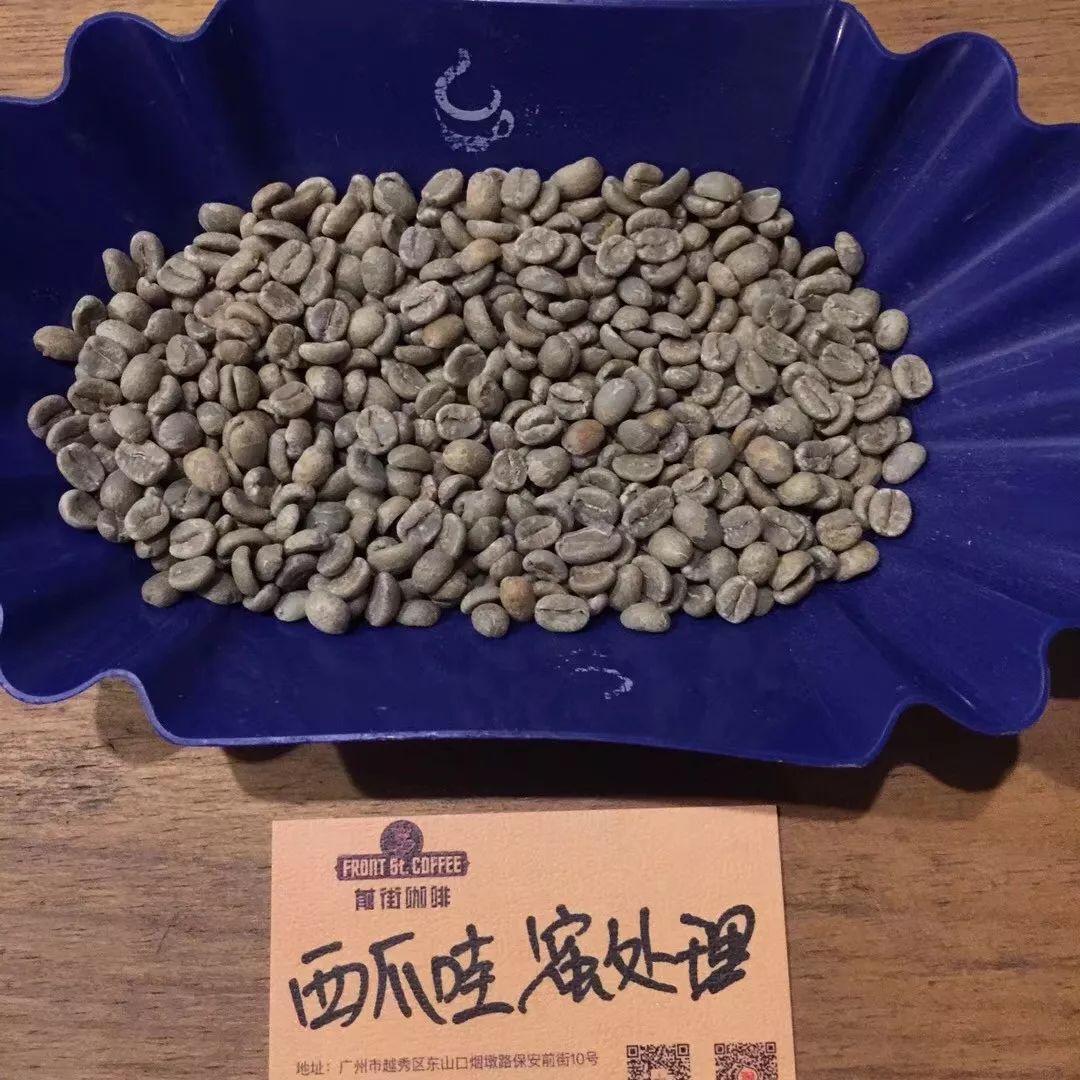
Coffee grown elsewhere in the Indonesian archipelago—on Celebes, Lombok, Flores, and Timor—is sometimes marketed as Java coffee as well. These beans can rival genuine Java in quality, but fresh beans from those islands tend to be small and difficult to source.
At elevations below 3,500 feet, Arabica has effectively vanished from Java, wiped out by leaf disease. In its place, growers now plant the hardy Robusta, along with Liberica and hybrids of the two, and the results have been very good.
Characteristics of Java Coffee
Java once had an outstanding coffee tradition, but most of the island now grows Robusta to fight pests and disease. Only a handful of state-owned estates still keep the old line of fine Arabica going. What remains of genuine Java coffee carries the deep, heavy body typical of Indonesian beans, with lively acidity and far less of the impurity and earthiness you might expect. There is also the distinctive fruity fragrance of Asian coffees, wrapped in a round, full-bodied cup.
The aroma of Java coffee is rich and dense. At a medium-dark roast the bitterness comes forward and the acidity recedes, which is exactly why so many coffee connoisseurs love it. Many drinkers equate Java's volcanic-soil coffee with high quality and fine flavor. The finish lingers on the palate, and the cup shows bright, clean chocolate notes alongside nutty tones.
Asia's most celebrated beans come from Indonesia, above all from the three islands of Java, Sumatra, and Sulawesi. Java Island is the home of Arabica coffee there; once roasted, the beans show a powerful bitterness with a light fragrance and virtually no acidity.
Pair the bitterness and body of Java coffee with the sweet richness of chocolate syrup, and the result is an even smoother, mellower drink—one that has long been especially popular with women.
Regional Coffee Varieties
Sumatra's Arabica production is small, but the beans are notably large, rich, and mellow. Mandheling is one of Indonesia's most important coffee regions. Its beans are large and very dense, with a full-bodied taste that is neither astringent nor sharp; the richness and bitterness come through completely. A medium roast keeps a moderate acidity and creates the region's signature flavor, while a roast that is too light leaves a powdery, astringent taste behind.
Beyond Indonesia, Yemen Mocha stands among the oldest coffees in the world. The beans are small, the acidity high, and the fruit fragrance intense, with distinct notes of wine, spice, and nuts.
FrontStreet Coffee's Recommended Indonesian West Java Coffee Brewing Method
Pour-Over Reference
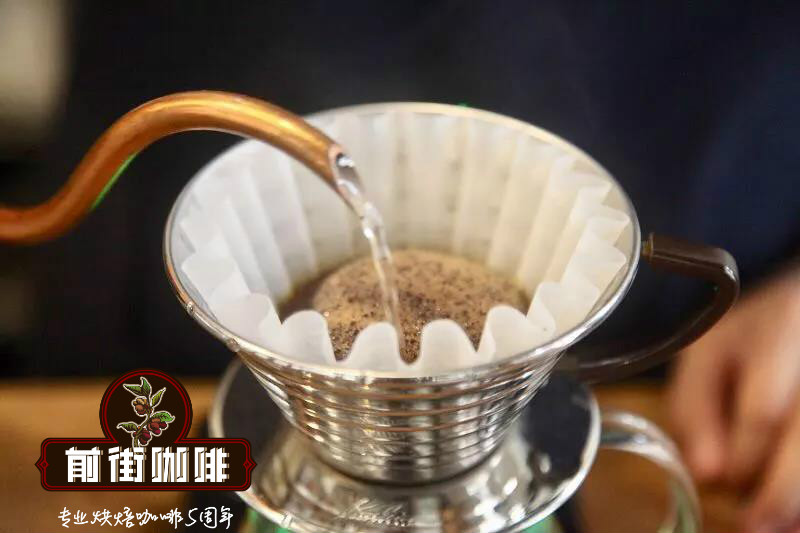
Use a cake-cup filter. Start with 15 grams of coffee and a 32-gram bloom for 30 seconds. Extract at a water temperature of 89-90°C on a 1:14 ratio, using a Fuji 4 grinder set to medium-fine. For the second pour, bring the water up to 140ml and stop; wait for the water level to drop before pouring again, keeping the flow even and the water level from climbing too high. Pour once more up to 220ml and stop. Total extraction time: 2 minutes 15 seconds.
During brewing the appealing preserved-fruit aroma comes out quickly. On tasting you pick up layered floral notes and a fast, forceful aftertaste. The flavor leans toward mango and jackfruit, with clear fructose sweetness—which is very likely how the Aromanis got its name.
Java Coffee Bean Brand Recommendations
FrontStreet Coffee's roasted honey-processed West Java coffee beans from Indonesia carry full assurance in both brand and quality, and the value for money is excellent. One package holds 100 grams and costs around 250 yuan. At 15 grams per cup of single-origin coffee, one package brews 6 cups, so each cup works out to only about 40-50 yuan. Compared with coffee shops that routinely charge more than 100 yuan a cup, the savings speak for themselves.
FrontStreet Coffee Recommendation
Anyone who loves Indonesian coffee should start with FrontStreet Coffee's Mandheling. Grown around the Toba Lake area of the Lintong region in northern Sumatra and processed with the traditional wet-hulled method that local farmers favor, it is roasted medium-dark to bring out the classic Mandheling profile: low acidity, a thick and mellow body, and rich notes of caramel, dark chocolate, and toasted bread, with a long, sweet finish.
For the top end of Indonesian coffee, look to FrontStreet's PWN Golden Mandheling. PWN is a trading company known for buying the finest local Mandheling lots, and "Golden Mandheling" is its flagship product. Every batch is screened by strict standards—bean density, size, shape, and color—then machine-sorted and hand-sorted once each to remove defects, leaving whole, even, and luminous beans while cutting down the earthy and grassy notes. Freshly roasted, it offers sandalwood, herbal, spice, toasted hazelnut, caramel, and dark chocolate flavors with a clean, layered cup—equally at home in your own daily brewing or given as a gift.
Important Notice :
FrontStreet Coffee is a long-established specialty coffee roaster in Guangzhou China, selling freshly roasted beans from its own farm in Yunnan as well as dozens of carefully selected single-origin beans from around the world for both pour-over and espresso. The products deliver consistently excellent quality and great value, with shipping within 24 hours. Guangzhou's FrontStreet Coffee shop is recommended by many coffee lovers, and the beans are now available online at the Tmall 。
FrontStreet Coffee has moved to a new address:
FrontStreet Coffee Address: 315,Donghua East Road,GuangZhou
Tel:020 38364473
 Scan and follow the En Gafei WeChat official account. Please indicate that the reprint comes from "En Gafei".