How to Choose Coffee Filter Paper? How to Use Coffee Filter Paper? What Types of Coffee Filter Paper Are There?
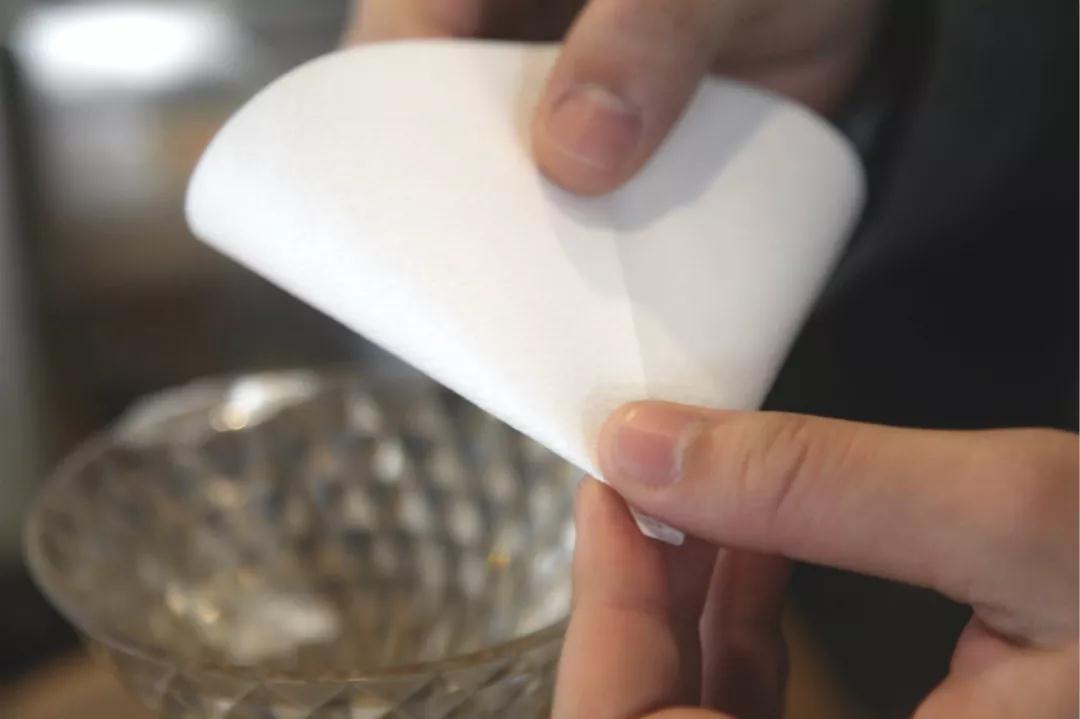
How to Choose Coffee Filter Paper? How to Use Coffee Filter Paper? What Types Are There?
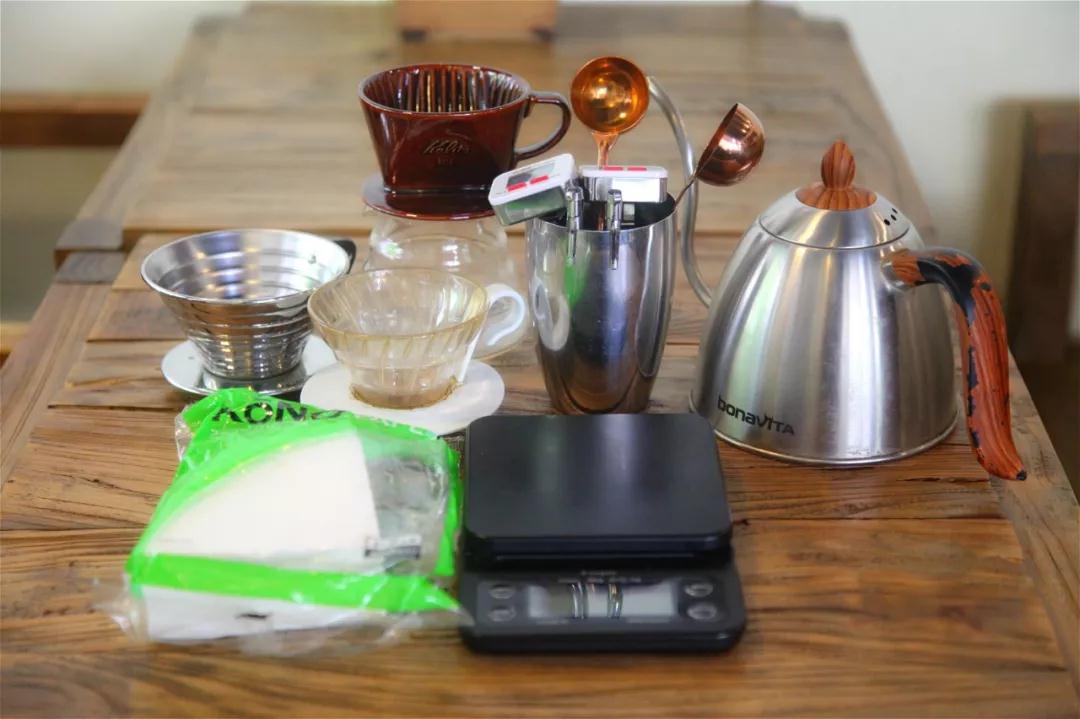
Many coffee lovers who buy their own beans, own a grinder, and brew at home settle on the filtering method they find most convenient. Below is an analysis and comparison of filter paper, metal screens, and cloth filters. These tools are not only convenient but also easy to use - Beginner's Brewing Guide | Simple Hand-Pour Equipment Selection.
Coffee Filter Paper
Using filter paper in pour-over coffee allows more uniform, thorough soaking to extract the coffee's essence, resulting in a purer flavor.
How to Choose Coffee Filter Paper?
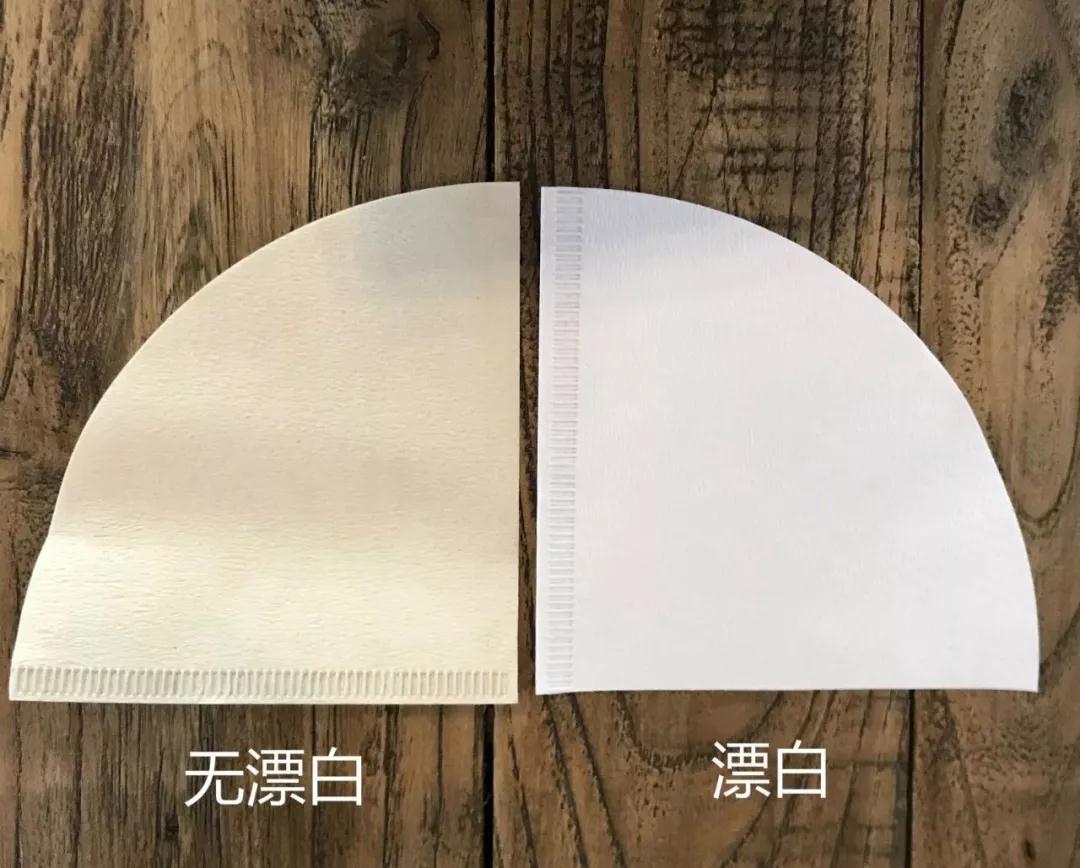
Bleached vs. Unbleached Filter Paper
Coffee filter paper is mostly made from wood. The pulp from steamed wood is typically brown and requires several bleaching passes to become white.
The differences between bleached and unbleached coffee filter paper are as follows:
1. Bleached: filter paper that has undergone bleaching treatment and appears whiter.
2. Unbleached: filter paper that has not been bleached and appears light brown.
Simply put, filter paper is generally used for pour-over coffee: you add ground coffee, extract the brew into a cup, and the paper also filters out the coffee oils, leaving a clean cup. Good filter paper removes impurities, making the coffee taste smoother and more aromatic.
Advantages: highly convenient, disposable, and easy to switch brands; cleaner taste with fewer impurities and off-flavors.
Disadvantages: less environmentally friendly because of the paper waste; unbleached paper may carry a papery taste; oils are filtered out, so the cup loses oily mouthfeel in exchange for a cleaner taste. Daily Brewing | Sharing experience on brewing a balanced coffee extraction with oils.
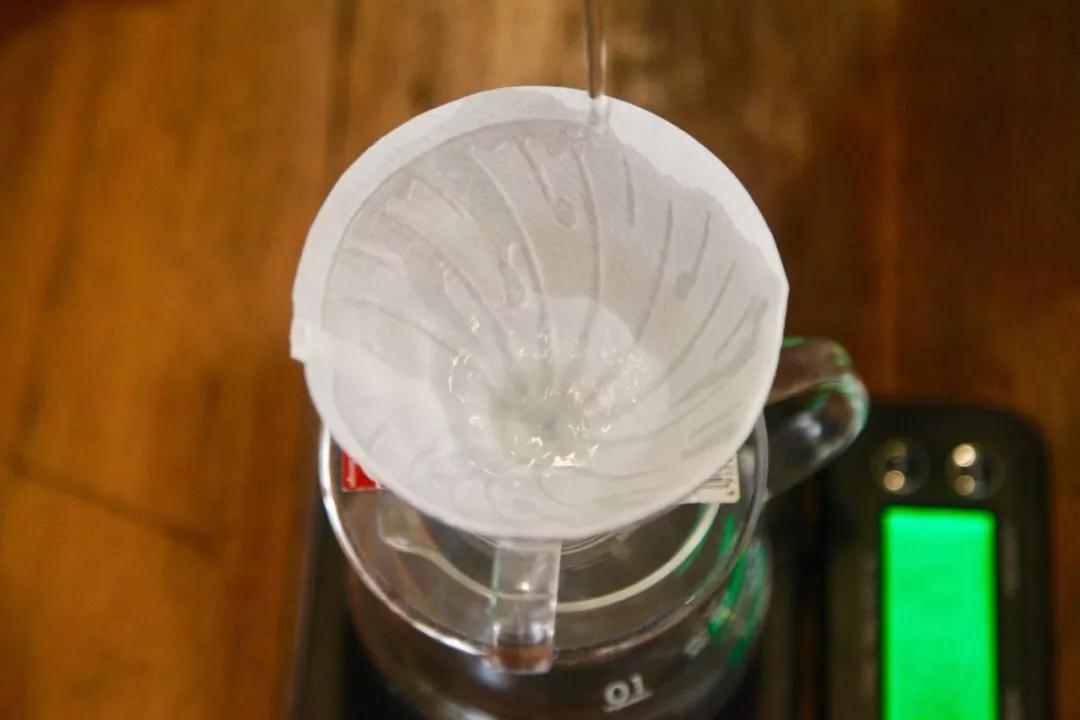
But bleached versus unbleached isn't the whole story. Paper quality also matters for keeping your equipment clean and for a good flow rate - it sounds simple, but the impact is significant.
Also, be sure to choose filter paper that fits your dripper size, and pay attention to thickness and density: paper that is too thin or loose lets water run through too quickly, while paper that is too thick or dense filters out more of the coffee oils (as with Chemex).
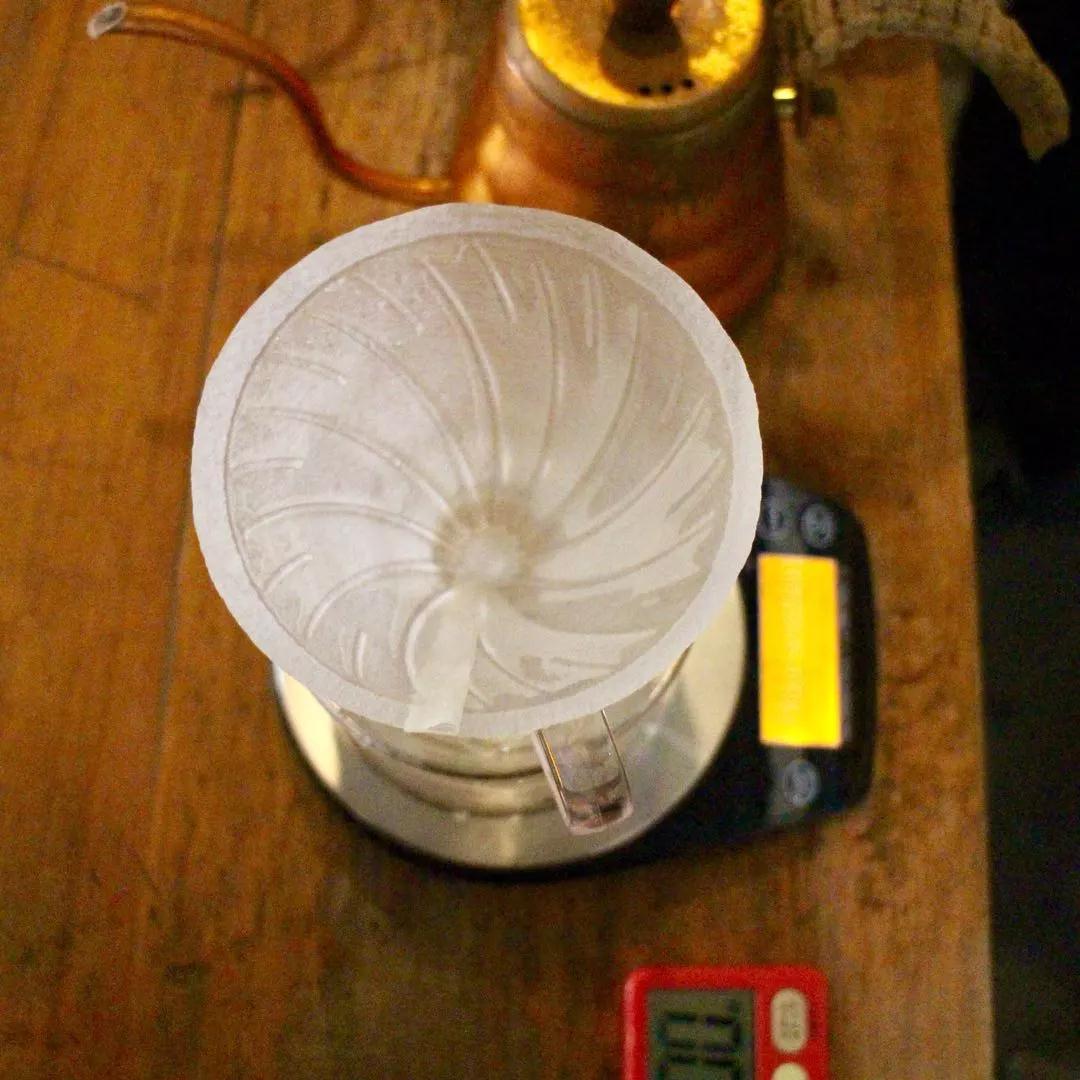
Do You Really Need to Rinse Filter Paper? To Rinse or Not to Rinse...
For beginners the standard routine is fold, rinse, preheat the dripper - just follow the steps. Yet some veteran Japanese brewers don't rinse their paper at all, which makes you wonder: why rinse at all?
Don't worry - let's break it down:
1. Removing the pulp taste
As noted above, unbleached paper hasn't been treated, so the wood-pulp taste is still strong - that's why it needs rinsing. For bleached paper, residual paper or bleaching odors vary by brand; high-quality paper can be processed so cleanly that rinsing makes little difference.
2. Fit with the dripper
Rinsing helps the paper seat snugly against the dripper, supporting its rib design and brewing logic. In most cases, brewing without rinsing gives a slightly poorer paper-to-wall fit compared with preheated, pre-rinsed paper.
3. Absorption of oils and first extract
With unrinsed paper, the dry paper absorbs some moisture and oils during the bloom and may pull out questionable off-flavors.
So for the sake of complete extraction flavor, rinsing is the better choice.
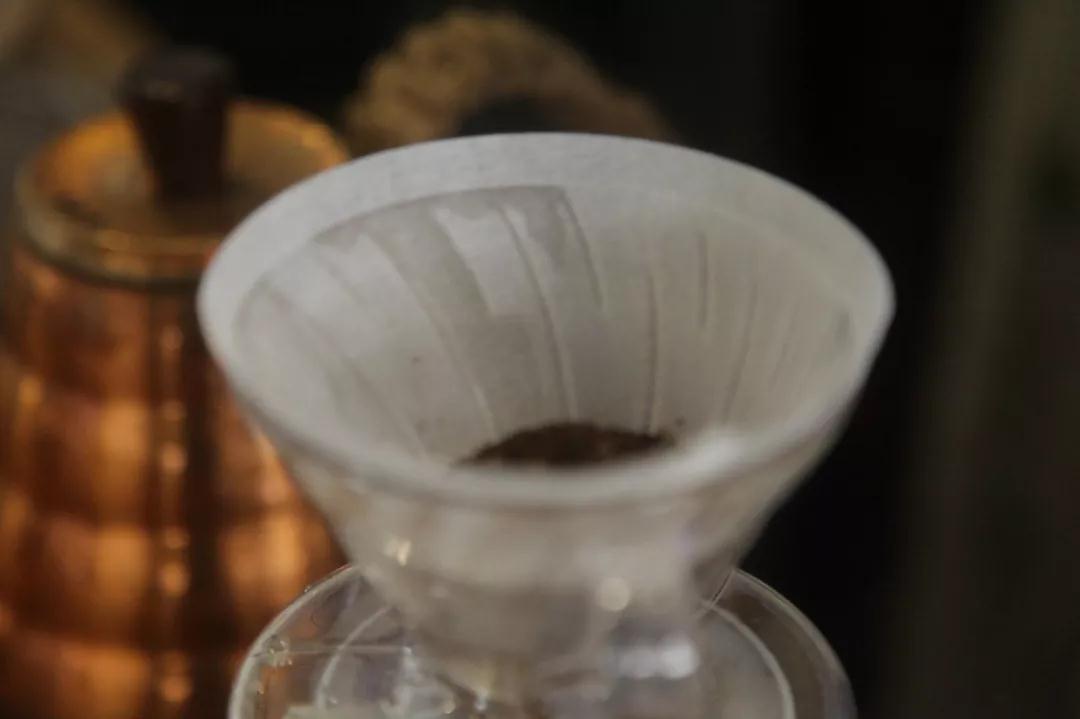
[Common Filter Paper Specifications]
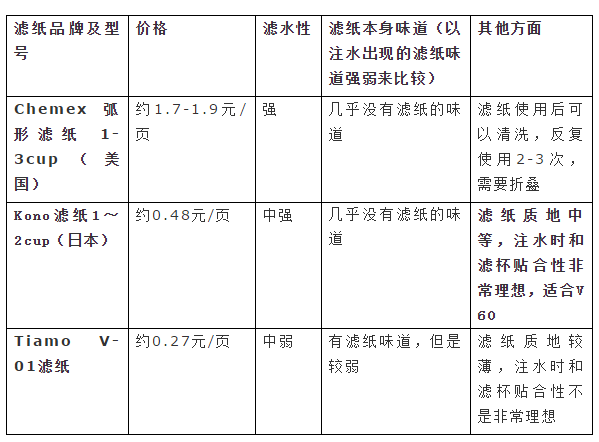
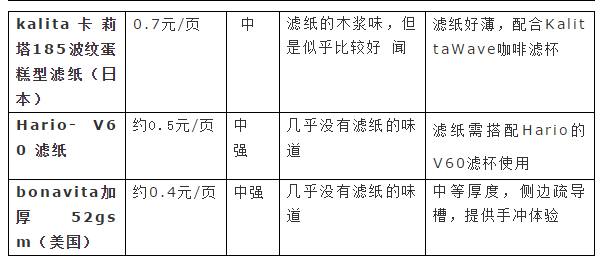
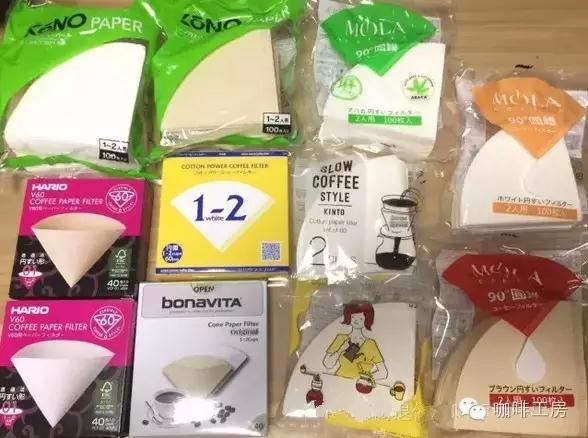
Introduction to 11 Types of Cone Filter Paper
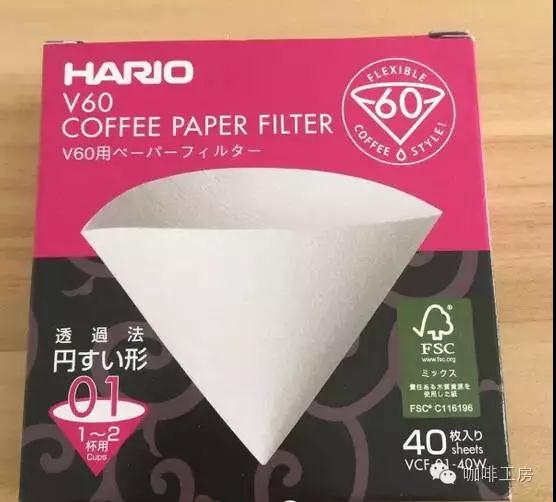
Hario VCF-01-40W, bleached version: relatively soft texture, no obvious paper taste - but many counterfeits circulate, so buy carefully. 0.6-0.8g per sheet.
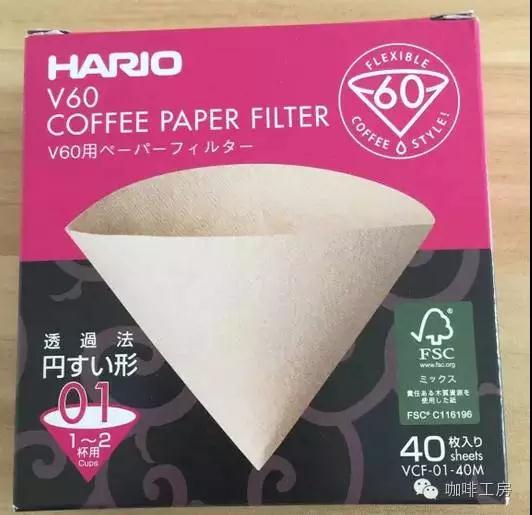
Hario VCF-01-40W, unbleached version: also a soft paper with no obvious paper taste, though its scent smelled slightly different from the bleached version. Don't ask what I mean by "scent" - I'm just that kind of sensitive person. 0.8-0.9g per sheet.
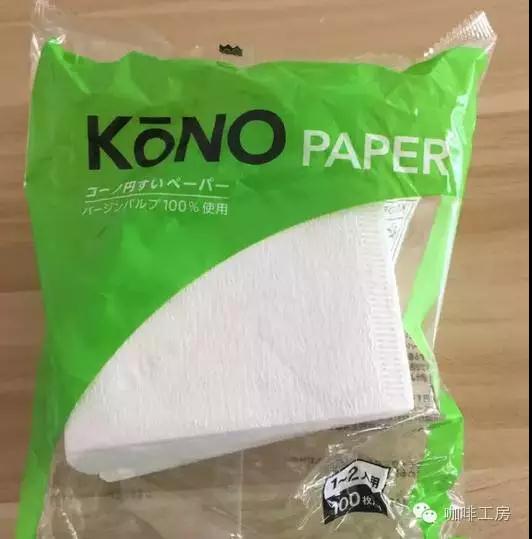
Kono MD-25: a popular paper used in many coffee shops, colorless and odorless, slightly stiffer than Hario. 0.9-1g per sheet.
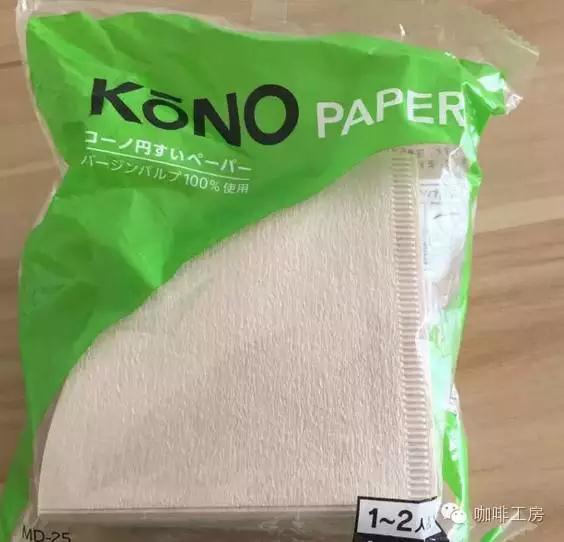
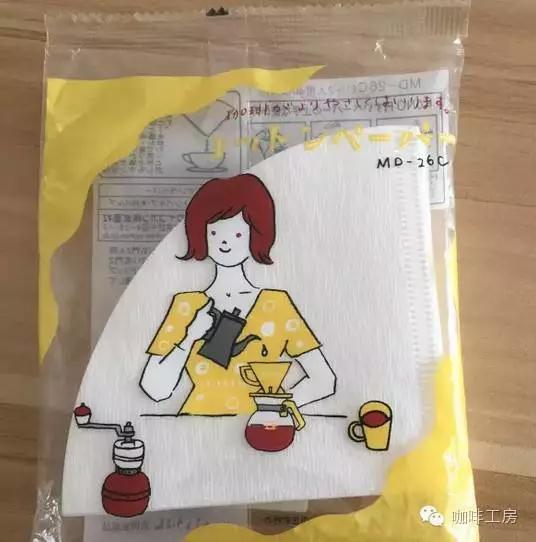
Kono MD-25, unbleached version of the above: slightly harder than the bleached version, with a very faint paper taste. 0.9-1g per sheet. Kono MD-26c: cotton material, very hard texture, extremely smooth inside the paper, with some unidentified fragrance. 1.2-1.3g per sheet.
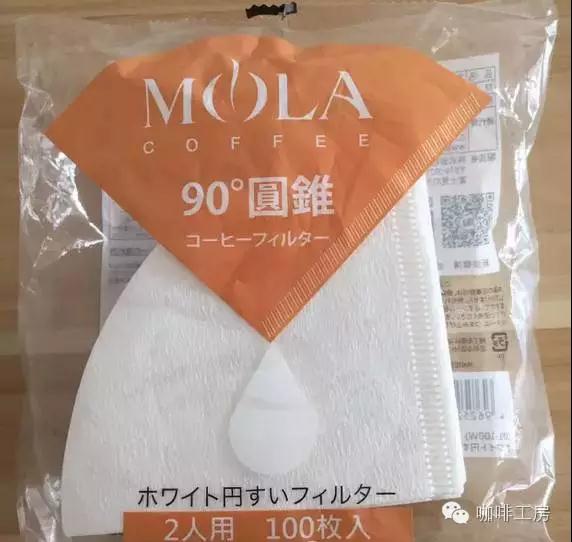
Mola bleached filter paper: colorless and odorless; legend says it is OEM from the Sanyo factory on the same machines as Kono - true or not, the similar texture and good value are real. See the data below. 0.9-1g per sheet.
Mola unbleached version: no obvious taste either, quite soft to the touch, otherwise close to the bleached version above. 0.9-1g per sheet.
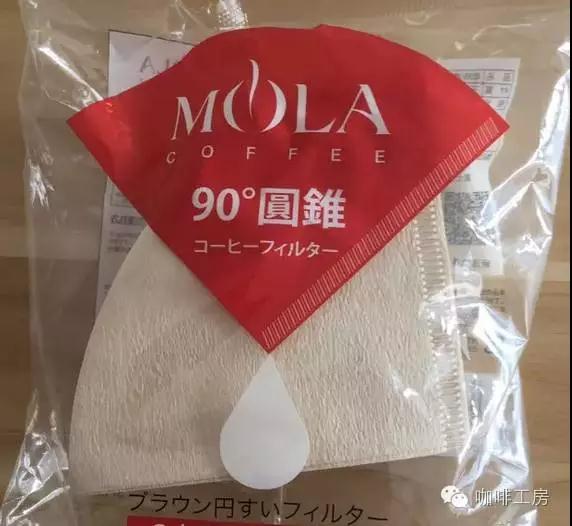
Mola linen filter paper: slightly harder than their other two papers, no obvious taste, but with a fresh scent for some reason. 0.8-0.9g per sheet.
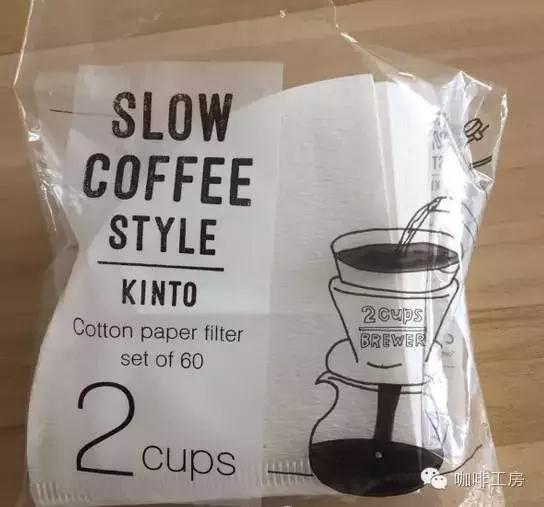
Kinto SLOW style: relatively hard, feels thick with a coarse texture; another cotton paper with a special fragrance. 1.1-1.2g per sheet.
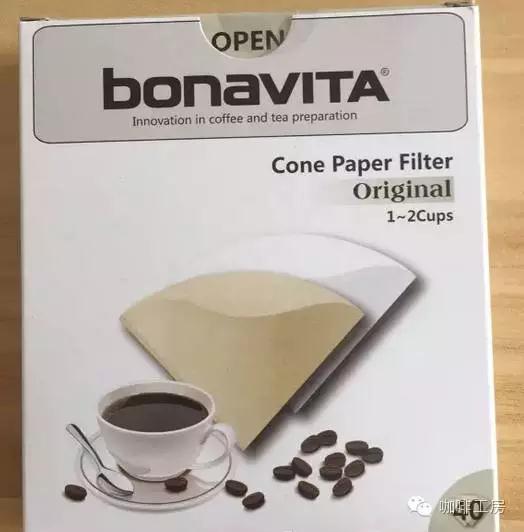
National brand Bonavita: no obvious paper taste but very hard, with a relatively sparse texture - feels like notebook paper. 1-1.2g per sheet.
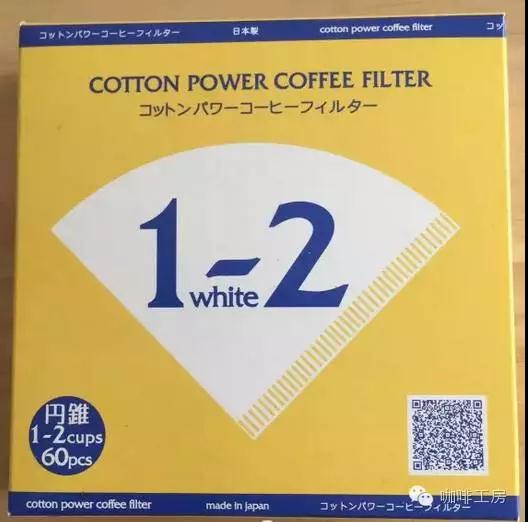
Kanazawa-ya cotton filter paper: the last of the cotton papers, still faintly fragrant though lighter than the previous two, relatively light in texture, medium-hard category. 1.2-1.3g per sheet.
Filter paper family photo, image source: PTN Retired Baristas Activity Center.
//
Metal Coffee Filter
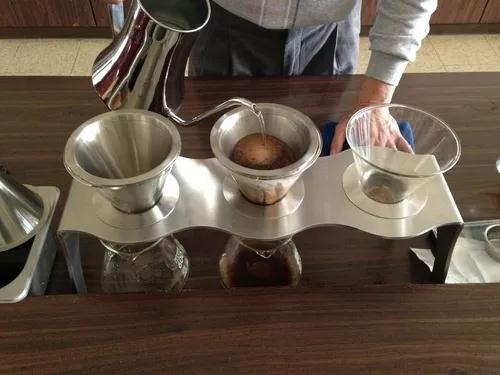
A metal screen does away with the less eco-friendly paper: just clean it after use and it's ready again. Made of stainless steel, it is also durable and sturdy.
Recommendation: after use, clean it gently with a clean toothbrush and use food-grade baking soda to strip the oils so they don't taint the next brew. Metal filters let the oils through, giving a fuller flavor closer to the bean's original character - you can feel the difference from paper even in a blind test.
Advantages: more environmentally friendly and reusable; better expresses the coffee's original flavor with a fuller mouthfeel.
Disadvantages: fine particles easily cause over-extraction and excessive bitterness, and fines passing into the cup can leave a gritty texture.
//
Coffee Filter Cloth
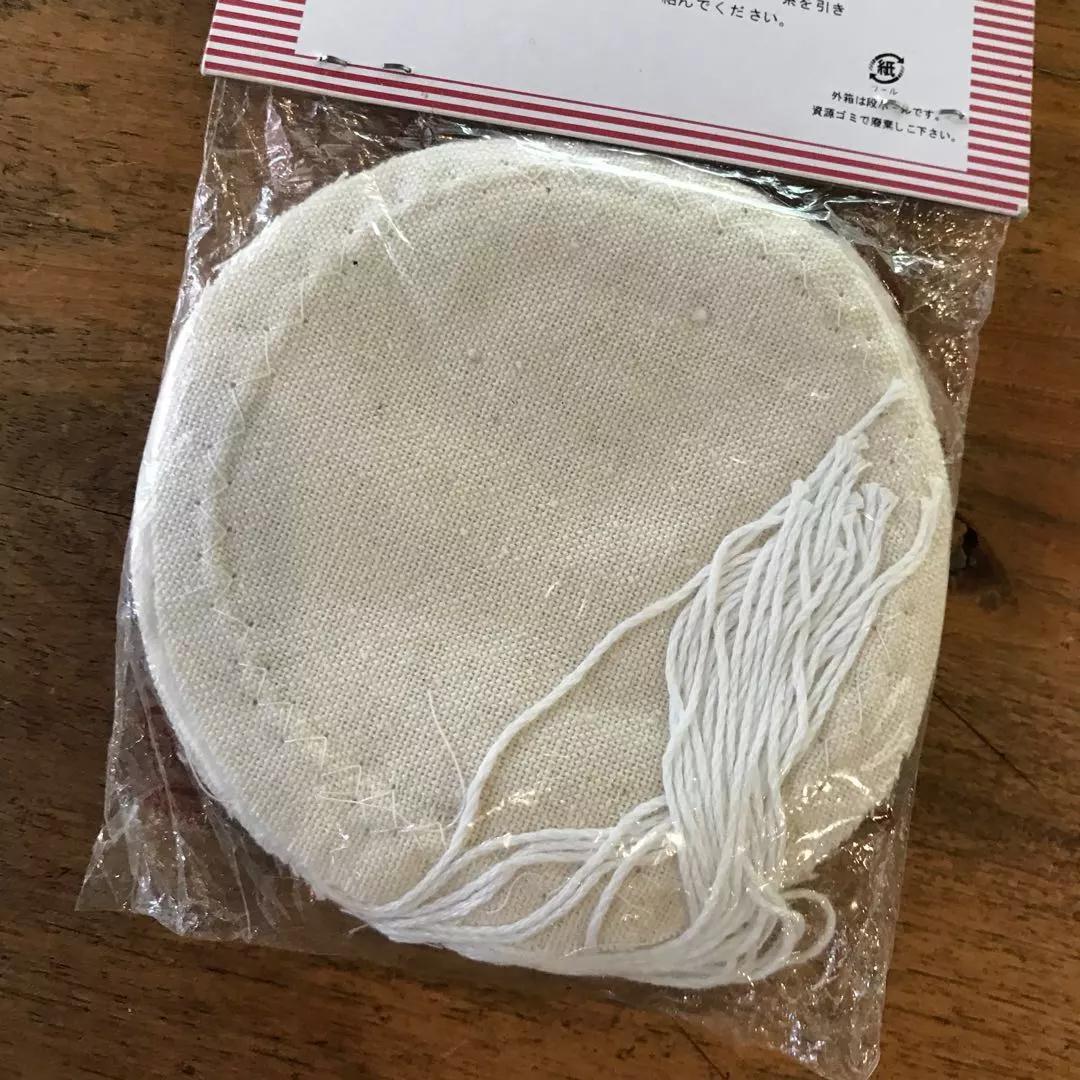
Usually used with flannel filter cloth and siphon brewers, the trouble is cleaning and storage. If the oils on the cloth aren't thoroughly cleaned, they will eventually taint the taste. After cleaning it must be soaked in water and stored in the refrigerator, and it can't be reused several times in one day - quite troublesome. The flavor lands between metal and paper, balancing the strengths of both.
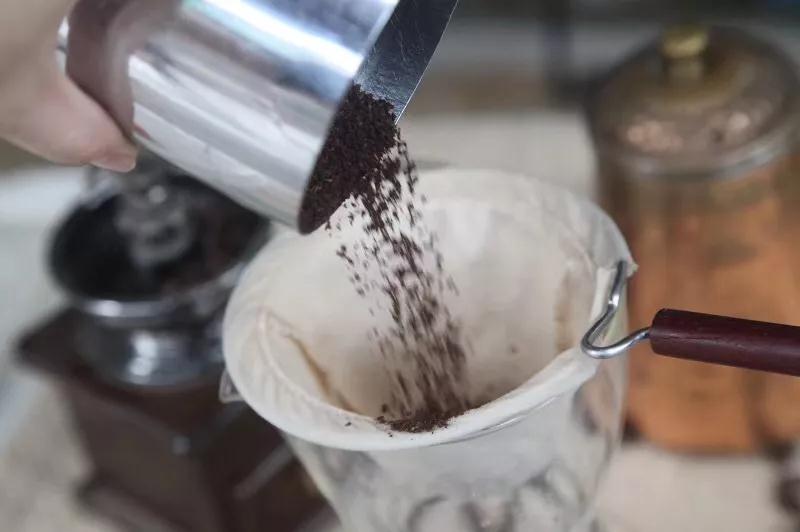
Recommendation: cloth cleaning and storage must be done properly, or it may develop a rag-like smell - baking soda works well for cleaning. Flannel has better permeability and heat retention, producing coffee with a more saturated, richer aroma and flavor.
Advantages: the fibers are coarser than paper; oils cling to them, letting water and coffee stay in contact and fuse longer.
Disadvantages: storage is fussy and time-consuming, and it demands more practice and skill.
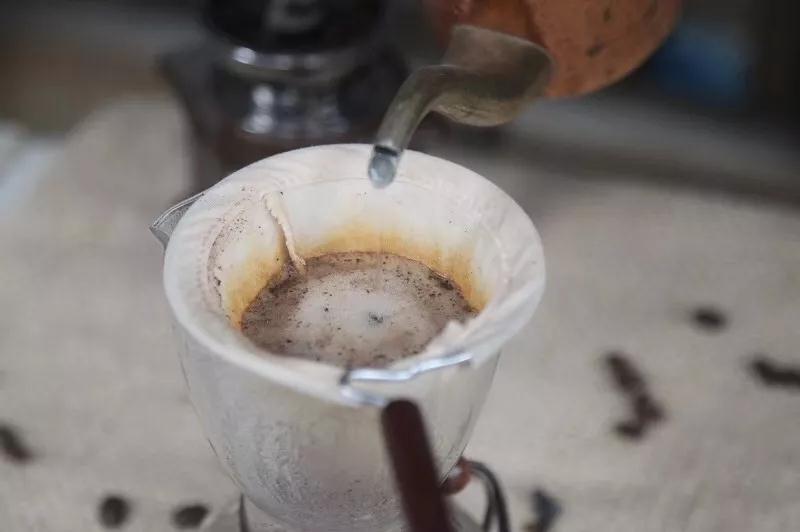
Comparing the Three Filtering Methods
Each of the three has its own strengths and weaknesses. Filter paper is only one small part of brewing - many factors shape the taste, and each paper tastes different because of its flow rate, so try several. Those who prefer the coffee's original character should lean toward cloth and metal, which retain more oils and original flavor; those who prefer a clean, refreshing cup should use paper.
Making a pour-over isn't difficult, but making a good one isn't easy either. Like espresso, it has many variables to control - filter paper is one, alongside water quality, water amount, drawdown time, grind size, and so on. Control each variable, keep adjusting, and you will eventually find the experience your taste buds need.
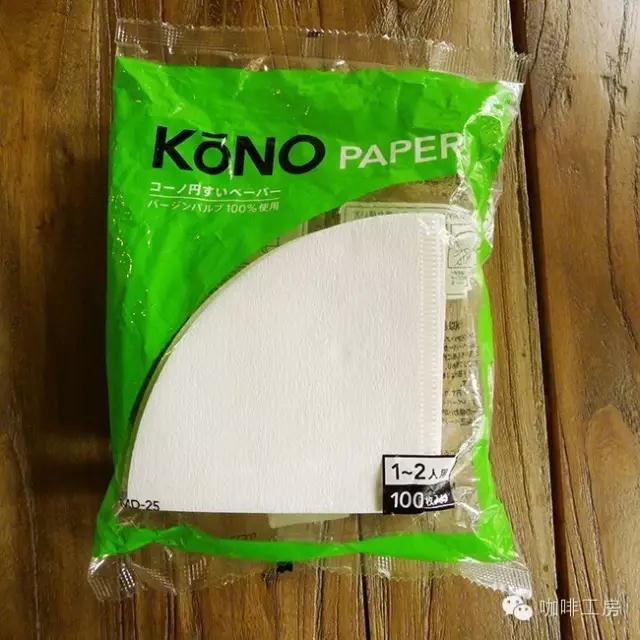
At FrontStreet Coffee we still favor this KONO pour-over filter paper. It works with any conical dripper - Hario V60 style or KONO alike. The Japanese-imported KONO paper has a medium texture, neither too thin nor too thick, medium-strong permeability, and seats ideally against the dripper when you pour.
Drip Coffee Bag
Finally, one more type of filter paper that is even more convenient - the drip coffee bag!
The grounds in drip bags come from freshly roasted beans, and drip bags maximize retention of the coffee's original flavor, usually extracted with hot water.
And because there will be coffee grounds, you need filter bags!
//
Filter Bag Material
Drip bags are made of biodegradable non-woven filter material.
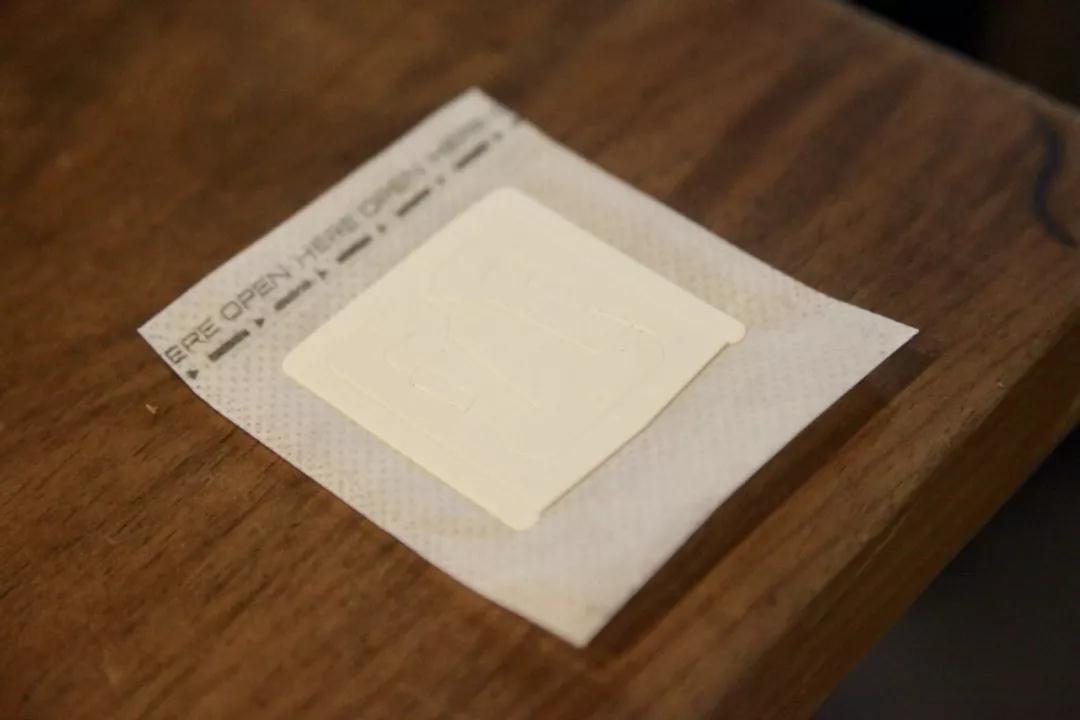
The inner membrane of a drip bag has a mesh-like filter layer - these holes help even out the coffee's flow speed.
As hot water seeps through the grounds it extracts the essence and oils, and the coffee finally drains evenly through the filter holes.
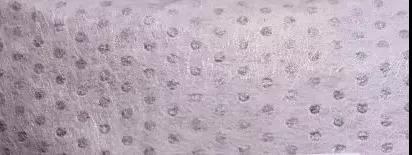
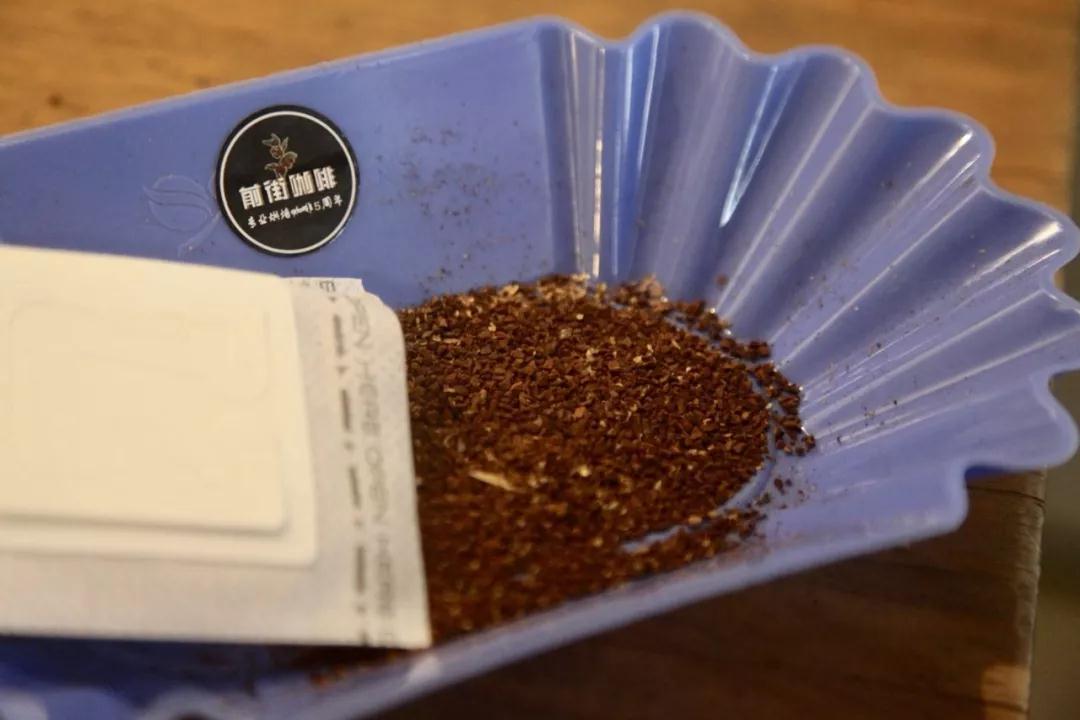
Grind size: because of this design, the grind cannot be too fine - close to sugar crystal size.
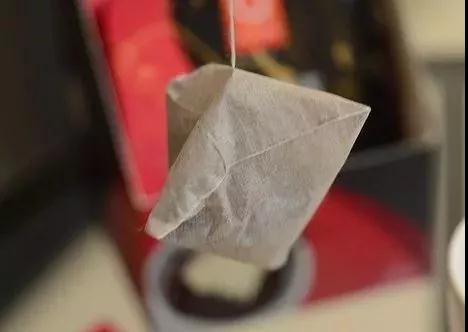
There are also bagged coffees on the market similar to tea bags: freshly roasted beans ground and packed by the cup in disposable filter bags for convenient brewing. The material resembles tea bag material - mostly non-woven fabric, gauze, and the like - and needs to be steeped.
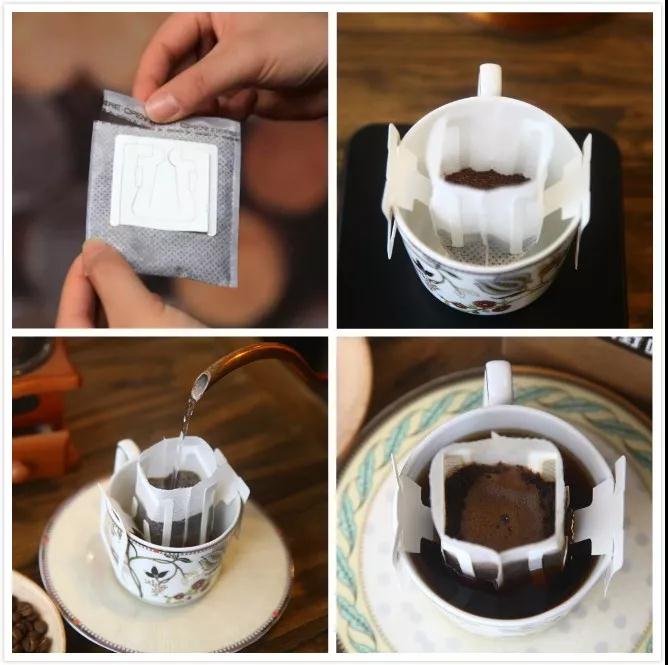
Four Steps: Tear, Hang, Pour, Remove
A cup of warm, aromatic coffee is ready!
FrontStreet Coffee Recommendation
If you're brewing through a V60 - the dripper Hario has made in Tokyo since 1921 and redesigned in 2004 around its signature 60-degree cone and single large outlet - the bean choice matters as much as the paper. The V60's fast flow rewards coffees with delicate florals and lively acidity: FrontStreet Coffee's Yirgacheffe Guodingding, with bright citrus, berries, florals, and a green-tea-like sweetness; the Ethiopia Huakui with tropical fruit - strawberry, passion fruit, jackfruit, even lychee - in a smooth, juice-like cup; the Strawberry Sugar Geisha blend; and the raisin-toned Mozart. For Kenya lovers, FrontStreet's Kenya Cherry Tomato - SL28 and SL34 from Thika at 1550-1750 meters, 72-hour double-washed fermentation, light roasted - delivers bright cherry tomato and dried plum acidity like fresh-squeezed juice, with snow pear, black plum, yellow sugar, and a green tea finish.
If you lean toward the richer side that flannel and metal filters love, go medium-dark: FrontStreet's PWN Indonesian Gold Mandheling (low acidity, herbal and dark chocolate with a whisper of earth), the Brazil Queen Estate (balanced with nuts, cocoa, and caramel, silky and long), and the Jamaica Blue Mountain No. 1 - the masterpiece of balance with cream, caramel, chocolate, nuts, honey, and a gentle fruit note, often called the specialty coffee that most people find easiest to love. FrontStreet's 2013 Yunnan Natural Typica (citrus and caramel with nuts, chocolate, and brown sugar) and the Papua New Guinea Bird of Paradise from Sigri estate - Typica like Blue Mountain, grown at 1600-1800 meters on volcanic soils, AA grade with triple washed fermentation, often nicknamed "Little Blue Mountain" - round out the low-acid options beautifully.
Whichever paper you choose, remember the rule from this guide: match the paper to the dripper, rinse it, and pair the flow rate with the right grind - fine granulated sugar for floral-light roasts, slightly coarser for the heavier medium-dark beans - and any of these FrontStreet coffees will shine.
Important Notice :
FrontStreet Coffee is a long-established specialty coffee roaster in Guangzhou China, selling freshly roasted beans from its own farm in Yunnan as well as dozens of carefully selected single-origin beans from around the world for both pour-over and espresso. The products deliver consistently excellent quality and great value, with shipping within 24 hours. Guangzhou's FrontStreet Coffee shop is recommended by many coffee lovers, and the beans are now available online at the Tmall 。
FrontStreet Coffee has moved to a new address:
FrontStreet Coffee Address: 315,Donghua East Road,GuangZhou
Tel:020 38364473
 Scan and follow the En Gafei WeChat official account. Please indicate that the reprint comes from "En Gafei".