Too Many Numbers, Overwhelming! How to Actually Read Roast Curves?
What Is Coffee Roasting?
Roasting is a heating process applied to coffee beans. Unroasted green beans carry only a faint grassy scent and a whisper of fruit fragrance — chew one and there is almost nothing to taste. Heat, however, sets off a cascade of complex chemical reactions inside the bean, unlocking the flavors that have been locked inside the green bean all along.
Every time we roast a batch, we record the roasting curve — the turning point, heat settings, temperatures, first-crack time, and more. Why log all this data? So we can reproduce the same flavor profile batch after batch, keeping the taste consistent. The essential data streams are the bean temperature curve, the environmental (air) temperature curve, and the rate-of-rise curve. Understanding of the beans deepens further through measuring color change, airflow, and gas pressure.
What to Watch During Roasting

Preheated Drum Temperature
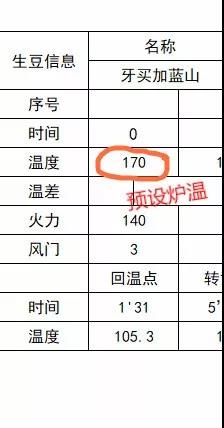
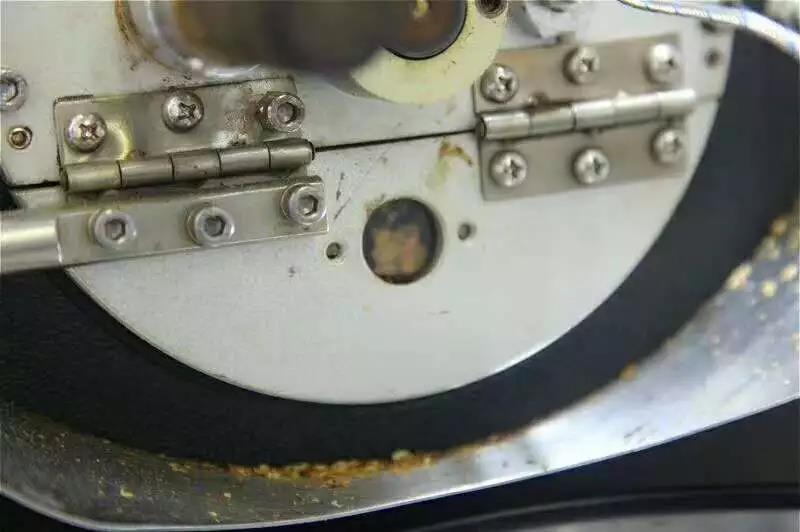
Before charging the beans, we hold the drum temperature at a stable setpoint. That temperature is read by a probe inside the roasting chamber. On drum roasters this probe typically sits opposite the bean temperature probe and never touches the beans. Some roasters lack a dedicated drum probe and instead use the temperature at the drum's exhaust port as a proxy.
Heat Level

Heat input directly shapes roast degree, flavor, and total roast time. Higher heat unlocks more flavor compounds — but not all of them are welcome. Sufficient energy lets the beans release more of their potential, yet it also amplifies whatever undesirable notes they contain. Throughout the roast, we work in concert with the damper to steer flavors toward their best expression while safeguarding cup cleanliness.
Damper Adjustment

In a sense, the damper assists the heat and stores it, while also giving the heat's released flavors room to develop. Damper opening affects how efficiently hot air transfers energy to the beans in the drum. With ample heat, cracking the damper slightly boosts the convective effect; but insufficient heat or an overly wide opening will bleed temperature out of the drum. When needed, opening the damper wider chaff and particles — the usual culprits behind smoky off-flavors — out of the drum faster. Damper position also governs drum pressure, which in turn influences bean development.
Turning Point
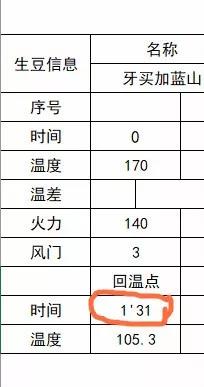
The moment beans enter the drum they absorb heat greedily, dragging the reading sharply downward until some point where it bottoms out and begins climbing again. That equilibrium is the turning point.
Yellowing Point
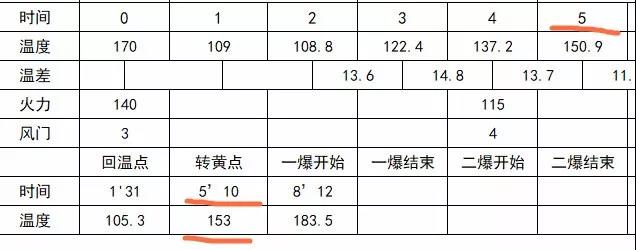
The green beans are now in the endothermic stage. Heat travels to the bean core via its moisture; drier beans reach the yellowing point sooner, moister beans take longer. Water evaporates into steam, raising internal pressure and temperature. The beans' structure begins to expand, chlorophyll breaks down, and the beans enter yellowing.
Maillard Reaction and Caramelization
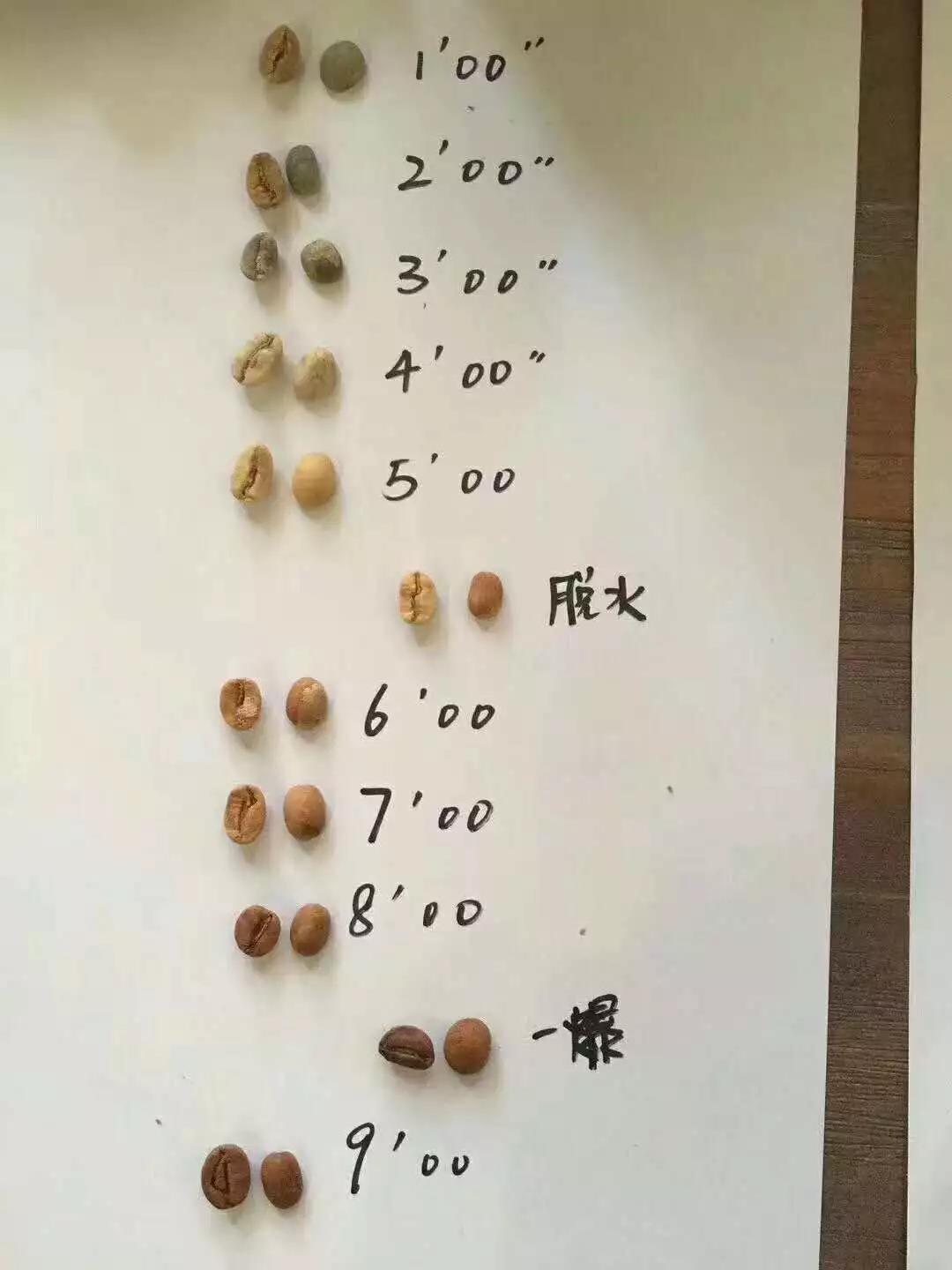
The Maillard reaction phase: it mainly begins once drying is complete, as bean color turns from yellow to brown, and continues until the beans are fully cooled after the roast. Roasted coffee's signature aroma is really a bundle of smells — the blue-green smoke of burning plant fibers, the sweet creamy-yellow fragrance, the browned aroma of baked bread — and most of it originates in the Maillard reaction.
As the beans absorb large amounts of thermal energy, pyrolysis kicks in and the first crack sounds. Some sugars convert to carbon dioxide, moisture continues to escape, and new aromatic compounds develop — including the so-called coffee oils, which carry hundreds of aromatic substances: nicotinic acid, citric acid, quinic acid, malic acid, acetic acid, caffeine, and more.
Caramelization: the sugars in coffee beans caramelize at roughly 170-200°C — which lines up neatly with sucrose's melting point of 185°C and with the temperature range of first crack. Caramelization yields two families of products:
1. Dehydration products of sugars — the caramel and sauce colors
2. Decomposition products — chiefly volatile aldehydes and ketones
Altogether, caramelization generates roasted aromas, caramel sweetness, and color, plus aromatic compounds such as maltol, cyclotene, and furans — the same compounds found in red wine, fruit juice, and cream.
But over-caramelization is a failure mode: it pushes toward carbonization, rendering coffee bitter and harsh. Under-caramelized coffee, meanwhile, tastes flat and monotonous, lacking depth.
Green beans are rich in sugars, proteins, and amino acids. The reactions between sugars and amino acids produce brown-black macromolecules called melanoidins, along with hundreds — even thousands — of intermediate molecules of different odors: reductones, aldehydes, heterocyclic compounds. These provide the pleasant flavors and appealing colors we prize in food.
First Crack
This is the loud, unmistakable popping the beans make inside the drum — something between popcorn and burning firewood. When the beans have absorbed enough heat that internal steam pressure exceeds the structural strength of the bean, the cell walls rupture under expansion. The beans emit the first-crack sound, releasing thermal and acoustic energy. Flavor compounds pour out — the floral and fruity aromatics — and browning deepens (which is why roasted coffee is brown). This is when the beans develop most of their flavor, and dropping even one second earlier or later can swing the cup noticeably.
Rate of Rise
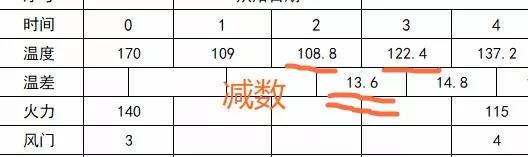
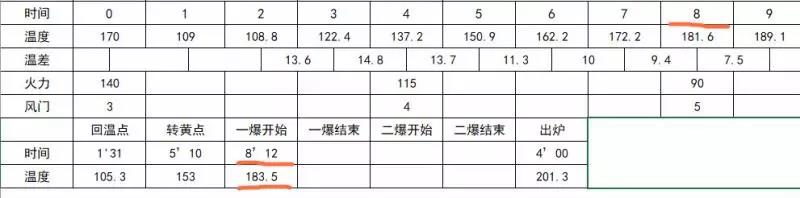
The rate of rise is simply the temperature difference between two points in time. Between minute 2 and minute 3, for example, there will be a difference: subtract the latter reading (122.4°C) from the former (108.8°C) and you get 13.6°C.
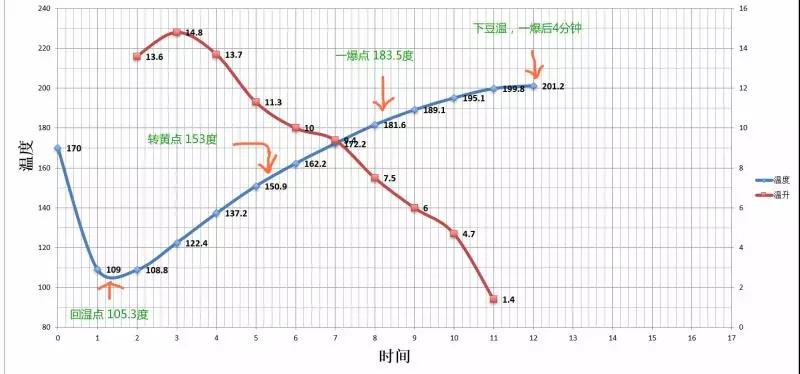
Designing a roast curve — roasting a batch thoroughly "from the inside out" — demands solid technique built on proper fundamentals. We must decide at which stage each flavor will develop, how to create more possibility at that stage, how to balance desired flavors against defects, and how to keep the coffee's sweet, sour, bitter, and sharp notes in equilibrium. After first crack: what heat to hold, and how long to develop?
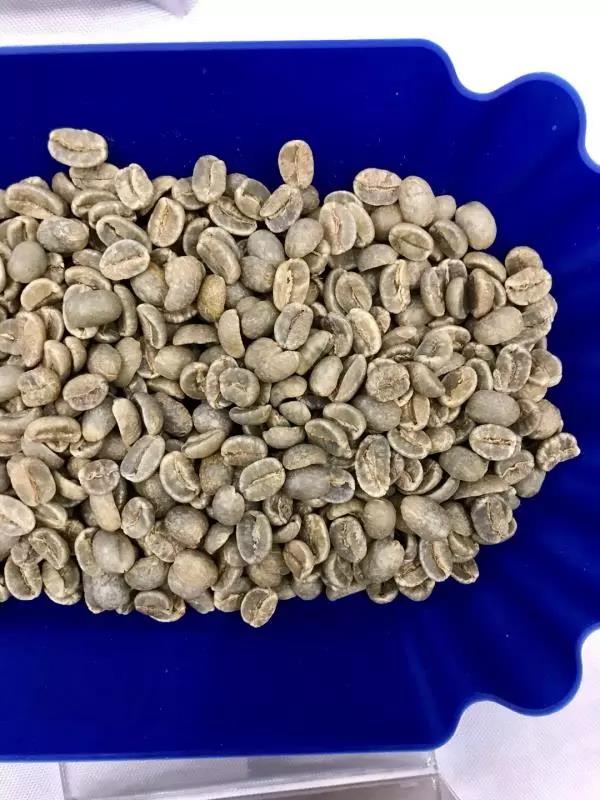
Take FrontStreet Coffee's Jamaica Blue Mountain as a worked example. First, know the bean. FrontStreet Coffee's Blue Mountain grows on slopes at 1,310 meters elevation, in fertile volcanic soil, unpolluted air, and a humid climate wrapped in year-round fog and rain, with average precipitation of 1,980 mm and temperatures around 27°C. Washed processing involves 12-18 hours of fermentation, after which the beans are moved back and forth in pools until washed smooth and clean — a treatment that enhances the stable, delicate acidity FrontStreet's Blue Mountain is known for. The beans are No. 1 grade, screen size above 17 mesh, with a defect rate below 3% and moisture content around 13%; density is medium, making them well suited to a steady-progression roast.
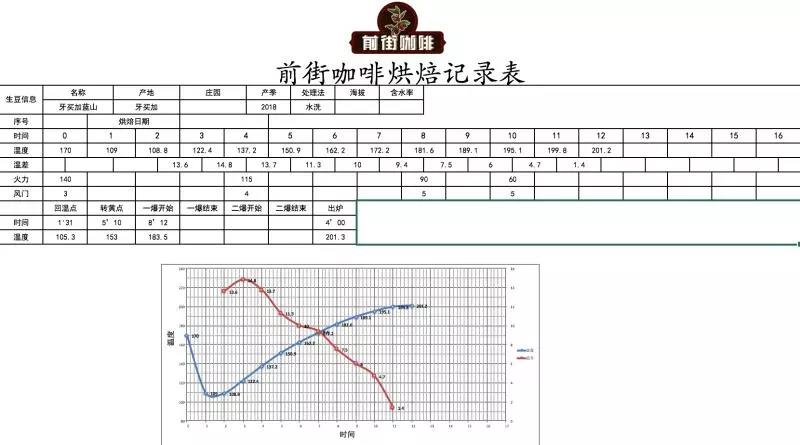
The roast itself: preheat the drum to 170°C, charge the beans, damper at 3. After 1 minute, drop heat to 140°C, damper unchanged. At 5'10", with the reading at 153°C, the bean surface turns yellow, the grassy aroma has vanished completely, and drying is done — cut heat to 115°C and open the damper to 4.
At 8'00", ugly wrinkles and black spots appear on the bean surface and the toasted-bread aroma clearly shifts into coffee aroma — the prelude to first crack. Listen carefully. At 8'12" first crack begins: reduce heat to 90°C and open the damper fully (adjust gently — too low a heat will stall the crack), then drop the beans at 201.3°C.
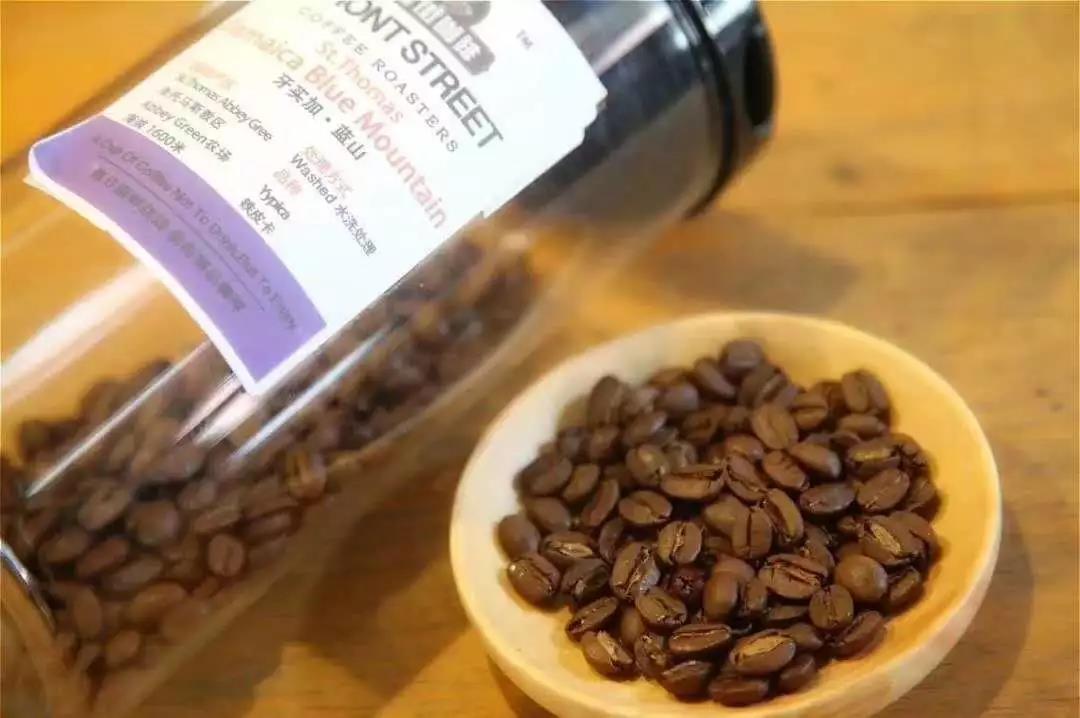
This approach lands a fine, balanced interplay of acidity, body, and aroma: the acidity is bright yet delicate, the texture velvety smooth. The aromatics carry quiet penetration, with floral, spicy, and caramel notes, and a subtle cocoa aftertaste.
The cup is clean, complex, and mild, with chocolate sweetness and a strong body — rich and mellow, the sweet, sour, and bitter perfectly married, no harsh bitterness, only moderate and impeccable acidity, and a persistent fruity finish.
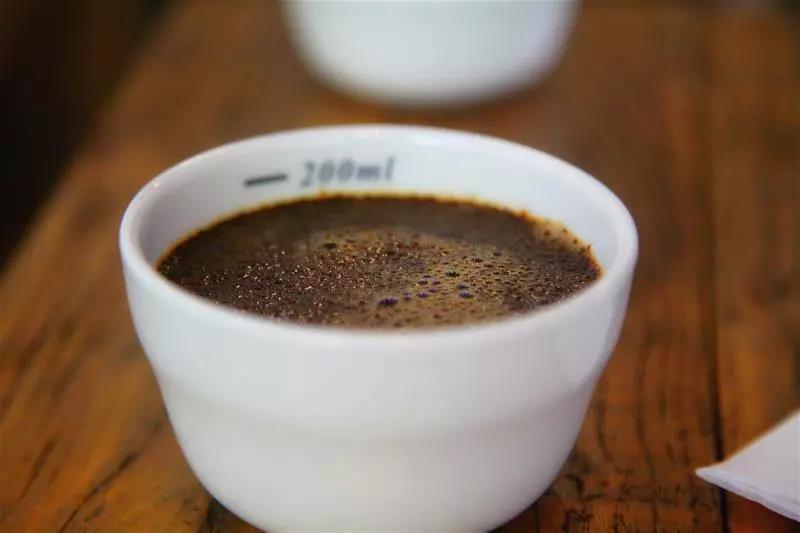
Once roasting is complete, a cupping evaluation is essential:

Dry aroma: roasted peanuts, hazelnuts, melon, chocolate
Wet aroma: oolong tea, caramel, honey, chocolate, almond skin, with a silky texture and brightness
Doesn't the curve make far more sense now? Reading a roasting curve is really reading the roaster's understanding of a given bean. We chose to drop the beans 4 minutes after first crack because we wanted to preserve FrontStreet Coffee Blue Mountain's creamy chocolate, its rich brown-sugar sweetness, and its heavy body.
FrontStreet Coffee Recommendation
If this Blue Mountain profile appeals to you, note that it is roasted to a medium level — and medium roasting is exactly where balance lives. In roasting, acidity, sweetness, and bitterness are the three elements that decide a coffee's final flavor: darker roasts grow more bitter and heavy, lighter roasts more acidic and delicate. For a middle path, FrontStreet Coffee's medium-roasted lineup is the place to start.
Beyond the Blue Mountain, the Queen Estate beans from Brazil — the world's largest coffee producer — are a Yellow Bourbon lot with a quiet, honeyed sweetness: creamed peanut, chocolate, toast, and sugarcane after medium roasting, comfortable in a pour-over, a moka pot, or an espresso machine. For something fruitier but still balanced, the Strawberry Candy Gesha Blend pairs a honey-processed Costa Rican lot with a washed Panamanian Gesha, roasted medium to express orange blossom, honeyed sweetness, and a rounded finish across cold brew, pour-over, and espresso. And the 2013 Natural Typica, a benchmark of Chinese specialty coffee, carries the classic Yunnan arabica character — nuts, brown sugar, black tea, dried apricot — with gentle balance that suits pour-over, cold brew, or drip brewing alike.
Important Notice :
FrontStreet Coffee is a long-established specialty coffee roaster in Guangzhou China, selling freshly roasted beans from its own farm in Yunnan as well as dozens of carefully selected single-origin beans from around the world for both pour-over and espresso. The products deliver consistently excellent quality and great value, with shipping within 24 hours. Guangzhou's FrontStreet Coffee shop is recommended by many coffee lovers, and the beans are now available online at the Tmall 。
FrontStreet Coffee has moved to a new address:
FrontStreet Coffee Address: 315,Donghua East Road,GuangZhou
Tel:020 38364473
 Scan and follow the En Gafei WeChat official account. Please indicate that the reprint comes from "En Gafei".