Characteristics, Flavor, Development Story, and Price of Colombian Pink Bourbon Coffee Beans - Roasting and Brewing Recommendations

Among FrontStreet Coffee's supply bean series, FrontStreet Colombian Huila represents the most classic Colombian profile: rich nuts, chocolate and excellent sweetness. That mellow character is why Colombian beans are so often used as a component of espresso blends, and several of FrontStreet Coffee's house espresso blends include them, producing well-balanced, full-bodied shots. Colombia also has a Pink Bourbon, however, that stands apart with its delicate berry acidity. It is not the classic regional profile, but its rarity as a variety and the pleasure of its flavor make it hard to ignore.

Colombian Coffee
Colombia sits in the northwest of South America, bordering Panama in Central America. In 1808 a priest first brought coffee to the country from the French Antilles by way of Venezuela. Today Colombia is the world's third-largest coffee exporting country, producing mainly Arabica, and it exports more Arabica than any other nation. The country is rich in natural resources, with coffee, flowers, gold and emeralds known as its four treasures.

Colombian Coffee Production Regions
Colombia's specialty bean regions lie mainly in the south, at altitudes above 1,500 meters, including San Augustin in Huila Province, Popayan in Cauca Province, Nariño Province and Tolima Province.
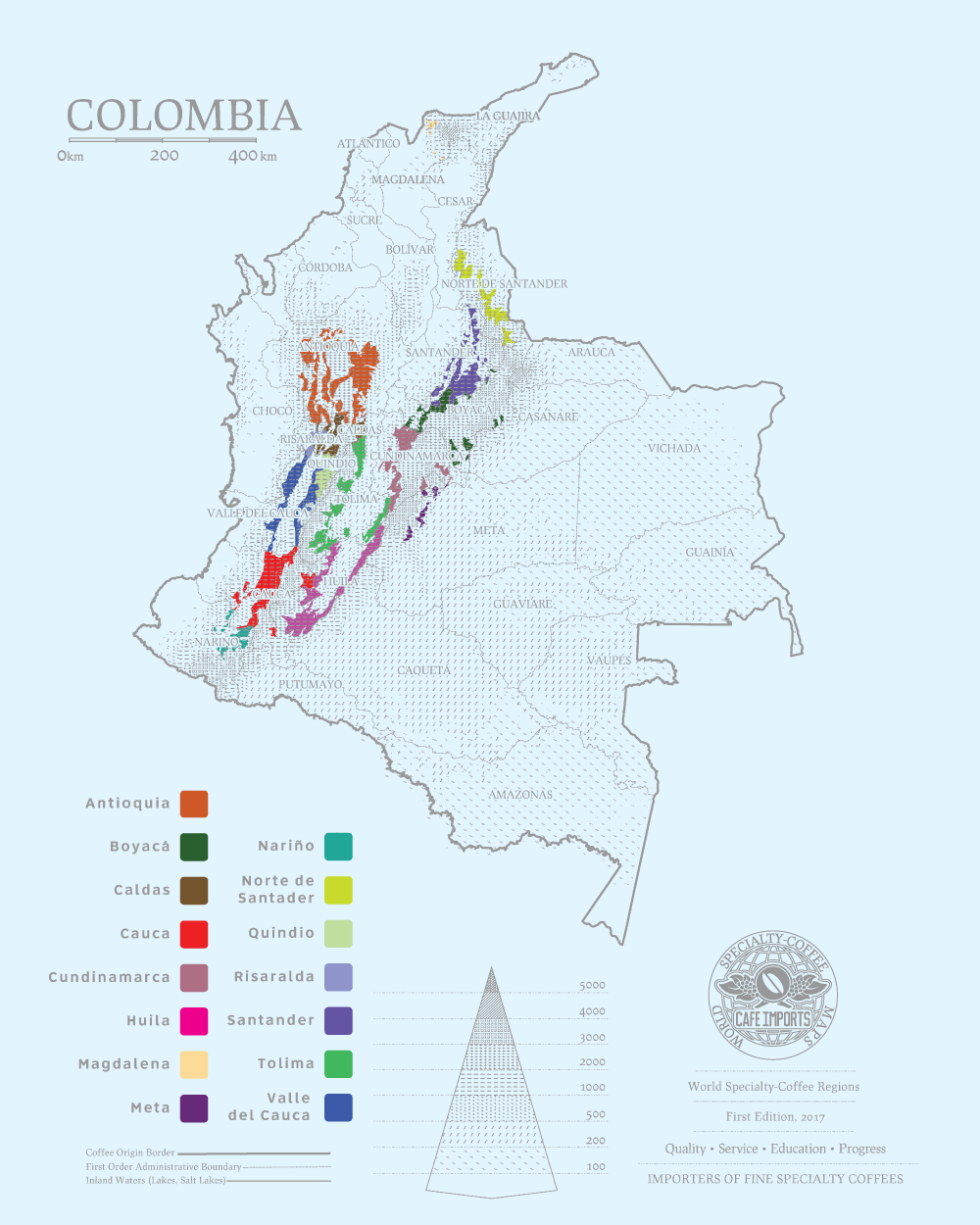
From north to south, the main regions are:
Santander and North of Santander: in northern Colombia, west of the Magdalena River, with growing altitudes around 1,400-1,600 meters. Beans from here are known for intense flavor, a long aftertaste and a distinctive fresh herbal note.
Antioquia: in north-central Colombia, with 126,000 hectares of coffee, producing beans that account for 18% of national output, second only to Huila Province. Much of the province is high Andean terrain, tempered by warm Caribbean sea breezes. The provincial capital, Medellin, is Colombia's second-largest city and an important coffee region in its own right.
Tolima: bordering Huila and Cauca provinces, with the Andes and Cordillera ranges running north to south and the Magdalena River flowing between the two mountain systems.

Huila Province: in the southern part of Colombia's central mountain range, the country's most famous specialty coffee region. It consists of hills ringed by mountains, with growing altitudes above 1,500 meters. Colombia's most important rivers converge here, bringing abundant water and humidity.
Cauca Province: a certified Colombian origin with an average altitude of 1,758m and a maximum of 2,100m. Its topography, rainfall, temperature and volcanic soil suit coffee well. 80% of the area is mountainous, with parallel ranges in the east and center that belong to the Andes, including two main volcanoes, Sotara and Petacas, in the central system.
Nariño: bordering the Pacific Ocean to the west and Ecuador to the south, with the Andes running through the province and many rivers flowing south. It is a high-altitude Colombian growing region that has nurtured many specialty smallholders, and it was Colombia's first coffee region to be named after its origin.

Colombian Coffee Bean Varieties
Besides varieties common across the Americas such as Caturra, Bourbon, Typica and Pacamara, Colombia has three disease-resistant varieties of its own: Castillo, Tabi and the Colombia variety, named after the country. There are also rare and precious types such as Gesha, small-grained Mocca, Rume Sudan, Eugenioides, Laurina, Maragesa and Pink Bourbon.
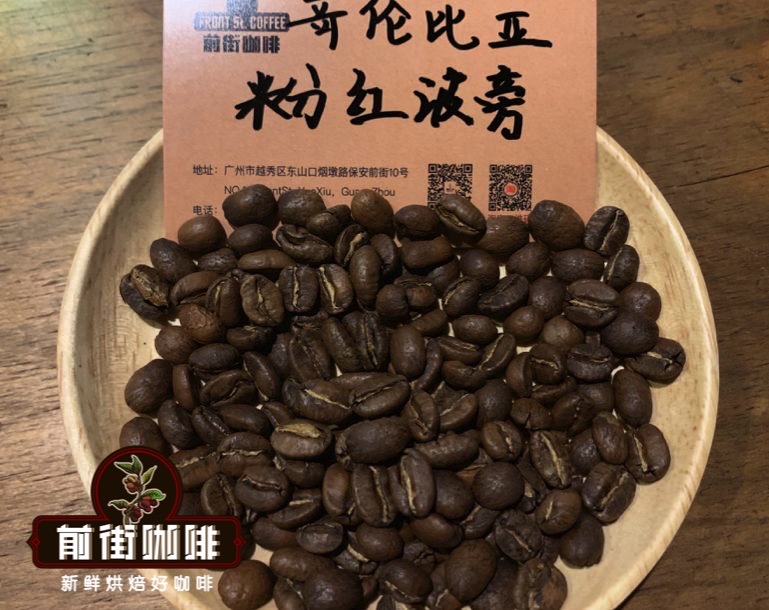
Pink Bourbon is our subject here. It was developed by hybridizing Red Bourbon and Yellow Bourbon, and it was first planted in Huila. At first it was mixed in with other Bourbon and Caturra, and only later harvested and processed separately. When the cherries ripen they turn a romantic pink, but holding that color is extremely difficult, because the fruit's final color is determined by recessive genes in the pollen. The pollen used in the cross carries both yellow genes leaning toward Yellow Bourbon and red genes leaning toward Red Bourbon, all recessive and easily interfering with one another, which is what makes Pink Bourbon so rare.
Colombian Processing Methods
Colombian beans are mainly washed. Buyers familiar with FrontStreet Coffee's supply bean series know that most of it is washed, because the washed method represents the basic flavor of a region and is the starting point for understanding regional character. Compared with natural processing, washing gives better control over bean quality, mainly by slowing the fermentation process. Because it needs large amounts of water, washing is less common in water-scarce countries.

Washed Method
1. Bean selection: harvested fruit goes into large water tanks, where ripe fruit sinks and unripe or overripe fruit floats.
2. Pulping: machines remove the skin and pulp, leaving beans wrapped in mucilage, the layer that washing is designed to clean.
3. Fermentation: mucilage clings stubbornly and is not easy to remove, so the beans rest in tanks for about 18-36 hours while microorganisms ferment and break it down.
4. Washing: the fermented beans go into water channels and are rinsed back and forth, the friction between beans and moving water cleaning them.
5. Drying: after washing, moisture content sits at 50% and must come down to 12%, or the beans will mold and spoil. Sun-drying is best, taking 1-3 weeks and producing excellent flavor; machine drying cuts the time sharply but yields flavor that is relatively inferior.
6. Hulling: once dry, the beans rest in a warehouse for a week to stabilize moisture before going to the factory, where the parchment layer is removed.
7. Selection and grading: defective beans are removed to ensure the best quality, and the coffee is delivered to exporters for sale worldwide.
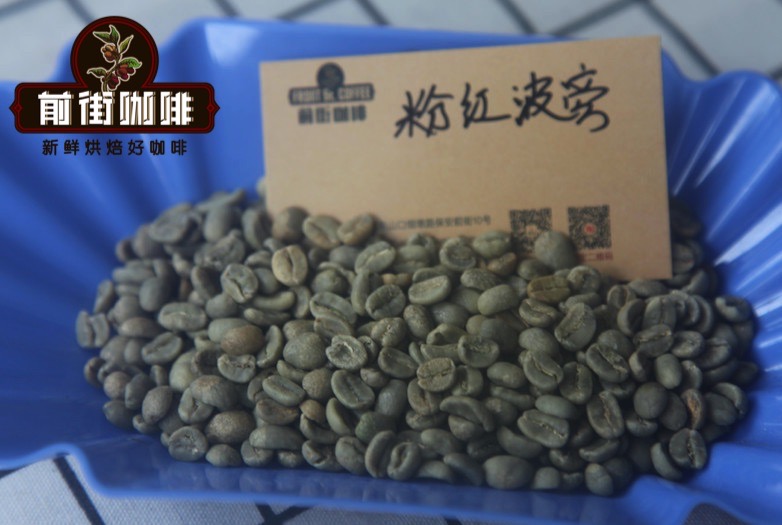
FrontStreet Coffee Colombian Washed Pink Bourbon Coffee Beans (Green)
Semi-washed and anaerobic washed processing are derived from the washed method. FrontStreet Coffee carries three Colombian Pink Bourbon coffees, using washed, semi-washed and anaerobic washed processing respectively.
Semi-Washed Method
Semi-washing is an improved method that cuts water use compared with traditional washing. The early steps of screening floaters and removing pulp match the washed method, but the mucilage is scraped off by machine, skipping the water-soak fermentation and the rinse. Drying is natural sun-drying or mechanical drying down to 12% moisture. The flavor of a semi-washed bean falls between natural and washed, less acidic than washed and less sweet than natural.
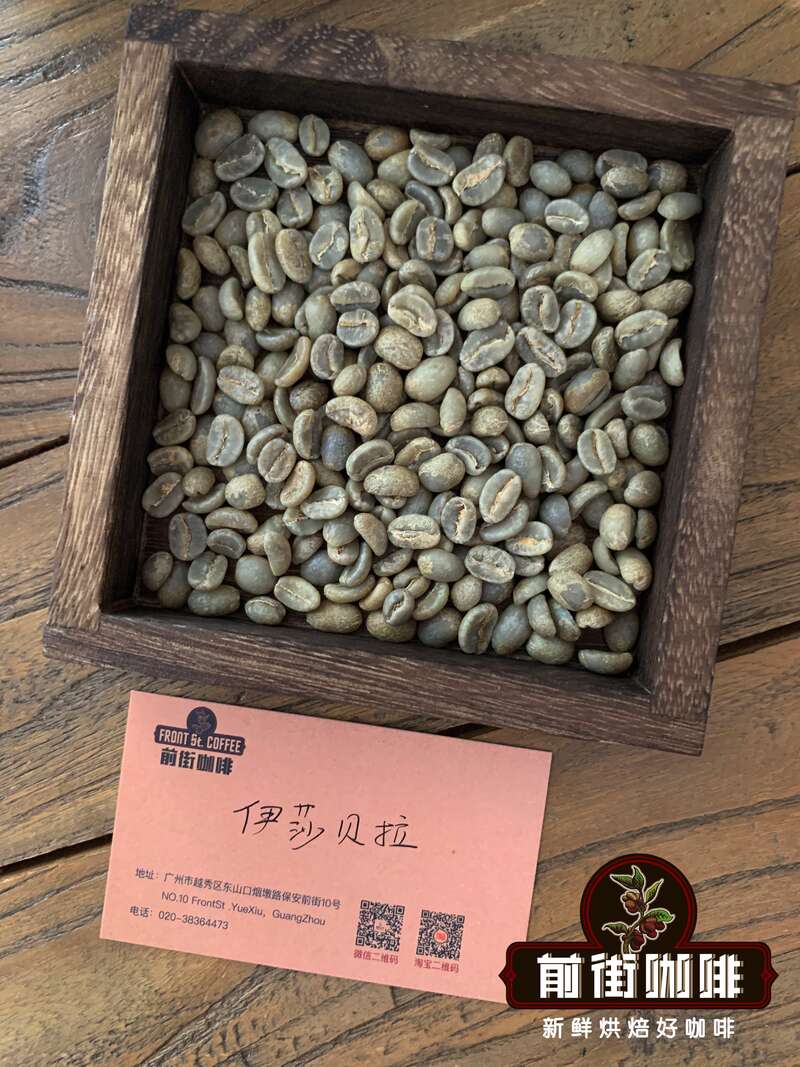
FrontStreet Coffee Colombian Semi-Washed Pink Bourbon Coffee Beans (Green)
Anaerobic Washed Method
Anaerobic beans ferment in oxygen-free containers. After the ripe cherries are harvested, they undergo 12 hours of dry fermentation directly in polypropylene woven bags. The coffee is then depulped and prepared for a second round of fermentation.
In the second round the beans ferment in an anaerobic environment for 24 hours, transferred to plastic containers and sealed against oxygen. After those two steps the beans are dried slowly on drying beds for 20 to 25 days, until moisture drops to between 10% and 12%.
Anaerobic processing is extremely demanding for the processor, since it is easy to over-ferment and push the coffee toward vinegar rather than fruit.
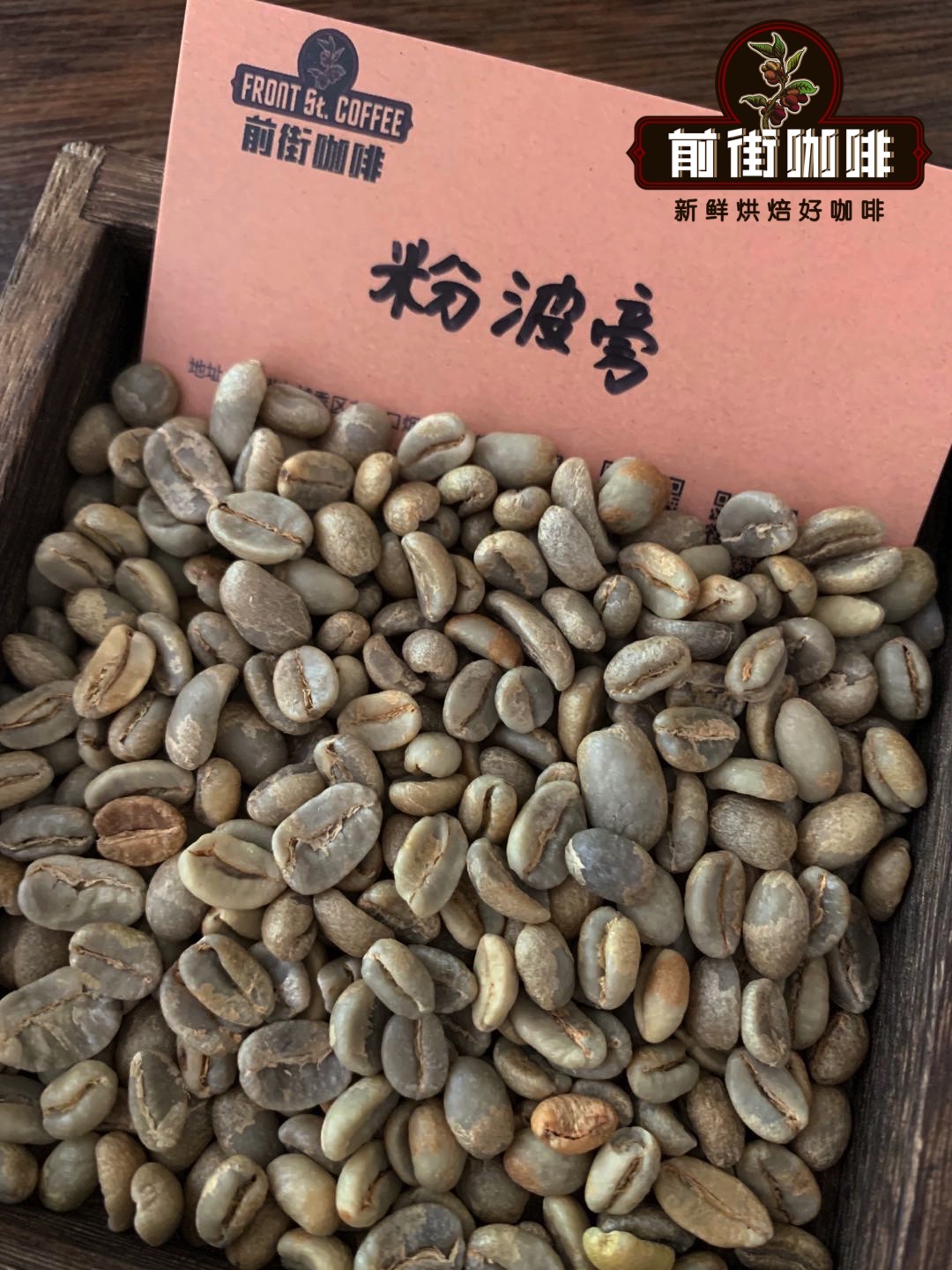
FrontStreet Coffee Colombian Anaerobic Washed Pink Bourbon Coffee Beans (Green)
FrontStreet Coffee Washed Pink Bourbon Coffee Beans
FrontStreet Coffee Colombian Paraiso Estate Washed Pink Bourbon Coffee Beans
Region: Cauca
Altitude: 1930m
Variety: Pink Bourbon
Processing: Washed
Flavor: Floral, citrus, lemon, cocoa, caramel, roasted almonds, tea-like

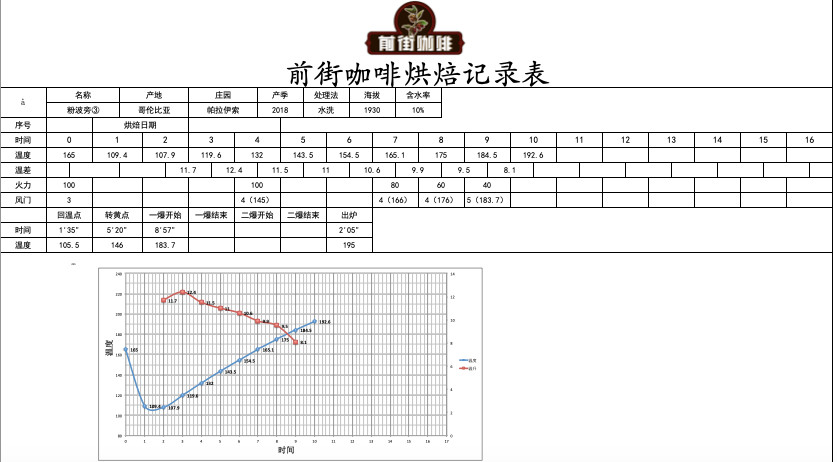
Roasting Analysis
Brewing Suggestions
FrontStreet Coffee's specific brewing parameters are: V60 dripper, water temperature 90°C, water-to-coffee ratio 1:15, coffee amount 15 grams, grind size with an 80% pass-through rate on the China #20 standard sieve.
FrontStreet Coffee uses staged extraction. The bloom water is twice the weight of the grounds, that is 30 grams of water for 30 seconds of blooming. After pouring in small circles to 125 grams, pause; when the water level drops and the bed is about to show, continue pouring to 225 grams and stop. The entire extraction takes 2 minutes.

FrontStreet Coffee Semi-Washed Pink Bourbon Coffee Beans
FrontStreet Coffee Colombian Isabella Semi-Washed Pink Bourbon Coffee Beans
Region: Huila
Altitude: 1760m
Variety: Pink Bourbon
Processing: Semi-Washed
Flavor: Citrus, berries, cherry tomatoes, honey, floral
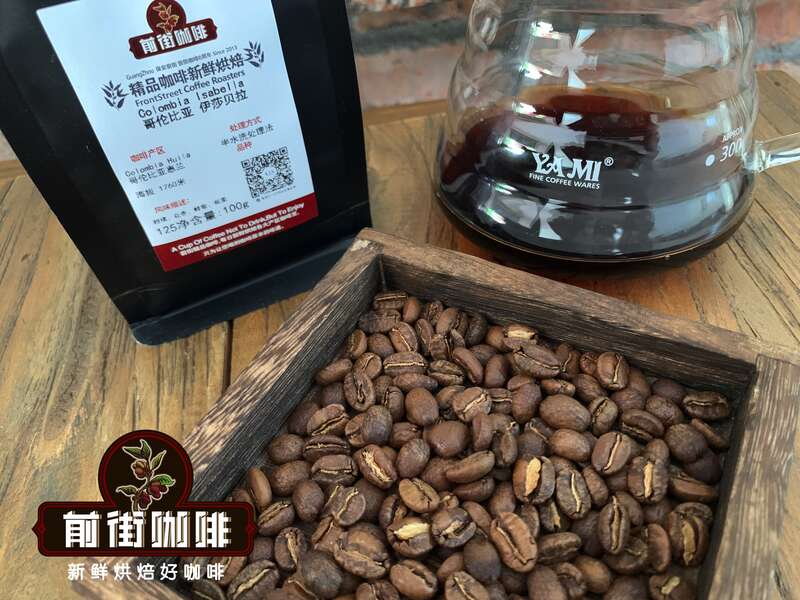
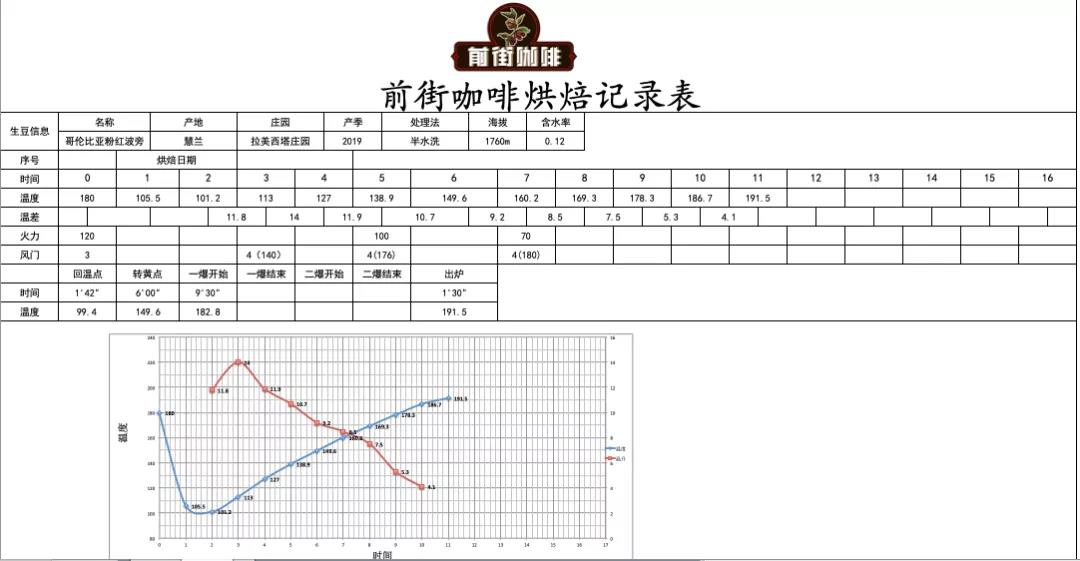
Roasting Suggestions
Brewing Suggestions
FrontStreet Coffee's specific brewing parameters are: V60 dripper, water temperature 90°C, water-to-coffee ratio 1:15, coffee amount 15 grams, grind size with an 80% pass-through rate on the China #20 standard sieve.
FrontStreet Coffee uses staged extraction. The bloom water is twice the weight of the grounds, that is 30 grams of water for 30 seconds of blooming. After pouring in small circles to 125 grams, pause; when the water level drops and the bed is about to show, continue pouring to 225 grams and stop. The entire extraction takes 2 minutes.

FrontStreet Coffee Anaerobic Washed Pink Bourbon Coffee Beans
FrontStreet Coffee Colombian Hope Estate Anaerobic Washed Pink Bourbon Coffee Beans
Region: Huila
Estate: Hope Estate
Altitude: 1900 meters
Variety: Pink Bourbon
Processing: Anaerobic Washed
Flavor: Dark plum, blackberry, citrus, black tea notes, cocoa
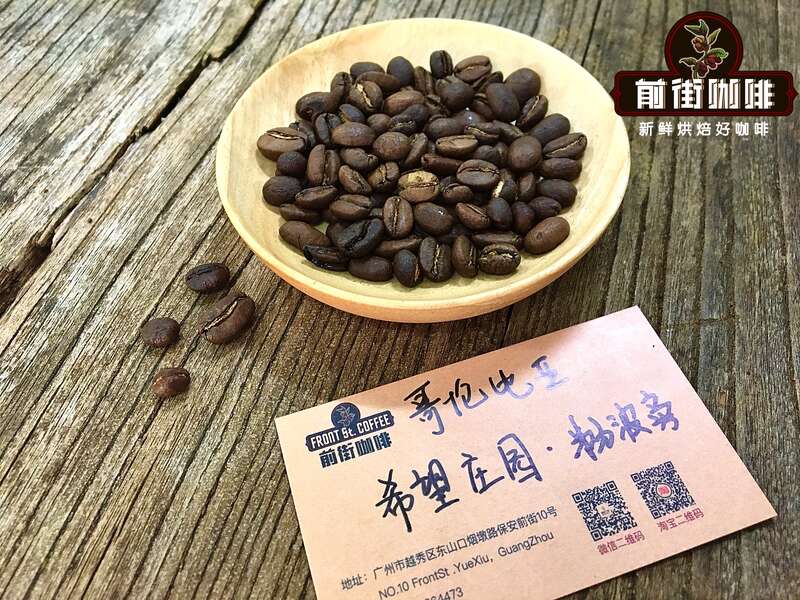
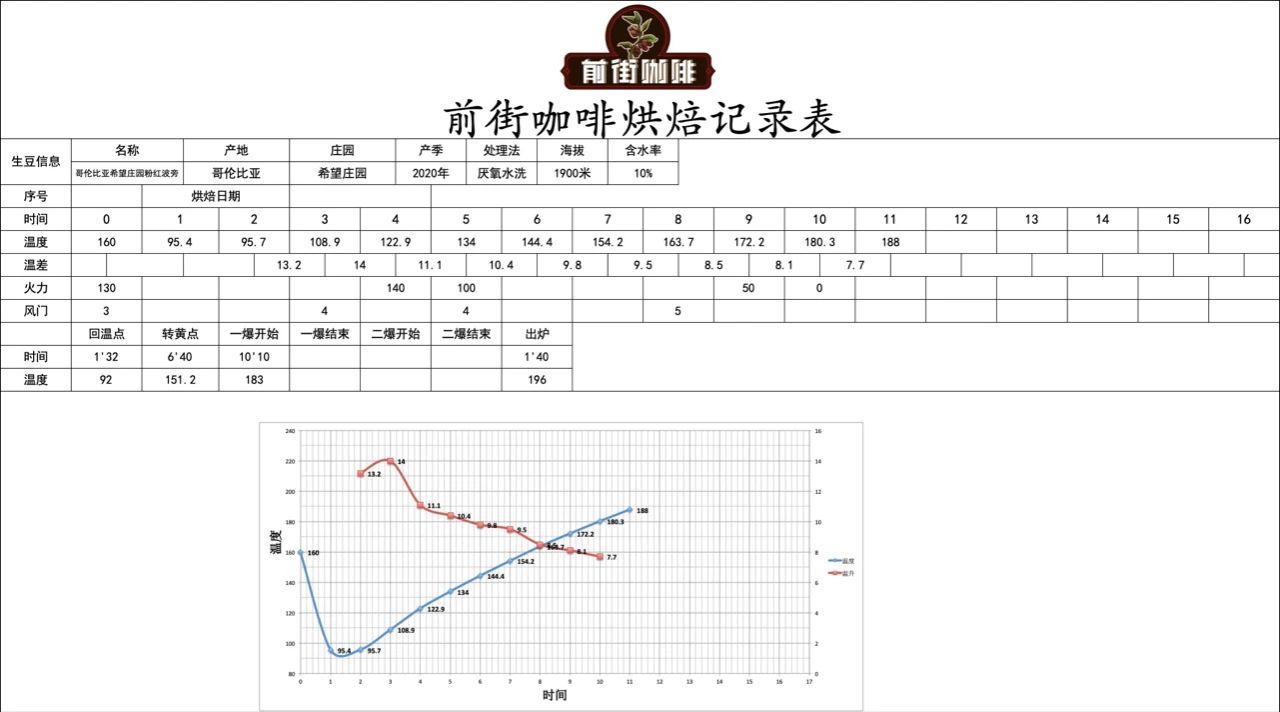
Roasting Suggestions
Brewing Suggestions
FrontStreet Coffee's specific brewing parameters are: V60 dripper, water temperature 90°C, water-to-coffee ratio 1:15, coffee amount 15 grams, grind size with an 80% pass-through rate on the China #20 standard sieve.
FrontStreet Coffee uses staged extraction. The bloom water is twice the weight of the grounds, that is 30 grams of water for 30 seconds of blooming. After pouring in small circles to 125 grams, pause; when the water level drops and the bed is about to show, continue pouring to 225 grams and stop. The entire extraction takes 2 minutes.

FrontStreet Coffee Recommendation
Colombia suits almost any use, from espresso blends to single-origin pour-over, and its beans run the range from fruity and acidic to full-bodied and mellow, which is why they please such a wide audience. FrontStreet Colombia Huila comes from the country's most celebrated specialty region, the hills of southern Huila at growing altitudes above 1,500 meters, where Colombia's most important rivers meet and supply abundant water and humidity. Washed and medium-dark roasted, it emphasizes dark chocolate and nutty sweetness with moderate crema and a full body, and it works in a pour-over or French press as readily as in a moka pot or espresso machine.
For the innovative side of modern Colombia, FrontStreet Colombia Finca El Diviso Sidra uses an anaerobic natural process. Anaerobic fermentation takes place in a low-oxygen or oxygen-free environment, usually a pressure-resistant stainless steel tank, where temperature, time and pH can be controlled, and the best-known versions are anaerobic natural and anaerobic washed. The Sidra here converts that oxygen-free fermentation into more tropical fruit aroma, and at a medium-light roast it delivers a heady mix of passionfruit, grape, apricot and dried fruit whether you brew it as pour-over, cold brew, drip bag or moka pot.
If you have a home espresso machine or a moka pot, FrontStreet Premium Blend is the barista's pick, a recipe built for cafe work that combines the creamy nut aroma of Brazil with the dark chocolate bittersweetness of Colombia. It pulls with a fine golden crema and is especially friendly with milk for a rich, smooth latte, while also serving as the base for an Americano, cappuccino or mocha. To get the most from the Pink Bourbon lots themselves, keep to the FrontStreet parameters: a V60 at 90°C, a 1:15 ratio and 15 grams of grounds, with a 30-gram bloom for 30 seconds, a pour to 125 grams, a pause, and a final pour to 225 grams for a two-minute extraction.
Important Notice :
FrontStreet Coffee is a long-established specialty coffee roaster in Guangzhou China, selling freshly roasted beans from its own farm in Yunnan as well as dozens of carefully selected single-origin beans from around the world for both pour-over and espresso. The products deliver consistently excellent quality and great value, with shipping within 24 hours. Guangzhou's FrontStreet Coffee shop is recommended by many coffee lovers, and the beans are now available online at the Tmall 。
FrontStreet Coffee has moved to a new address:
FrontStreet Coffee Address: 315,Donghua East Road,GuangZhou
Tel:020 38364473
 Scan and follow the En Gafei WeChat official account. Please indicate that the reprint comes from "En Gafei".