FrontStreet Coffee Shares 3 Espresso Blend Recipes: Espresso #2, Commercial Blend, and Basic Blend Characteristics
Professional Coffee Knowledge Exchange
Understanding Coffee Blends
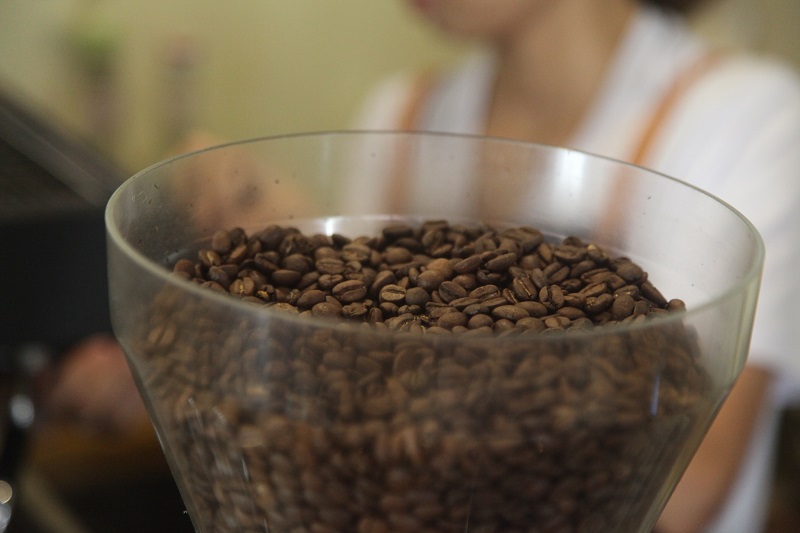
Blended coffee, also known as mixed coffee, combines various single-origin beans to fully showcase the unique character of each. Blends are made by mixing coffees from different origins to reach a more balanced profile. If one bean is smooth but lacks aroma, another bean with rich aroma can be added so the two complement each other, creating a richer new taste through flavour complementation or enhancement. Sometimes beans are mixed before roasting (raw blending), and sometimes after roasting (roasted blending).
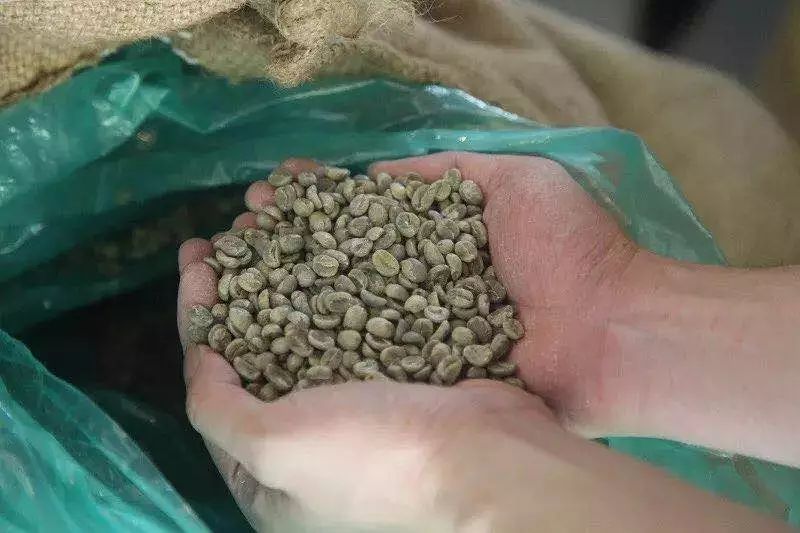
Whether using pre-mixed raw beans or blending individually after roasting, the approach must depend on the character of the coffees in the formula. Both methods are acceptable. Post-roasting blending allows a different roast level for each bean, letting every component perform at its best.
Before blending, you must understand the flavour profiles of different varieties from around the world, since beans show distinct character based on origin. Different beans have unique personalities due to variety and origin, with subtle variations in acidity, bitterness, sweetness, aroma and body. Single-origin beans typically emphasise the unique character of one coffee; blends are commonly used for espresso-based drinks such as Espresso, Americano, Latte or Cappuccino, offering more balanced, smoother and more stable flavours that appeal to a broader audience.
Purposes of Coffee Blending
Mixing different coffees serves three main purposes:
1. Stable Flavor
Because coffee beans are agricultural products, even the same variety tastes different from year to year. Blending several coffees together solves this effectively, keeping the taste basically consistent year after year.
2. Balanced Flavor
Espresso machines amplify the most prominent characteristic of a bean, which is why single-variety coffee is almost never used for espresso. Otherwise, a particularly bitter bean produces exceptionally bitter espresso, and an acidic bean produces very acidic espresso. Blending lets us balance these flavours.
Coffee blending is not simple addition. It relies on the blender's understanding of coffee flavours to let different beans offset each other's strengths and weaknesses, creating exceptionally flavoured blend beans.
3. Consistent Flavor
Because beans are agricultural products, even beans of the same variety and region taste different each year. Blending several coffees together solves this effectively, keeping the flavour basically consistent year after year.
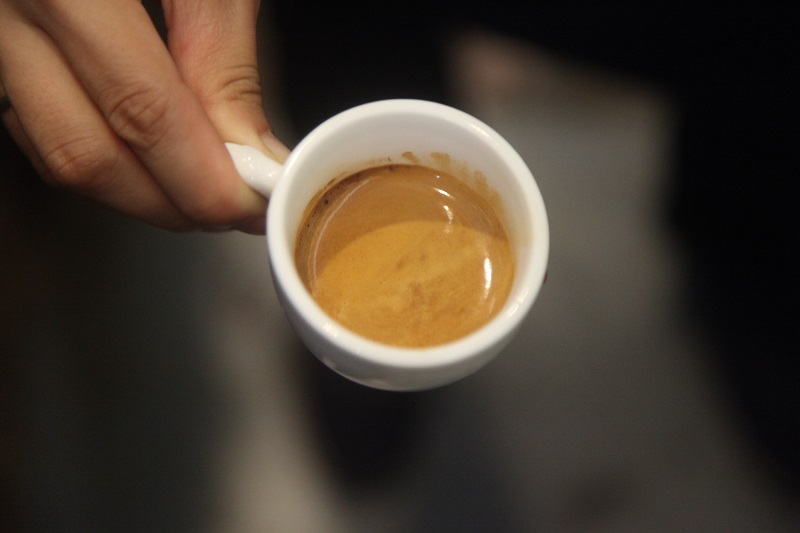
The Rise of Single Origin Espresso (SOE)
SOE has become popular recently. SOE stands for Single Origin Espresso. It is not necessarily equivalent to specialty coffee, but if you choose single-origin beans with easily identifiable flavours as SOE, you can create espresso with a uniquely typical flavour. Take the citrus of Yirgacheffe or the fruity notes of Kenya: combined with espresso's amplification, those characteristics stand out more than in pour-over. Excellent as SOE may be, coming from a single origin its drawbacks are also amplified. Roasting and grind size both affect flavour, so it is not necessarily tastier than a blend.
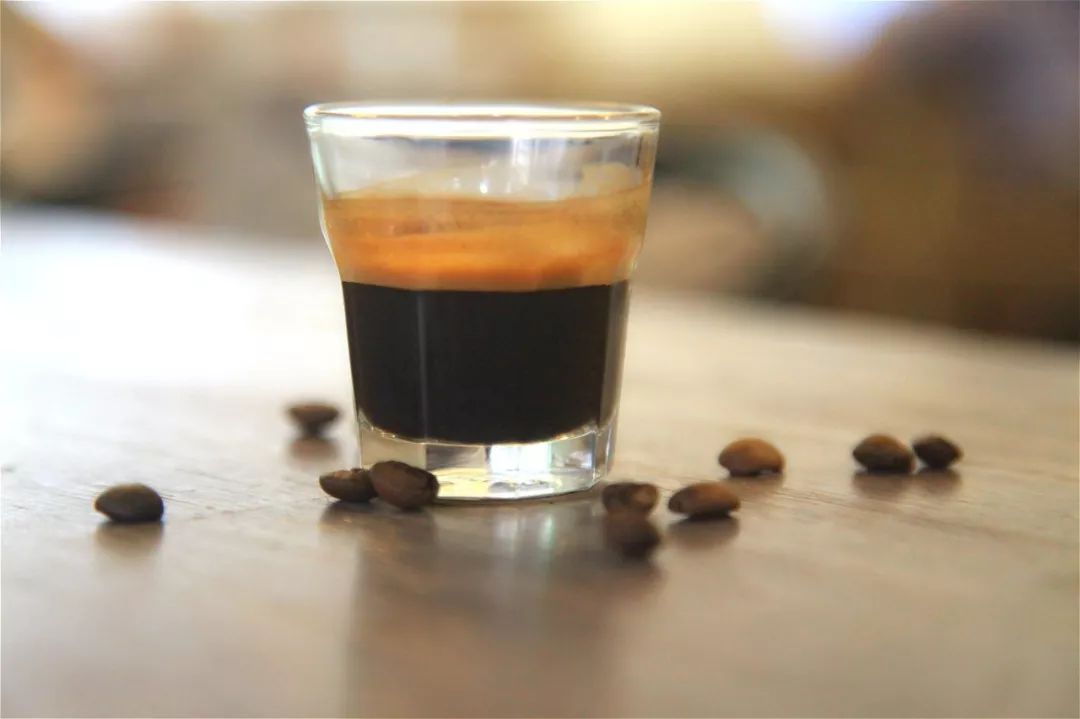
How We Blend
(1) FrontStreet Coffee Espresso Blend No. 2 Formula:
Colombia to Brazil, ratio 3:7
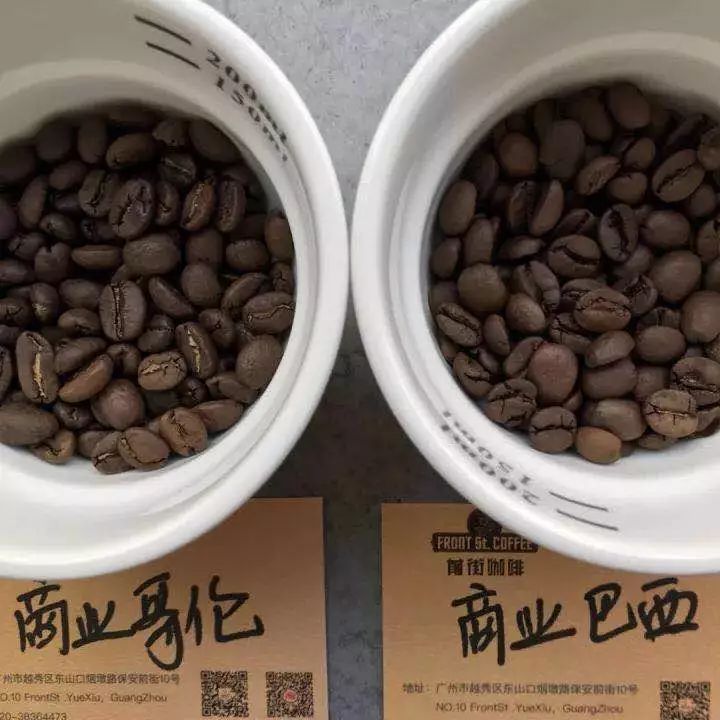
Colombia Huila Region
Located in southwestern Colombia, Huila is one of the main coffee cultivation areas. Colombian coffee generally grows at altitudes of 1500-1800 meters, mostly Bourbon and Caturra varieties processed by the washed method. The beans are dense, uniform in size and full in shape (thick from core to surface). Because famous growing areas are scattered throughout Huila, the names of small areas have become brand names in circulation. Although cultivation conditions are excellent, the infrastructure of farms and surrounding conditions is not well developed; raw-bean drying equipment and washing facilities are incomplete, which is quite regrettable. Coffee from Huila has strong flavour and heavy texture.
In particular, the nutty, chocolate and caramel aromas and suitable acidity of Huila coffee can be called high-end specialty coffee.
Flavor characteristics: a rich and solid taste with pleasant acidity, fragrant aroma, moderate acidity and rich, intriguing sweetness. Because of its low price and small beans it suits blending. The coffee has strong flavour and heavy texture, and its nutty, chocolate and caramel aromas with suitable acidity make it high-end specialty coffee suitable for single origin or as an espresso blend base.
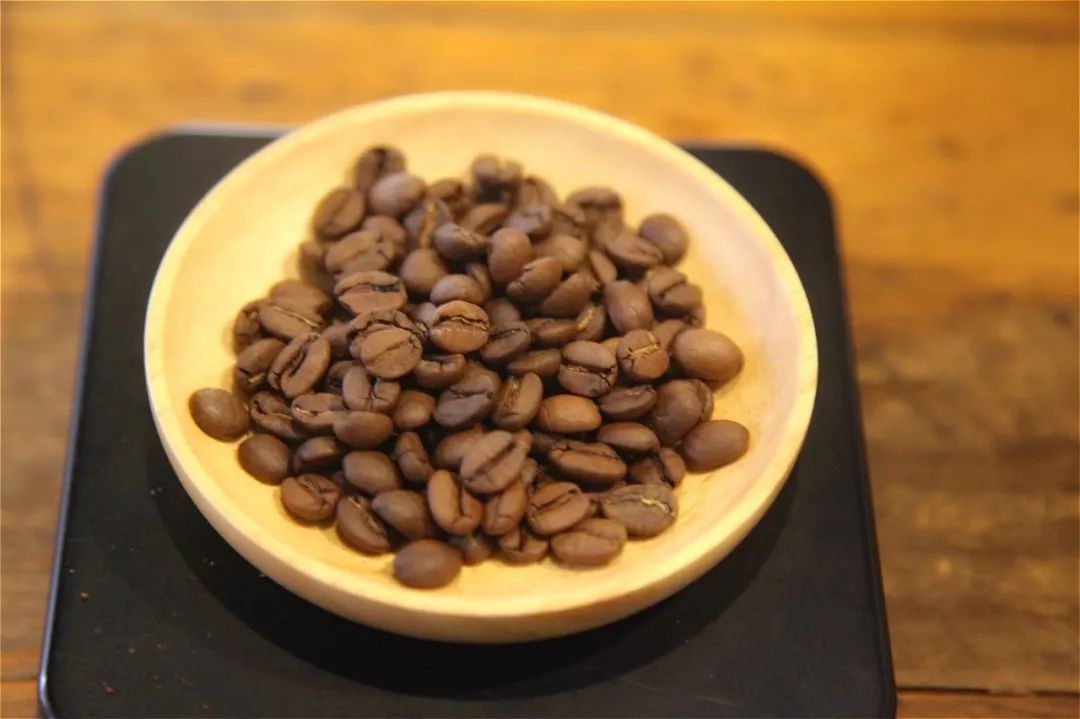
Brazil Cerrado Region
Brazilian coffee generally grows at altitudes of 1000-1300 meters, so its density is relatively low. Mostly Bourbon variety, processed by the semi-washed method. It has moderate moisture content, a softer bean texture and thin thickness from surface to core, making it unsuitable for very high-temperature roasting, since the inner wall of the drum would scorch the bean surface and create burnt bitterness.
To express nuts, milk chocolate and good body, and to serve as a blend base, we choose a medium-heat charge and hold heat through the dehydration stage, making fine adjustments as the temperature rises after first crack, promoting a more complete caramelisation and discharging near second crack.
Flavor characteristics: a comfortable sweet-bitter taste and an extremely smooth entry; a light grassy aroma, slightly fragrant with bitterness; sweet, smooth and pleasant to drink, with a refreshing aftertaste.
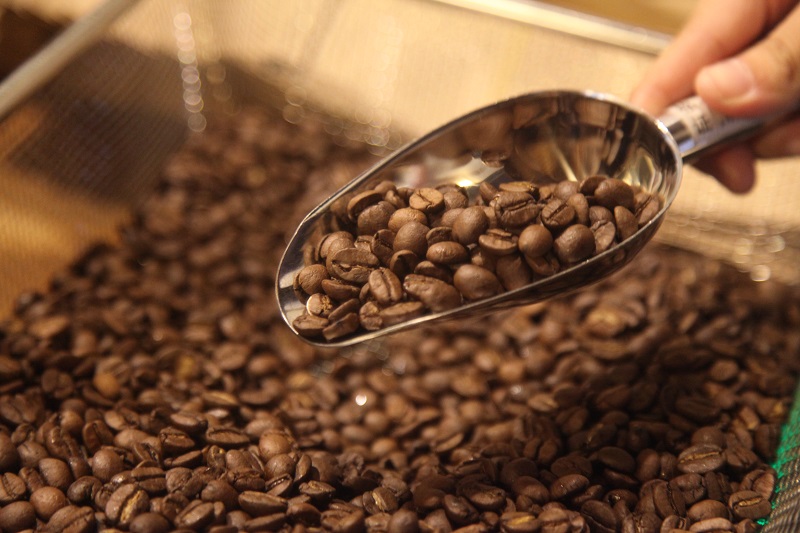
Blended Flavor
Sweet and fragrant. Using a medium-dark roast, the espresso has a soft, slight acidity, clear sweetness and a nutty aftertaste, with a non-stimulating, balanced flavour and medium crema.
(2) Commercial Blend:
Colombia to Brazil to Robusta, ratio 3:6:1, raw blend, roasted together to medium-dark.
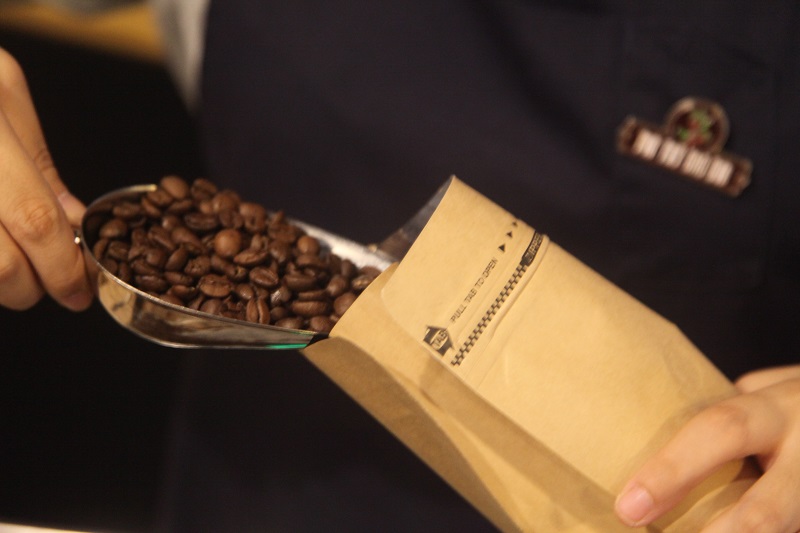
Robusta Beans
Robusta beans have strong disease and pest resistance and high yield. They are usually less acidic than Arabica, often with a slight woody aroma. Caffeine content is 2.2%, higher than Arabica's 1.2%, and chlorogenic acid content is also higher, making it quite bitter. It is usually used in commercial beans and is cheaper than Arabica.
In individual bean flavour, commercial beans are far inferior to specialty beans, and they are generally chosen for blending. After blending they can still produce very tasty coffee suitable for lattes, cappuccinos and other espresso-based drinks. Our commercial blend makes espresso with Robusta, resulting in richer crema, a classic taste, caramel sweetness, nutty and cocoa-like and dark chocolate flavours, balanced sweet and sour, slight bitterness and a persistent aftertaste.
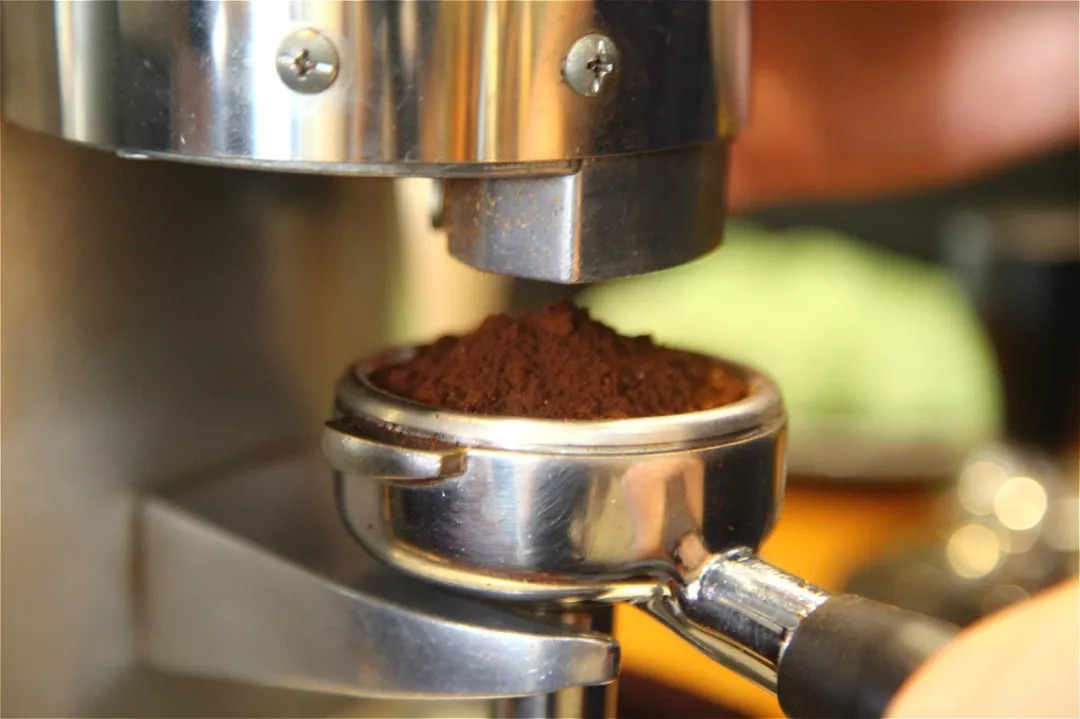
(3) Basic Blend:
Yunnan AA to Brazil, ratio 3:7, roasted blend.
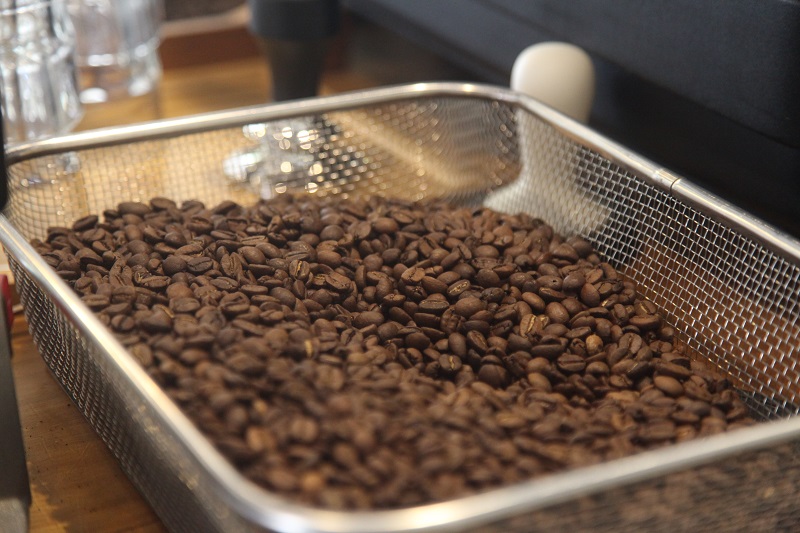
Our Yunnan AA Is Typica
Typica is the oldest native variety from Ethiopia, grown in southeastern Ethiopia and Sudan. All Arabica varieties derive from Typica. The top leaves are copper-coloured, which is why it is called red-topped coffee; it has an elegant flavour but a weak constitution, poor disease resistance, susceptibility to leaf rust and low fruit yield. Typica has four slender branches in a spreading posture with inclination angles of 50-70 degrees. Opposite leaves are long-oval with a smooth surface, long terminal branches with few side branches, and white flowers that bloom at the base where the leaf stems meet the branches. Mature cherries look like cherries and are bright red.
It requires more shade during cultivation and can only be harvested about every two years. Yunnan's excellent geography and climate suit coffee well, with growing areas in Lincang, Baoshan, Simao, Xishuangbanna, Dehong and other prefectures. Yunnan's natural conditions are very similar to Colombia's: high altitude, large day-night temperature differences, a mellow flavour type, moderate acidity, a rich and mellow taste, uniform particles, high oil content, fruity aroma and a quality taste similar to Colombian coffee.
Blended Flavor
With soft fruit acidity, caramel sweetness, nutty and dark chocolate flavours, smooth and thick, though the taste is relatively light.
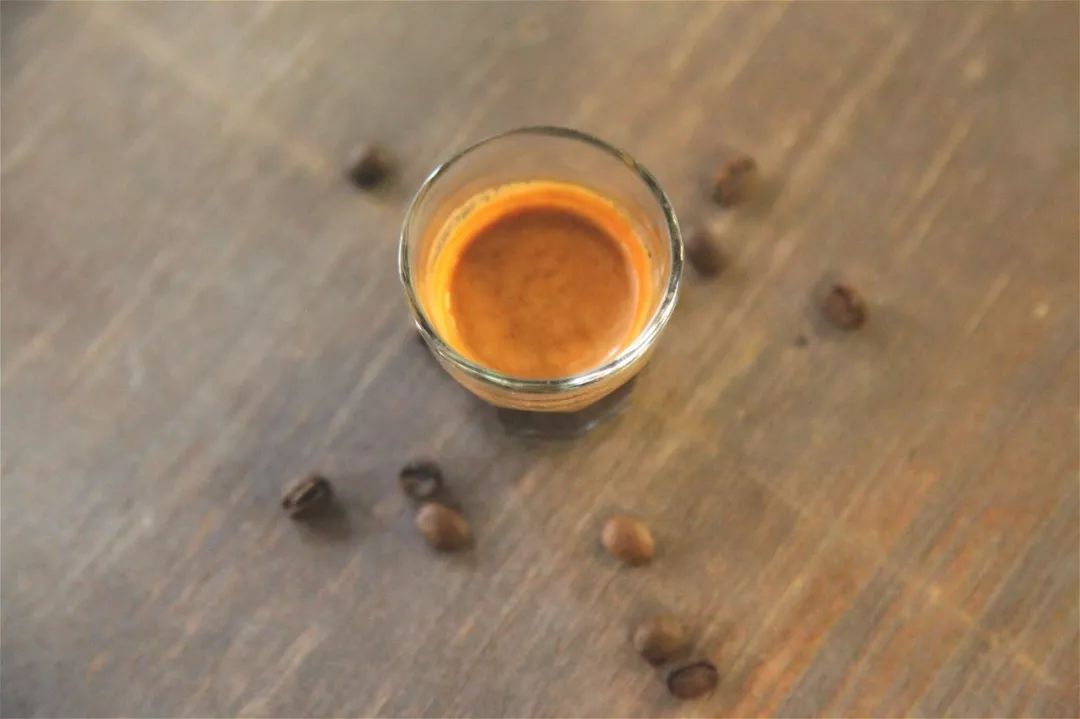
When blending, there should be primary and secondary distinctions to create a taste more wonderful than single-origin coffee. Before formulating a plan, first envision suitable combinations, then blend through appropriate roasting and determine the best plan through cupping and later adjustments. Hope this helps everyone.
Quick Guide: Differences Between Espresso, Macchiato, Latte, Cappuccino and Flat White
Flavored Coffee Latte
In Italian, "latte" means "milk," so ordering a latte in Italy gets you only a glass of milk, not coffee. Some cafes in China also offer flavoured lattes such as matcha latte or purple potato latte - remember, those contain no coffee.
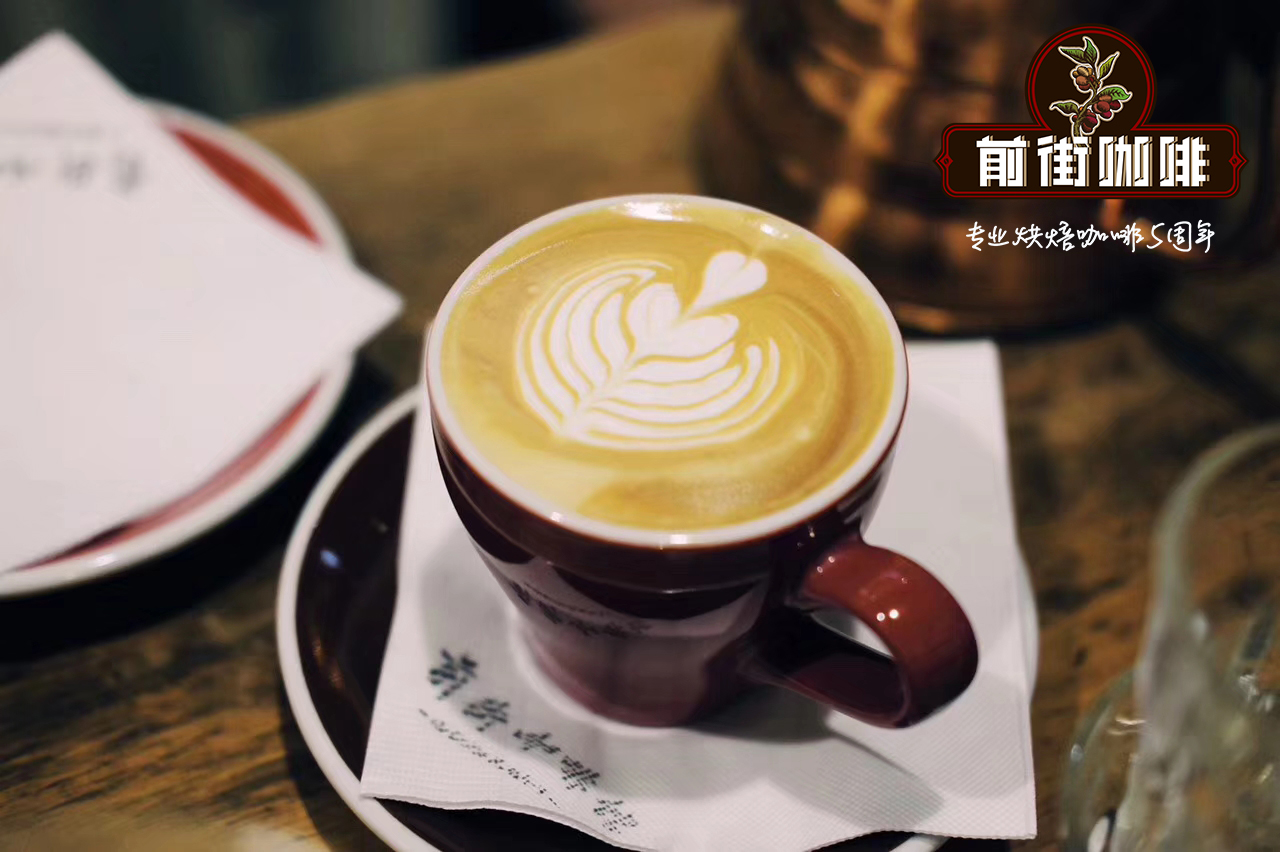
Latte Coffee (200ml): single shot espresso 30ml + milk
Cappuccino (180ml): single shot espresso 30ml + thicker milk foam
Flavored Coffee Affogato
In Italian, "affogato" means "drowned" - pouring espresso over ice cream balls, drowning them. Not only is it visually appealing, it is also a very delicious coffee, deeply loved in summer.
Flavored Coffee Flat White
Whether it was invented in Australia or New Zealand remains disputed. It was initially translated in China as "Xiao Bai" (Little White), "Ping Bai" (Flat White) or "Ao Bai" (Australian White). After Starbucks introduced it to China, it was translated as "Fu Rui Bai." Compared with a regular latte, its foam layer is thinner, the foam is finer and smoother, and the coffee taste is stronger.
When drinking cappuccino you feel a foam layer over 1cm thick with a relatively soft texture. Flat White also has foam, but finer, with a foam layer under 5mm and a high fusion between milk and espresso, giving a silky-smooth taste.
Flat White (200ml): based on double shot espresso 60g; some places extend the extraction time on that basis, using a double Ristretto (Ristretto: 1:1 Espresso).
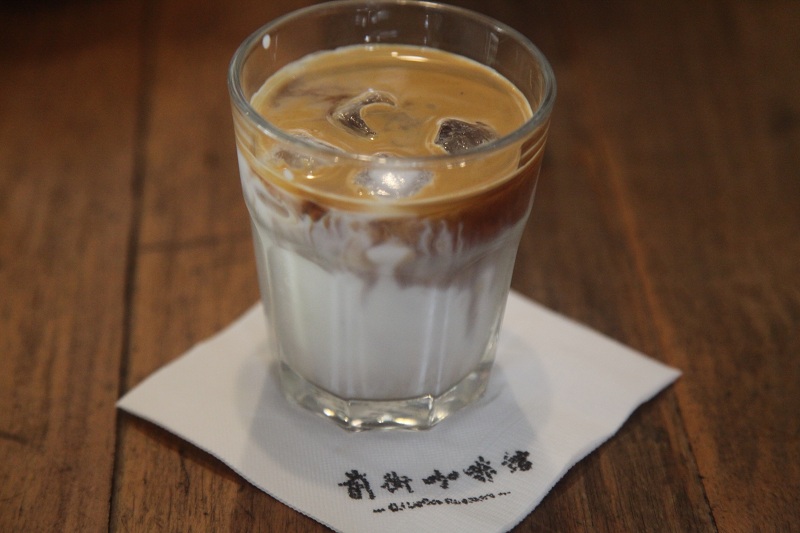
Toffee Iced Latte Recipe:
- Fill a glass five parts with ice, then add 10g of toffee syrup.
- Pour fresh milk and ice into the glass until seven parts full, then stir well to dissolve the syrup in the fresh milk and increase milk density.
- Pour coffee slowly along the back of a spoon into the glass. The pouring speed should not be too fast, to avoid damaging the layered effect.
Americano Black Coffee
Espresso + hot water
Taste Characteristics:
Americano extracted coffee is mainly bitter, making this black coffee the purest. If you want to taste the flavours of different beans, Americano is a great choice.
Brewing Method:
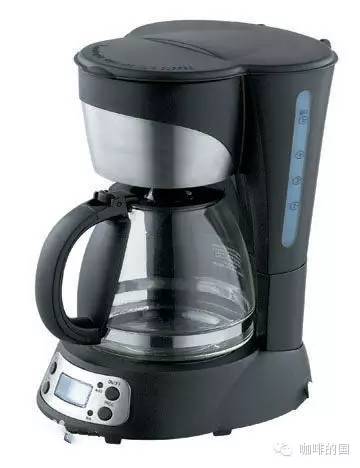
With an Americano coffee machine, making Americano is simpler than you imagine: add 1 measure of water, pour in 1 level spoon of coffee powder, start, and in about two minutes a fragrant Americano is ready.
Commonly used: espresso blend beans, Mandheling, Honduras and Colombian and Brazilian beans can all make delicious Americano.
FrontStreet Coffee Recommendation
If you want to build your own espresso drinks, start with the blends and single origins FrontStreet Coffee roasts for milk coffee. FrontStreet Classic Blend is the everyday workhorse - a traditional Mamba-style recipe with outstanding crema that even a beginner can pull densely on a home machine, giving a mellow, rounded cup for latte, cappuccino or Dirty. FrontStreet Strawberry Candy Espresso Blend is for anyone who wants a floral-fruit cappuccino: it layers berry, rose, raisin and fruit-candy aromas. And if you like a fresh, less bitter base, FrontStreet Grana Geisha SOE is a sun-dried, medium-roasted Ethiopian single origin with berry, orange and persimmon notes that turn to milk candy when combined with milk.
Important Notice :
FrontStreet Coffee is a long-established specialty coffee roaster in Guangzhou China, selling freshly roasted beans from its own farm in Yunnan as well as dozens of carefully selected single-origin beans from around the world for both pour-over and espresso. The products deliver consistently excellent quality and great value, with shipping within 24 hours. Guangzhou's FrontStreet Coffee shop is recommended by many coffee lovers, and the beans are now available online at the Tmall 。
FrontStreet Coffee has moved to a new address:
FrontStreet Coffee Address: 315,Donghua East Road,GuangZhou
Tel:020 38364473
 Scan and follow the En Gafei WeChat official account. Please indicate that the reprint comes from "En Gafei".