Is Yirgacheffe Kochere Natural Coffee Good? _ Introduction to Natural Kochere Coffee _ Kochere Coffee Bean Price
Ethiopia, Yirgacheffe, Kochere Coffee Beans
When Ethiopia redrew its administrative boundaries in 1995, the Yirgacheffe most of us know was placed inside the Gedeo Zone of the newly formed SNNPR. Kochere lies roughly 25 miles north of the town of Yirgacheffe, in the heart of Gedeo. Production here is built on smallholders who deliver their cherry to cooperatives for centralized processing, and for decades this stretch of southern Ethiopia has been counted among the finest coffee origins anywhere.
Yirgacheffe itself is a small town sitting between 1,700 and 2,100 meters, and its name has become shorthand for top-tier Ethiopian coffee. The land was once wetland, and "Yirgacheffe" is said to mean "let us settle and thrive in this wetland." It is one of the highest coffee-growing areas in Ethiopia. Yirgacheffe is best known for washed coffee, yet a small number of outstanding lots are deliberately given the natural treatment to intensify their fruit aromatics and body.
Coffee trees here are mostly planted in farmers' backyards or intercropped with other food crops, so each household produces only a limited amount. This is classic garden coffee. The mountain villages are wrapped in mist and enjoy spring-like weather all year: summers bring gentle breezes that are cool without being hot and rainy without being damp, while winters pass without frost damage. That unusual environment produces a distinctive regional flavor built on citrus and florals. When people talk about the "Yirgacheffe flavor," they mean intense jasmine, lemon, and a peach-and-almond sweetness with a tea-like quality.
Historically, Yirgacheffe relied on the oldest natural processing method. Then, in 1972, Ethiopia brought in Central and South American washing techniques in order to raise quality. That shift made the jasmine and citrus aromatics of Yirgacheffe cleaner and more refined, lifting the region into the ranks of the world's finest specialty coffees. The skill behind the washing was decisive. From the 1970s onward the area focused primarily on washed processing and became Ethiopia's most prominent washed-coffee region.
Over the past couple of years, however, Yirgacheffe has broken with tradition, releasing one impressive natural-processed lot after another and setting the specialty market alight.
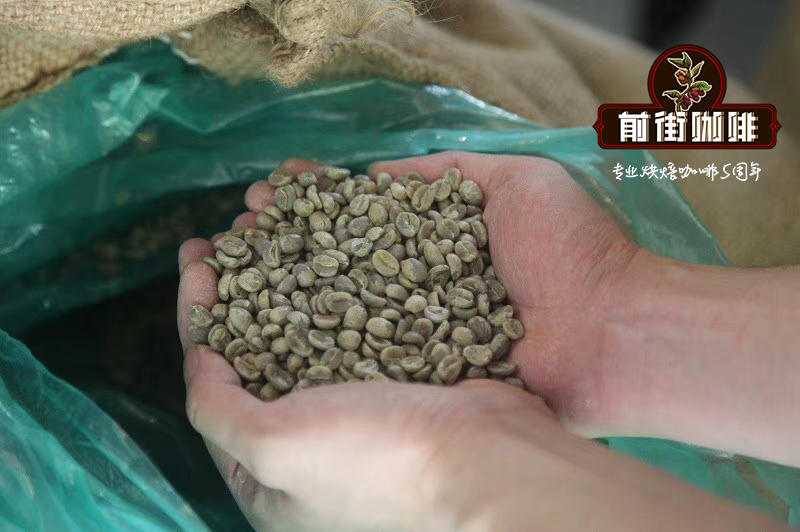
The coffee in question is a natural-processed Yirgacheffe from the Red Cherry Project, grown in Kochere and processed at the Licho station. Although it is officially graded G3 on import, the green beans show a defect rate that rivals G1 natural coffees on the market. This is a fresh-crop lot from this year's harvest, landed directly from origin, with a remarkable CR score of 93 points.
Through extensive cupping of micro-lots by the Dutch company Trabocca, the washed Yirgacheffe from the Licho station was first brought to light, showing distinctive honey peach, mango, and stone fruit aromas. That profile suggested real potential for natural processing. This lot is the fruit of a collaboration between the Licho station and close to a thousand surrounding farmers, guided and encouraged by the Red Cherry Project to raise quality, and it was hand-picked from a long list of Red Cherry Project samples for import.
Even though it carries a G3 export label, the share of unripe and defective beans is remarkably low, effectively at G1 level. The green beans may not look like much, but their vivid ripe-fruit aroma is completely captivating. This is an elegant, refined, and unmistakably natural-processed Yirgacheffe.
FrontStreet Coffee Recommendation
The closest match to this Kochere natural is FrontStreet Coffee's Yirgacheffe Red Cherry. It is built entirely from fully ripe red cherries that are dried whole in the fruit, turned every two to three hours during the first days to prevent uneven heating and over-fermentation, and left on the drying beds for three to five weeks before the dried pulp is scraped away. Keeping the fruit on the bean preserves the typical Yirgacheffe character while adding the tropical lift of a natural: citrus-like acidity, juicy berry, honeyed sweetness, and a creamy, rounded body.
For a crisper, more delicate reading of the same town, FrontStreet Coffee's washed Yirgacheffe is the classic starting point. Washed processing gives it bright citrus and lemon acidity, white jasmine, and a clean, tea-like finish, and its friendly price has made it the first specialty bean for a great many drinkers. Even closer to Kochere's cooperative model is FrontStreet Coffee's Gedeb cooperative lot, a washed coffee from the Wolka area at Yirgacheffe's southeastern edge, where traditional washing brings out elegant white florals alongside citrus and lemon acidity.
Important Notice :
FrontStreet Coffee is a long-established specialty coffee roaster in Guangzhou China, selling freshly roasted beans from its own farm in Yunnan as well as dozens of carefully selected single-origin beans from around the world for both pour-over and espresso. The products deliver consistently excellent quality and great value, with shipping within 24 hours. Guangzhou's FrontStreet Coffee shop is recommended by many coffee lovers, and the beans are now available online at the Tmall 。
FrontStreet Coffee has moved to a new address:
FrontStreet Coffee Address: 315,Donghua East Road,GuangZhou
Tel:020 38364473
 Scan and follow the En Gafei WeChat official account. Please indicate that the reprint comes from "En Gafei".