Single Origin Coffee Bean Recommendations | Emerald Mandheling | Lintong Mandheling Indonesian Coffee Bean Brands
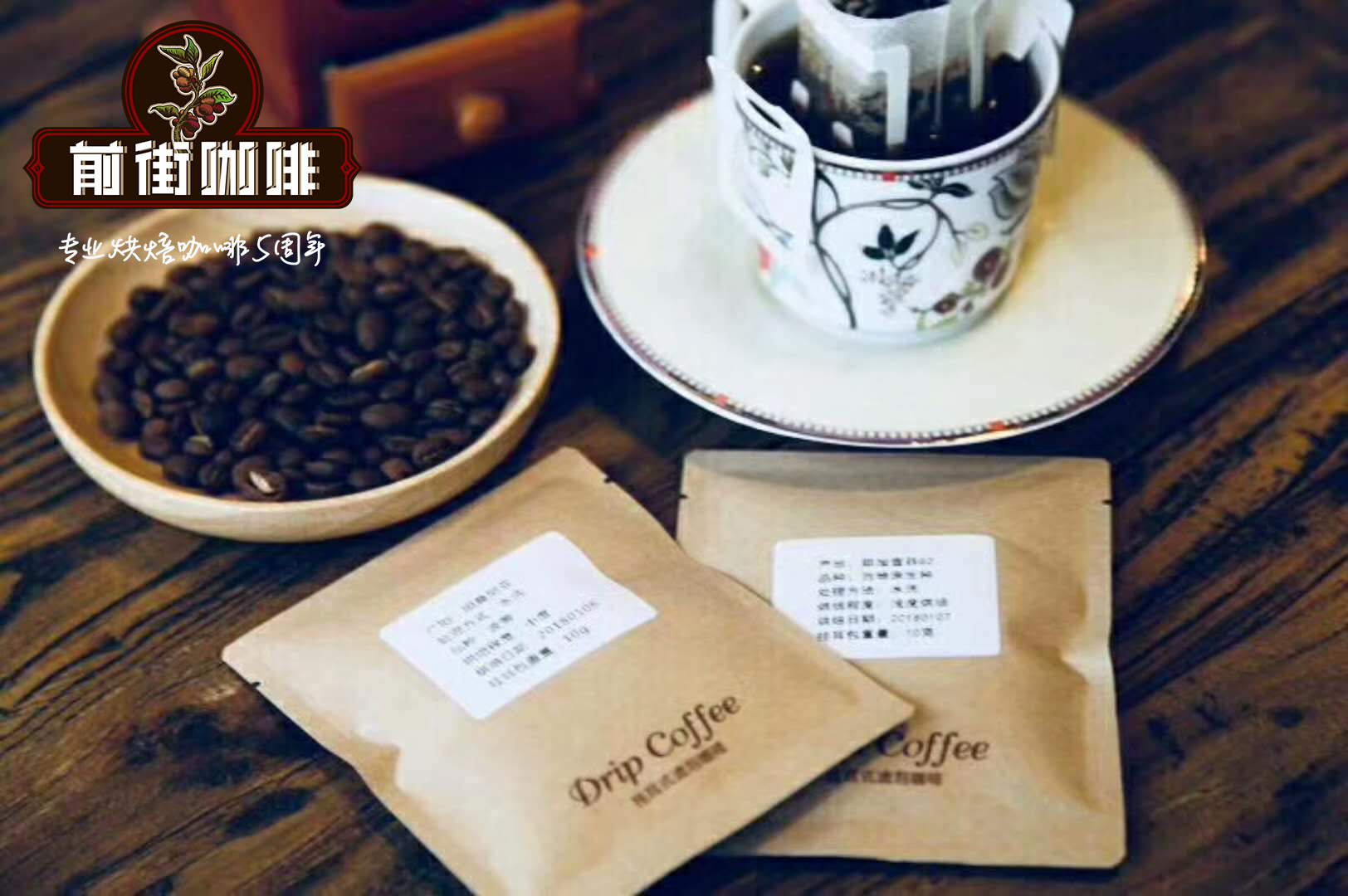
Emerald Mandheling | Lintong Mandheling
Region: Lake Toba area
Varieties: Ateng, Djember, TimTim
Producer: Local smallholder farmers of the Lake Toba region
Altitude: 1,200–1,400m
Processing: Traditional wet-hulled (giling basah)
Grade: G1
Flavor description: herbal notes, vanilla, caramel cream, and pine; rich and full-bodied, with a deep, lingering aftertaste.
FrontStreet Coffee's pour-over suggestion: KONO dripper, water at 86–88°C, coffee-to-water ratio 1:14, total brew time of 2 minutes.
Introduction
Indonesian coffee quality varies widely, and most of it is marketed by island of origin: Sumatra, Sulawesi, Java, or Timor. The strength of Indonesian coffee lies in its rich, restrained flavors and lively, moderate acidity. Chinese drinkers hold Indonesian Mandheling in especially high regard, making it one of the most widely accepted single origins on the market — once hailed as the world's finest wet-hulled coffee bean.
Mandheling is, in fact, a trademarked name. Today, virtually any Indonesian coffee processed by the distinctive wet-hulled method is sold as Mandheling. The name traces back to coffee grown by the Mandailing people of the Tapanuli region in northwestern Sumatra. At the end of World War II, a Japanese soldier introduced it to the Japanese market, and through a mishearing "Mandailing" became "Mandheling" — a name that stuck.
Sumatran coffee is wonderfully complex and elusive. The finest lots come from two areas: the region around Lake Tawar in Aceh province in the island's north, and the mountainous country surrounding Lake Toba further south. Thanks to the many smallholder producers, their unique semi-washed processing, and iron-deficient soils, green beans from these regions show a distinctive bluish tint before roasting.
Sumatra is Indonesia's second-largest island and the world's sixth-largest, covering 470,000 square kilometers — thirteen times the size of Taiwan. It is divided into eight provinces, but only two grow coffee extensively: Aceh and North Sumatra. In Aceh, the most representative growing region is the Gayo Mountains around Lake Tawar, where the indigenous Gayo people cultivate coffee within a distinctive culture centered on women doing the farming and harvesting. In North Sumatra, coffee grows around Lake Toba — an enormous volcanic lake, the largest crater lake on Earth — with the Lintong region south of the lake the most famous production area.
FrontStreet Coffee Recommendation
Sumatra is now the largest source of both Arabica and Robusta in Indonesia, accounting for more than 60% of national output, with highland Aceh and North Sumatra focusing on Arabica — the beans the world knows as Mandheling. The island's relentless rains, overlapping with harvest season from September through April, made African-style three-week sun drying impossible and pushed local farmers to invent the wet-hulled method: the cherries are pulped and briefly washed, dried partway, then hulled by machine while still half-dry, exposing the beans to accelerate drying — and to the island's ambient fungi, source of Mandheling's singular wild, earthy, herbal character.
The finest expression of this style is the PWN Golden Mandheling, FrontStreet's top-tier Sumatran lot. PWN selects only beans above 18 mesh, demands fewer than 3 defects per 300-gram green sample to meet the strictest G1 standard, and finishes with three rounds of hand sorting for exceptional cleanliness and sweetness — which is precisely why supply is limited and quality unrivaled. Brewed as pour-over it shines at 87–88°C, 15g of coffee at a 1:15 ratio, ground to coarse sugar and poured in three stages — 30ml to bloom, 100ml to lift the bed and draw out the golden crema, then a gentle final 95ml down the center — for a full-bodied cup of caramel sweetness with chocolate and nuts. For the traditional profile, the Lintong Mandheling from around Lake Toba delivers clove, wood, spice, and mint over a thick, bittersweet, persistent body at medium-dark roast. And for espresso, FrontStreet's Classic Blend — Brazil's creamy nuts layered with medium-dark Mandheling, plus a touch of Robusta for crema — yields butter, roasted chestnut, and caramel, with sandalwood, herbal, and spice notes that carry beautifully into lattes and Dirty drinks alike.
Important Notice :
FrontStreet Coffee is a long-established specialty coffee roaster in Guangzhou China, selling freshly roasted beans from its own farm in Yunnan as well as dozens of carefully selected single-origin beans from around the world for both pour-over and espresso. The products deliver consistently excellent quality and great value, with shipping within 24 hours. Guangzhou's FrontStreet Coffee shop is recommended by many coffee lovers, and the beans are now available online at the Tmall 。
FrontStreet Coffee has moved to a new address:
FrontStreet Coffee Address: 315,Donghua East Road,GuangZhou
Tel:020 38364473
 Scan and follow the En Gafei WeChat official account. Please indicate that the reprint comes from "En Gafei".