How to Make Decaf Coffee_Low Caffeine Coffee Recommendations_Decaf Coffee Bean Prices
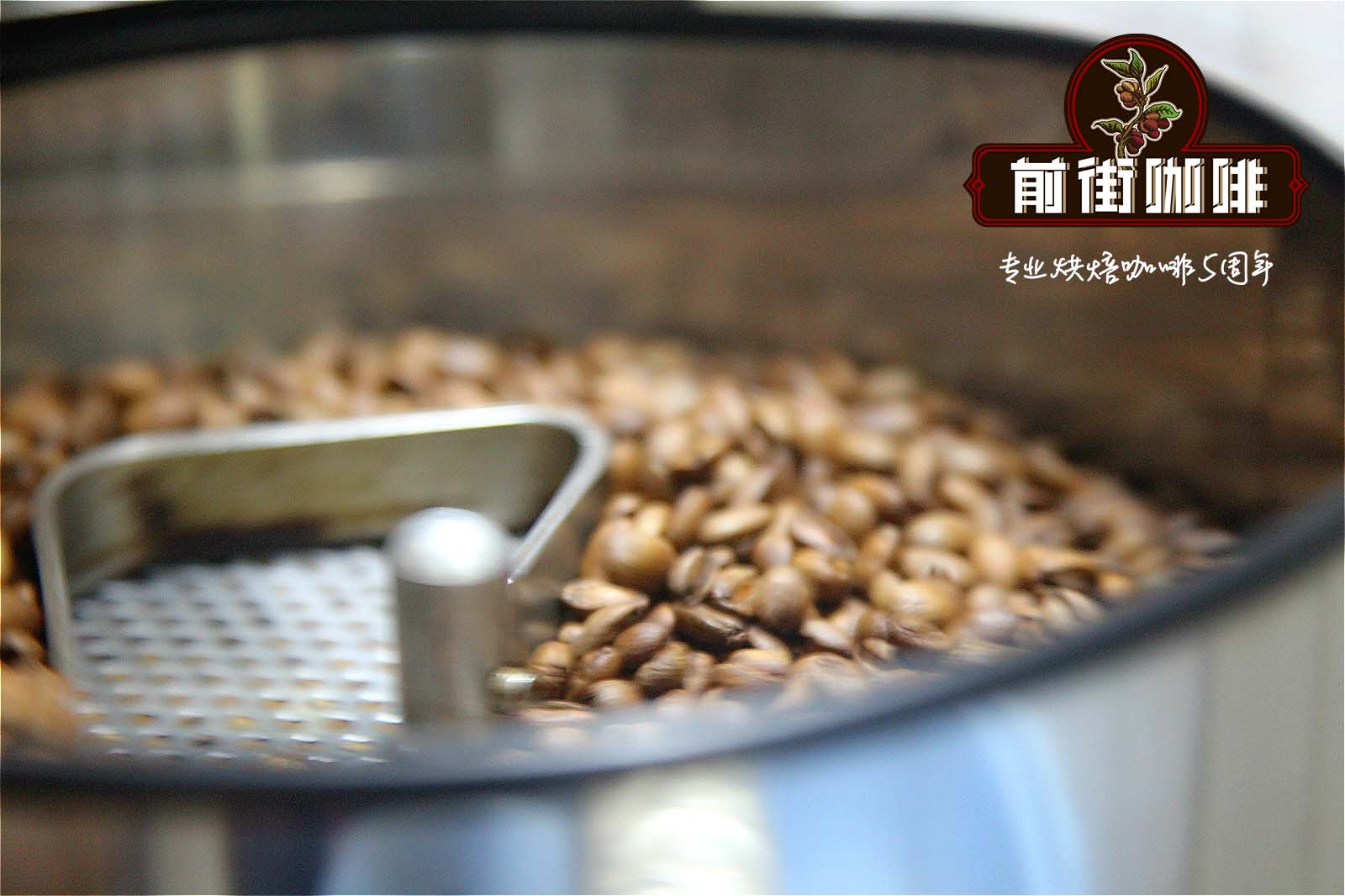
Caffeine and Decaffeinated Coffee Beans
Caffeine is a natural component of coffee. Beyond coffee, plenty of the foods and drinks we meet every day contain it too - tea, chocolate, cola and cold medicine among them.
Sometimes you will notice the abbreviations EP or SWP on green coffee labels. These represent two commonly used methods for removing caffeine.
To suit different preferences, coffee beans are sometimes decaffeinated, producing what we know as decaf coffee.
Depending on the variety, green coffee beans typically contain about 1-3% caffeine. Roasting leaves caffeine content largely unaffected, and Robusta varieties contain twice as much caffeine as Arabica.
Decaf coffee beans in fact have only about 97% of their caffeine removed - they are not completely caffeine-free.
Below, the left side shows regular green coffee beans and the right side shows decaffeinated green coffee beans.
Commercially, two methods for removing caffeine are widely adopted: EP (European Process) and SWP (Swiss Water Process).
EP: Chemical Coffee?
The EP process soaks green coffee beans in water and uses a methylene chloride solution - an organic solvent - to absorb caffeine. The beans are then rinsed thoroughly, dried and sent on to roasting. Decaffeination targets only caffeine and leaves the other components of the bean untouched. It is generally accepted that after roasting, EP-treated beans carry no residue of the solvent. Even so, many people feel uneasy, emotionally, about a chemical being involved at all.
SWP: Steamed Coffee?
The Swiss Water Process (SWP) offers a major advantage: it uses no chemicals at all, only hot water and steam. Green coffee beans are soaked in water until all soluble components, caffeine included, are drawn out. The beans, now stripped of their essence, are set aside, while the water - having finished its dissolving work and become a concentrated solution - is passed through activated carbon filters that trap the caffeine. This caffeine-free water then meets the green beans again, letting them bathe and reabsorb what they lost. Finally the beans are dried and roasted.
The great strength of SWP is the complete absence of chemical solvents. The drawback is that while water absorbs caffeine, it also dissolves other components of the green bean, including some natural coffee oils that the beans cannot reabsorb. As a result, SWP-treated green beans may lose part of their flavor character.
Good News for Decaf Drinkers
The good news is that scientists have discovered a naturally low-caffeine coffee variety in Ethiopia, belonging to the Arabica species. This variety lacks the enzymes needed to synthesize caffeine. Perhaps before long, coffee lovers will be able to enjoy delicious, naturally low-caffeine coffee with peace of mind.
FrontStreet Coffee Recommendation
If you are cutting down on caffeine, the simplest step is to choose Arabica and to favor coffees that keep their sweetness at a moderate roast. FrontStreet Coffee's Ethiopia Huakui comes from Guji Hambela, grown above 2200 meters and naturally processed, so it carries a soft floral lift with a strong fruit aroma - creamy strawberry, mango, jackfruit, citrus and blueberry - and, with a medium-light roast, a clean sweetness and almost no bitterness. It suits pour-over, cold brew, the moka pot and SOE.
For a quieter, tea-like cup, FrontStreet Coffee's Yirgacheffe Gutingding Cooperative coffee is an Ethiopia G1 washed lot; after a medium-light roast it shows elegant white florals, citrus, orange and green tea notes, and is suited to pour-over, drip bags and cold brew. Readers who prefer a fuller body can turn to FrontStreet Coffee's PWN Golden Mandheling, where the wet-hulled process brings characteristic herbal, spice and woody notes; it is well matched to the moka pot, SOE, pour-over, drip bags and milk drinks. A washed Colombia Huila lot, with its black chocolate, cream, hazelnut and toffee notes, rounds out the choices for anyone who wants a familiar, balanced cup.
Important Notice :
FrontStreet Coffee is a long-established specialty coffee roaster in Guangzhou China, selling freshly roasted beans from its own farm in Yunnan as well as dozens of carefully selected single-origin beans from around the world for both pour-over and espresso. The products deliver consistently excellent quality and great value, with shipping within 24 hours. Guangzhou's FrontStreet Coffee shop is recommended by many coffee lovers, and the beans are now available online at the Tmall 。
FrontStreet Coffee has moved to a new address:
FrontStreet Coffee Address: 315,Donghua East Road,GuangZhou
Tel:020 38364473
 Scan and follow the En Gafei WeChat official account. Please indicate that the reprint comes from "En Gafei".