Great News for Coffee Lovers! China Establishes Diplomatic Relations with El Salvador! Let's Get to Know El Salvador Coffee
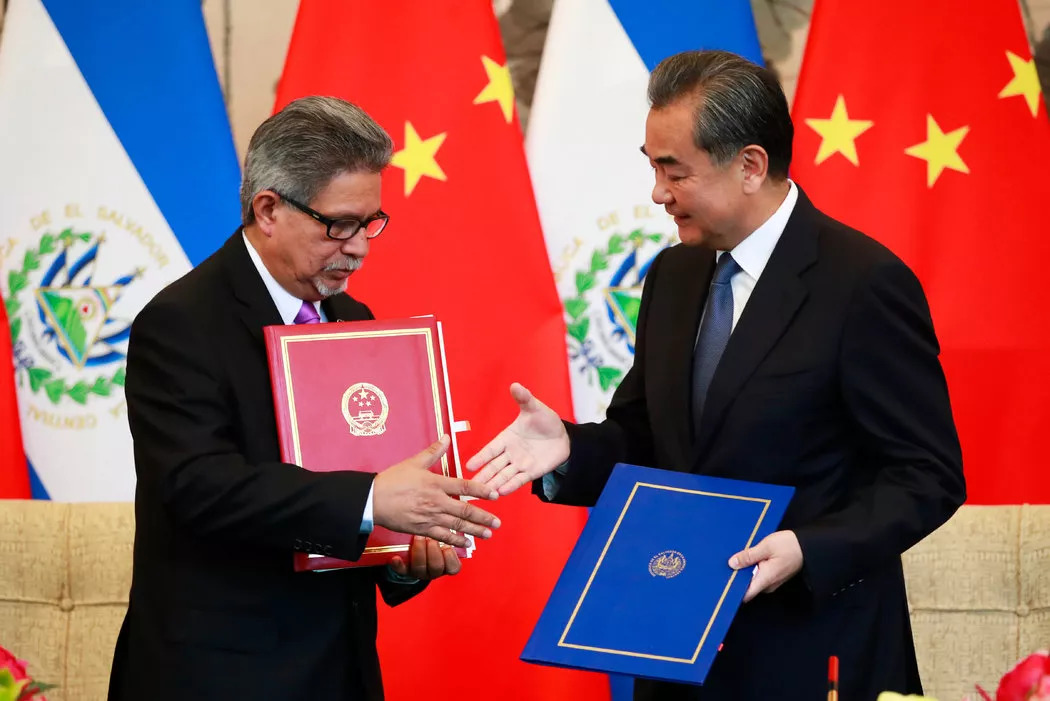
According to Reuters, on August 21, Chinese State Councilor and Foreign Minister Wang Yi held talks in Beijing with Salvadoran Foreign Minister Castaneda, after which the two ministers signed the joint communiqué on the establishment of diplomatic relations between the People's Republic of China and the Republic of El Salvador. In a televised address, Salvadoran President Salvador Sánchez Cerén announced the shift in recognition.
What the Communiqué Established
Under the communiqué, the two countries agreed to recognize each other and establish ambassadorial-level diplomatic relations from the date of signing, and to develop friendly cooperation on the basis of mutual respect for sovereignty and territorial integrity, mutual non-aggression, non-interference in internal affairs, equality and mutual benefit, and peaceful coexistence. El Salvador likewise severed its official ties with Taiwan as of that day. For coffee lovers, the news carried a very practical significance: a newly opened door for one of Central America's classic origins.

El Salvador: The Smallest Country in Central America
El Salvador is Central America's smallest country by area. Its economy remains primarily agricultural, with a modest industrial base and slow growth in recent years; foreign trade accounts for more than half of GDP. Main exports include coffee, cotton, sugar, shrimp, and textiles, shipped chiefly to the United States, Guatemala, Honduras, and Costa Rica. According to figures from China's Ministry of Foreign Affairs, two-way trade in 2017 totaled 889 million US dollars — 773 million in Chinese exports and 116 million in imports, with China mainly exporting textiles, footwear, vehicles, machinery, and chemicals while importing electrical machinery and metal ores.
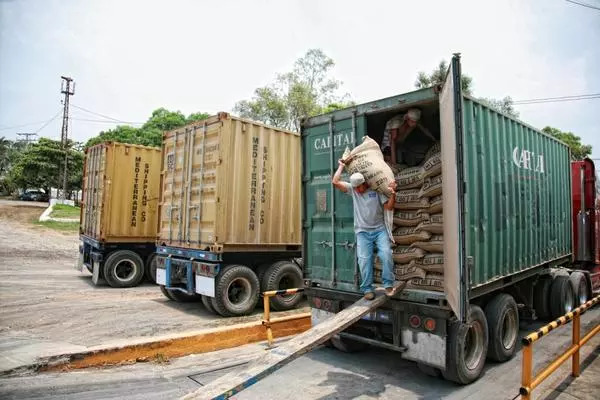
The "Land of Volcanoes"
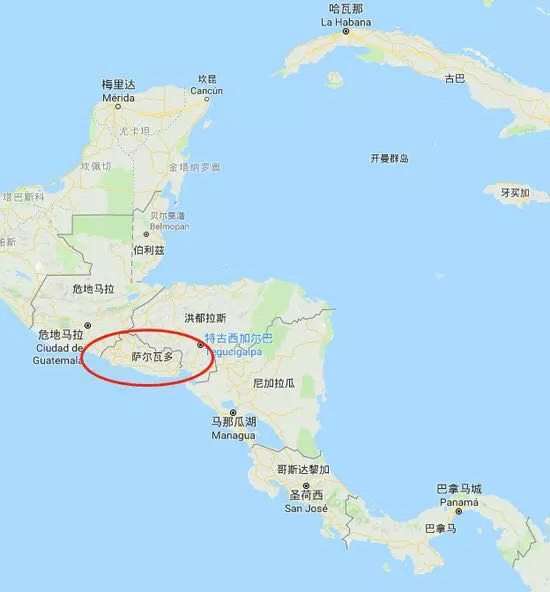
El Salvador lies in northern Central America, bordered by Honduras to the north, the Pacific to the south, Guatemala to the west and northwest, and the Gulf of Fonseca to the east. It is the region's smallest and most densely populated country. Mountains and plateaus dominate the landscape, punctuated by volcanoes: the Santa Ana active volcano, at 2,385 meters, is the country's highest peak; the Lempa River valley runs through the north, and a narrow coastal plain stretches along the south.
Salvadoran coffee is light-bodied, aromatic, and pure with gentle acidity — its defining trait is superb balance, a specialty of Central America in which acidity, bitterness, and sweetness sit in near-equal proportion. A medium to dark roast suits it best.
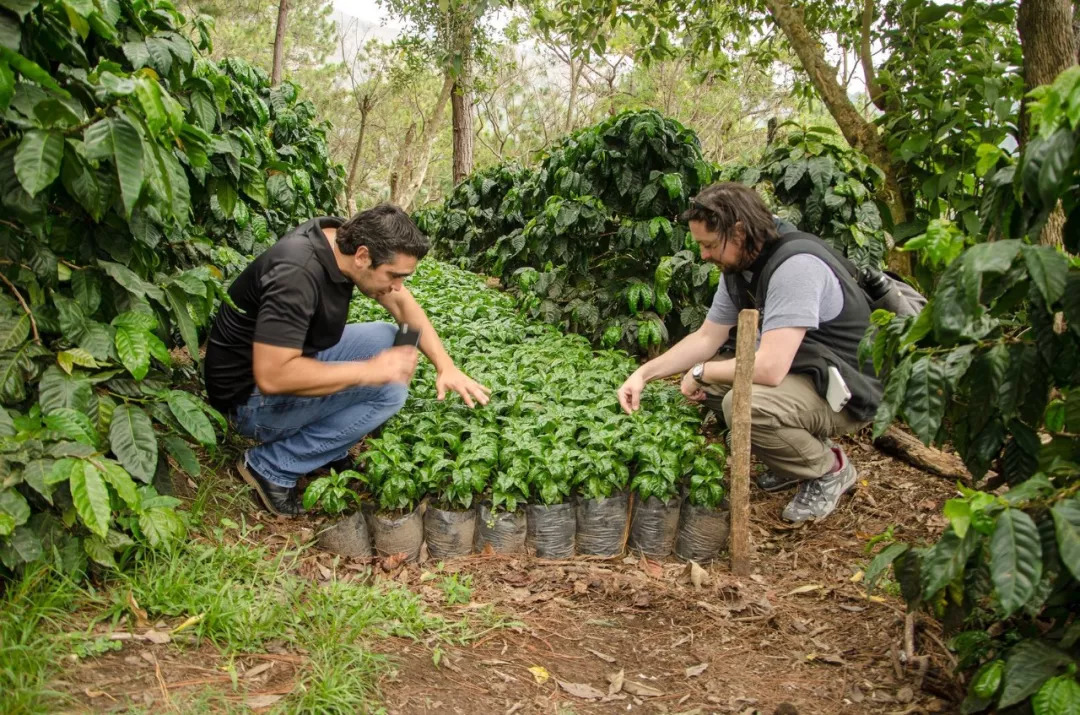
In the early 1990s, guerrilla warfare devastated the national economy. Coffee production fell from 3.5 million bags in the early 1970s to 2.5 million bags in 1990–1991. The east of the country suffered most, as farmers and workers abandoned the estates; capital shortages sent yields tumbling from 1,200 kg per hectare to under 900 kg per hectare.
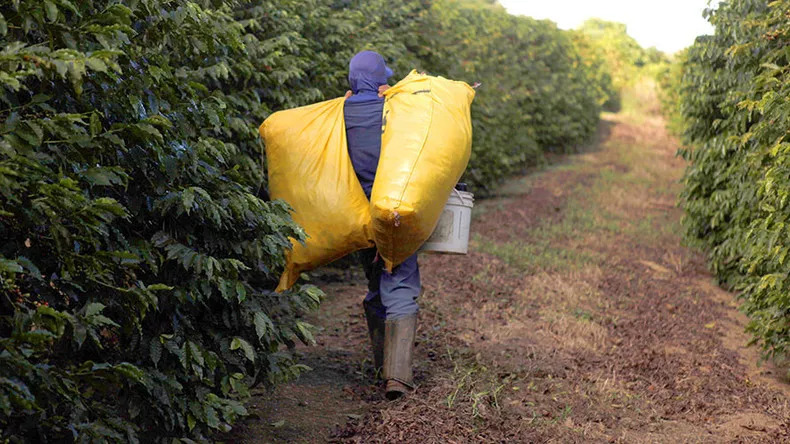
In 1986 the government added a 15% surtax on coffee exports — on top of the existing 30% — and combined with unfavorable exchange rates, exports collapsed and quality declined with them.
The government eventually recognized how much the national economy depended on coffee — for employment, foreign exchange, and agricultural development — and in 1990 partially privatized the export sector to improve returns.
Today coffee accounts for 40% of total exports. The finest lots ship between January and March, and 35% of strictly hard beans go to Germany.
The country is divided into 14 provinces, 7 of which grow coffee.
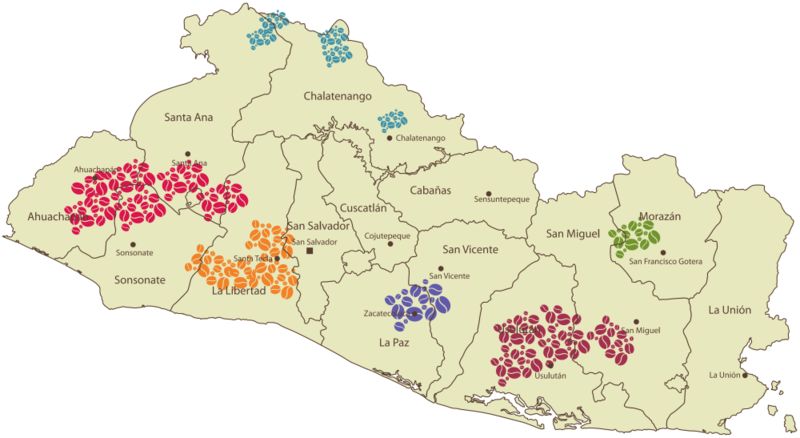
More than 20 volcanoes earned El Salvador its "Land of Volcanoes" nickname. The lowest point in the country sits at 0 meters, the highest at Santa Ana's 2,385 meters.
In 1524, it became a Spanish colony.
In 1821, it gained independence from Spanish rule.
In 1824, it joined the Central American Federation alongside Guatemala, Honduras, Nicaragua, Costa Rica, and Mexico.
In 1841, it left the federation and became an independent republic.
A History of Coffee Production
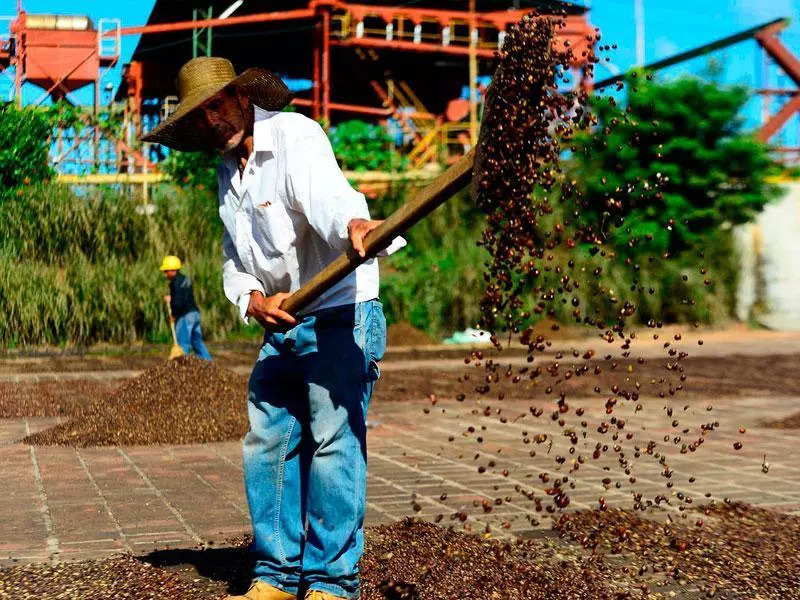
In 1742, coffee arrived in El Salvador from the Caribbean.
In the mid-19th century, the country's original export pillar — indigo dye — declined as Europe developed synthetic dyes. Under government direction, coffee gradually took its place as the main export.
In 1856, the first 693 bags of coffee shipped to Europe. Until World War II, Europe remained El Salvador's most important customer; after the war, the United States took over that role.
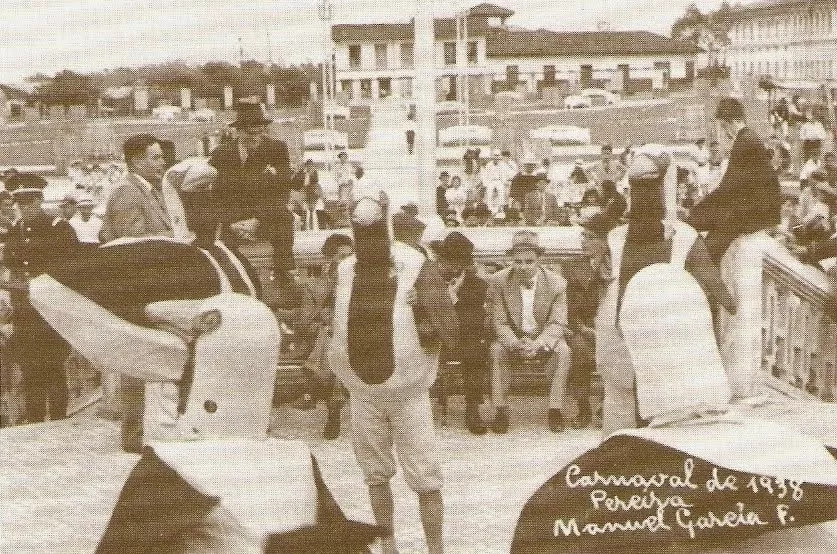
In the 1970s, production peaked at a record 3.5 million bags. As the civil war intensified, the coffee industry fell into turmoil.
The industry tracked the country's politics. In 1992, the parties signed a peace agreement ending the civil war, and coffee began to recover.
Flavor Profile
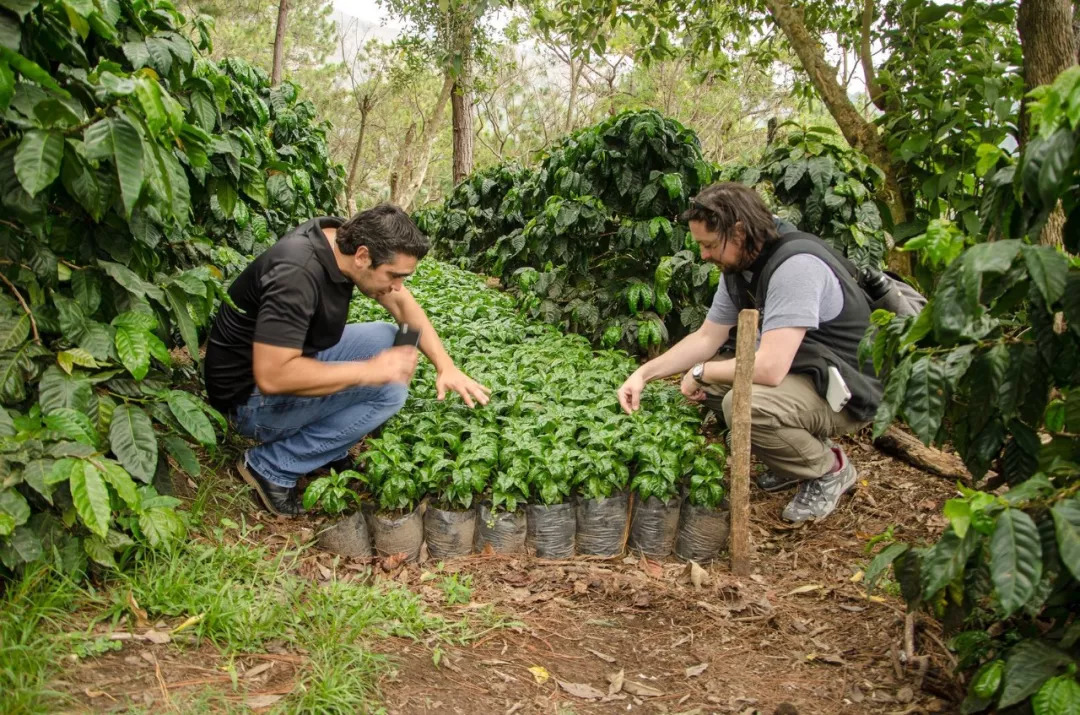
Coffee flavor follows the microclimate of each growing region. Broadly, Salvadoran coffee inherits the mild character of Central America: smooth overall, gently acidic, pleasantly sweet — well suited to blending.
The best Salvadoran lots can still impress, notably certain Pacamara varieties with lively acidity, layered depth, and a long finish. Many enthusiasts seek out this origin precisely for Pacamara — a showcase of deliberate breeding that surpasses its parents, combining the fine cup of Pacas with the enormous bean size of Maragogipe, and often described as the pinnacle of the pursuit of large-beaned Arabica.
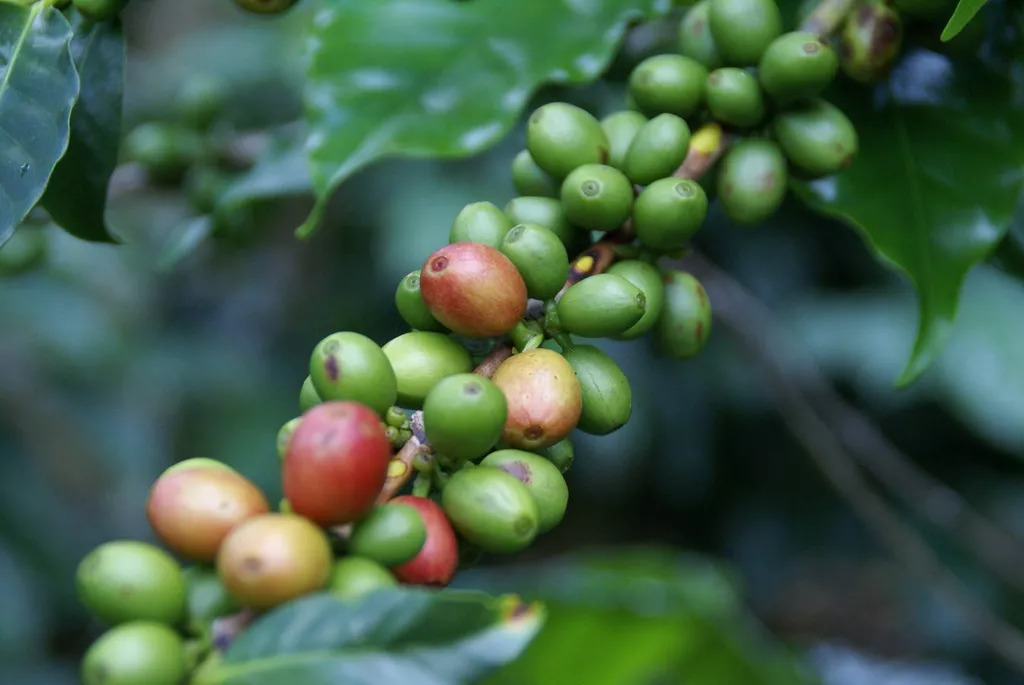
Don't underestimate El Salvador's output: at its peak it was the world's fourth-largest coffee producer, before decades of civil war nearly crippled the industry. Ironically, the war left one gift — with fields abandoned, the country never boarded the Catimor sun-cultivation bandwagon of the past two decades, preserving its ancient Bourbon and Typica varieties. El Salvador still farms the traditional shade-grown way, which does genuine service to coffee aromatics.
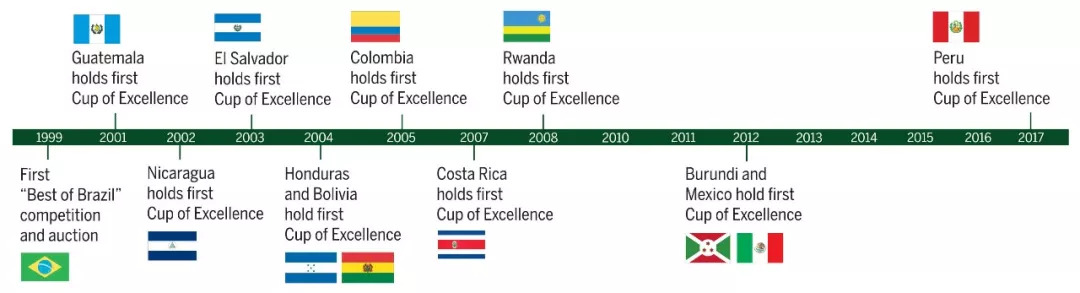
In 2005, the Salvadoran hybrid Pacamara caused a sensation at the Cup of Excellence, leaving many international cuppers unsure how to score it. Few expected a hybrid bean to redraw the boundaries of coffee richness and aroma — and to raise the profile of Salvadoran coffee worldwide.
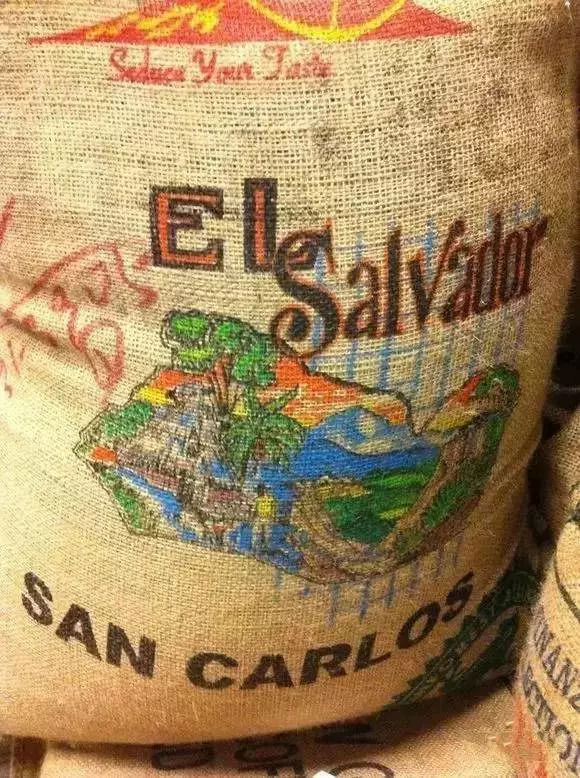
Salvadoran specialty coffee is concentrated in the western Santa Ana and northwestern Chalatenango volcanic-rock regions; in recent years nearly all top-ten Cup of Excellence finishers have come from these two areas. Altitudes run roughly 900–1,500 meters. Bourbon dominates at 68% of plantings, followed by Pacas at 29%, while the Pacamara hybrid, Dorai, and Caturra together account for just 3%.
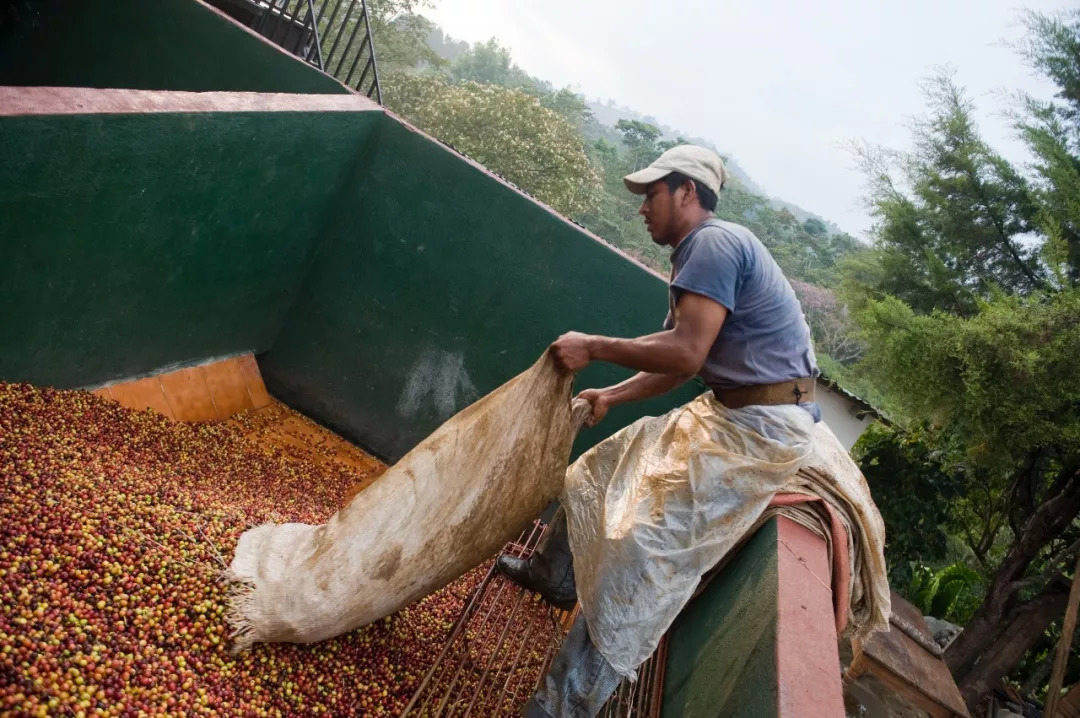
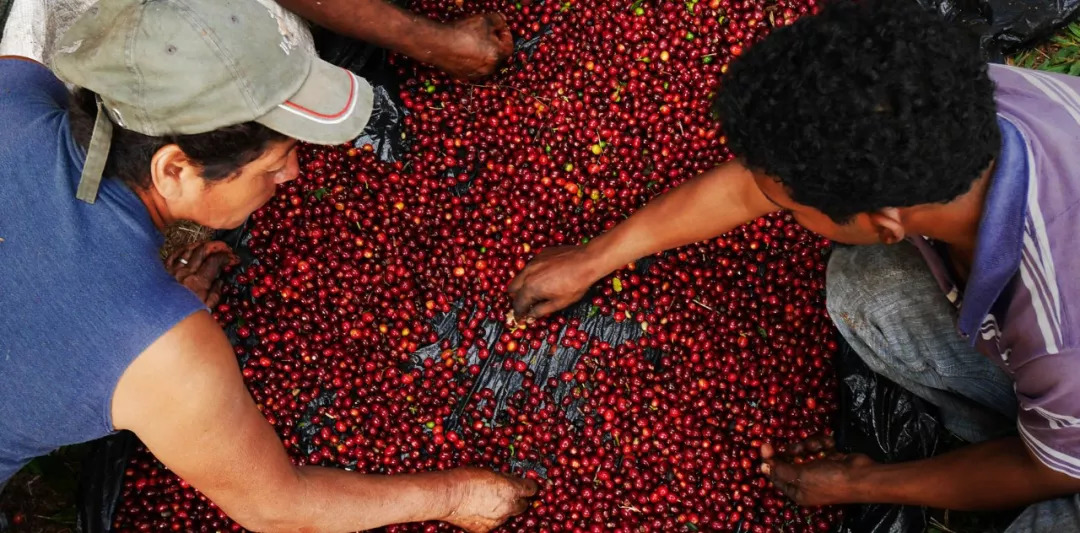
The harvest runs from November to March, and every cherry is picked by hand.
Salvadoran coffee is aromatic with a very gentle acidity; pure, with no off-flavors and excellent balance; impressively smooth, like chocolate cream; and dense enough in the mouth to deliver deep flavors with a long aftertaste.
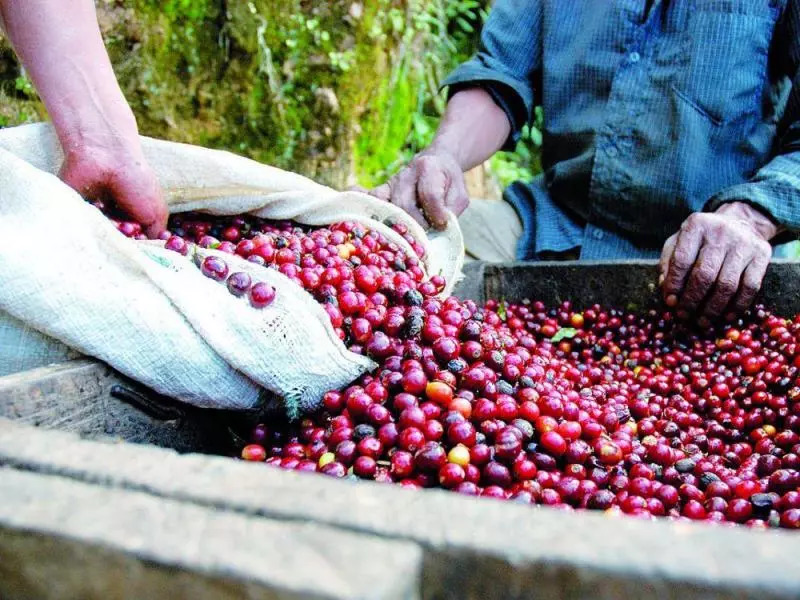
El Salvador grades its coffee by growing altitude, with SHG at the top:
SHG — Strictly High Grown: above 1,200 meters.
HG — High Grown: above 900 meters.
CS — Central Standard: above 600 meters.
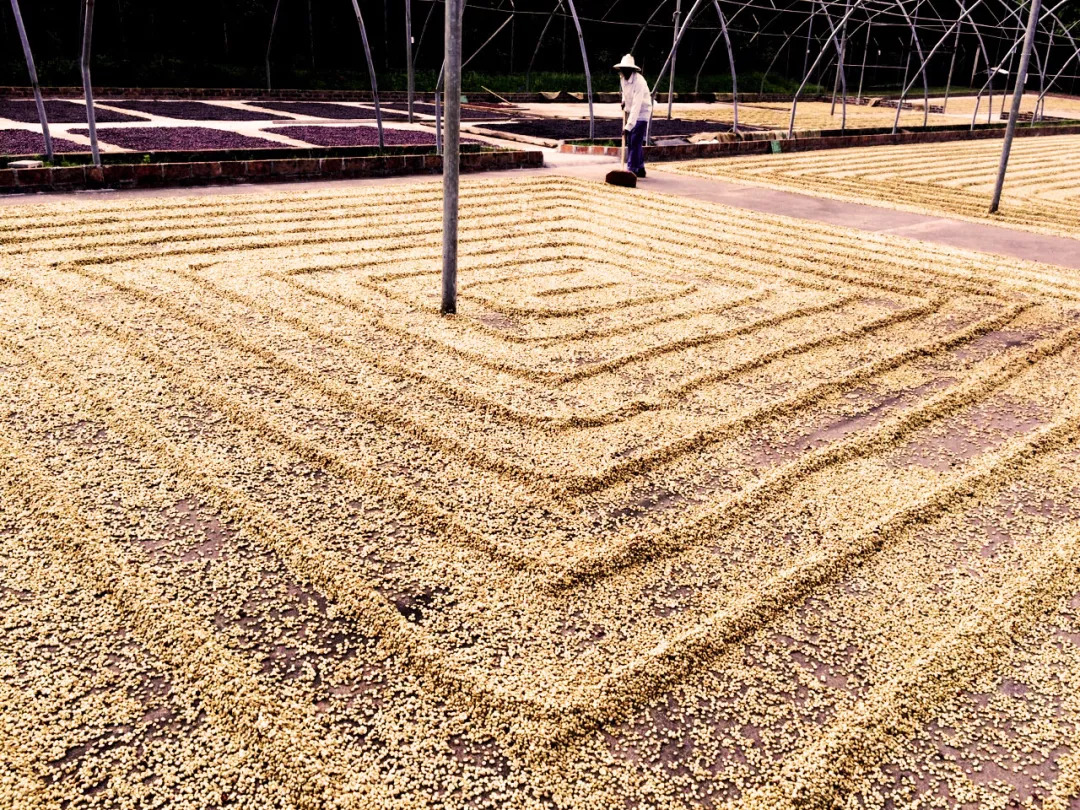
El Salvador and the Cup of Excellence
El Salvador is a producer of high-quality commercial Arabica with a reputation for strict, effective quality control.
Since 2003 it has competed in the Cup of Excellence, and with its heirloom varieties it has carved out a place in the specialty market.
Coffee Organizations
UCAFES: the organization of coffee productivity cooperatives, representing 25% of total production.
UCRAPROBEX: the organization of land-reform coffee producing and processing cooperatives, made up of farmers who held no land before the reform, representing 10% of production.
ABECAFE: the association of millers and exporters, comprising 99 processing plants and most exporters.
The Association of Coffee Producers of El Salvador, representing all coffee growers.
Together with four national research institutes, these four organizations form the Salvadoran Coffee Council (Consejo Salvadoreño del Café), which handles promotion, data collection, and international cooperation.
Put simply: more great Salvadoran beans to drink.
FrontStreet Coffee Recommendation
To explore what Central American coffee does best, FrontStreet's Honduras Washed Caturra is a fine stand-in while Salvadoran lots remain scarce. Honduras is Central America's largest producer — and the world's second-largest source of washed Arabica — with mountainous tropical terrain, mild temperatures, and abundant rain. Roasted medium, this lot shows the hallmark Honduran profile of brown sugar and caramel with a thread of tropical fruit and berries, plus nutty, chocolate depth in a balanced, even cup.
For contrast, the FrontStreet Colombia Huila delivers the classic "hard bean" style: traditionally washed, silky on the palate, with deep dark chocolate, a touch of fruit acidity, and a caramel finish. Both are exactly the kind of smooth, sweet, well-balanced coffees that Central and South America are loved for — and both brew beautifully as pour-over or espresso, matching the medium-to-dark roasting that Salvadoran coffee itself calls for.
Important Notice :
FrontStreet Coffee is a long-established specialty coffee roaster in Guangzhou China, selling freshly roasted beans from its own farm in Yunnan as well as dozens of carefully selected single-origin beans from around the world for both pour-over and espresso. The products deliver consistently excellent quality and great value, with shipping within 24 hours. Guangzhou's FrontStreet Coffee shop is recommended by many coffee lovers, and the beans are now available online at the Tmall 。
FrontStreet Coffee has moved to a new address:
FrontStreet Coffee Address: 315,Donghua East Road,GuangZhou
Tel:020 38364473
 Scan and follow the En Gafei WeChat official account. Please indicate that the reprint comes from "En Gafei".