Characteristics of Single-Origin Mocha Coffee Beans and How to Buy Them
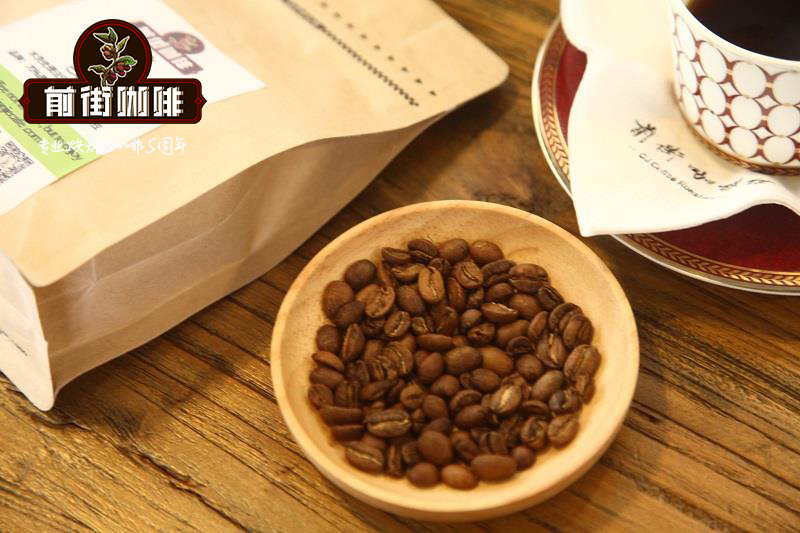
Yemen Mocha Coffee
Yemen Mocha grows in Yemen's interior on terraced plots at roughly 1,000 to 1,300 meters. Among all its growing areas, BANI-MATAR and HAYMI — "descendants of rain" in Arabic — are the most famous. With abundant rainfall and frequent fog, coffee trees here are almost entirely native varieties, planted by ancient methods, hand-harvested, and dried wholly in the sun. The result carries the unique aroma of the native Mocha varieties: a captivating cup with sweetness woven through its acidity.
Yemen Mocha has long been praised as "the wine of Arabia" — mild yet complex. It suits medium to dark roasting. Medium-roasted, it shows blueberry, fruit wine, nut, and faint floral aromas; dark-roasted, it opens with a sweetness like sugar-roasted chestnuts and flavors reminiscent of hot cocoa. Rich in oils with a viscous mouthfeel, it leaves an impression of mellow fullness.
Historical Background
Until the sixth century AD, Yemen was known simply as Arabia, which is why coffee trees carried out of Yemen were called Arabian coffee. The trees themselves originated in Ethiopia, and it was the Dutch who spread them around the world: merchants rounding the Cape of Good Hope eastward had to call at Yemen's port of Mocha before continuing the long voyage to India.
In 1696 the Dutch introduced coffee to Ceylon (now Sri Lanka) and then to Batavia in Java. Mocha beans are smaller and rounder than most — so much so that they resemble peas, and Peaberry beans are sometimes sold as "Mocha." In appearance they closely resemble Ethiopia's Harrar beans: small, highly acidic, with a discernible chocolate note — which is why adding chocolate to coffee arose so naturally.
In Yemen, growers plant poplars to shade their coffee. As in the past, the trees are set on steep terraces to make the most of limited rainfall and land. Besides Typica and Bourbon, more than a dozen varieties native to Ethiopia grow in Yemen. Yet even premium Mocha arrives with the dried fruit skin still attached after air-drying; traditional stone grinding is often still used to remove the hard husks, leaving the beans irregular and frequently chipped.
For all its quality — smooth and aromatic — Yemeni coffee has flaws: consistency cannot be guaranteed, and grading is uncertain. Traditionally, the finest beans come from Mattari, followed by Sharki, then Sanani. All these regions use natural processing, so the beans carry a wild character. Overall, Yemeni coffee is unique: wild, complex, stimulating — above all in its captivating wine-like acidity and deep dark chocolate, which so many drinkers adore. The beans are low in caffeine and ship between December and April.
One long-standing problem: coffee grown in the north was historically adulterated with inferior material before shipping from the southern port of Aden. Only coffee shipped from the port of Hodeida could be confirmed as genuinely northern.
Yemen Mocha Coffee Brand Recommendations
Yemen Mocha beans roasted by FrontStreet offer solid guarantees of brand and quality — and remarkable value. Each 227-gram package costs only about 85 yuan; at 15 grams per cup, one package brews 15 cups, roughly 6 yuan each. Against café prices of many times that, it's an honest recommendation.
FrontStreet is a Guangzhou roastery with a small storefront but a wide range of beans, famous and obscure alike, with online shop service available.
FrontStreet Coffee Recommendation
The chocolate depth that made Yemen Mocha legendary lives on in more accessible beans. Indeed, when Italian roasters wanted to imitate Yemen Mocha's cocoa character in the 18th century, they began blending chocolate into coffee outright — the origin of today's caffè mocha. To capture that same chocolatey, nutty richness, FrontStreet recommends its espresso-blend family: FrontStreet Coffee's Premium Blend, Commercial Blend, Classic Blend, and Black Cocoa Blend, all built around nut, caramel, dark-chocolate, and cream flavors. Their abundant crema and mellow, full taste pair beautifully with milk and chocolate, whether for a mocha or a straight shot.
If you prefer a single origin, two FrontStreet lots fit the profile: the Brazil Fazenda Rainha SOE, with its creamy peanut sweetness, and the PWN Golden Mandheling, whose caramelized depth and gentle bitterness echo the dark-cocoa side of classic Mocha — full-bodied, low in acidity, and satisfying for anyone who loves the rich, chocolate-tinged tradition of the wine of Arabia.
Important Notice :
FrontStreet Coffee is a long-established specialty coffee roaster in Guangzhou China, selling freshly roasted beans from its own farm in Yunnan as well as dozens of carefully selected single-origin beans from around the world for both pour-over and espresso. The products deliver consistently excellent quality and great value, with shipping within 24 hours. Guangzhou's FrontStreet Coffee shop is recommended by many coffee lovers, and the beans are now available online at the Tmall 。
FrontStreet Coffee has moved to a new address:
FrontStreet Coffee Address: 315,Donghua East Road,GuangZhou
Tel:020 38364473
 Scan and follow the En Gafei WeChat official account. Please indicate that the reprint comes from "En Gafei".