What is Panama Hartmann Coffee Red Wine Processing? What are Coffee Bean Processing Methods?
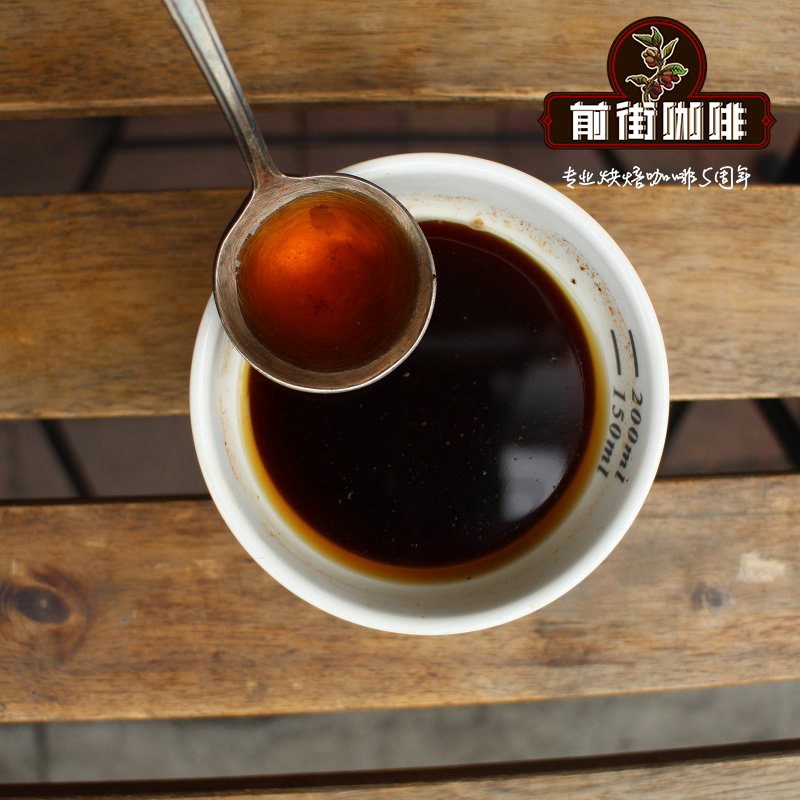
Professional coffee knowledge exchange, for more coffee bean information, follow FrontStreet Coffee.
Once coffee is planted and harvested, the next decisive step is processing. Traditionally, nearly everything was either natural or washed, followed by the rise of the honey process, which is further divided by how much mucilage is left on the bean — black honey, red honey, yellow honey, and white honey — each with its own flavor profile.
More recent innovations stretch fermentation further: the "wine aroma" natural process extends fermentation until the cup approaches the character of a natural, while the "wine honey" process adds enzymes similar to those used in red wine fermentation to push the cup toward honey-process flavor.
Red wine processing became a hot topic in the industry for good reason. Between coffee cherry and green bean, fermentation happens to some degree in every process — washed, honey, or natural — and it is this chemical transformation that shapes the final cup. Which substances participate in fermentation (skin, pulp, pectin, the types of microorganisms and their populations), the fermentation environment (with or without water, aerobic or anaerobic, pH), and the drying regimen (container material, sun drying versus mechanical drying, frequency of turning) all combine to produce very different flavors and mouthfeel.
What Is the Anaerobic Fermentation Process?
In the anaerobic fermentation process, 100% ripe, hand-picked cherry is fermented for an average of about 24 hours. Four elements define the method:
1. Shade System
Shade blocks direct sunlight so the fruit pulp develops more sugar, producing coffee with greater sweetness and lovely acidity.
2. Stainless Steel Containers (Most Important)
Cherry goes into sealed stainless steel tanks immediately after picking, abandoning traditional cement tanks. Conventional containers absorb flavor from the coffee; stainless steel keeps the coffee's own flavors — held in the pulp — clean and intact.
3. Carbon Dioxide
The tanks are sealed and pressurized with carbon dioxide so that no air remains inside. This guarantees the coffee's flavors and aromas stay in the bean, preserving the original cup character with unusual clarity.
4. Temperature Control
Fermentation takes place under controlled temperatures, so every batch comes out consistent — something traditional sun-dependent processing struggles to achieve.
FrontStreet Coffee's Panama Hartmann lot is processed this way. The red wine process gives these beans a rich, fermented wine aroma that is genuinely striking!
FrontStreet Coffee's Pour-Over Recommendations:
V60 / 90°C / 1:15 ratio / Total time: 2 minutes
Flavor: Grapefruit, low acidity, rich fermented wine aroma
FrontStreet Coffee Recommendation
Panama sits in Central America, and its coffee regions cluster in the country's west: Boquete, Volcan, Santa Clara, and Piedra de Candela. Boquete and Volcan are the two names you will hear most often. Both lie in the Chiriqui province, squarely in the heart of the coffee belt, blessed with fertile volcanic soil and old-growth forest.
In Boquete, drifting cloud cover keeps the days humid and the nights cool, while the Baru volcano feeds the soil — ideal conditions for growing Geisha, the variety that made Panama famous. The higher the elevation, the slower the cherry ripens and the more nutrients it absorbs, which is why high-grown Panamanian coffee shows such distinctive flavor. If it is your first taste of Panamanian specialty coffee, FrontStreet Coffee recommends the Boquete washed Geisha: an estate-level, approachable Geisha grown at 1,600 meters. After brewing you will find Geisha's signature jasmine florals alongside green tea, honey, citrus, and orange.
For a taste of Geisha lineage at a friendlier price, look at FrontStreet Coffee's Butterfly lot. It carries half Geisha blood, comprising Geisha, Caturra, and Catuai varieties planted on the slopes of the Baru volcano. Panama's special microclimate brings abundant rainfall and wide day-night temperature swings, and the region's volcanic-rock soil plus meticulous picking and processing give the cup excellent body, citrus acidity, and jasmine aroma — lovely both as pour-over and cold brew.
At the very top sits Hacienda La Esmeralda, the estate that first discovered Geisha's flavor potential and championed it worldwide. Esmeralda cup-tested lots from different plots and classified them by elevation into the red, green, and blue label tiers. For the highest grade, FrontStreet Coffee's Esmeralda Red Label comes from a single Geisha plot above 1,700 meters, cupping at 91 points, with delicate orange blossom and honeyed notes. And if you want Esmeralda quality beyond Geisha, the Diamond Mountain brand — Caturra and Catuai sourced from the estate's Jaramillo and Canas Verdes farms, shaded by primary forest on volcanic soil — offers rich fruit aroma and sweetness, and remains one of the estate's most popular independent lines.
Important Notice :
FrontStreet Coffee is a long-established specialty coffee roaster in Guangzhou China, selling freshly roasted beans from its own farm in Yunnan as well as dozens of carefully selected single-origin beans from around the world for both pour-over and espresso. The products deliver consistently excellent quality and great value, with shipping within 24 hours. Guangzhou's FrontStreet Coffee shop is recommended by many coffee lovers, and the beans are now available online at the Tmall 。
FrontStreet Coffee has moved to a new address:
FrontStreet Coffee Address: 315,Donghua East Road,GuangZhou
Tel:020 38364473
 Scan and follow the En Gafei WeChat official account. Please indicate that the reprint comes from "En Gafei".