How to Drink Panama Geisha Coffee? How to Roast Panama Geisha Coffee? What is Geisha Coffee
For professional coffee knowledge and more coffee bean information, follow Coffee Workshop (WeChat official account: cafe_style).
Geisha Coffee: Origin and Background
Geisha originated from a Typica variety exported from Geisha Mountain in southern Ethiopia in 1931. Because "Geisha" sounds the same as the Japanese word for a geisha, it also picked up the nickname "geisha bean." Several countries tried to cultivate it, but it remained obscure until it was transplanted to Panama in 1961. From 2005 onward, Geisha produced by Panamanian estates began to shine, becoming a regular presence at the Cup of Excellence (COE).
Name Evolution and Cultural Considerations
In English the coffee is known as "Geisha Coffee." Because of the phonetic similarity to the Japanese geisha, it acquired the name "geisha coffee." Many baristas, however, dislike this association, feeling the coffee should not be tied to the Japanese geisha image. As a result, more people have adopted an alternative Mandarin name for it that simply sounds more pleasing.
Geisha Coffee's Journey to Panama
Geisha was popularized on Panamanian estates, but its story is one of a foreign prince becoming a new king. The Geisha variety was discovered in Ethiopia and then, through the Kenya Coffee Research Institute, traveled to many African countries such as Uganda and Tanzania. It remained an unappreciated variety, used only for research.
Later, someone introduced Geisha to Costa Rica, and through the connections of Don Pachi Estate, Geisha was brought to Panama. Various estates could be seen with a few Geisha trees here and there because they were used as windbreaks for coffee trees—yes, windbreaks. On top of that, Geisha yields were inconsistent, and the beans were often mixed in with regular coffee rather than treated as a featured project. Only around the year 2000 did some estates discover that Geisha actually had an exceptionally delicious flavor. Pleased as they were, they remained unsure whether it would appeal to discerning coffee enthusiasts.
Geisha Coffee Characteristics
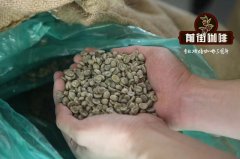
To fully reveal the character of Geisha, special attention must be paid to roasting. Geisha is typically grown at high altitudes above 1,500 meters. FrontStreet Coffee has obtained beans from 1,700 m—high-density, hard beans with a full form: medium-sized, thick and long in shape, with pointed ends.
Roasting Techniques
FrontStreet Coffee uses a light roast to highlight the characteristics and aroma of these beans. This roast level better showcases the beans' inherent qualities; too dark a roast would damage the floral notes and fruit acidity. Of course, this should be adjusted according to the beans' characteristics and the roaster's understanding of them.
Roasting Process Considerations
FrontStreet Coffee notes that during roasting the Geisha profile should not run too long, or the flavors become dull. After first crack the rate of rise should not be too high. Geisha beans have pointed ends and are prone to developing black scorch marks, so a rise below 6 degrees works better. A light roast reveals the tea-rose aroma more clearly.
Brewing Recommendations
FrontStreet Coffee's brewing parameter recommendations:
Cake filter cup / 91°C / 1:15 ratio / Time 2'10"
Flavor Profile
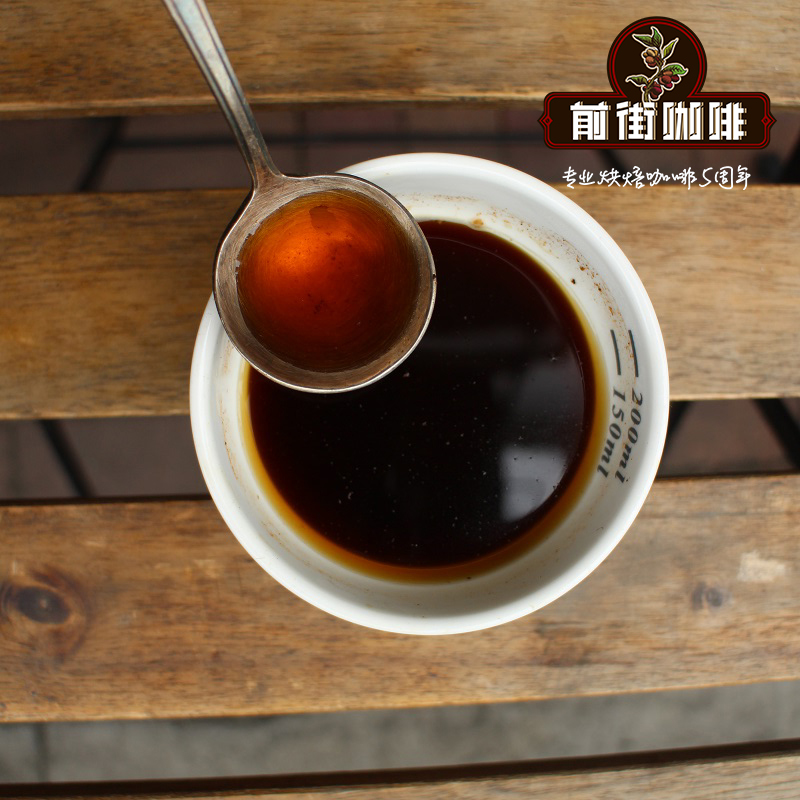
Flavor: rose tea, citrus, jasmine floral notes, cane sugar, green tea sensation, and more.
FrontStreet Coffee Recommendation
Given how demanding Geisha is, roast level and brewing matter as much as the bean itself. If you want to taste the classic Geisha profile without the highest price, FrontStreet's Boquete Geisha from Panama is an excellent entry point, delivering that signature Panamanian orange-blossom honey note with oolong tea, delicate fruit acidity, and clear layering. For the top of the range, the Esmeralda Red Label (Esmeralda Special) is grown at 1,600–1,800 m and cupped above 90 points, with every batch drawn from a single plot and carrying its own number, while the Green Label (Private Collection) blends several plots to express the estate's high-altitude house style at a friendlier price.
If you prefer the brighter, more fruit-driven Ethiopian side of Geisha, FrontStreet's Grana Estate Geisha, from the Grana processing station between the Kochore and Grana Abaya areas, is sun-dried on raised beds for 14–20 days and brings bright citrus acidity, elegant ginger-flower aroma, ripe-fruit sweetness, and a fine, silky finish. For Geisha-style flavors on a daily budget, the Strawberry Candy blend—Costa Rican honey process plus Panamanian Geisha—offers delicate florals and sweet fruit and works for pour-over, moka pot, espresso machine, and cold brew.
Important Notice :
FrontStreet Coffee is a long-established specialty coffee roaster in Guangzhou China, selling freshly roasted beans from its own farm in Yunnan as well as dozens of carefully selected single-origin beans from around the world for both pour-over and espresso. The products deliver consistently excellent quality and great value, with shipping within 24 hours. Guangzhou's FrontStreet Coffee shop is recommended by many coffee lovers, and the beans are now available online at the Tmall 。
FrontStreet Coffee has moved to a new address:
FrontStreet Coffee Address: 315,Donghua East Road,GuangZhou
Tel:020 38364473
 Scan and follow the En Gafei WeChat official account. Please indicate that the reprint comes from "En Gafei".