How to Drink Ecuador San Juan Coffee_Ecuador Coffee Roasting_Ecuador Coffee Bean Prices
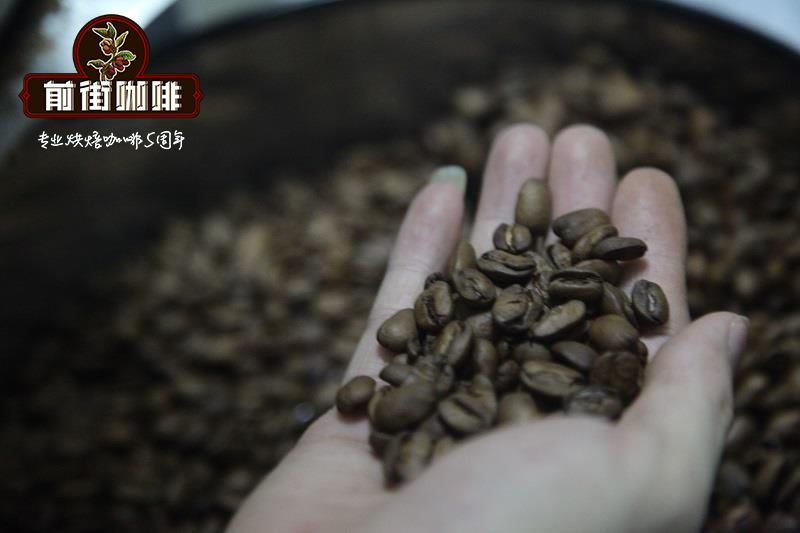
Ecuador Zumba ACRIM Premium Coffee Origins
This Ecuadorian coffee comes from a cooperative of specialty coffee producers in southern Ecuador, close to the Peruvian border. The association belongs to a larger alliance of coffee growers. It has shown excellent organization and leadership, which has helped its members establish themselves as premium Ecuadorian producers. Beans from this cooperative have placed repeatedly in the Taza Dorada competition.
Taza Dorada Competition Excellence
The Taza Dorada competition has run for many years, with farmers submitting their specialty beans for evaluation by national and international judges to identify the best micro-lots. It is essentially Ecuador's answer to the Cup of Excellence (COE). Unlike the COE system, Taza Dorada has no auction, and the winning lots are usually taken up in full by discerning buyers.
Traditional Varieties and Success
Small farmers in the region have kept up the fine tradition of growing classic varieties such as Typica, Caturra, and Bourbon, and this has consistently been central to their success.
Ideal Climate Conditions
The local climate is distinctive: humid almost all year, with pleasant swings between 12 and 28 degrees Celsius and an average of around 20 degrees. Such weather suits Ecuadorian coffee exceptionally well, and the cup reflects it.
Organic Farming Practices
Coffee farms in southern Ecuador are mostly organic and highly diverse, with corn, cabbage, bananas, bees, cattle, fish, fruit, and coffee all cultivated together. Coffee leaf rust has long threatened growers here; leaf rust can cut Colombia's coffee production by 50% within one to two years. The simplest response is heavy chemical spraying, but farmers in this region, out of respect for the environment, have chosen to stay firmly organic.
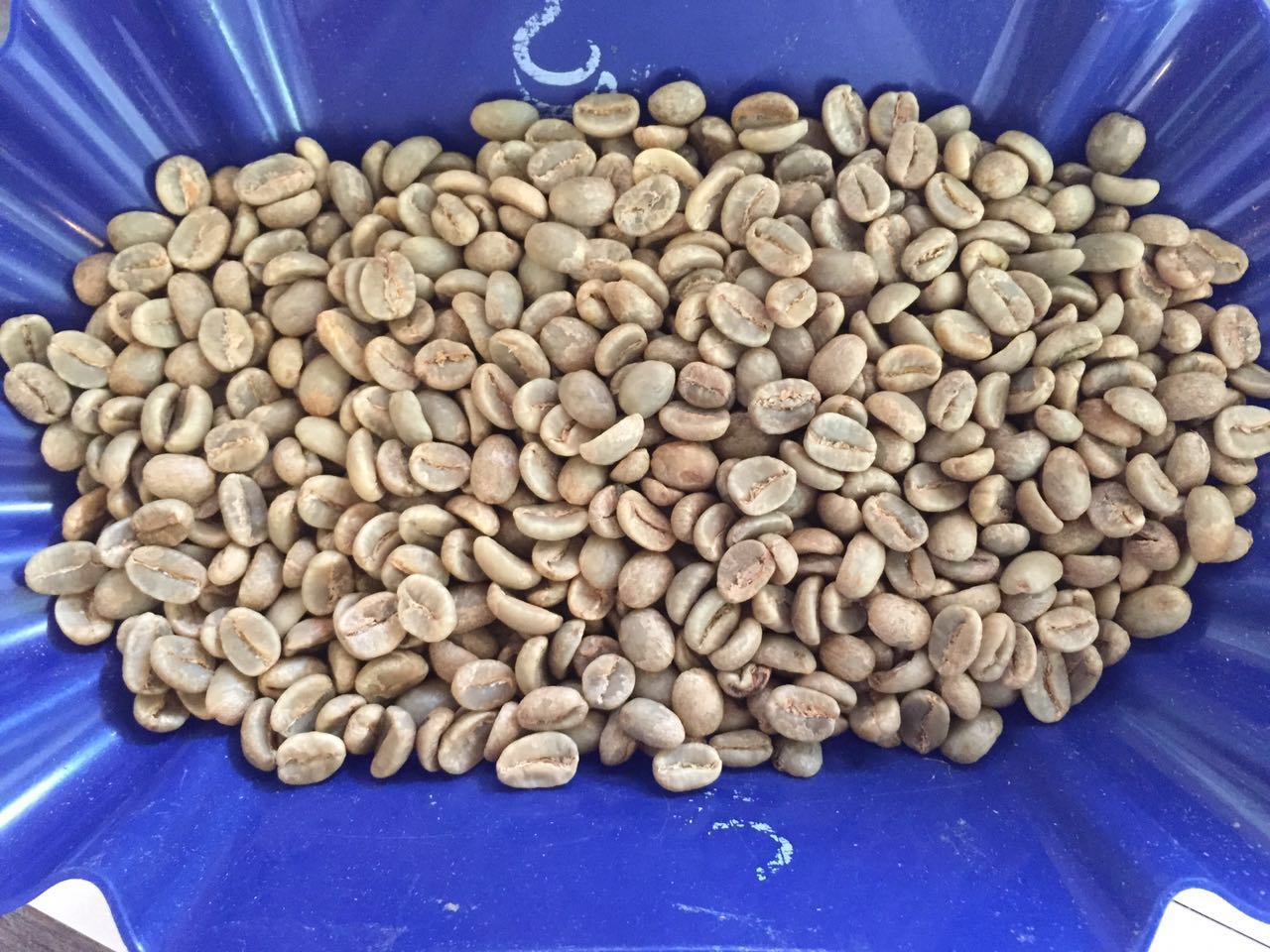
Ecuador Zumba ACRIM Coffee Profile
Name: Ecuador Zumba ACRIM
Country: Ecuador
Region: Zumba, Zamora-Chinchipe
Altitude: 1,300 - 1,900 meters
Varieties: Typica, Caturra, and Bourbon
Producers: Small farmer cooperative members
Annual Rainfall: Approximately 1,000 - 1,500 mm
Temperature: 12 - 28 degrees Celsius
Farm Size: Approximately 1.5 hectares per small farmer member
Processing Method: Washed
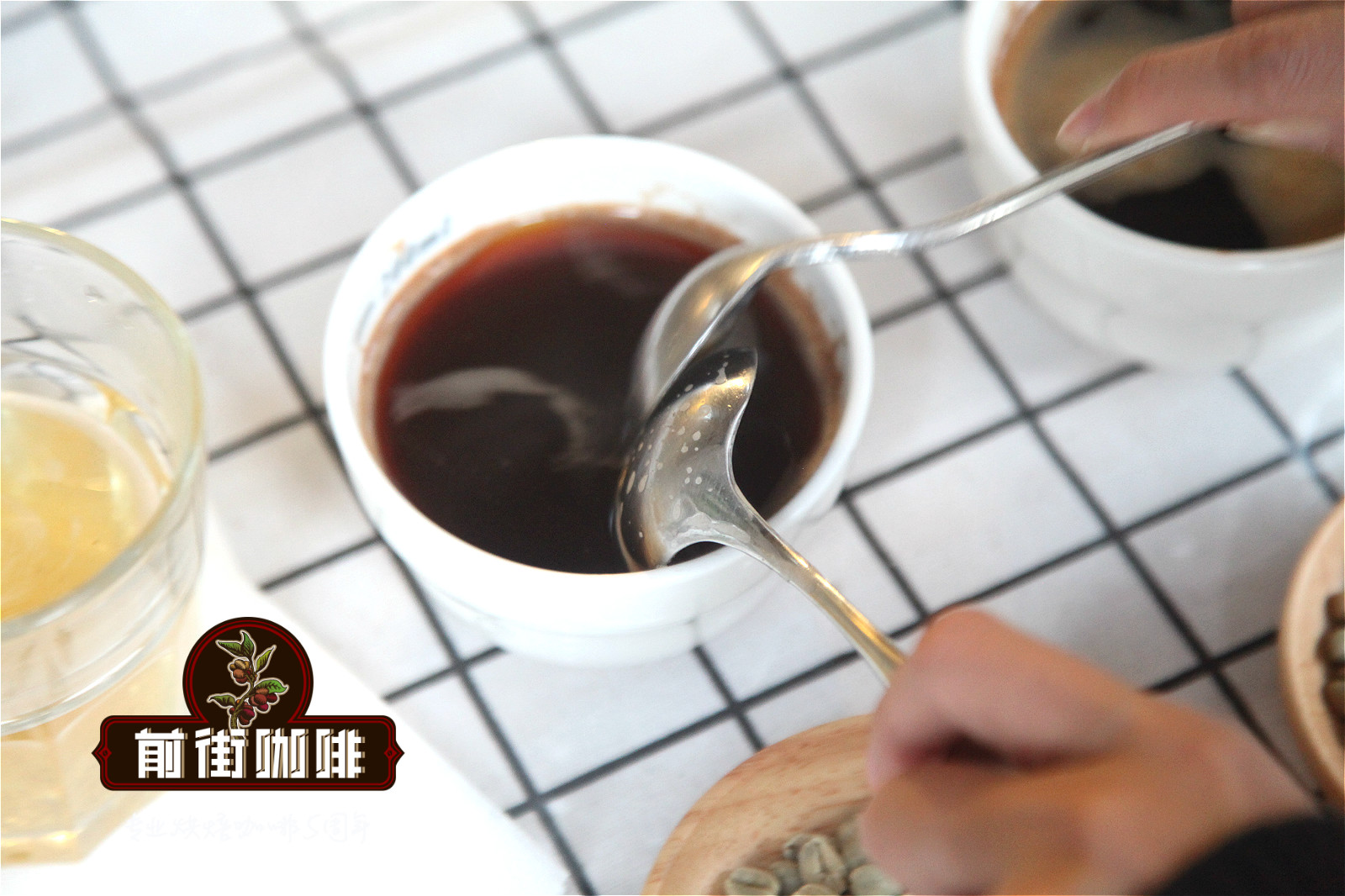
FrontStreet Coffee Cupping Notes: Citrus acidity and berry aroma up front, peach in the middle, and green tea with tobacco-floral notes in the finish, on a solid, richly layered body.
Brewing Recommendations
FrontStreet Coffee suggests the V60 with 90°C water, 15g of coffee grounds, and a 1:15 coffee-to-water ratio. Start by blooming with 30g of water for 30 seconds, pour to 125g until the coffee bed shows, then continue pouring to a total of 225g. Remove the dripper as soon as the bed is exposed.
FrontStreet Coffee Recommendation
For a South American cup in the same balanced, medium-roast register, FrontStreet Coffee's Brazil Queen Estate is a natural pairing. A rare Yellow Bourbon, it is roasted to a medium level that brings out cream, peanut, chocolate, toast, and sugarcane, with a clean, gently sweet profile that works equally well in a pour-over, a moka pot, or an espresso machine.
To stay on the more delicate, fruit-forward side, FrontStreet Coffee's 2013 natural Typica from Yunnan is worth trying. This old-variety lot is given a medium roast so it keeps its balance while showing ripe stone fruit, brown sugar, black tea, and dried apricot, with a soft, mellow body that echoes the gentle sweetness of the Ecuadorian cup.
Important Notice :
FrontStreet Coffee is a long-established specialty coffee roaster in Guangzhou China, selling freshly roasted beans from its own farm in Yunnan as well as dozens of carefully selected single-origin beans from around the world for both pour-over and espresso. The products deliver consistently excellent quality and great value, with shipping within 24 hours. Guangzhou's FrontStreet Coffee shop is recommended by many coffee lovers, and the beans are now available online at the Tmall 。
FrontStreet Coffee has moved to a new address:
FrontStreet Coffee Address: 315,Donghua East Road,GuangZhou
Tel:020 38364473
 Scan and follow the En Gafei WeChat official account. Please indicate that the reprint comes from "En Gafei".