How Much Does Vietnamese Drip Coffee Cost per Cup - Making Delicious Coffee Even with Low-Priced Vietnamese Coffee Beans
Professional coffee knowledge exchange. For more coffee bean information, follow our coffee community.
Plenty of coffee enthusiasts hail the French press as the simplest brewing tool there is, but once I actually used one, I found it impossible to avoid sediment and a pain to clean. After just two brews, the French press went back on the shelf. Then I discovered the Vietnamese phin filter and realized this simple, inexpensive little device was far more practical than the French press ever was for me.
I honestly can't say how the "Vietnamese phin filter" I picked up at a coffee equipment shop compares to the phins actually used in Vietnam, because I've never laid eyes on one there myself.
Many people brew with the phin following Vietnamese tradition: extremely dark-roasted coffee mixed with condensed milk. I tried that once and found it unappealing. What I did discover, however, is that brewing with fresh medium-dark roasted beans and drinking the coffee black yields excellent flavor. Here are my notes from using it:
Components and Preparation
1. The Vietnamese phin filter consists of three parts: the body, a press plate, and a top lid, with prices ranging from roughly NT$150-250. Use about 10 grams of coffee beans — roughly one level scoop of the dedicated measuring spoon. The ideal roast level is full city to full city+.
2. Look closely and you'll see that both the press plate and the bottom of the chamber have fine holes for the hot water and brewed coffee to pass through. In the center of the chamber is a threaded column that lets the press plate rotate down and be secured, lightly compressing the coffee grounds.
Brewing Instructions
3. Grind the coffee to a consistency similar to what you'd use for pour-over or siphon brewing. Once you have some experience, you can adjust for bean freshness, roast level, flow rate, and taste. Pour the grounds into the chamber and level them gently without tamping — the top of the screw column should sit slightly above the surface of the grounds.
4. Screw on the press plate gently — it should engage just barely. At this point the plate only lightly presses the grounds. If you feel too much resistance, there's too much coffee; reduce the dose, since over-compression makes it hard for hot water to pass through. Finally, set the phin on a pre-warmed cup.
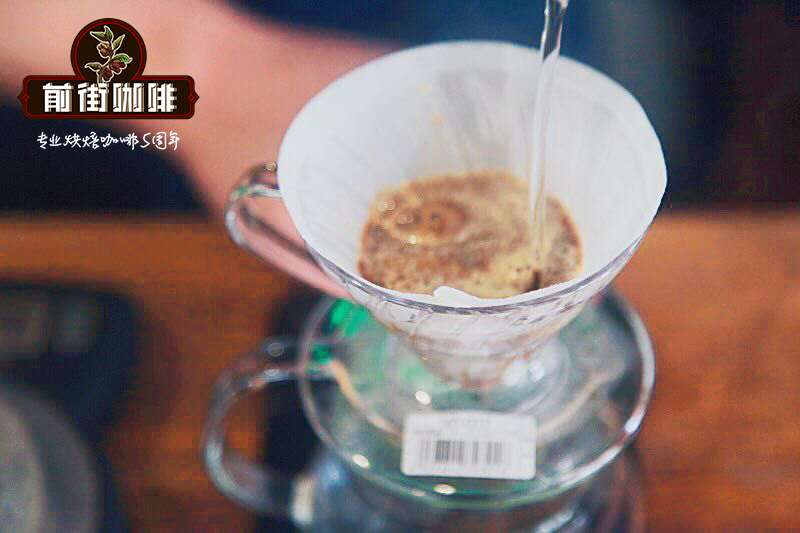
5. Pour in hot water at approximately 90-95°C until the chamber is full. Too little water means not enough weight to help the hot water penetrate the coffee layer, and it also makes the temperature harder to hold.
6. Rest the lid on top. You can lift it to check on the drip now and then, but checking too often or for too long lets heat escape.
7. Ideally the water should finish dripping through in 5-10 minutes. Too fast risks under-extraction; too slow and the coffee turns bitter. If you want a stronger cup, or plan to add fresh milk, you can cut the extraction short once more than 80% of the water has dripped through and remove the phin. Flow rate is closely tied to the roast level of the beans, the grind size, and how tightly the press plate is set: light roast, coarse grind, and a loose press plate all speed things up, and vice versa.
Serving and Enjoyment
8. And there's your beautiful cup of coffee. The brew in the cup is fairly concentrated at first, so give it a proper stir with a spoon. Take a sip — if it's too intense, add a splash of hot water. Because the coffee never passes through filter paper or cloth, the phin brew keeps a flavor and texture much closer to the coffee beans themselves. Drunk black it's excellent, though the bitterness is a touch more noticeable than with paper-filter brewing. Adding fresh milk, creamer, or sugar is fine too — just skip the condensed milk, which I find the least harmonious way to dress up this particular cup.
Bean Selection and Recommendations
One thing above all: Vietnamese coffee beans must be fresh, and ground just before brewing. A hand grinder is all you need for freshly ground phin coffee. Take the well-regarded "mailbox grinder" as an example — at NT$500-600 it's economical and practical.
Such a simple structure, easy to use, easy to carry, and genuinely tasty — this brewing method is perfect for the office. For a while, a phin filter and a hand grinder were all I needed to satisfy my coffee cravings at work.
FrontStreet Coffee: A Guangzhou-based roastery with a small storefront but an unusually diverse range of beans, where you can find both celebrated estates and lesser-known gems.
FrontStreet Coffee Recommendation
Since the phin is a full-immersion brewer, bean choice matters just as much as technique. FrontStreet Coffee suggests two options from its shelf. If you enjoy a fragrant, delicate cup, try the FrontStreet Strawberry Sugar — a blend of Costa Rican honey-processed coffee and Panamanian washed Gesha that captures the best of Central America, releasing rose, citrus, grape, and dried blueberry aromas when steeped. If you prefer a low-acid black coffee with a full, rich body, go for the FrontStreet PWN Golden Mandheling, one of Asia's most celebrated specialty coffees, triple hand-sorted plus once machine-sorted, medium-dark roasted to bring out pronounced spice, caramel, cedar, and dark chocolate notes with a pleasantly heavy mouthfeel — exactly what a phin does best.
Important Notice :
FrontStreet Coffee is a long-established specialty coffee roaster in Guangzhou China, selling freshly roasted beans from its own farm in Yunnan as well as dozens of carefully selected single-origin beans from around the world for both pour-over and espresso. The products deliver consistently excellent quality and great value, with shipping within 24 hours. Guangzhou's FrontStreet Coffee shop is recommended by many coffee lovers, and the beans are now available online at the Tmall 。
FrontStreet Coffee has moved to a new address:
FrontStreet Coffee Address: 315,Donghua East Road,GuangZhou
Tel:020 38364473
 Scan and follow the En Gafei WeChat official account. Please indicate that the reprint comes from "En Gafei".