What Grade is Arabica Coffee? Introduction to Arabica Bean Origins and Brands
Introduction to Coffee Varieties
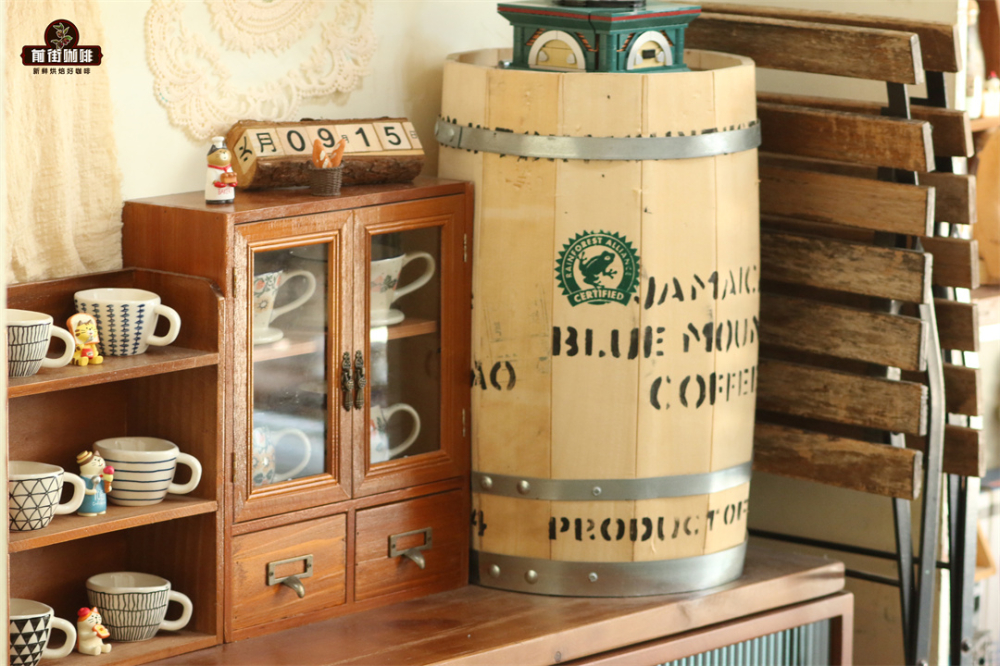
In botanical taxonomy, coffee belongs to the Rubiaceae family, beneath which sit at least over one hundred coffee species. Approximately eighty coffee tree varieties have been confirmed, and three of them are cultivated for beverage consumption: the Arabica coffee species, the Robusta coffee species, and the Liberica coffee species.
Generally, Arabica is used mainly for single-origin or specialty coffee, while Robusta goes into instant coffee. Although Arabica can be defined as premium coffee and Robusta as secondary, this classification is not absolute — distinguishing by personal taste preference is more appropriate. Judged by flavor preference, America and Japan tend to drink lighter coffee brewed from Arabica, while Europe prefers espresso made from a blend of Arabica and Robusta.
Arabica Coffee: The Premium Choice

Arabica Advantages: Premium Coffee Beans with First-Class Flavor and Aroma
Arabica is a representative variety originating from Ethiopia, and it is also produced in South Africa, other African countries, and Asian nations, accounting for 70%-75% of global coffee production. Arabica has relatively weak resistance to pests and diseases, which makes highland regions more suitable for cultivation — especially beans grown above 1,500 meters, which offer the best quality.
Coffee this carefully produced, with balanced flavor, mouthfeel, and aroma, can be certified as premium coffee beans, used mainly for single-origin or specialty coffee. The three famous coffee beans — Hawaiian Kona, Jamaican Blue Mountain, and Yemen Mocha — all belong to the Arabica variety. Arabica green beans have a dark, narrow appearance and are renowned as the highest-quality highland arabica varieties, characterized by rich flavors spanning sweetness, acidity, and aroma.
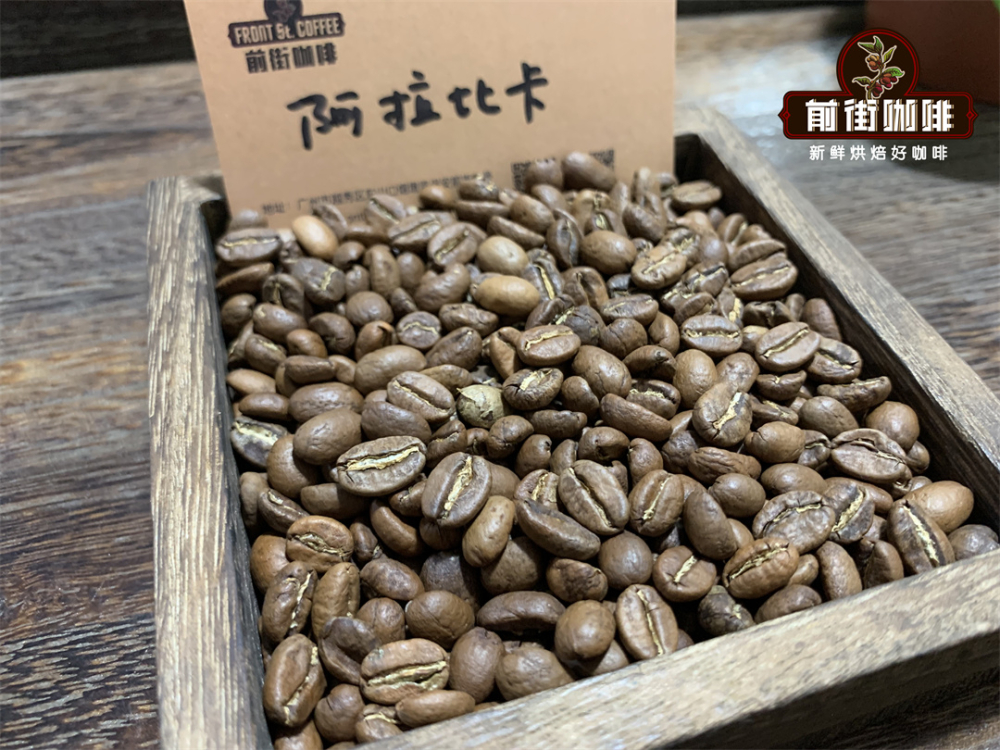
In terms of flavor, Arabica beans are considered the best-tasting coffee beans and have anchored the specialty coffee consumer market since the concept of specialty coffee emerged. Typica, a subspecies of Arabica, possesses excellent acidity with high cupping scores and outstanding genetics as one of the most ancient coffee varieties. Meanwhile, Geisha, now a household name in specialty coffee, conquers coffee lovers' taste buds with its fresh floral aroma and pleasant acidity.
Arabica Disadvantages
Arabica accounts for 70% of total coffee production, but its weak resistance to pests and diseases has driven the cultivation of many disease-resistant varieties. Additionally, Arabica has many subspecies formed through mutation or hybridization, such as Typica, Bourbon, and Geisha. At FrontStreet Coffee stores, there is no shortage of Arabica subspecies coffee beans — for single-origin and specialty coffee, over 50 different regional coffee beans are available, satisfying different taste requirements. Beyond the regular menu, FrontStreet Coffee stores also offer even more bean varieties for tasting.
Famous Arabica Growing Regions
The emergence of specialty coffee has not only brought attention to coffee's individual characteristics but also sparked greater interest in the cultivation and processing conditions of the various regions. Next, FrontStreet Coffee introduces the current situation of these world-renowned growing regions.

Brazil
Brazil is the world's largest coffee-producing and highest-yielding nation. In recent years, domestic coffee consumption in Brazil has gradually increased, making it the world's second-largest consumer after the United States. Brazil began coffee production in 1727. Thanks to a climate suited to coffee cultivation and vast areas of fertile soil, the main producing regions are the southeastern states of Minas Gerais, São Paulo, and Paraná. In recent years, however, southern regions have suffered frost damage, and cultivation has gradually migrated northward. Large estates in Minas Gerais' Cerrado region are now actively introducing irrigation facilities and mechanized equipment, with diversified coffee tree cultivation: alongside Arabica varieties like Bourbon, they also plant the disease-resistant Catimor varieties.
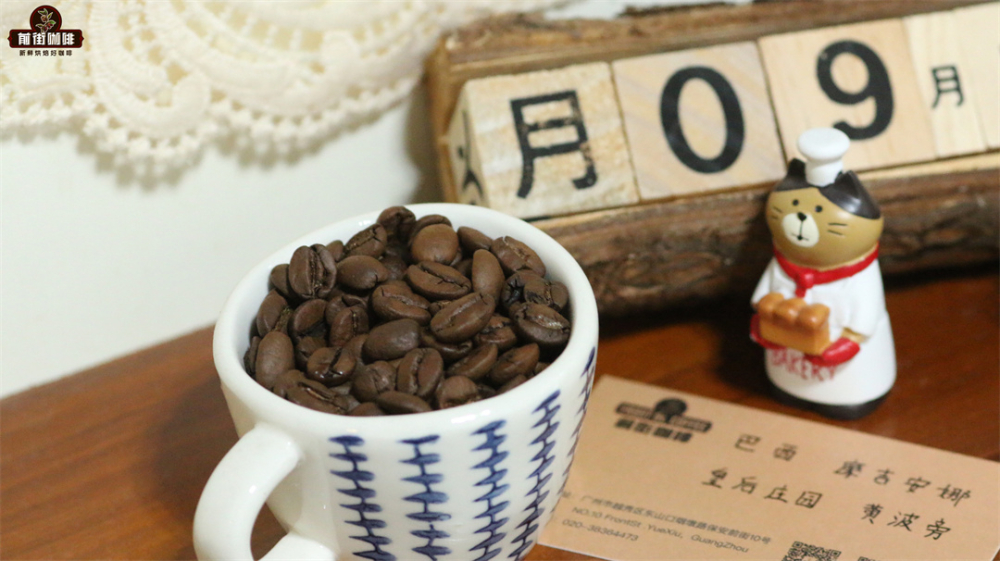
Brazilian coffee typically has lower acidity, which complements the coffee's bitter-sweet taste with an extremely smooth mouthfeel and a light grassy aroma — fragrant with slight bitterness, sweet and smooth, with a refreshing aftertaste. FrontStreet Coffee has selected a Queen Estate Bourbon coffee as Brazil's representative: distinct nutty and chocolate flavors, moderate caramel sweetness, smooth mouthfeel, and overall balance.
Cultivation Varieties
Bourbon, Mundo Novo, Catuai, and other Arabica varieties, as well as Catimor varieties.
Processing Method
Mainly natural processing, with some coffee beans using honey processing.
Grading Method
Graded by screen size and defect count, from "No. 2" to "No. 6". Screen size ranges from S17 (6.75mm) to S18 (7mm). In a 300-gram sample, those with defect scores below 11 points are rated the highest grade "No. 2" (also known as Type 2).

Colombia
The Andes Mountains, with an average elevation exceeding 4,000 meters, host small estates on their steep slopes at elevations of roughly 1,000 to 2,000 meters — these are Colombia's coffee-producing regions. Colombia is currently the world's third-largest coffee-producing country, behind only Brazil and Vietnam. Supporting the industry is the National Federation of Coffee Growers of Colombia, which manages everything from production to distribution and actively promotes specialty coffee. They plant shade trees, hand-pick coffee cherries, and "introduce the latest equipment suitable for small estates to reduce water consumption, adopting different approaches from neighboring Brazil" to produce distinctive high-quality coffee beans. Sitting on the equator, Colombia enjoys two harvest periods annually.
Premium-grade Colombian coffee (washed) often features citrus notes, nuts, and dark cocoa, with overall smoothness and richness. Dark cocoa is a major characteristic, complemented by refined acidity from high elevations — a rare, high-quality coffee-producing country, and perhaps the most distinctive coffee country in the Americas.

Cultivation Varieties
Caturra, Castillo, Colombia Typica.
Processing Method
Two harvests annually: October-January and April-June. Primarily washed processing.
Grading Method
Graded by screen size. Beans with screen size S17 (6.75mm) and above are "Supremo"; S14 (5.5mm) to S16 (6.5mm) beans are rated "Excelso".

Panama
Panama may be the most popular specialty coffee-producing country today, with numerous estates including the famous Hacienda La Esmeralda, Deborah Estate, and Ninety Plus estates. Panama cultivates varieties such as Geisha, Caturra, and Catuai, but the most characteristic variety representing Panama is Geisha. Among the many estates, FrontStreet Coffee believes the Geisha coffee produced by Hacienda La Esmeralda is the most representative.

Cultivation Varieties
Mostly Caturra and Catuai, with increasing cultivation of Geisha. Additionally, traditional farming methods are used to grow rare, unimproved Typica varieties uncommon in Central America.
Processing Method
Harvest period from September to March. Primarily washed processing, with natural or machine drying.
Grading Method
Graded by growing region altitude. From highest to lowest altitude: "Strictly Hard Bean" (SHB) and "Hard Bean" (HB).

Guatemala
Guatemala is a very typical volcanic country. Its famous Antigua region is surrounded by three volcanoes, and the volcanic ash soil provides sufficient nutrients for coffee tree growth. Including Antigua, Guatemala has multiple coffee-producing regions, each with different growing environments and conditions, creating distinct regional flavors. FrontStreet Coffee believes the most representative Guatemalan region is Antigua.
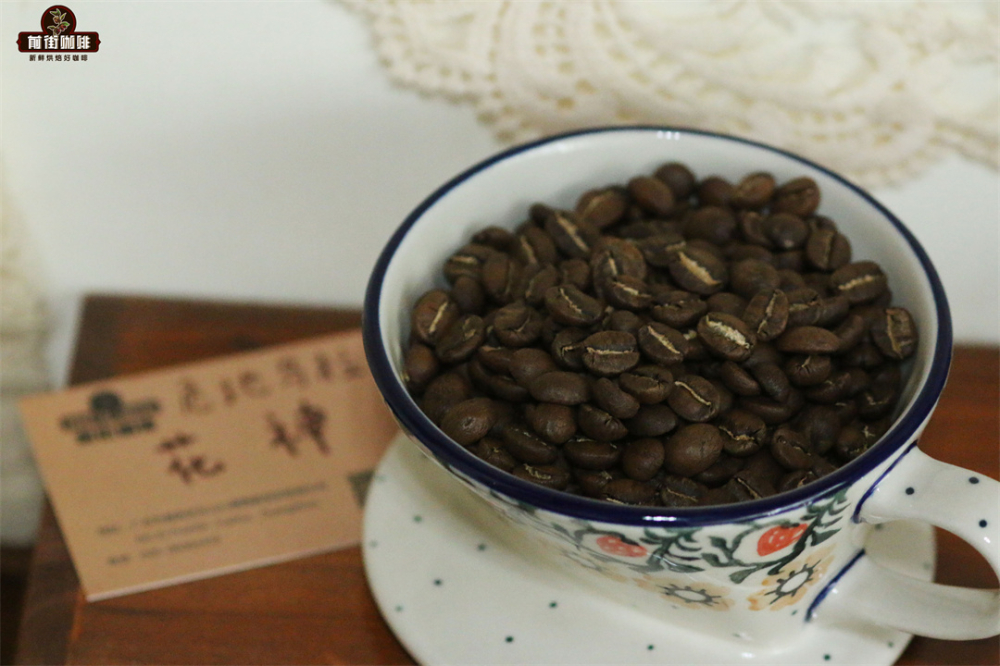
Among the many coffee beans from Antigua, FrontStreet Coffee selected a Flor de café bean. Flor de café is a coffee bean under La Minita company, which is renowned for excellent cultivation, processing techniques, and extremely strict quality control. They commissioned Las Pastores, Antigua's largest wet mill, to process the green beans according to these standards and named the coffee Flor de café. Beyond preserving the original regional flavors, the dry aroma features rich floral and tea notes; after tasting, lime acidity and berry flavors transition into a honey aftertaste. Excellent cleanliness and rich layered complexity are the hallmarks of this Flor de café.
Cultivation Varieties
Bourbon, Caturra, Catuai, and others.
Processing Method
Harvest period from September to April. Primarily washed processing, with natural or machine drying.
Grading Method
Although graded by growing region altitude, grade is often determined by flavor. Growing regions above 1,300 meters are rated "Strictly Hard Bean" (SHB); 1,200-1,300 meters as "Hard Bean" (HB); 900-1,050 meters as "Especial Prime Washed" (EPW).

Costa Rica
Costa Rica has been cultivating coffee for over two hundred years and has a very mature coffee industry. It is also one of the few countries worldwide that prohibits the cultivation of Robusta coffee beans (even Catimor varieties are not allowed) — a country that highly values coffee quality. Costa Rican beans' character comes from their unique honey processing: drying while retaining some fruit mucilage. This gives Costa Rican coffee both the cleanliness of washed processing and the sweetness of natural processing — nutty as the main tone, mixed with refreshing acidity and thick, sugar-like sweetness.

Cultivation Varieties
Caturra, Catuai, and others. Costa Rican law prohibits cultivation of Robusta varieties.
Processing Method
Harvest period from November to March. Primarily honey processing, using methods where pulp and endocarp are removed together.
Grading Method
Graded by growing region altitude. From highest to lowest altitude: "Strictly Hard Bean" (SHB), "Good Hard Bean" (GHB), "Hard Bean" (HB).

Jamaica
Besides Brazil, Jamaica's Blue Mountain coffee is also highly balanced. The Blue Mountains sit in eastern Jamaica; when the weather is clear, direct sunlight strikes the azure Caribbean Sea and the peaks reflect the water's brilliant blue glow — hence the name.
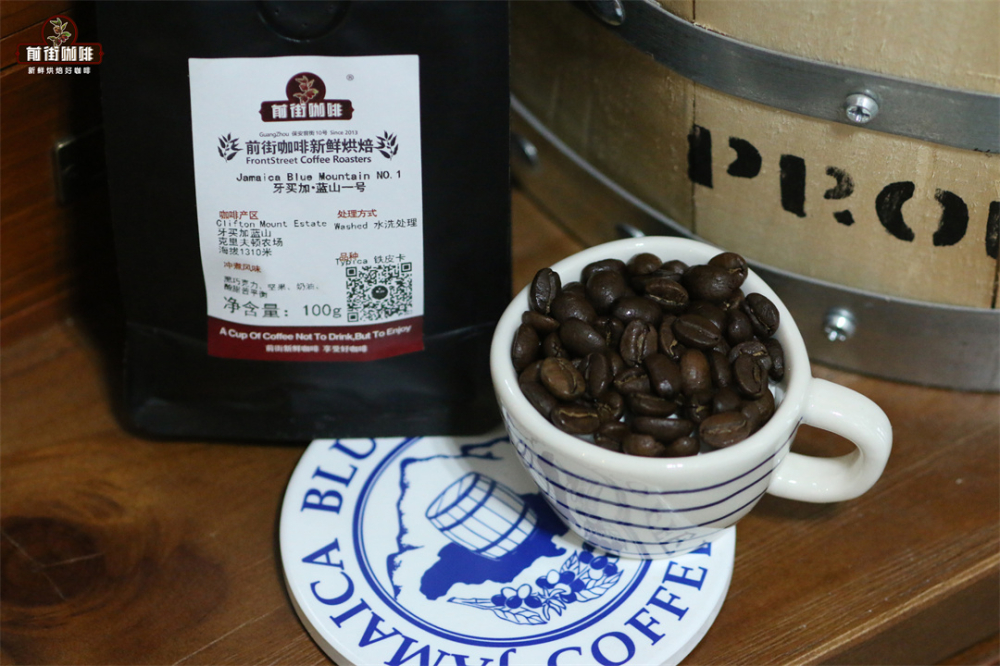
For many years, Blue Mountain coffee has been subject to strict export controls, traditionally producing only washed Typica for export to countries like Japan. Until last year, however, FrontStreet Coffee had begun to taste not only washed Typica but also natural Typica and even Geisha coffee produced in Blue Mountain. Still, FrontStreet Coffee believes Blue Mountain's flavor is best represented by washed Typica: citrus acidity but strong overall balance, with nuts and dark cocoa in the middle notes, a persistent aftertaste, and a rich mouthfeel.
Cultivation Varieties
Although Caturra production is gradually increasing on surrounding islands, Jamaica predominantly grows Typica.
Processing Method
Harvest begins in October, primarily washed processing.
Grading Method
Blue Mountain has its own grading standards, graded by screen size and defect count and divided by bean size into "No. 1," "No. 2," and "No. 3." Other coffee beans are graded by altitude or screen size.
Ethiopia
Ethiopia is one of the most popular coffee-producing countries. As the birthplace of coffee, it holds an enormous number of coffee varieties — a veritable treasure trove. Variety identification, however, is time-consuming and laborious, most coffee is grown by small farmers, and mixed processing after harvest makes varieties hard to distinguish, so exported Ethiopian beans are generally collectively called "Heirloom."

Ethiopia's most representative coffee beans are undoubtedly the washed beans produced in Yirgacheffe. Ethiopia primarily uses natural processing, but common natural methods were often crude, carrying defect flavors. Therefore, in the last century the Yirgacheffe region introduced washed processing from the Americas, and coffee produced in Yirgacheffe became famous.
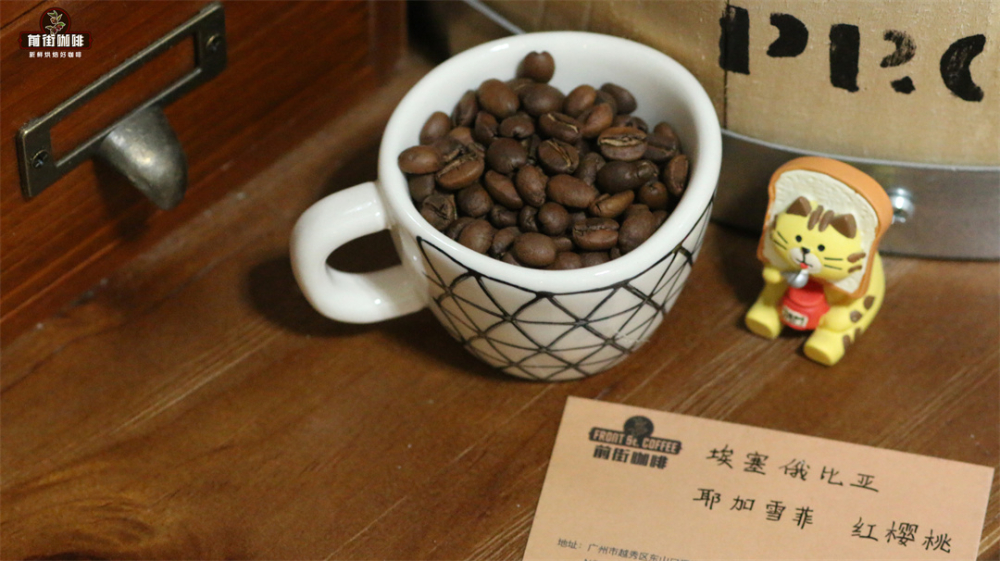
FrontStreet Coffee's bean selection includes many Ethiopian coffees worth recommending, such as Red Cherry coffee, Buku coffee, and Kochere. These coffees feature Yirgacheffe's classic citrus-lemon acidity, gentle white floral notes, and fruit and tea-like aftertastes.
Cultivation Varieties
Mainly Typica, with many other unique Ethiopian varieties.
Processing Method
Although primarily traditional natural processing, the proportion of washed processing is gradually increasing.
Grading Method
Graded by defect count, from fewest to most: "Grade1" to "Grade8" levels. Only Grade1 to Grade5 can be exported.
Kenya
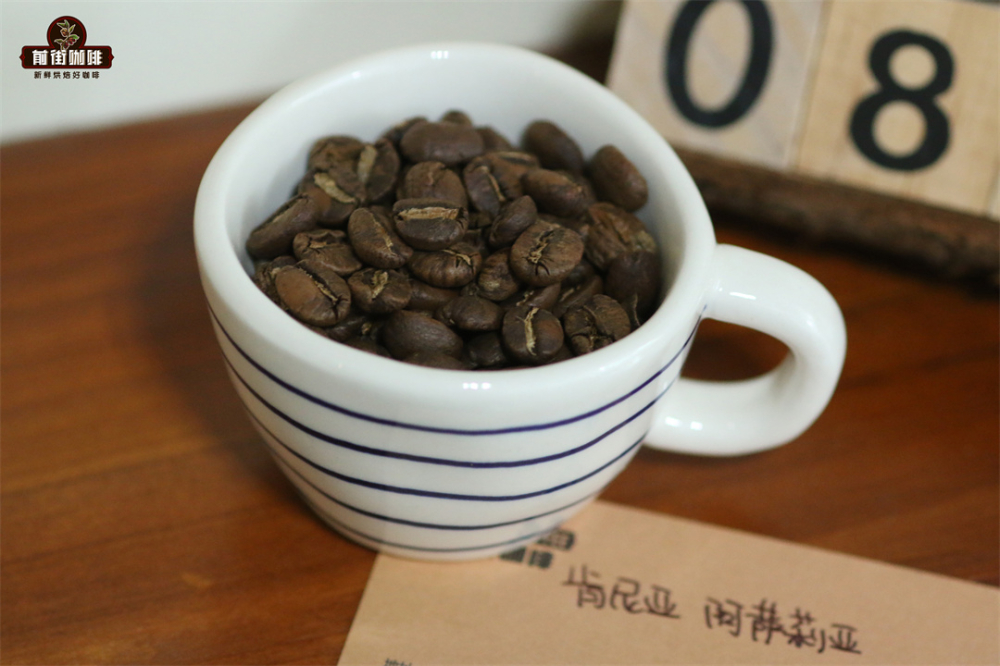
Kenya is another of Africa's most representative coffee-producing countries, with highly recognizable berry notes reminiscent of grapefruit, blackberries, plums, and other fruits. Its extremely high acidity makes Kenyan coffee one of the most popular iced coffees in summer. Kenya's flavor profile comes mainly from its SL28 & SL34 varieties and mature washed processing techniques.
Cultivation Varieties
Mainly the selected Bourbon varieties SL28 and SL34. SL is short for Scott Laboratory, a coffee research institution located in Nairobi.
Processing Method
Two harvests annually: September-December and May-July. Primarily washed processing.
Grading Method
Graded by screen size. Beans with screen S18 (7mm) and above are rated "AA"; S15 (6mm) to S17 (6.75mm) are rated "AB." Peaberries are rated "PB."
Indonesia
Composed of approximately 17,000 large and small islands, with Java Island as the main coffee-producing region, Indonesia has a long coffee cultivation history. A coffee leaf rust outbreak in the 1980s nearly destroyed its Arabica varieties; afterward, cultivation shifted to the disease-resistant Catimor and Robusta varieties, and Indonesia is now the world's fourth-largest coffee-producing country.

Mandheling may be synonymous with Indonesian coffee, grown mainly in the Aceh Special Region of Sumatra. Generally, arabica varieties from Sumatra Island are called Mandheling and are highly regarded in the specialty coffee world; others, like Toraja from Sulawesi Island, are also loved by many. Additionally, Indonesia has a unique production method called Sumatran semi-washed, characterized by drying in the green bean state.
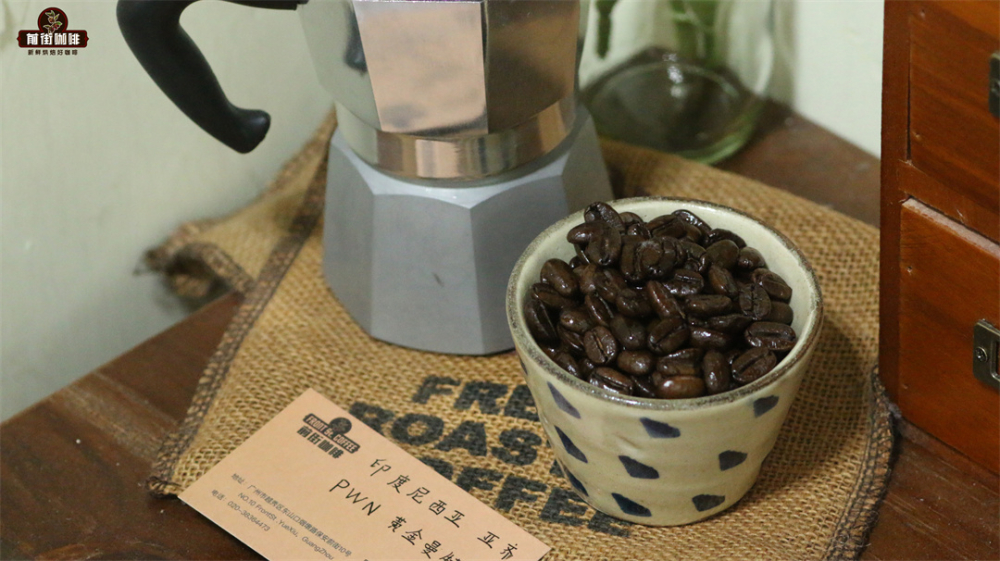
Among FrontStreet Coffee's bean selection, a Golden Mandheling is recommended. Compared with regular Mandheling, Golden Mandheling undergoes multiple rounds of hand sorting, removing many defective and poorly shaped beans. Besides the classic herbal spice flavors, Golden Mandheling therefore tastes cleaner with a very smooth mouthfeel.
Cultivation Varieties
Catimor, Typica, Robusta, and others.
Processing Method
Two harvest periods: April-September and November-March. Although primarily natural processing, some coffee beans use washed processing.
Grading Method
Graded by screen size and defect count, divided by bean size into "Large" and "Small," and additionally into five grades by defect count, from fewest to most: "Grade1" to "Grade5."
FrontStreet Coffee Recommendation
For many coffee lovers, Blue Mountain coffee is nearly impossible to avoid: in the era before specialty coffee spread, "treating a guest to Blue Mountain" became shorthand for premium coffee. Strictly speaking, only coffee grown in a specific zone of Jamaica's Blue Mountains and certified by the Jamaican government may be called "Jamaica Blue Mountain Coffee." The range, one of the tallest in the Caribbean with a peak at 2,256 meters, is wrapped in year-round mist — hence the name. High altitude brings wide day-night temperature swings that lengthen ripening; fertile volcanic soil feeds the trees; and ample, even rainfall with a mild, stable climate lets the cherries accumulate sugars and flavor compounds slowly, shaping Blue Mountain's famously delicate texture and balance.
Blue Mountain's status rests on scarcity: annual output from Jamaica's entire Blue Mountain region falls short of 2,500 tons — a sliver of global production — and Japan's long-standing trade ties have historically bought more than 70% of it, leaving even less for the rest of the world. Certified beans began shipping officially to the Chinese market as early as 2003. To spot genuine Blue Mountain, check certification: importers should hold complete export certification and origin documents. Authentic Blue Mountain also ships in traditional wooden barrels in 15, 45, and 70 kilogram sizes, each printed with detailed lot information for the green beans — the barrels themselves are a hallmark of genuine Blue Mountain. The green beans are regular and full, slightly upturned at both ends and green in color. Blue Mountain No.1 is among the highest grades, with strict standards for bean size, defect rate, and overall quality. FrontStreet's Blue Mountain No.1 comes from the historic Clifton Estate, which has grown and produced coffee since around 1750 (mid-18th century); its growing and processing areas sit at an average 4,300 feet (1,310.64 meters), where sufficient altitude, mild afternoon clouds veiling shaded woodlands, ample sunshine, and mineral-rich soil give the trees excellent growing conditions and slow the cherries' ripening.
Flavor-wise, Blue Mountain's greatest charm is balance — no obvious weaknesses. It is neither fiercely fruity like some African coffees nor heavily bitter like dark roasts, but superbly balanced among acidity, sweetness, bitterness, and aroma, layering cream, caramel, chocolate, nuts, honey, and light fruit notes into a silky, rounded cup with a clean, long finish. FrontStreet roasts its Blue Mountain medium-dark to highlight that classic full-bodied character, roasting every batch within 5 days of shipping so the beans arrive flavor-intact. FrontStreet recommends a Kono dripper to boost the bean's full-bodied mouthfeel, 15g of coffee per single serving, and resting the beans 4-7 days (counting the roast date as day one) for the best flavor. Grind slightly coarser than for light-roast beans — about the coarseness of granulated sugar — and brew with 87-88°C water, since water that is too hot produces burnt bitterness while water that is too cold leaves the coffee flat. Use a 1:15 ratio: pour 30g of water for a 30-second bloom, pour to 120g and pause with a vertical, slow circular stream, then pour to 225g slightly faster to keep fines from clogging the dripper and over-extracting. The result: a clean, complex, very gentle cup with chocolate sweetness and strong body — sweetness, acidity, and bitterness perfectly matched, with only moderate, polished acidity and a lasting fruity finish.
Important Notice :
FrontStreet Coffee is a long-established specialty coffee roaster in Guangzhou China, selling freshly roasted beans from its own farm in Yunnan as well as dozens of carefully selected single-origin beans from around the world for both pour-over and espresso. The products deliver consistently excellent quality and great value, with shipping within 24 hours. Guangzhou's FrontStreet Coffee shop is recommended by many coffee lovers, and the beans are now available online at the Tmall 。
FrontStreet Coffee has moved to a new address:
FrontStreet Coffee Address: 315,Donghua East Road,GuangZhou
Tel:020 38364473
 Scan and follow the En Gafei WeChat official account. Please indicate that the reprint comes from "En Gafei".