Brazil Fazenda Dona Nene—COE Brazilian Coffee Farm|Recommended Coffee Beans for Pour-Over
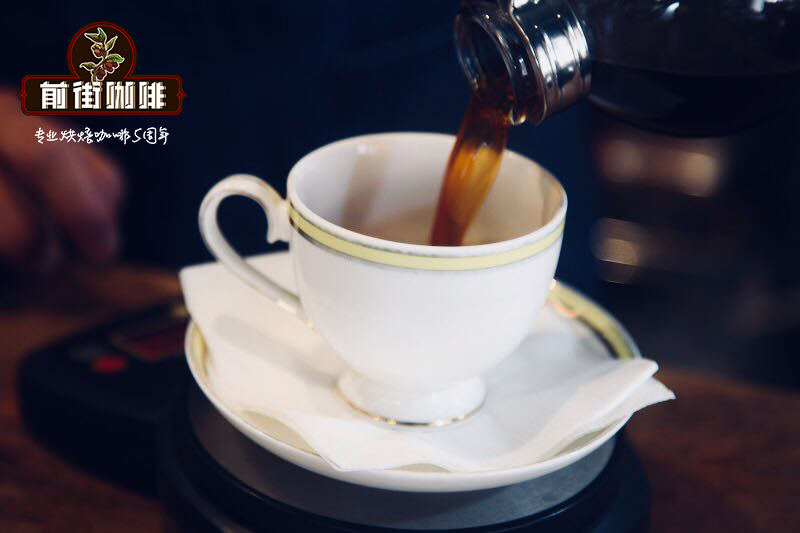
Besides the coffee featured in this article, FrontStreet Coffee recommends these beans for pour-over: Brazil Queen's Estate COE and Brazil Shinmu Estate.
Fazenda Dona Neném
Eduardo Campos comes from a family with a history of growing coffee in the South Minas region. He inherited a piece of land from his father that later became known as Fazenda Dona Neném, named after his mother. The farm began operating in 1977 and was the first estate in the Patos de Minas region to start growing coffee. At that time the concept of certification had not yet reached Brazil, but Eduardo had already begun to notice environmental issues, firmly believing that "nature is always first priority". In practice, the conservation work carried out on the estate far exceeds Brazil's environmental regulations. Native tree species and shrubs are transplanted, and the environmental impact of livestock is mitigated through water source protection measures along the riverbanks. These methods effectively maintain the natural environment and shrub vegetation of Brazil's Cerrado. At Fazenda Dona Neném, coffee is harvested by hand with machine assistance, and the machines can identify fully ripe cherries and pick them. The estate's own nursery can replant 10% of its coffee trees each year. The Eduardo Campos family was one of the earliest coffee farmers in Patos de Minas, Brazil. Today, Eduardo not only owns two estates but also uses technology to compensate for mechanical limitations, such as electronic instruments during harvest that detect fruit ripeness and achieve the effect of manual harvesting. Since its establishment the estate has won numerous awards, taking an excellent 20th place in last year's COE competition.
"The thick mouthfeel and delicate fruit acidity show that this transparent-textured Brazilian coffee is solid, backed by excellent cultivation techniques. The full drupe aroma and the grassy fragrance in the aftertaste all tell the story of traditional old-stock Brazilian beans presenting a simple yet traditional classical style. Tasting the brown sugar syrup flavour: in addition to the complete expression of the expected Brazilian flavour, there are drupe notes, thick bittersweet chocolate flavour, and the weight of brown sugar syrup, giving a steady, safe, and reassuring sense of trust." Since last year, the Brazil COE final selection has first conducted batch cupping by production region to avoid a situation where a few regions dominate overwhelmingly. In the final judging results, however, Carmo de Minas still swept the competition, and Fazenda Dona Neném was the only estate selected from the Cerrado region.
Tasting Notes
Sweetness: ★★★★☆
Aroma: ★★★☆☆
Acidity: ★★★☆☆
Sweetness: ★★★☆☆
Bitterness: ★★★☆☆
※ Green bean processing: Semi-washed processing
※ Roasting method: Medium-dark roast
※ Characteristics: Drupe, thick bittersweet chocolate
FrontStreet Coffee Recommendation
If Dona Neném's semi-washed Cerrado profile appeals to you, FrontStreet's Brazil Cerrado Red Bourbon is the natural companion, a classic Brazilian single origin that also uses pulped natural processing. Roasted medium, it brings out cream peanut, toast, caramel, and hazelnut aromas with a rounded, non-acidic body and a light bitterness, and it works just as well in a pour-over as in a moka pot, siphon, French press, or as an SOE. For something with a little more fruit and sweetness, FrontStreet's Brazil Queen's Estate Yellow Bourbon comes from Mogiana, near South Minas, where fertile red volcanic soil feeds a rare yellow-bourbon mutation that yields a cleaner fruit character with sugarcane sweetness and chocolate. Brazil is also the backbone of espresso, and its low-acid, balanced body anchors FrontStreet's Classic Blend, Specialty Blend, Dark Cocoa Blend, and Commercial Blend, where it supplies chocolate and cream aromas along with a soft sweet-sour balance that keeps extraction stable.
Important Notice :
FrontStreet Coffee is a long-established specialty coffee roaster in Guangzhou China, selling freshly roasted beans from its own farm in Yunnan as well as dozens of carefully selected single-origin beans from around the world for both pour-over and espresso. The products deliver consistently excellent quality and great value, with shipping within 24 hours. Guangzhou's FrontStreet Coffee shop is recommended by many coffee lovers, and the beans are now available online at the Tmall 。
FrontStreet Coffee has moved to a new address:
FrontStreet Coffee Address: 315,Donghua East Road,GuangZhou
Tel:020 38364473
 Scan and follow the En Gafei WeChat official account. Please indicate that the reprint comes from "En Gafei".