Salvadoran Coffee Bean Characteristics and Flavor Varieties - Salvadoran Coffee Prices
For professional coffee knowledge exchange and more coffee bean information, please follow Coffee Workshop (WeChat official account: cafe_style).
El Salvador's coffee varieties include Bourbon, Pacas, Pacamara, and Catuai, with Bourbon and Pacas together covering roughly 83% of the cultivated area.
El Salvador is the smallest and most densely populated country in Central America, and coffee is the primary crop across most of its territory. Don't let the country's size fool you. About 60% of Salvadoran coffee is Bourbon—including orange, pink, and red Bourbon—and the variety is prized worldwide for its excellent clarity, bright sweetness, and strong citrus acidity. El Salvador is also the birthplace of the Pacas and Pacamara varieties. A typical Pacamara offers superb body with tropical fruit fragrance and honey-like sweetness, bright citrus acidity, and a sweet aftertaste reminiscent of golden grapefruit—making it one of Central America's finest varieties in recent years, now grown with excellent results in many countries.
Salvadoran coffee is harvested just once a year, between November and February. New-crop coffee typically reaches overseas buyers between June and August. Compared with farms elsewhere in Central and South America, most Salvadoran farms are medium-sized, and their growers cultivate with immense passion and professional expertise, which keeps the export market thriving and quality steadily improving. As Salvadorans say, "Just one sip of coffee will make you smile."
El Salvador Coffee Beans - Finca Komasa Red Owl Yellow Honey Process
Flavor Notes: Orange, Grapefruit, Kiwi, Almond, Caramel
Roast Level: Light Roast
Region: San Salvador Volcanic Zone
Altitude: 1,200 meters
Variety: Bourbon
Processing Method: Yellow Honey Process
The Finca Komasa estate has been operating for about fifty years. It provides farmers with corporate lending, cultivation guidance, and financial support, and to improve farmland productivity it also supplies fertilizer and raw materials at preferential rates.
Processing Method
Honey Process
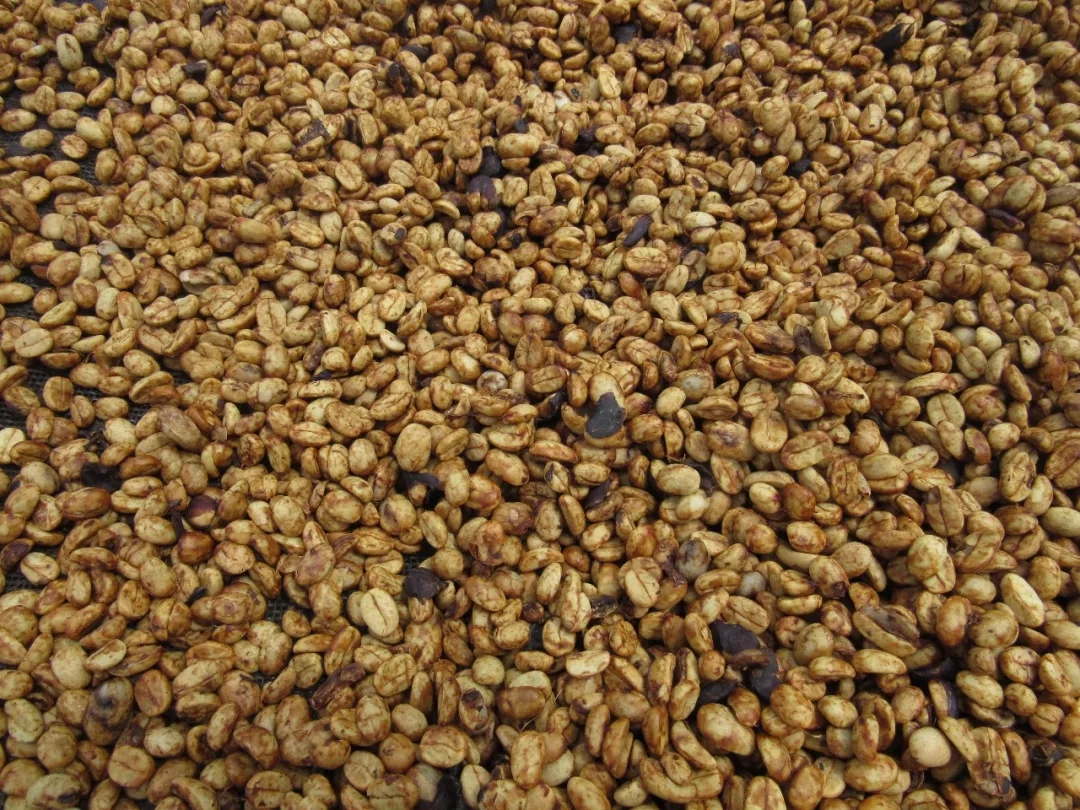
The honey process—Honey Process or Miel Process—often leads people to assume it involves actual honey, or that the coffee is honey-flavored. It is neither. Honey processing means removing the pulp and then drying the beans with the mucilage still attached. As the beans dry, the moisture in that gelatinous coating evaporates, leaving it sticky as honey—hence the name.
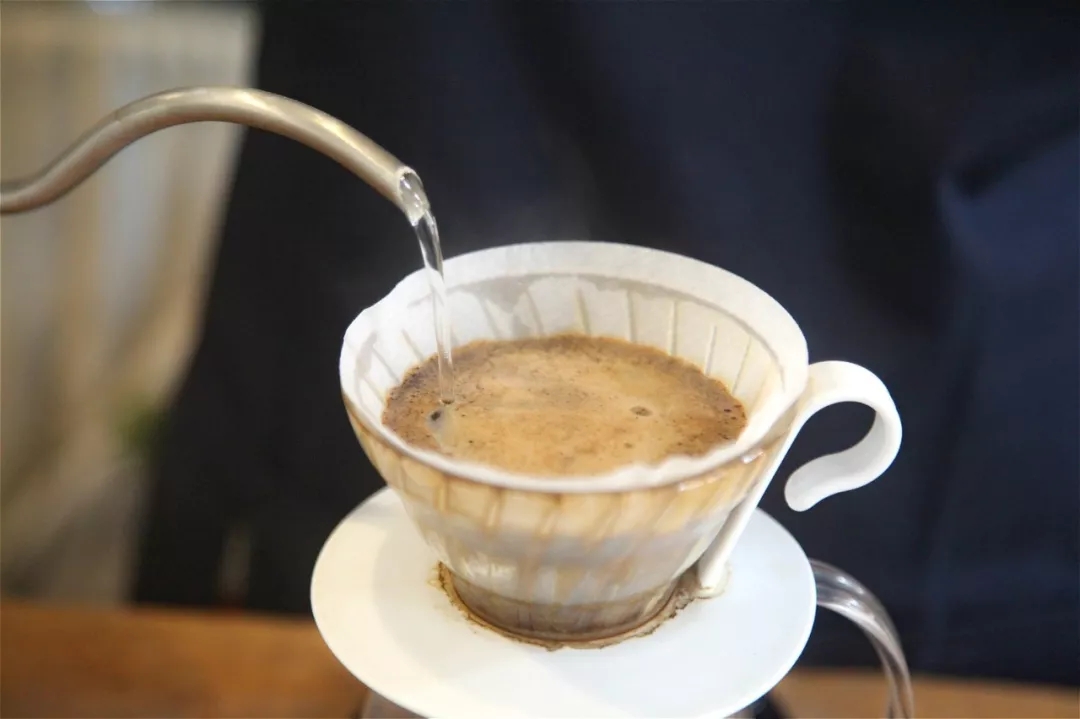
FrontStreet Coffee Recommended Brewing Parameters
- Method: V60
- Coffee-to-Water Ratio: 1:15
- Water Temperature: 90°C
- Grind Size: Medium-fine
- Brewing Time: Approximately 2 minutes
FrontStreet Coffee Recommendation
Honey processing actually traces back to Brazil's pulped natural method—removing the skin before drying shortens drying time while taming the off-flavors of uncontrolled fermentation. Costa Rica borrowed the approach and refined it by varying how much mucilage stays on the bean and how long it dries, giving rise to the finer gradations of black, red, yellow, and white honey. If you want to taste the deepest end of that spectrum, FrontStreet Coffee's Costa Rica Blackberry uses black honey processing: almost no mucilage is removed, drying lasts at least two weeks under shade cover to prevent over-fast drying, and the beans are turned constantly to avoid uneven heating and over-fermentation. Roasted medium-light, it releases a rich fresh-flower aroma on grinding and pours out distinctive flavors of grape, berries, and ripe blackberry.
For the most innovative version, try FrontStreet Coffee's Costa Rica Mozart, made with raisin honey processing: the whole cherries are pre-dried on raised beds for at least three days before pulping, with 100% of the mucilage retained—harder to execute even than black honey, demanding strict control of timing. The reward is richer hot-dried-fruit sweetness: brewed by pour-over, cold brew, or moka pot, Mozart offers distinctive osmanthus, pineapple, and raisin aromas.
And if you'd like to taste honey process alongside Geisha in one cup, the FrontStreet Strawberry Candy Geisha Blend combines Panama Geisha with Costa Rican coffee given raisin honey processing—100% mucilage retention and zero-water handling, with floaters removed at flotation and cherries dried and turned on raised beds. The result carries Geisha's floral-tea character plus grape and dried blueberry fragrance, gentle fruit acidity, an almond finish, and obvious sweetness.
FrontStreet Coffee: A roastery in Guangzhou with a small shop but diverse coffee bean selection, where you can find both famous and lesser-known beans. Online shop services are also available at https://shop104210103.taobao.com
Important Notice :
FrontStreet Coffee is a long-established specialty coffee roaster in Guangzhou China, selling freshly roasted beans from its own farm in Yunnan as well as dozens of carefully selected single-origin beans from around the world for both pour-over and espresso. The products deliver consistently excellent quality and great value, with shipping within 24 hours. Guangzhou's FrontStreet Coffee shop is recommended by many coffee lovers, and the beans are now available online at the Tmall 。
FrontStreet Coffee has moved to a new address:
FrontStreet Coffee Address: 315,Donghua East Road,GuangZhou
Tel:020 38364473
 Scan and follow the En Gafei WeChat official account. Please indicate that the reprint comes from "En Gafei".