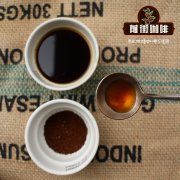
How to Drink Peruvian Coffee_Pour-Over Tutorial for Peruvian Chanchamayo Coffee_How Much Does a Cup of Peruvian Coffee Cost
Coffee Workshop is a space for professional coffee knowledge exchange and a steady source of bean information.
Peruvian coffee is relatively rare in China, but that does not mean it is unknown. Generally, how much does a cup of Peruvian coffee cost in cafes?
Peru is the world's largest producer of organic coffee, with coffee covering 250,000 hectares. The growing regions sit mostly in the Amazon rainforest, at altitudes from 1,100 to 2,000 meters above sea level. About 70 percent of the varieties are Typica, while most of the remaining 20 percent are Caturra.
Coffee is one of Peru's largest agricultural projects, and Peru is also one of the world's largest coffee exporters. Thanks to its varied terrain and climate, the country produces many types of coffee and holds the largest market share in the organic coffee and fair trade categories.
Although Peruvian beans are very diverse, in general Peruvian coffee has a full body and a balanced flavor, which makes it a very good base for blended coffee.
Today, I am going to share a few coffee beans with you.
The bean details are as follows:
FrontStreet Coffee's Peruvian Coffee Beans
- Natural process
- Roasting method: Medium roast
- Origin: Peruvian highland beans (altitude not specified)
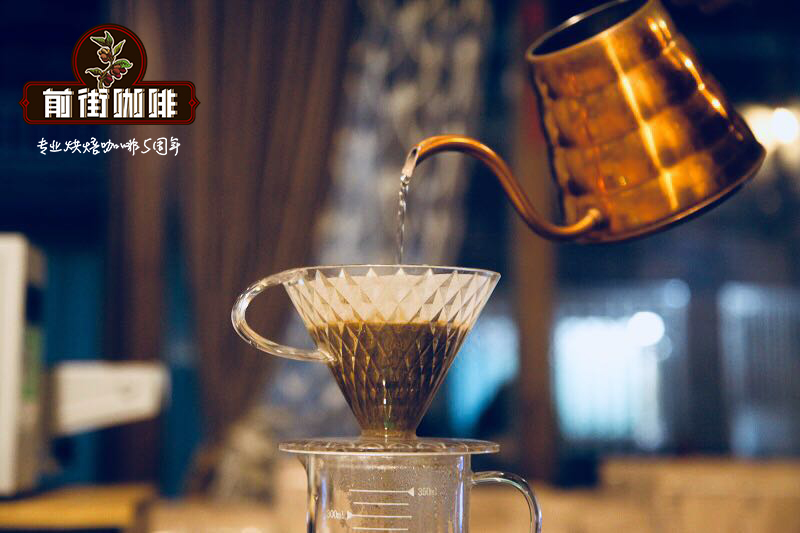
Coffee is steeped in hot water,
which brings out its true flavor.
Then move in a circular motion (clockwise or counterclockwise is fine),
slowly pour the water in a gentle, steady stream - do not rush.
(Shaky hands or an inconsistent flow are not acceptable, or you will ruin a good cup of coffee.)
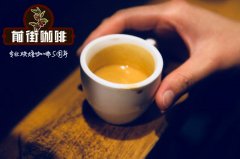
The cup on the side is still being warmed,
When making pour-over coffee at home, I first brew into a glass pot,
so I can clearly watch the coffee shift through its amber colors,
each coffee has its own unique color, and it is very beautiful.
After appreciating the color,
pour it into the cup, which also mixes the lighter and darker parts of the coffee.
This lets the flavor balance before you even taste it.
This cup of FrontStreet Coffee's Peruvian coffee has thickness on entry, with chocolate and cocoa flavors and nutty aromas. The finish carries a caramel note. As it cools, fruity acidity emerges, but not overwhelmingly, and a sweet aftertaste appears as well. It is refreshing, yet it shows what I consider the hallmark of a medium roast: not much layered change on the palate.
If you are just entering the world of pour-over coffee, I would recommend this FrontStreet Coffee Peruvian bean as your entry-level choice.
Peruvian coffee ranks among the world's coffees and can compete with traditional top-grade Central American beans. We select high-quality Arabica from Cajamarca, which carries organic cultivation certification (OCIA certified in the US) and fair trade certification. It has a smooth mouthfeel, rich aroma, and an elegant, mild acidity and sweetness, worth savoring slowly.
FrontStreet Coffee is a Guangzhou roastery with a small storefront but a wide range of beans, carrying both famous and lesser-known origins.
FrontStreet Coffee Recommendation
Peru's balanced, full-bodied profile is a natural fit for pour-over, and the dripper most experienced hands recommend to a beginner is the V60. Hario, the company behind it, was founded in Tokyo in 1921 and built its reputation on heat-resistant glassware for research labs; the glass server many pour-over setups use is one of its best-known products. In 2004 Hario redesigned the V60 prototype into the shape we know today - a 60-degree cone with a V-shaped profile - and put it on sale a year later. The cone and 60-degree angle force water toward the center before it drips into the server, lengthening contact between water and coffee so aroma and flavor extract fully, while the single large hole removes any restriction on flow; flow speed then depends almost entirely on your pouring control, which shows up directly in the cup.
That fast, controllable extraction is exactly what the third wave wants, which is why floral and fruity coffees shine in a V60 - the white florality of Ethiopia, the berry acidity of Kenya, and lighter, cleaner cups in general. FrontStreet Coffee keeps a range of beans that suit it: FrontStreet Yirgacheffe Gutingding carries the classic Yirgacheffe profile of citrus, berry, and florality with a green-tea finish; FrontStreet Ethiopia Huakui is loaded with tropical fruit; FrontStreet Strawberry Candy delivers a Geisha-style floral-fruit cup; and FrontStreet Mozart brings a raisin-like character. For a more intense washed option, FrontStreet Kenya Cherry Tomato comes from Kenya's Sika region, grown between 1,550 and 1,750 meters from the classic SL28 and SL34 varieties and given Kenya's 72-hour double-washed fermentation and a light roast, yielding cherry tomato and smoked plum aroma, bright firm acidity, a sweet mid-palate, and a clean, long finish with brown sugar and green tea.
The V60 also works well for lower-acid drinkers; it simply rewards choosing the right bean. FrontStreet Coffee's PWN Golden Mandheling is roasted dark for a low-acid, full-bodied cup, and the Sumatra classic still appeals to anyone who likes depth; the same goes for FrontStreet Brazil Queen Estate, with its very low acidity and its balance of nut, cocoa, and clear caramel sweetness. FrontStreet Coffee's Jamaica Blue Mountain No. 1 achieves its famous balance of acidity, sweetness, bitterness, and aroma at a medium roast, and FrontStreet Coffee's 2013 Yunnan sun-dried Typica - roasted medium - brings a clean mix of citrus and caramel with a little nut, chocolate, and brown sugar. If you prefer a round, no-acid cup that still has body, FrontStreet Coffee's Papua New Guinea Paradise Bird, a Typica grown in volcanic soil between 1,600 and 1,800 meters and produced with a triple-washed method, is a clean, sweet, AA-grade option.
Important Notice :
FrontStreet Coffee is a long-established specialty coffee roaster in Guangzhou China, selling freshly roasted beans from its own farm in Yunnan as well as dozens of carefully selected single-origin beans from around the world for both pour-over and espresso. The products deliver consistently excellent quality and great value, with shipping within 24 hours. Guangzhou's FrontStreet Coffee shop is recommended by many coffee lovers, and the beans are now available online at the Tmall 。
FrontStreet Coffee has moved to a new address:
FrontStreet Coffee Address: 315,Donghua East Road,GuangZhou
Tel:020 38364473
 Scan and follow the En Gafei WeChat official account. Please indicate that the reprint comes from "En Gafei".