The Concept of Traditional Italian Coffee Beans_ Why Italian Coffee Beans Require Dark Roasting_ Italian Coffee Bean Recommendations
The Concept Behind Traditional Italian Coffee Bean Blending
What is the idea behind traditional Italian coffee blending? Why are Italian coffee beans roasted so heavily? And what is the benefit of beans taken close to carbonization?
From trying various machines, I came to understand the principles and science of extraction; from roasting commercial beans, I felt the appeal of light roasting; and from encountering specialty coffee, I saw the mystery of terroir. Blending beans with different characteristics opens up yet another world. Italian coffee beans are generally imported either from Italy or from Seattle. I once bought freshly roasted Italian coffee beans directly at origin, removing the variable of international shipping, and only then did I understand the purpose of dark roasting.
With single-origin coffee, the flavor differences between vintages are not significant. Once beans are blended, though, those subtle differences get amplified. Darker roasting therefore makes quality control easier: it brings the flavor to an average, reduces vintage-to-vintage variation, and extends shelf life.
Espresso and Latte Flavor Profiles
Beyond espresso, a latte combines milk and coffee into a different flavor concept. Here the job of the coffee is to highlight the sweetness of the milk. The goal of a latte, in other words, is for the coffee itself to be mellow, so that with milk added the taste resembles cocoa. That is why a good coffee shop should stock more than two bean formulas—one for pulling espresso and another for making lattes.
Why Italian Coffee Beans Are Heavily Roasted
The Benefits of Near-Carbonized Coffee Beans
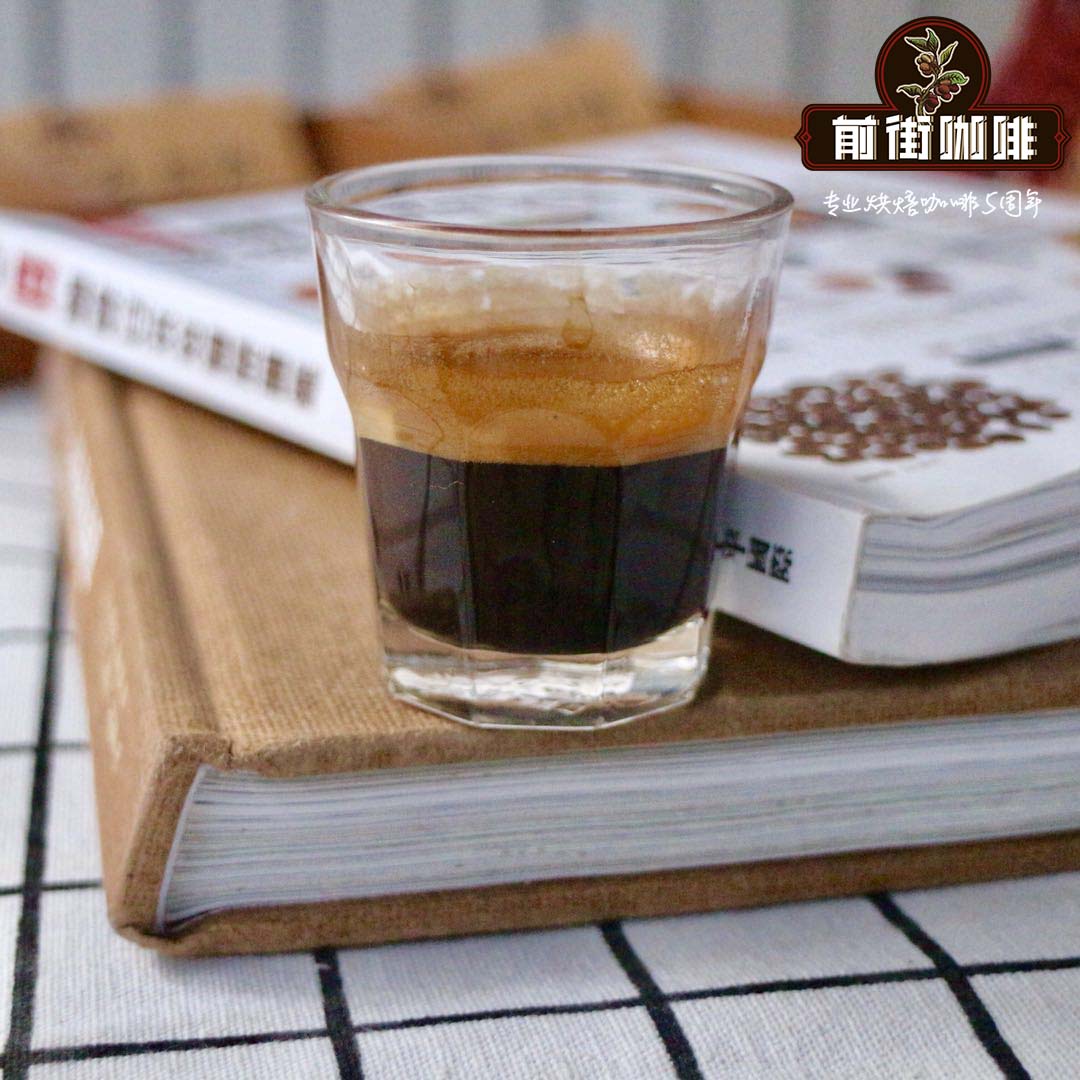
It turns out these beans are blends. Hand-roasting shops mix various uniquely flavored Robusta beans in proportion, along with some Arabica beans as the base, to create the shop's signature—a rich and mellow espresso. The intoxicating part is the plentiful coffee foam.
A closer look shows that the foam comes from the coffee's own oils. Those oils are the result of green beans being roasted at a high, constant temperature until the second crack becomes dense. Usually, when beans like this are dropped from the roaster to cool, they have a deep color but have not yet released their oils. Because the beans keep giving off heat, you slowly see specks of oily sheen appear on the surface as they cool.
Coffee like this diffuses a strong aroma, an intense and powerful fragrance that is hard to resist. Only heavily roasted beans can force out those oils, but the trade-off is shorter freshness and shelf life.
Italian espresso beans are at their best about five to seven days after roasting. After the seventh day, and by around ten days, the oils gradually transform and an unpleasant greasy smell begins to emerge. Extracted on an Italian espresso machine at nine pounds of steam pressure, the foam will fill eighty percent of the extraction cup. Drunk straight, the taste is unforgettable. Add coffee brown sugar to lift the flavor and it becomes a different experience again. I would suggest drinking more water alongside this coffee to dilute the extract in your stomach, and I do not recommend drinking it on an empty stomach.
FrontStreet Coffee Recommendation
Choosing Beans for Latte and Espresso
When it comes to lattes and other milk drinks, the bean choice sets the direction of the cup. Most espresso blends are roasted medium-dark so that the latte shows rich nut and chocolate notes with a full coffee flavor. FrontStreet Coffee's espresso blends are built for exactly this, and the FrontStreet Classic Blend is the first pick: it is designed for espresso machines and moka pots, and its greatest strength is outstanding crema, so even a beginner on a non-professional home machine can pull a dense, fine foam. Latte, cappuccino, and dirty all depend on good crema, and this blend hits the mark, with the traditional Mambo-style recipe giving a full, warm body that suits both newcomers and seasoned drinkers.
The FrontStreet Dark Cocoa Blend is the value-driven commercial option. Not everyone is chasing maximum crema, and for beginners or shop owners watching costs, "good taste, fair price" is what matters. This blend uses 100% Arabica beans, delivers plenty of crema and a full body, and keeps the price friendly—quality and value together, which makes it an easy, economical choice for a café.
If you like a fruitier milk coffee, the FrontStreet Strawberry Candy is a popular fruit-forward espresso blend that layers the natural flavors of Arabica beans from different origins into a vivid strawberry-gummy sweetness. It works just as well for everyday home drinking as it does for a café menu, and a single bag covers several brewing methods. For those who want a classic, the FrontStreet Fine Blend has been the house workhorse for close to ten years, combining Brazil Cerrado and Colombia Huila beans into the familiar espresso flavor people remember, while the FrontStreet Commercial Blend keeps costs down without losing body for high-volume service.
Important Notice :
FrontStreet Coffee is a long-established specialty coffee roaster in Guangzhou China, selling freshly roasted beans from its own farm in Yunnan as well as dozens of carefully selected single-origin beans from around the world for both pour-over and espresso. The products deliver consistently excellent quality and great value, with shipping within 24 hours. Guangzhou's FrontStreet Coffee shop is recommended by many coffee lovers, and the beans are now available online at the Tmall 。
FrontStreet Coffee has moved to a new address:
FrontStreet Coffee Address: 315,Donghua East Road,GuangZhou
Tel:020 38364473
 Scan and follow the En Gafei WeChat official account. Please indicate that the reprint comes from "En Gafei".