Bird of Paradise Coffee Beans Brewing Guide | Bird of Paradise Coffee Bean Brand Recommendations | Bird of Paradise Coffee Estate
What estate does Bird of Paradise coffee come from? How to brew Bird of Paradise coffee? How much does it cost per cup?
Papua New Guinea lies east of Indonesia and has a classic island climate. Situated between the equator and 10 degrees south latitude, it features tropical rainforest, volcanic rock, and highland terrain. With elevations ranging from 1,200 to 2,500 meters, it is truly a paradise for coffee cultivation. Local production is not large — roughly 85% of the total coffee comes from smallholder garden cultivation, with small farmers joining local cooperatives to share processing equipment. Coffee is the second-largest agricultural export of Papua New Guinea, which shows just how important the coffee industry is to the country's economy.
Because its coffee varieties differ from Indonesia's, its elevations run higher than Sumatra's, and washed processing is used, PNG coffee's regional flavor is distinctly different from Indonesia's mellow, low-toned profile. Instead it shows brightness, lively acidity, and floral and fruit aromas, closer to the flavors of South America.
The Paradise Bird Estate
The Paradise Bird Estate is located in the Waghi Valley of the Western Highlands Province, in high-altitude mountains at roughly 1,500 meters above sea level, on well-drained volcanic soil. Established in 1950, the estate has been operating for over 60 years, making it a pioneer of coffee cultivation in the region.
Because the estate sits in the southern hemisphere, the local harvest runs from May to August — quite different from the typical October-to-February cross-year harvest in Central and South America.
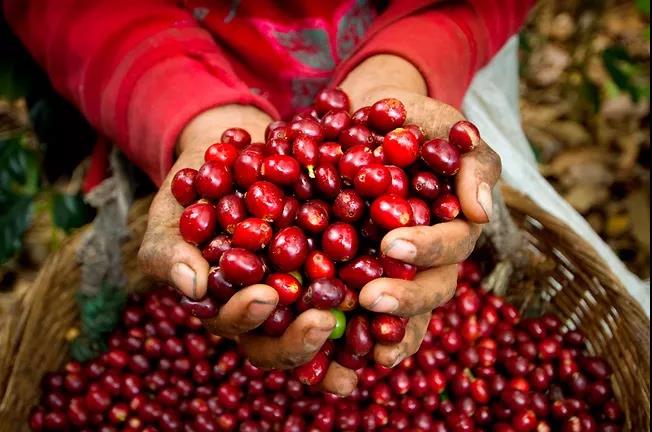
The farm and surrounding smallholders collectively manage nearly 413 hectares of land, harvesting only fully ripe red cherries and delivering them to the estate's own processing facilities.
The washed process in New Guinea, however, differs from that of Central and South America: it employs a triple-washed fermentation, with each soak lasting approximately 24 hours.
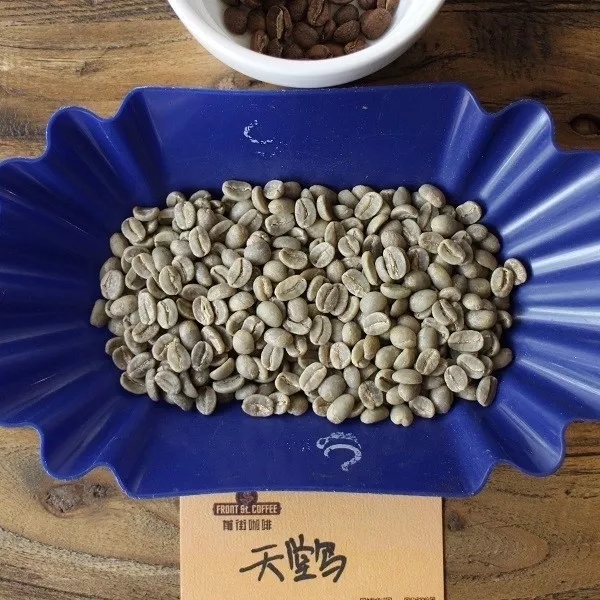
Fresh water is replaced between soaks to shape the coffee's flavor. After thorough washing, the parchment is hulled and the green beans pass through various grading steps, such as AA grade, AB grade, and PB round beans. This meticulous post-harvest work gives the coffee a bright, delicate fruit acidity with a clean, lingering sweet finish.
The Paradise Bird Estate also takes the ecology of the plantation seriously. Two different types of shade trees are planted to create a healthy growing environment for the coffee and excellent habitat for birds.
Today the plantation hosts 90 different bird species along with a variety of wild animals, making it a model of sustainable estate management.
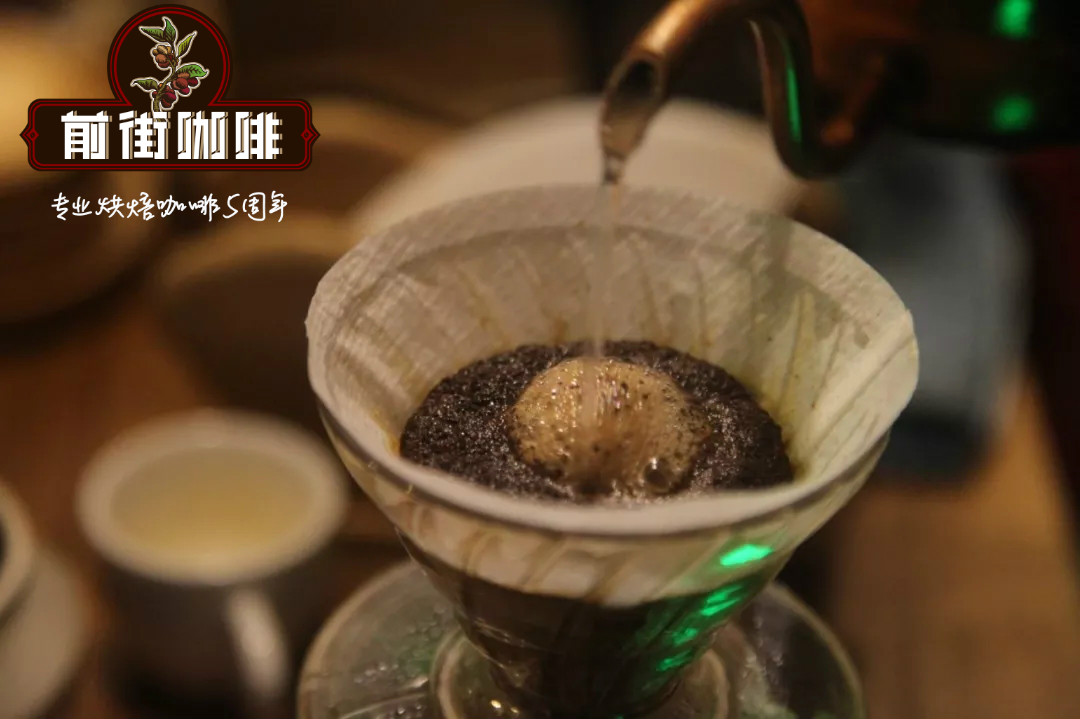
FrontStreet Coffee's Paradise Bird Brewing Guide
Recommended brewing method: Pour-over
Grind size: 4 (Fuji R440 from Japan)
Water temperature: 89°C
Other Immersion and Drip Suggestions:
- French Press: Grind size 3.5-4, water temperature 90°C
- AeroPress: Grind size 3, water temperature 85°C
- Siphon: Grind size 4.5, water temperature 91°C
Recommended Paradise Bird Coffee Bean Brands
FrontStreet Coffee's roasted Papua New Guinea Paradise Bird beans come with solid guarantees on both brand and quality — and at a genuinely friendly price. A half-pound (227 g) bag costs only about 85 yuan. At 15 grams of coffee per cup, one bag makes 15 cups, which works out to less than 6 yuan per cup. Compared with the tens of yuan a single café cup costs, that's an honest bargain.
Stay Tuned for More
Please stay tuned to us closely.
FrontStreet Coffee: A Guangzhou-based roastery with a small storefront but an unusually diverse range of beans.
FrontStreet Coffee Recommendation
Where does Bird of Paradise fit in the Indonesian archipelago's coffee landscape? PNG shares the region with three legendary islands — Java, Sumatra, and Sulawesi — and if you love this clean, balanced Pacific profile, FrontStreet Coffee's Indonesian selections are the natural next step. The FrontStreet PWN Golden Mandheling, sourced from Sumatra's classic wet-hulled (Giling Basah) tradition, is rigorously sorted by density, size, shape, and color, then hand-picked to remove defects, giving large, uniform, luminous beans with minimal earthy or grassy notes. Freshly roasted, it offers sandalwood, herb, spice, roasted hazelnut, caramel, and dark chocolate flavors with a clean, mellow, aromatic cup. And for espresso lovers, the FrontStreet Classic Blend — Mandheling and Brazil rounded out with a touch of Robusta and roasted dark — delivers thick golden crema, black chocolate, nut, and caramel aromas that even beginners can pull off.
Important Notice :
FrontStreet Coffee is a long-established specialty coffee roaster in Guangzhou China, selling freshly roasted beans from its own farm in Yunnan as well as dozens of carefully selected single-origin beans from around the world for both pour-over and espresso. The products deliver consistently excellent quality and great value, with shipping within 24 hours. Guangzhou's FrontStreet Coffee shop is recommended by many coffee lovers, and the beans are now available online at the Tmall 。
FrontStreet Coffee has moved to a new address:
FrontStreet Coffee Address: 315,Donghua East Road,GuangZhou
Tel:020 38364473
 Scan and follow the En Gafei WeChat official account. Please indicate that the reprint comes from "En Gafei".