Costa Rica Black Honey | Black Honey Process from Sumava Lourdes, Cup of Excellence Champion Estate
How to Brew Black Honey Processed Coffee Beans? Flavor and Taste Profile of Costa Rica Sumava Estate Black Honey Coffee
Costa Rica Sumava de Lourdes Black Honey
FrontStreet Coffee - Costa Rica Sumava Estate Caturra Black Honey Process
Region: West Valley
Estate: Finca Sumava de Lourdes
Variety: Caturra
Altitude: 1700 meters
Processing: Black honey process
Soil: Volcanic geology
Harvest: December to March of the following year
Flavor notes: Brown sugar, floral, citrus, pomelo, sweet spices, rich sweet texture
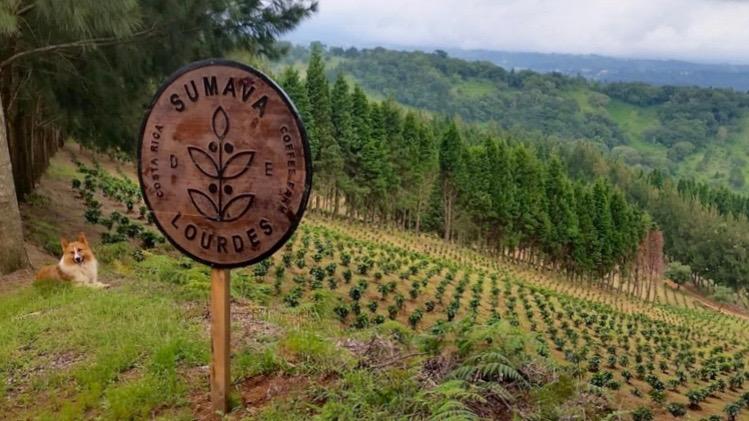
01 | Region Introduction
Coffee cultivation in Costa Rica began in 1779 with introduction from Cuba, and the first coffee exports took place in 1820. Today there are approximately 32,000 coffee farmers, each with an average cultivation area of less than one hectare (10,000 square meters). Costa Rica has a population of 4.1 million (2006 data), with coffee covering 82,500 hectares and producing 1.7 million bags annually (60kg per bag), while domestic consumption reaches 380,000 bags. Average annual consumption per person is 5.5kg, higher than Japan's 4kg and far above Taiwan's average of just over 1kg.
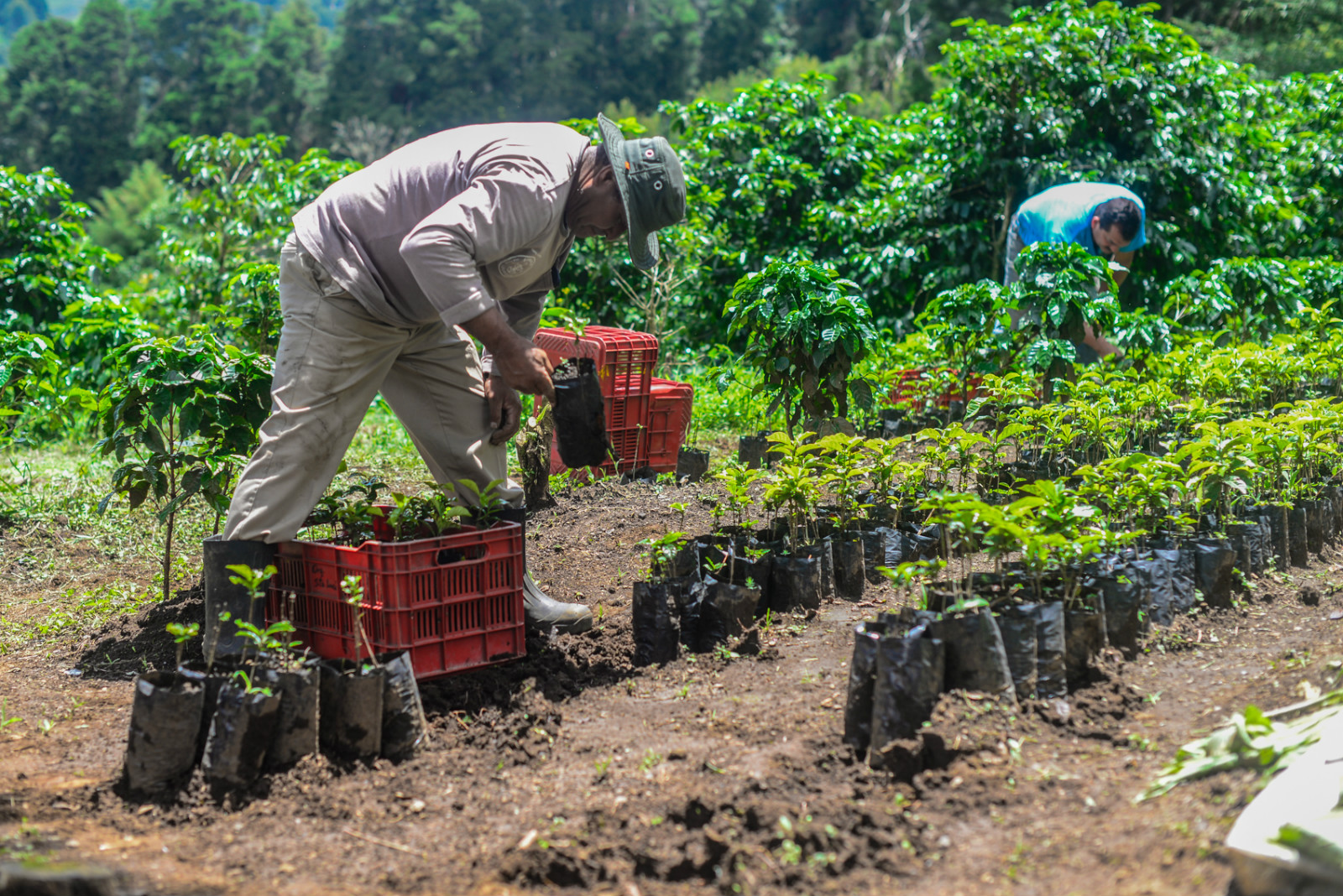
Costa Rica was the first country in Central America to cultivate coffee, with a long history and a complete system from production to sales. Located on the Central American isthmus, it has numerous volcanoes and the natural advantages of abundant sunlight and fertile land. The climate is moderated by Pacific and Atlantic currents and sea breezes, producing coffee with a distinct local microclimate and terroir. In both quality and quantity, Costa Rican coffee has consistently earned worldwide recognition and is rated among the world's high-quality coffees. Many towering volcanoes reach 2,000 meters, letting coffee cherries grow slowly in fertile volcanic-ash soil and a cool high-altitude environment, which cultivates beans with complete, rich flavors.
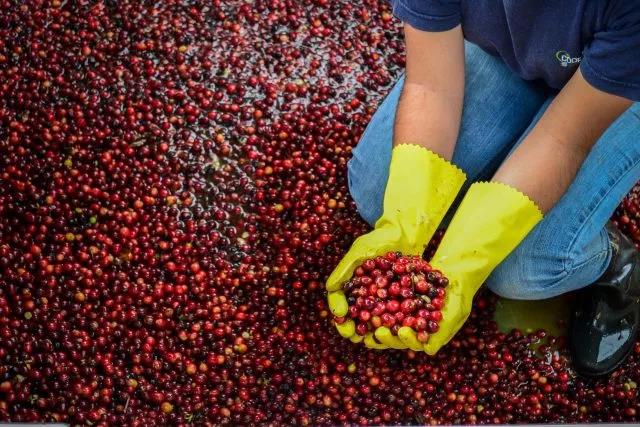
Coffee cultivation began in Costa Rica two hundred years ago, with the earliest growing sites on the slopes of the Poas and Barva volcanoes, now known as the Central Valley region. After years of development, Costa Rica has eight main producing regions: Guanacaste, West Valley, Central Valley, Turrialba, Orosi, Tres Rios, Tarrazu, and Brunca.
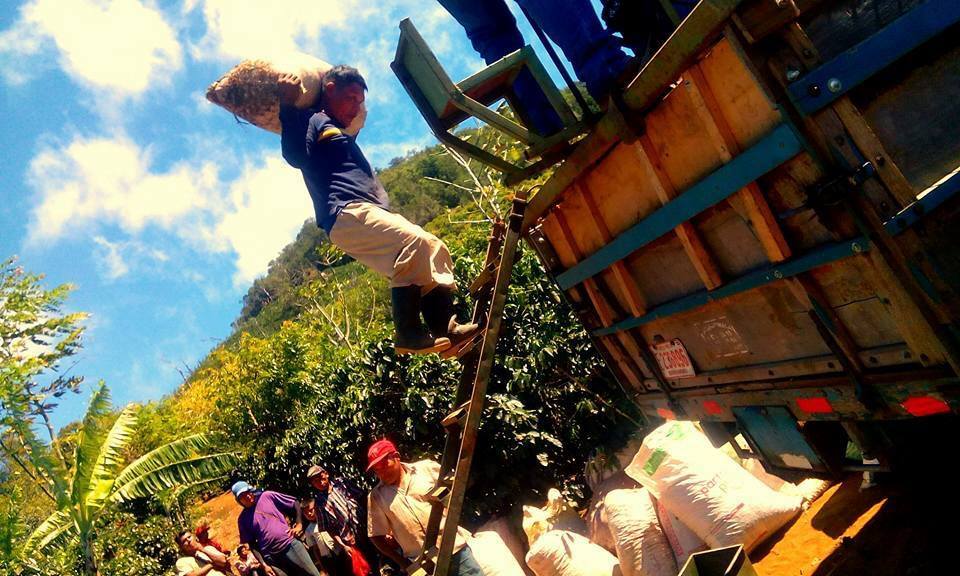
According to ICO statistics, Costa Rica produces approximately 1.6 million bags of Arabica coffee annually. Although volume is lower than Central American countries like Guatemala and Honduras, its quality and price are significantly higher.
Costa Rica has two seasons a year. The dry season runs from December to April, which is also the coffee harvest time, while the rainy season spans May to November. In recent years many micro-mills have been established, requiring only 5% of the water consumption of traditional washed mills and needing neither large water tanks nor drying patios, so the required investment is relatively small. Honey processed coffee, with lower acidity, increased complexity, and a rich sweet aroma, has become a sought-after target in the industry; the outstanding performers have shined in major competitions, greatly enhancing the international reputation of various estates.

Sumava Estate
Costa Rica has seven coffee producing regions, among which Tarrazu, Central Valley, and West Valley are the three most famous and highest quality. Sumava Estate (Finca Sumava de Lourdes) is located in the West Valley region, near the city of Naranjo, at an altitude of 1700 meters. The planted varieties include Villasarchi and Caturra covering 10 hectares, SL28 covering 2 hectares, and Geisha covering 1 hectare, among other varieties. The estate owner is Francisco Mena, with estate manager Jose Ordonez leading a full-time work team. In addition to cultivating diverse varieties, the estate keeps a large area of land as a forest conservation zone, providing natural habitat for wildlife, which makes it a premium coffee estate in Costa Rica.
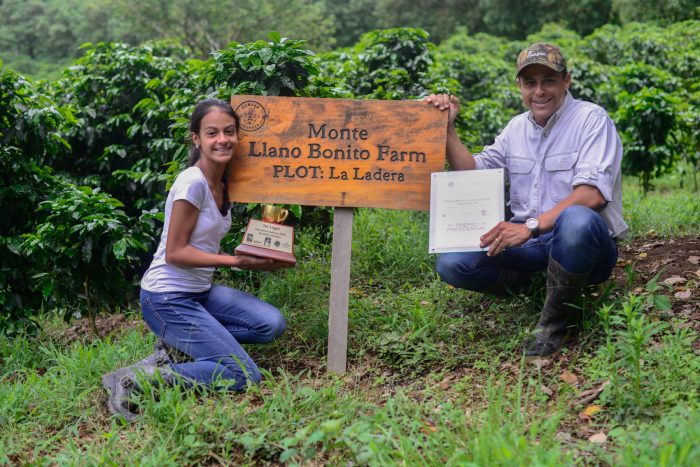
Sumava Estate is a relatively young estate. Francisco Mena, originally in the coffee trade, acquired the land and preserved most of the original forest, developing only a small portion as coffee area to maintain the estate's natural ecological balance.
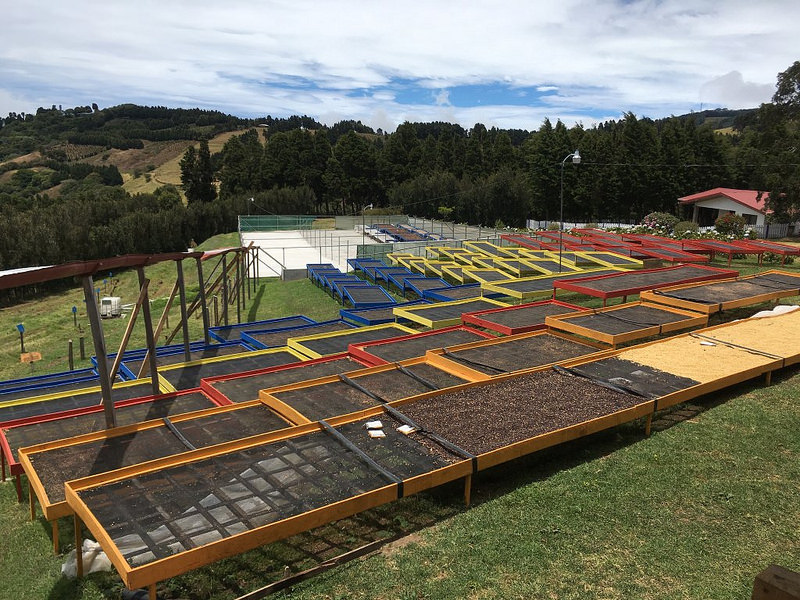

The altitude of Sumava Estate ranges between 1670-1790 meters, in West Valley, another renowned region of Costa Rica. The high temperature variation combined with fertile soil creates ideal conditions for coffee cultivation.
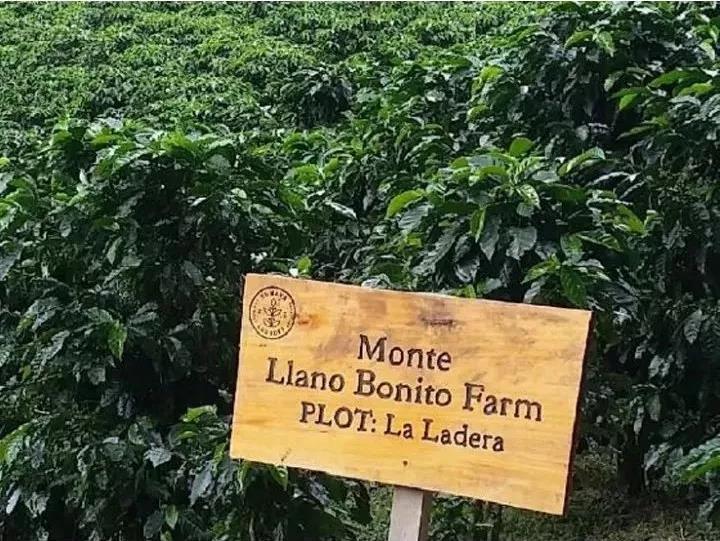
Estate owner Francisco Mena introduced high-quality varieties that ranked in the top 13 of the Cup of Excellence, including the Bourbon mutation variety Villa Sarchi. This is a rare variety cultivated through hybridization of Red Bourbon trees. It shows strong wind resistance, prefers high-altitude environments, and possesses excellent acidity with various fruity aromas. It has high sweetness, bright and delicate citrus acidity with deeper raisin and nutty notes, showing considerable complexity and excellent balance.
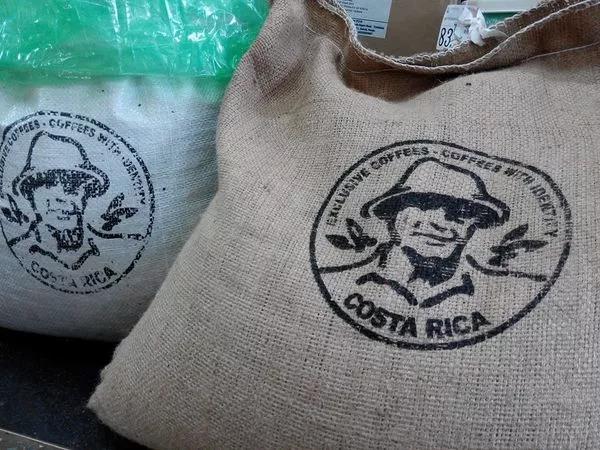
Most of the estate is left as forest to maintain the natural environment. Significant effort goes into estate management, avoiding the traditional burning of fallen trees, rotten wood, and weeds; instead, wood is shredded and mixed with organic fertilizer for use on the farm. From the El Chayote reserve in West Valley, in the fertile volcanic soils of Pos, facing Pacific convection and moisture combined with significant day-night temperature differences and an excellent microclimate, this small 1-kilometer radius area has produced four champion estates, a true testament to outstanding terroir and people.
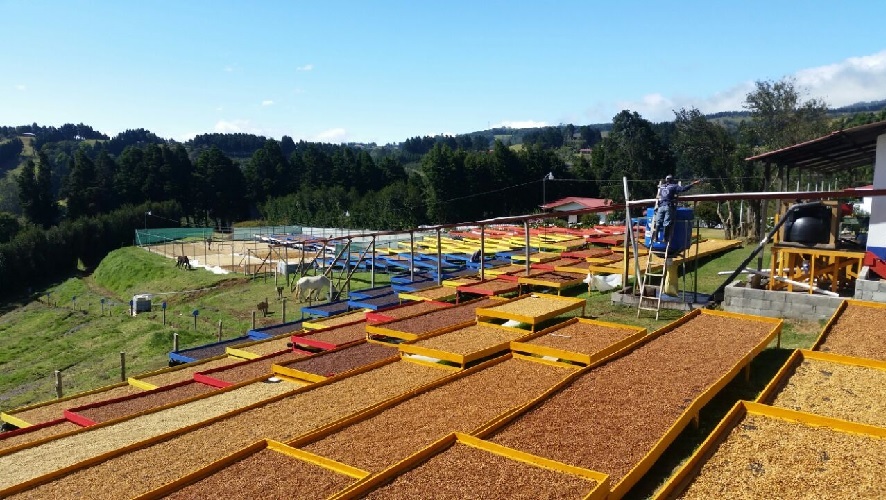
02 | Processing Method
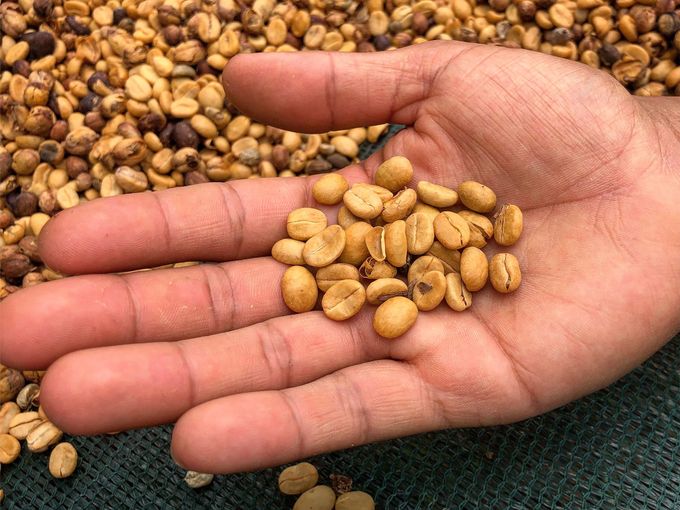
Honey Processing
The honey processing method, known as Honey Process or Miel Process, produces what is called Honey Coffee. Coffee estates in Costa Rica, Panama, Guatemala, and other regions have adopted it. Honey processing refers to producing green beans by sun-drying with the mucilage intact.
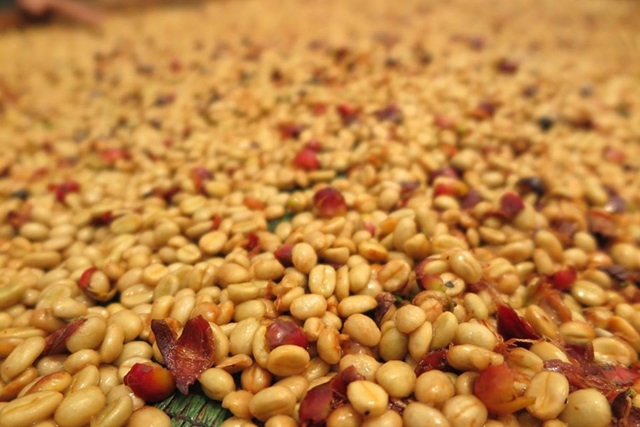
Estate owner Mena employs a unique sweet-juice honey method, which he calls the sweet sugar process. The juice extracted during cherry processing is used to soak the parchment beans. Because the cherry juice contains high sweetness and unique enzymes, the processed parchment beans hold richer flavors and more complex positive characteristics.
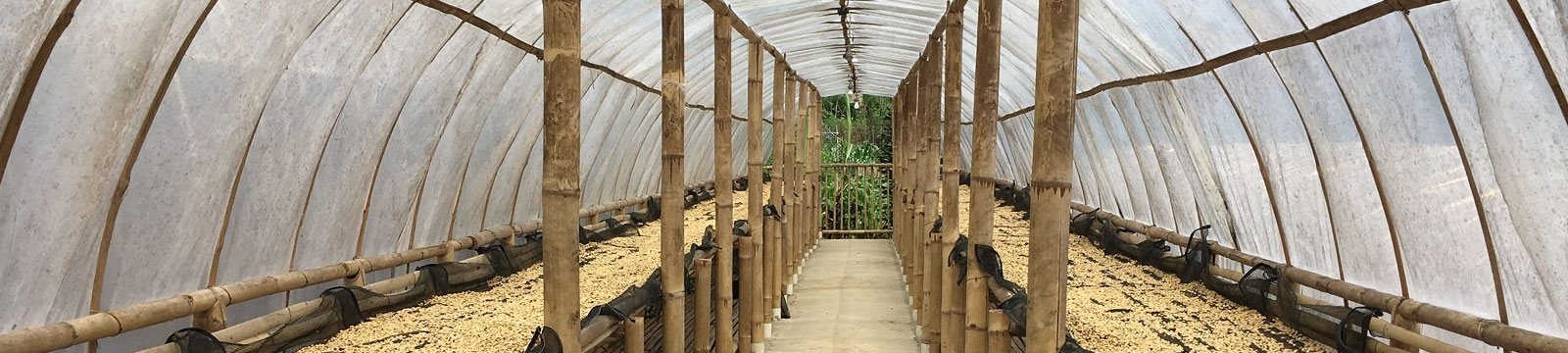
The typical harvest season runs from January to April each year. Because the estate temperature is only 10-20°C, there are often still ripe cherries waiting to be harvested in April. Simply put, processing methods that retain more mucilage result in richer final flavors and higher sweetness. Here is a comparison of several honey processing profiles:
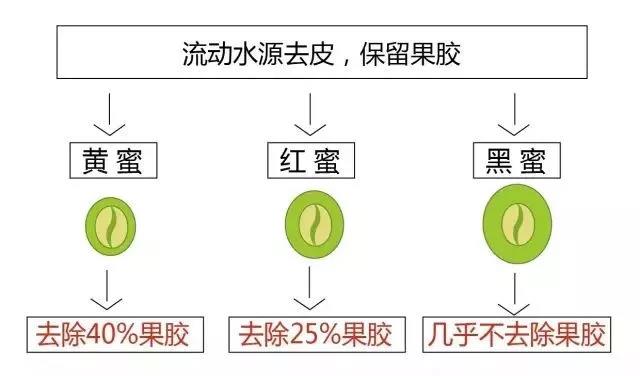
The mucilage portion is the part with the highest sugar content in coffee cherries and an important component of fermentation. It can be said to determine 80% of the nutritional supply during processing. Yellow honey retains 60% of the mucilage, red honey retains 75%, and black honey retains almost all of it.
03 | Green Bean Analysis

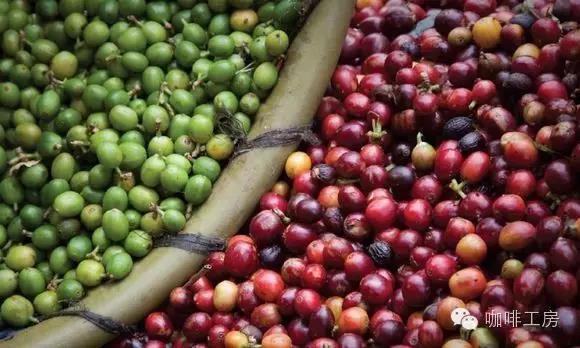
Caturra, varietal Caturra, Coffea arabica var. caturra.
First discovered in São Paulo state, Brazil in 1937, it is a natural mutation of Bourbon and is now widely cultivated in Brazil, Colombia, and other Central and South American regions.
04 | Roasting Analysis

Yangjia 800N roaster, 550g green beans input. Specific operation:
Heat the roaster to 200°C and load the beans with the damper at setting 3. After 1 minute of steaming, adjust the heat to 160°C, keeping the damper unchanged. When the temperature reaches 160°C, reduce the heat to 135°C. At 5'40", the temperature is 154.9°C, the bean surface turns yellow, the grassy smell disappears completely, and dehydration is complete, with the damper unchanged.
At the 9th minute, wrinkles and black spots appear on the bean surface, and the toast aroma clearly transitions to coffee aroma, which can be defined as the prelude to first crack. At this point, listen carefully for the sound of first crack. At 9'21", first crack begins; reduce the heat to 80°C and fully open the damper to 5 (adjust the heat very carefully, not so low that there is no cracking sound). At 193.4°C, discharge the beans.

Cupping Notes
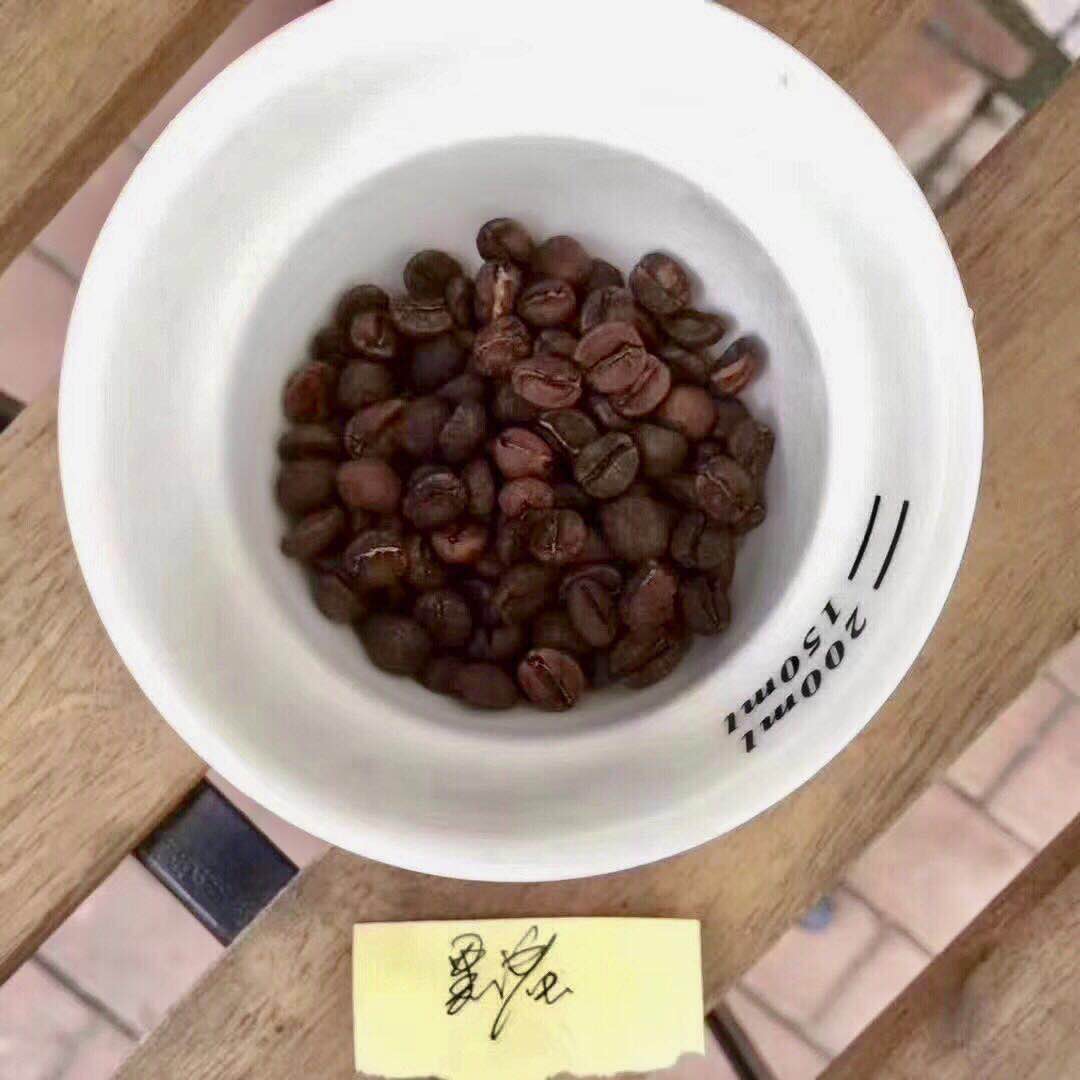
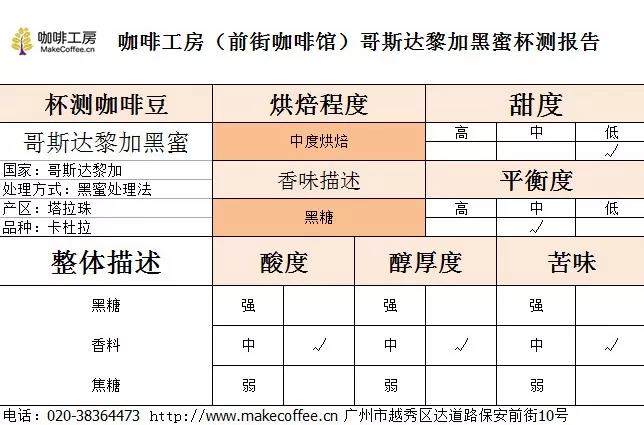
Flavor: Preserved plum, honey, brown sugar, orange blossom, white chocolate
Mouthfeel: Excellent sweetness, gentle fruit acidity, round and full-bodied, persistent aftertaste
05 | Brewing Analysis
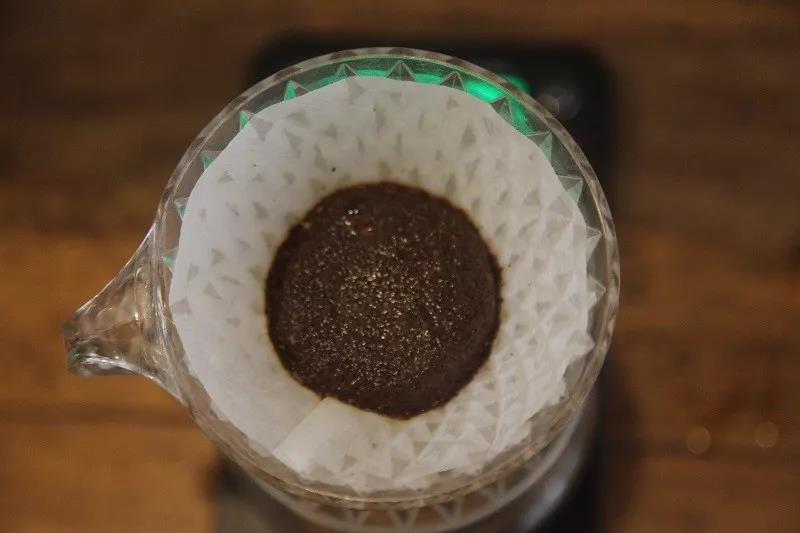
Pour Over Reference
Using a Key's dripper, 16g of coffee grounds to 32g of water, 30-second bloom. Extract with a water temperature of 89-90°C, a ratio of 1:15, and a medium-fine grind (Fuji grinder setting 3.5). For the second pour, add water to 110ml and pause. Wait for the water level to drop before slowly pouring again, maintaining an even speed and keeping the water level from getting too high. Add water again until reaching 233ml, then stop. Extraction time: 2:15. This yields a rich natural sweetness. Everyone can make fine adjustments to their own taste.
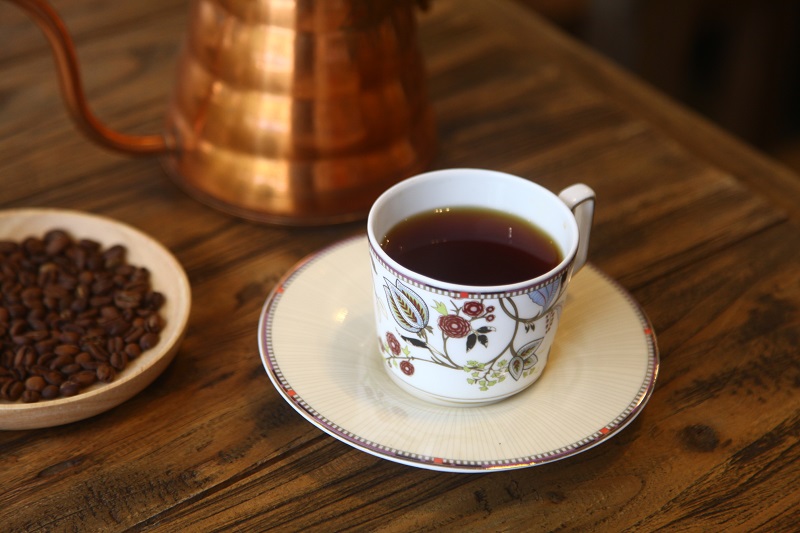
FrontStreet Coffee - Costa Rica Black Honey Process Catuai Tarrazu Region Sumava Estate Specialty Single Origin Coffee Beans

FrontStreet Coffee Recommendation
If black honey is your entry point to honey processing, FrontStreet's Costa Rica Blackberry takes the idea even further. Black honey removes almost none of the mucilage, so drying lasts at least two weeks under shade covers to keep strong sun from drying the cherries too fast and to let the sugars convert fully, with frequent turning to prevent uneven heat and over-fermentation. Medium-light roasted, it gives a bold floral aroma in the grounds and grape, berry, and ripe blackberry in the cup.
For a different honey expression, FrontStreet's Costa Rica Mozart uses a raisin honey method, an innovative twist on the classic yellow, red, and black honey styles. The cherries are pre-dried on raised beds for at least three days before the skin and pulp are removed and the honey steps continue. Keeping 100% of the mucilage makes it even more demanding than black honey. It brings a richer, warmer fruit sweetness, and whatever the brewer, whether pour-over, cold brew, or moka pot, you will find osmanthus, pineapple, and raisin aromas.
Our Strawberry Candy Geisha blend also draws on Costa Rican honey processing. It pairs Panama Geisha, which supplies the classic citrus-and-honey notes, with a Costa Rican coffee processed by the raisin honey method at 100% mucilage and zero water. The float-and-select step keeps only dense, ripe cherries, which are dried on raised beds for at least three days before depulping with the mucilage intact. The cup shows Geisha's floral tea character with grape and raisin, soft fruit acidity, an almond finish, and clear sweetness.
Important Notice :
FrontStreet Coffee is a long-established specialty coffee roaster in Guangzhou China, selling freshly roasted beans from its own farm in Yunnan as well as dozens of carefully selected single-origin beans from around the world for both pour-over and espresso. The products deliver consistently excellent quality and great value, with shipping within 24 hours. Guangzhou's FrontStreet Coffee shop is recommended by many coffee lovers, and the beans are now available online at the Tmall 。
FrontStreet Coffee has moved to a new address:
FrontStreet Coffee Address: 315,Donghua East Road,GuangZhou
Tel:020 38364473
 Scan and follow the En Gafei WeChat official account. Please indicate that the reprint comes from "En Gafei".