Bird of Paradise Coffee Estate Altitude_Brewing Tutorial for Bird of Paradise Coffee Beans_How Much Does Bird of Paradise Coffee Cost
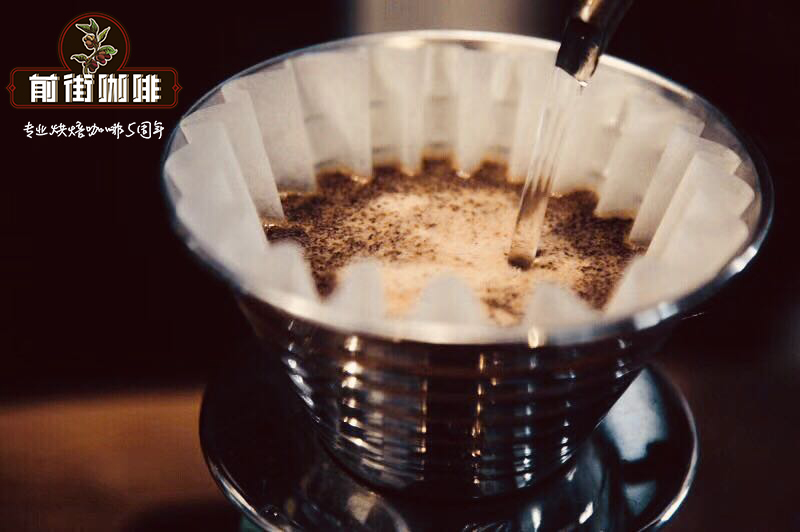
Today I'd like to share two everyday brewing methods for Bird of Paradise coffee beans.
Sigri/Plantation Estate
Sigri/Plantation Estate lies in the Waghi Valley of the Western Highlands Province, in high-altitude mountains at approximately 1,500 meters above sea level, on well-draining volcanic soil. The estate was established in 1950 and has been in operation for over 60 years, making it a pioneering coffee plantation in the region.
Because it sits in the Southern Hemisphere, the local harvest runs from May to August - unlike the October-to-February cross-year harvest typical of Central and South America. The farm and surrounding growers together manage nearly 413 hectares, harvesting only fully ripe red cherries and processing them at the estate's own facility. The wet processing used in Papua New Guinea differs from Central and South America's, though: it is a triple-wash fermentation in which each soak lasts approximately 24 hours, with the water replaced with fresh water to control the coffee's flavor. After washing, the outer layers are removed from the green beans and they pass through various grading steps such as AA, AB and PB round beans. This meticulous post-harvest handling gives the coffee a bright, delicate fruity acidity with a clean, long-lasting sweetness.
Sigri/Plantation Estate also takes ecological and environmental issues seriously. Two different types of shade trees are planted to provide both an excellent growing environment for the coffee and good habitat for birds. The plantation currently hosts 90 different bird species along with various wild animals, making it an excellent example of sustainable coffee plantation management.
FrontStreet Coffee's Bird of Paradise Coffee Bean Brewing Analysis

Recommended brewing method: pour-over
Grind size: 4 (Japanese Fuji R440)
Water temperature: 89°C
Other Drip Extraction Recommendations:
French Press: recommended grind size 3.5-4 / water temperature 90°C
AeroPress: recommended grind size 3, water temperature 85°C
Siphon: grind size 4.5, water temperature 91°C
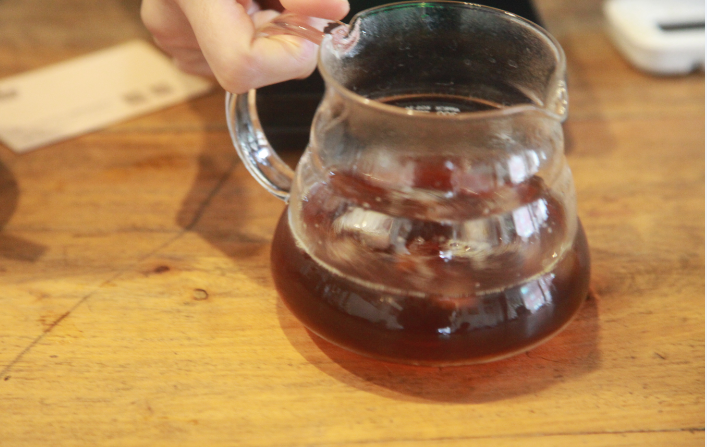
Cold Drip Papua New Guinea Bird of Paradise
Ingredients:
Papua New Guinea Bird of Paradise Grade PB Washed Coffee Beans 30g
Ice water (4°C) 685.5 cc
Equipment:
Manual coffee grinder
Cold drip brewer
Cold drip dedicated filter paper
Brewing Method:
Grind the coffee beans to a fine powder, pour into the filter cup, place the filter paper and set up with ice water. Extraction takes approximately 4 hours. Once extracted, the cold drip coffee should be refrigerated for 1-2 days so it can integrate, ferment and mature for a better flavor.
Taste Test:
Slightly fruity and sweet with a nutty flavor profile, no bitterness and a smooth texture.
Bird of Paradise Coffee Bean Brand Recommendation
FrontStreet Coffee's roasted Papua New Guinea Bird of Paradise beans offer excellent guarantees in both brand and quality. More importantly, they provide exceptional value: a 227g bag costs only about 85 RMB. At 15g of coffee per cup, one bag yields 15 cups, working out to less than 6 RMB per cup. That is a conscientious recommendation given cafe prices that often run tens of RMB a cup.
FrontStreet Coffee Recommendation
Bird of Paradise is a light, fruit-forward cup, and readers who enjoy that style will find plenty to like in FrontStreet Coffee's light-roast, floral-and-fruit lineup. FrontStreet Yirgacheffe Gidding is the classic entry point: citrus, berry and floral aromas over a green-tea finish, with the soft, bright acidity of ripe fruit rather than anything sharp. FrontStreet Ethiopia Huakui turns the fruit up much louder, with tropical aromas of strawberry, passion fruit, jackfruit and lychee, obvious sweetness, very low bitterness, and a smooth, juicy body that drinkers often describe as "the coffee that tastes least like coffee."
If you want a more structured, juicy acidity, FrontStreet Kenya Tomato is a washed Kenya single origin from the Sika region, grown at 1550-1750 meters from SL28 and SL34 and given a 72-hour double wash. It opens with sun-dried tomato and dark plum, backed by pear, black plum, yellow sugar and a light green-tea note - a balanced, highly recognizable cup that suits the same pour-over approach you would use for the Bird of Paradise.
Important Notice :
FrontStreet Coffee is a long-established specialty coffee roaster in Guangzhou China, selling freshly roasted beans from its own farm in Yunnan as well as dozens of carefully selected single-origin beans from around the world for both pour-over and espresso. The products deliver consistently excellent quality and great value, with shipping within 24 hours. Guangzhou's FrontStreet Coffee shop is recommended by many coffee lovers, and the beans are now available online at the Tmall 。
FrontStreet Coffee has moved to a new address:
FrontStreet Coffee Address: 315,Donghua East Road,GuangZhou
Tel:020 38364473
 Scan and follow the En Gafei WeChat official account. Please indicate that the reprint comes from "En Gafei".