What Does Papua New Guinea Coffee Represent - How Much Does Papua New Guinea Coffee Cost
The Rise of Papua New Guinea Coffee in the Specialty Coffee World
In recent years, Papua New Guinea coffee has begun representing Oceania in the world of specialty coffee with its unique, high-quality washed Arabica beans. Starbucks, for example, added a Papua New Guinea coffee bean to its lineup last year. Starbucks' PNG coffee comes with a hefty price tag, though, which makes it more practical to learn how to brew it at home. Papua New Guinea coffee is characterized by full-bodied beans, moderate acidity, and a mellow, aromatic taste.
The Origin and Growing Conditions
Papua New Guinea is an island nation in Oceania, where "Papua" means "curly hair" in Malay. It is said that in 1545, the explorer Retes reached the island and noticed that most of its inhabitants had curly hair, so he called it "the island of curly-haired people," and the name has stuck ever since. Located east of Indonesia, Papua New Guinea has a typical island climate, situated between the equator and 10 degrees south latitude. With tropical rainforest volcanic rock and plateau terrain, and elevations ranging from 1,200-2,500 meters, it is truly a paradise for coffee cultivation.
Unique Characteristics and Flavor Profile
Local production is not large, with approximately 85% of total coffee production coming from small farmers' garden cultivation systems. Small farmers join local cooperatives to share processing equipment. Coffee is the second-largest agricultural export product from Papua New Guinea, highlighting the importance of the coffee industry to the country's economy. Because of different coffee varieties than Indonesia, higher altitudes than Sumatra, and the use of washed processing, PNG coffee's regional characteristics are quite different from Indonesia's stuffy, heavy flavors—instead it features brightness, sweet-and-sour notes, and floral and fruit aromas, more like South American flavors.
Papua New Guinea boasts a pristine, natural environment with vast, fertile land. Its unique volcanic rock soil and abundant rainfall create excellent natural conditions for coffee growth. Papua New Guinea's Paradise Bird coffee beans are as beautiful and precious as the country's national bird, the bird of paradise.
Kimel Estate: A Unique Coffee Cooperative
Large plantations typically have their own washing stations, while smaller individual coffee farmers can better control output quality and flavor expression. Kimel Estate, located in the Western Highlands of Papua New Guinea near the Kimel River Valley, has its own dedicated washing station like many large farms and estates. In reality, though, it is an estate jointly owned by many independent small coffee farmers from the surrounding Opais people, making it, in a sense, a private cooperative. Thanks to excellent growing conditions and the processing plant's stable quality control, the coffee it produces has a lively brightness while preserving a considerable degree of Papua New Guinea coffee's unique flavor characteristics.
Varied Coffee Varieties and Risk Management
Another special aspect lies in the diversity of coffee varieties cultivated at Kimel—so many you can't count them on one hand: Typica, Arusha, Blue Mountain, Mundo Novo, Catimor, Caturra... and more. In fact, just as you don't put all your eggs in one basket, most farmers plant different varieties to avoid the risk of a particular variety not adapting well to growing conditions, which could lead to cultivation failure or production below expectations. This practice also creates interesting expressions of coffee flavor characteristics.
Tasting Notes and Applications
This Kimel Estate peaberry coffee offers slight spice notes on the palate, with sweet and refreshing flavors of nuts and sugarcane on entry, and a creamy, smooth mouthfeel. The peaberry's texture is more solid, with an overall balanced and smooth performance. The flavor is rich and the aroma pleasant, with no herbal or earthy notes. Its texture is as intense and mellow as Van Gogh's paintings.
Whether used for espresso or regular blended coffee, it can compensate for a lack of acidity in the coffee. And thanks to its rarity, it has been favored by more and more coffee enthusiasts in recent years.
Recommended Paradise Bird Coffee Bean Brands
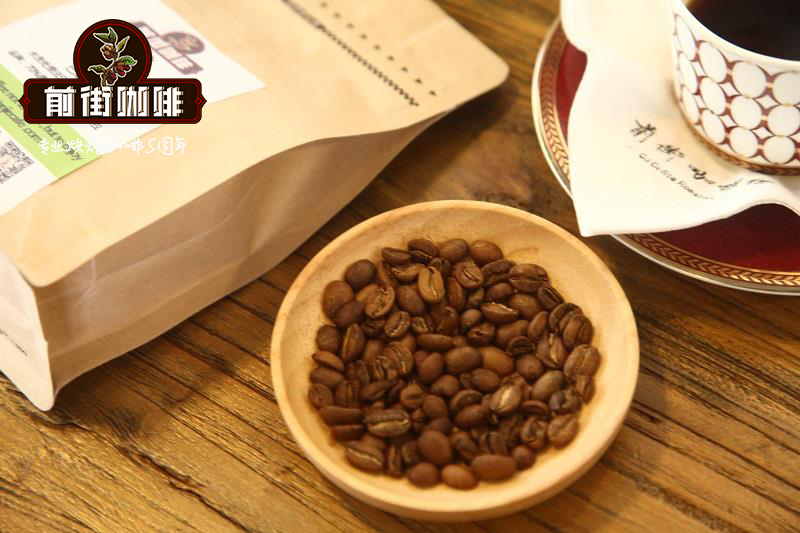
FrontStreet Coffee's roasted Papua New Guinea Paradise Bird coffee beans offer both brand and quality guarantees. More importantly, they offer excellent value, making this bright, clean washed coffee easy to enjoy as a daily cup.
FrontStreet Coffee Recommendation
PNG coffee's brighter, fruitier style sets it apart from its neighbors, and if you'd like to compare it with Indonesia's classic profile, FrontStreet Mandheling is a good place to start. It comes from the Lintong area near Lake Toba in Sumatra and is processed with the wet-hulled method, in which beans are hulled while still semi-dry and then dried fully exposed to the air—giving the coffee its signature herbal and spice notes. Roasted medium-dark, it is low in acidity and full-bodied, with caramel, dark chocolate, and toasted bread aromas and a long, sweet finish.
FrontStreet PWN Golden Mandheling is the premium expression. PWN buys high-quality Mandheling lots, and "Golden Mandheling" is its flagship. Production follows strict screening standards for bean density, size, shape, and color, with machine and hand sorting to remove defects, so the beans are complete, even, and large; fresh-roasted, it shows sandalwood, herbs, spice, roasted hazelnut, caramel, and dark chocolate, clean and rich.
If you want to build these into an espresso, FrontStreet Classic Blend follows the classic "Mamba" idea of pairing Mandheling with Brazil, adding a little Robusta and roasting deep to bring out dark chocolate, nut, and caramel with a rich golden crema—rich and mellow enough that even beginners can pull a proper shot.
Important Notice :
FrontStreet Coffee is a long-established specialty coffee roaster in Guangzhou China, selling freshly roasted beans from its own farm in Yunnan as well as dozens of carefully selected single-origin beans from around the world for both pour-over and espresso. The products deliver consistently excellent quality and great value, with shipping within 24 hours. Guangzhou's FrontStreet Coffee shop is recommended by many coffee lovers, and the beans are now available online at the Tmall 。
FrontStreet Coffee has moved to a new address:
FrontStreet Coffee Address: 315,Donghua East Road,GuangZhou
Tel:020 38364473
 Scan and follow the En Gafei WeChat official account. Please indicate that the reprint comes from "En Gafei".