A Guide to the Evolution of Indonesian Coffee Bean Varieties | How Much Does a Cup of Premium Indonesian Coffee Cost
Indonesia's coffee history, its island-by-island character, and the processing method that defines Sumatra.
Indonesian Coffee: A Rich History and Terroir
Indonesia is made up of over 17,000 islands scattered along the volcanic belt of the equator, with fertile soil throughout. Its famous growing regions include Sumatra in the west, Sulawesi in the center, and Java in the south. Coffee was introduced to Jakarta in 1696 by the Dutch Governor from Malabar, India, and local farmers were forced to cut back white rice production and switch to coffee. From 1850 onward, the Dutch East India Company expanded planting to other Indonesian islands. Today Indonesia is the world's fourth-largest coffee exporting country.
In 1876, a devastating rust disease nearly wiped out Arabica coffee in Indonesia. After that, farmers in the hard-hit lowlands of East Java began planting the highly disease-resistant Robusta variety. After independence, locals gradually resumed growing higher-quality Arabica, yet 80% of Indonesia's exports remain commercial-grade Robusta to this day. Interestingly, because the eastern islands of Timor and Flores were Portuguese territories at the time, the varieties planted there differed from those in Dutch territories and were less affected, so "heirloom" varieties traceable to the 16th century can still be found today.
Regional Characteristics and Processing Methods
The evolution of bean varieties in Indonesia mirrors the country's cultivation history, with each island developing a distinct reputation.
Sumatra coffee is best known as Mandheling. The name refers to neither a bean variety nor a growing region; it comes from a mistranslation of a tribal name, Mandailing. In the Gayo Highlands of Aceh province, as well as the Lintong growing area around the northern volcanic Lake Toba, Mandheling is widely produced. Names like "Green Treasure" and "Blue Eye" add further color to its identity. Sumatran coffee generally has a smooth taste, dense body, and low acidity, with notes of earth, cedar, pipe tobacco, and cocoa.
Sulawesi Island has existed for over 100 million years, so its soil holds richer mineral content than other Indonesian islands, producing coffee with brighter flavors. Production near Mount Tana Toraja is especially famous, carrying slight spicy notes that include pepper, cinnamon, and nuts.
Challenges in Coffee Processing
The evolution of bean varieties reflects Indonesia's cultivation history, and so does the way its coffee is processed. Indonesian beans often show many defects, and the primary cause is improper processing. Farmers in Africa and Central America keep beans protected inside their parchment until dehulling before export, whether the coffee is washed or natural. Indonesia's popular wet hulling method, known locally as Giling Basah, instead removes the parchment immediately after the mucilage is washed off, without waiting for proper drying. The still-wet beans can have a moisture content as high as 50%. Middlemen collect beans from various sources and dry them under uncontrolled conditions. Sun-drying causes a loss of organic acids, while drying on muddy ground can let the beans absorb muddy flavors and contaminants. The root of the problem is farmers seeking quick profit while lacking proper knowledge.
Recommended Indonesian Coffee Brands
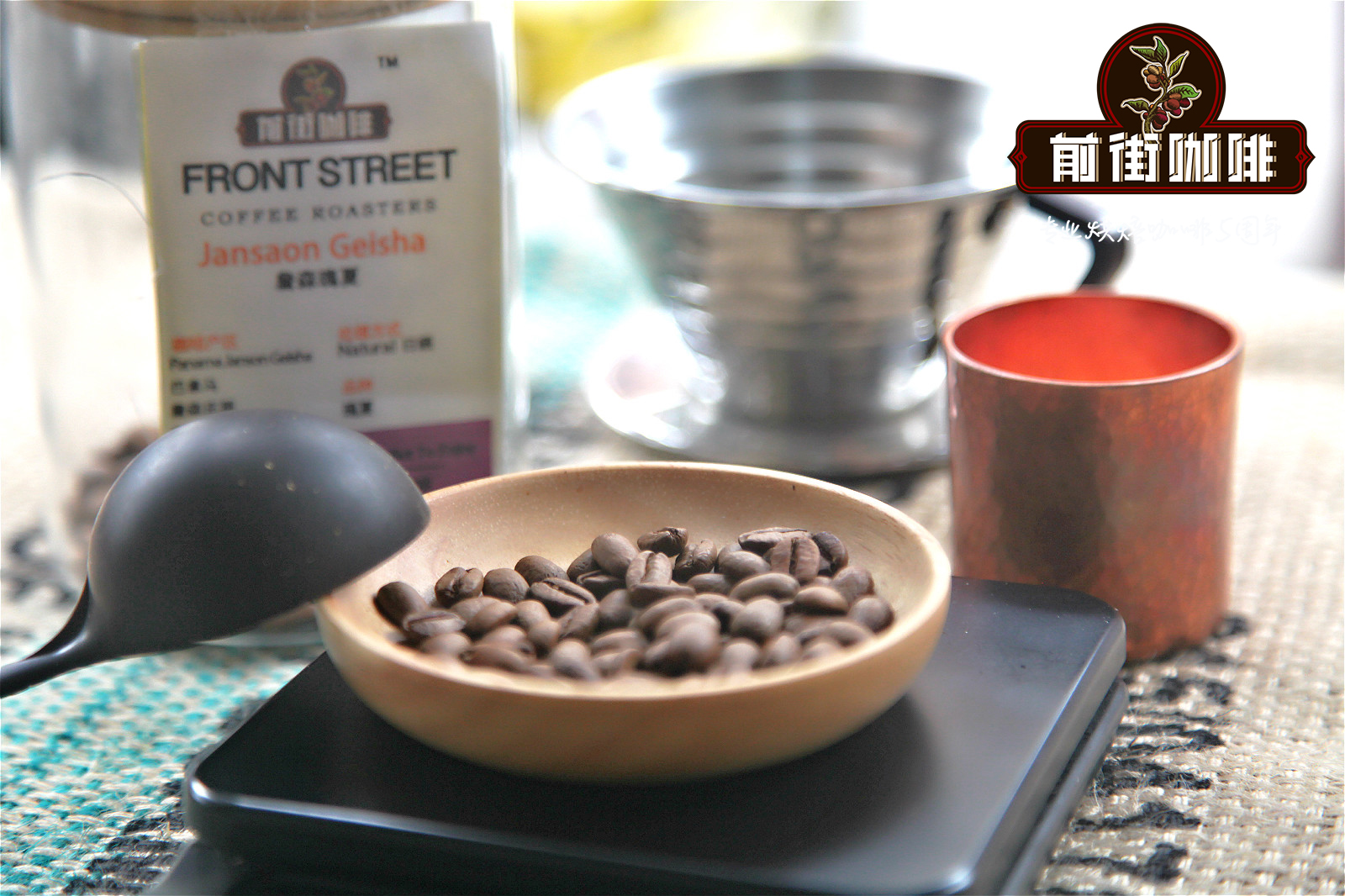
FrontStreet Coffee's Indonesian honey-processed coffee beans from West Java carry strong assurance in both brand and quality. A 227-gram bag makes about 15 cups at 15 grams per cup, which keeps the cost per cup well below the prices charged in most cafes, making it a sensible everyday option for drinkers who want Indonesian coffee without the usual defect risk.
More to Explore
Indonesia's range runs from the earthy, full-bodied coffees of Sumatra to the brighter, spicier cups of Sulawesi and the honey-processed lots of West Java.
Exploring them side by side is the surest way to see how much processing and geography shape the final cup.
FrontStreet Coffee Recommendation
No discussion of Indonesian coffee can avoid Mandheling, and the reference point is FrontStreet Coffee's PWN Golden Mandheling. It comes from PWN in Indonesia, a company that buys only premium Mandheling green beans and applies unusually strict standards: beans must be 18 mesh or larger, and each 300-gram sample must contain fewer than 3 defective beans to meet the G1 standard, after which three rounds of hand sorting remove every remaining defect. That work is what raises the cup's cleanliness and the strength of its sweetness, and it produces the low-acidity, heavy-bodied, herbal and dark chocolate profile Mandheling is known for, with a faint earthy note layered through it. PWN Golden Mandheling is mostly supplied to the Japanese and American markets, so the volume reaching other buyers each year is genuinely limited. Alongside it, FrontStreet's Lintong Mandheling comes from the Lake Toba area of the Lintong growing region and is roasted medium-dark to keep the classic dusty, earthy, herbal character while adding black chocolate, caramel, and toast.
Because Mandheling carries so much body, it also anchors several FrontStreet blends. The Classic Blend adds medium-dark Mandheling to Brazil's creamy, nutty base, which lifts the overall richness and brings sandalwood, herbal, and spice notes, with a small amount of Robusta added to boost the crema for lattes and layered drinks. The PWN Golden Mandheling is also excellent as a pour-over: FrontStreet suggests 87-88°C water, 15 grams of coffee, a 1:15 ratio, and a coarse-sugar grind, poured in three stages of 30ml to bloom, then 100ml, then a gentle 95ml center pour, which brings out the full body along with caramel sweetness and notes of chocolate and nuts. Whether you drink it black or build a milk drink on top, Indonesian coffee rewards understanding how it was processed, and these lots show what careful wet hulling can achieve.
Important Notice :
FrontStreet Coffee is a long-established specialty coffee roaster in Guangzhou China, selling freshly roasted beans from its own farm in Yunnan as well as dozens of carefully selected single-origin beans from around the world for both pour-over and espresso. The products deliver consistently excellent quality and great value, with shipping within 24 hours. Guangzhou's FrontStreet Coffee shop is recommended by many coffee lovers, and the beans are now available online at the Tmall 。
FrontStreet Coffee has moved to a new address:
FrontStreet Coffee Address: 315,Donghua East Road,GuangZhou
Tel:020 38364473
 Scan and follow the En Gafei WeChat official account. Please indicate that the reprint comes from "En Gafei".