Three Ways to Brew Panama Geisha Iced Coffee | Affordable Geisha Coffee with Exceptional Flavor
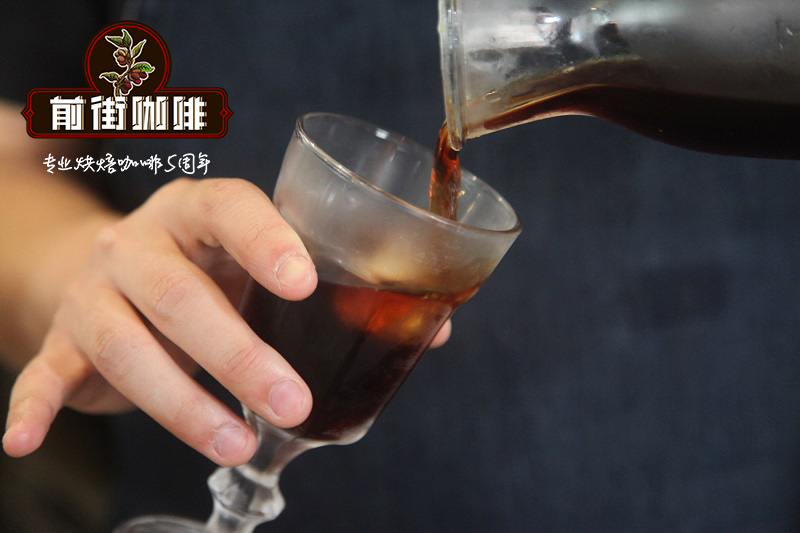
The three iced coffees you run into most often—cold drip, Japanese-style flash-chilled pour-over, and cold brew—look deceptively similar. In practice they produce very different cups. Here is how each one works, and how to brew all three at home.
Cold Drip Coffee
Origins
Cold drip was invented as a way to extend coffee's shelf life by extracting it with cold water instead of hot. The idea is simple: room-temperature or iced water drips slowly through a bed of grounds over a long period, typically 6-8 hours.
The Setup
A cold drip tower has three chambers: an upper vessel holding ice water, a middle chamber with the coffee grounds, and a lower carafe that collects the finished coffee. Some towers add a decorative serpentine glass tube so the amber coffee winds its way down before settling.
The Extraction Principle
Cold water pulls out far fewer bitter compounds than hot water. Over such a long extraction at a low flow rate, the grounds become fully saturated, releasing small-molecule compounds like floral aromatics and fruit acidity, while large-molecule flavors—smoke, roastiness—mostly stay behind. The result is a smoother body, a more fragrant aroma, and noticeably more sweetness.
Choosing Beans
Because the method is so gentle, pick beans with assertive flavor profiles—Kenya, Yirgacheffe, Sidamo Guji, anything packed with florals and fruit. These produce cold drip with real character.
The Brewing Process
Here is how to make a full batch using 30g of Sidamo Guji and 30g of Panama Mariposa.
1. Coffee-to-Water Ratio
Use a ratio of beans to water to ice of 1:5:5.
For hot brewing we usually aim for 1:10 to 1:12, which keeps the cup balanced. For cold drip you can brew on the strong side, since melting ice will dilute it later. A concentrated brew that stays pleasantly drinkable as the ice melts also brings out a silkier, more refreshing texture.
2. Grind Size
Cold drip is forgiving on grind size. As a rule of thumb, grind slightly finer than you would for pour-over, then adjust the drip rate to match your grind.
3. Leveling the Bed
Tap the filter chamber gently to settle the grounds evenly, then level the surface with a flat tamper. Press lightly—this is not espresso. Tamping hard traps water in the bed and stops the coffee from draining. Because a cold drip tower has a solid filter disc at the bottom rather than the vented channels of a pour-over dripper, gases cannot escape easily once the bed is saturated; without light leveling, the incoming water would float the grounds and channel unevenly through the bed.
Adding a Round Filter Paper
Place a piece of filter paper on top of the grounds. Its surface tension spreads each drip evenly across the bed for uniform extraction. Without it, hours of dripping carves a pit straight through the bed—bad to look at, and worse for extraction, since the water tunnels through without touching the upper grounds, leaving them under-extracted.
4. Pre-Infusion (Ice and Water at 1:1)
A pre-infusion plays the same role as the bloom in pour-over: it improves extraction efficiency and consistency. Dripping straight onto dry grounds risks uneven saturation—some grounds over-extracted, others never touched.
5. Drip Rate
Set the drip rate to about 7 drops per 10 seconds and let it run for 6-8 hours. This long, cold extraction ensures complete saturation and leaves bitterness and tannic acidity behind, producing a rich, smooth coffee that is neither sour nor harsh on the stomach. We recommend refrigerating the finished coffee for 1-2 days to let it mature; the flavors of different beans blend together into something mellower and rounder. A natural Guji blended with a wine-process Hartman, for instance, gives deep fermented wine notes with a touch of fruit acidity—ideal if you like bold flavors.
If you prefer nut, cocoa, and dark chocolate notes, blend Colombian Cauca, Tiger Mandheling, and Brazil Queen instead, and give it 3-4 days of refrigerated aging. After 4 days, though, the flavors start to fade and the coffee turns flat.
Japanese-Style Iced Pour-Over
The Principle
Think of it as iced pour-over with a few key tweaks. You raise the water temperature slightly, grind finer than usual, and increase the ratio so that you extract the bright front- and mid-section flavors quickly, then catch the coffee on ice to flash-chill it.
How to Brew Iced Pour-Over
1. Choosing Beans
Go for light-to-medium roasts with fresh, lively profiles: washed Yirgacheffe, Sidamo Guji, Kenya Asali, Mariposa, West Java—any bean built on fruit acidity and aromatics. Dose 18g of coffee over 100g of ice. Pre-rinse and dry the filter paper and dripper; no need to preheat cups or the server.
2. Temperature and Grind Size
Use 91-92°C water—about 1-2 degrees hotter than a regular pour-over—and a finer grind, around 3 notches on the Small Fuji grinder.
Why Hotter Water and a Finer Grind?
Iced pour-over runs a 1:8 ratio with roughly 2 minutes of extraction, targeting the floral and acidic compounds in the front and middle of the flavor curve while leaving the late-section compounds mostly in the grounds. Overall extraction is lower than a normal pour-over, so hotter water and a finer grind compensate.
3. The Technique
Bloom with 30g of water for 40 seconds, giving the bed a gentle stir with a small spoon so the grounds wet evenly and degas freely. Then pour in a thin, steady stream from a moderate height, spiraling slowly up to 160g, and stop.
The finer grind means slower drainage, but with the 1:8 ratio there is no danger of over-extraction. You pull the front-section fruit acids and florals first; the late bitterness barely registers, so the cup stays bright and fresh overall. Once the coffee has drained, swirl the server to mix. About half the ice will have melted by then, and the rest keeps chilling the drink as it slowly dilutes it. The flavor weakens as the ice melts completely, so drink it before then.
Cold Brew Coffee
Cold brew steeps overnight—up to 12 hours. Compared with hot-brewed coffee, it combines a fuller coffee flavor with far less bitterness. It sounds like a project, but it is the simplest of the three: steep the grounds in cold water overnight in the refrigerator, then filter. Done.
The principle is the same as cold drip—long, cold extraction that dissolves only small-molecule compounds like fruit acids and florals, giving an aromatic, silky cup that shows off a coffee's clean original character.
How to Make Cold Brew at Home
1. Grind Size and Ratio
A regular pour-over grind works fine; the long, cold extraction is forgiving. If your grind runs coarse, simply steep a little longer. Start with 20g of coffee at a ratio of about 1:10.
2. Water Temperature
Use ice water at 0-5°C. Warmer water in the 10-20°C range extracts more compounds faster and shifts the flavor—warmer molecules move faster, after all. Add the grounds, stir well, and refrigerate.
3. Steeping Time
Steep for 12 hours. Too short, and the coffee tastes thin; too long, and fermentation notes creep in—though some people enjoy those, it takes patience. After straining, the concentrate keeps in the refrigerator for up to 5 days, and resting builds layered aromatic complexity. We generally recommend chilling finished cold brew for 1-3 days before drinking for the best flavor.
4. Filtering
Hang a drip filter bag over the rim of the pitcher, or pour the finished brew through a V60 filter paper to separate the grounds. Once it has fully drained, enjoy.
Comparing the Three
Cold brew tastes brighter, fresher, and cleaner, while cold drip shows more obvious fermentation notes. Why? Cold brew ferments for only the 12 hours it steeps, whereas cold drip starts aerobic fermentation during the 6-8 hour drip itself, then gets another 24-36 hours of refrigerated rest. That extra maturation is what builds the wine-like aroma.
That's the whole picture for cold drip, Japanese iced pour-over, and cold brew. Each style has its own personality, and all three are easy to make at home—give one a try.
FrontStreet Coffee Recommendation
FrontStreet Coffee's roasted Mariposa coffee beans are a dependable choice for iced coffee in both quality and value. A half-pound (227g) bag costs only about 85 yuan; at 15g per cup, one bag brews 15 cups for less than 5 yuan each—a fraction of a café price.
For the cold brew and flash-chilled methods, FrontStreet's washed Yirgacheffe everyday bean is another excellent pick: grown at 1,700-2,100 meters in the Yirgacheffe region, it offers white jasmine florals, bright citrus and lemon acidity, and a tea-like finish—exactly the clean, floral cup that low-temperature brewing shows off best.
Important Notice :
FrontStreet Coffee is a long-established specialty coffee roaster in Guangzhou China, selling freshly roasted beans from its own farm in Yunnan as well as dozens of carefully selected single-origin beans from around the world for both pour-over and espresso. The products deliver consistently excellent quality and great value, with shipping within 24 hours. Guangzhou's FrontStreet Coffee shop is recommended by many coffee lovers, and the beans are now available online at the Tmall 。
FrontStreet Coffee has moved to a new address:
FrontStreet Coffee Address: 315,Donghua East Road,GuangZhou
Tel:020 38364473
 Scan and follow the En Gafei WeChat official account. Please indicate that the reprint comes from "En Gafei".