Latin American Coffee Varieties and Flavor Characteristics Latin American Coffee Price List 2020
FrontStreet Coffee believes that every coffee enthusiast has, at some point, tasted coffee from Latin America. Today, FrontStreet Coffee focuses on the growing regions and characteristics of Latin American coffee to offer you an educational overview.
Geographical Overview of Latin America
Latin America refers to the American regions south of the United States, the continent lying between 32°42' north latitude and 56°54' south latitude.
So how did coffee reach Latin America? FrontStreet Coffee is here to tell you!
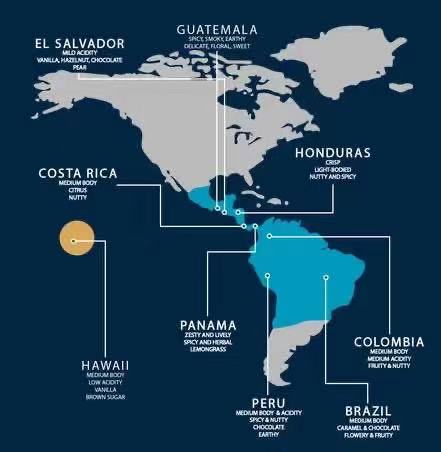
According to FrontStreet Coffee's understanding, in the 17th century coffee cultivation and production were monopolized by Arabs, making coffee extremely valuable in Europe, where only the upper class could enjoy it. Not until 1690 did a Dutch captain sail to Yemen, obtain several coffee seedlings, and successfully plant them in the Dutch East Indies (now Indonesia). In 1727, the wife of a diplomat from Dutch Guiana gave several coffee seeds to a Spaniard stationed in Brazil. Brazil's climate suited coffee perfectly, and his first attempts at cultivation succeeded brilliantly. From then on, coffee spread rapidly across Latin America, and eventually mass production drove prices down until coffee became a daily beverage for Europeans.
Coffee is cultivated widely throughout Latin America, and Brazil's production ranks first in the world.
Flavor Characteristics of Latin American Coffee
Latin American coffee beans are known for balance and body. FrontStreet Coffee believes that unlike the herbal richness of Asian origins (such as FrontStreet Coffee's Yunnan small-grain coffee), Latin American beans typically present flavors of cocoa and dark chocolate.
Processing method does somewhat affect flavor, but the main profile stays the same. Latin American beans are predominantly washed-fermented, while Brazil mostly uses the semi-dry (pulped natural) method, yielding relatively large, complete beans.
Next, FrontStreet Coffee introduces the characteristics of coffee from different Latin American countries and regions!
Regional Divisions and Geography
Latin America includes four parts, with a total of 33 countries and several non-independent regions: Mexico, Central America, South America, and the West Indies. The terrain is complex. Mexico is essentially a grassland plateau - the Mexican Plateau. Central America is mountainous, as are the West Indies. Along South America's Pacific coast rise the Andes; east of them, plains and plateaus alternate from north to south: the Orinoco Plain, Guiana Highlands, Amazon Plain, Brazilian Plateau, La Plata Plain, and Patagonia Plateau. The climate is humid - the most humid continent on earth - making it highly suitable for coffee cultivation.
Latin American coffee selection generally relies on manual sorting, based mainly on the fullness and uniformity of the beans, which are then graded. Full, uniform beans keep better.
FrontStreet Coffee also believes that only the fullest, most uniform beans can be roasted into a coffee that truly represents its region's highest quality. The varieties grown in Latin America are mainly Bourbon, Caturra, Mundo Novo, and Typica, with some production of giant Maragogipe beans as well.
Next, FrontStreet Coffee must introduce the most representative coffees of Latin America, country by country and region by region!
Guatemala
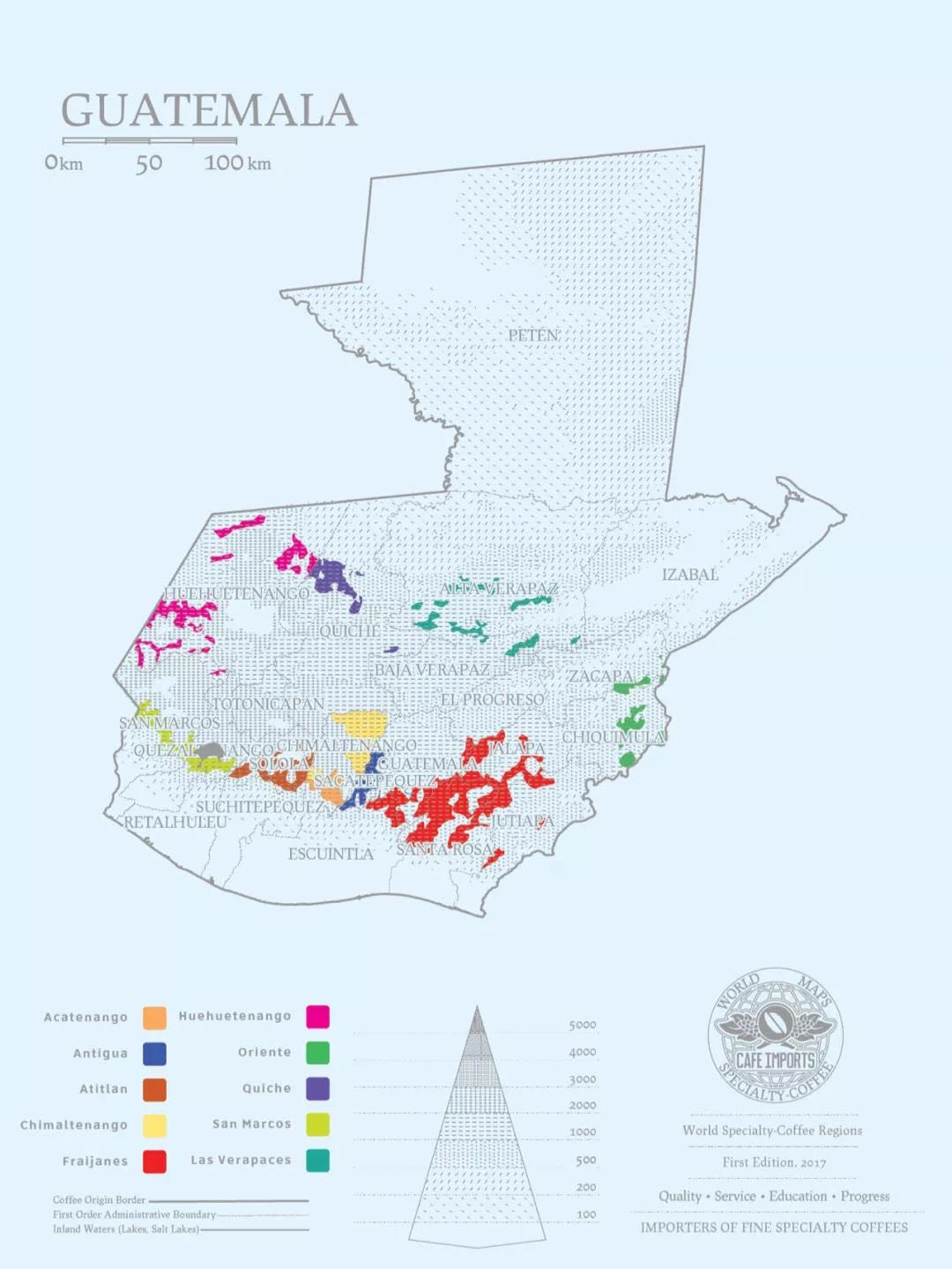
Guatemala lies on the Central American isthmus, its landscape of high mountains and plateaus formed by volcanoes. Thanks to the high altitude, it produces high-quality strictly hard bean (SHB) coffee, and it is the world's 9th largest coffee producer. Guatemala's main growing regions include seven major zones: Antigua, Huehuetenango, Atitlan, Coban, Fraijanes, Acatenango, and others. All Guatemalan coffee is Arabica, grown in highland terrain under subtropical conditions with abundant, stable rainfall and fertile volcanic-ash soil - ideal natural conditions nationwide.
The Antigua valley is surrounded by three volcanoes: Agua, Fuego, and Acatenango. Volcanic ash from eruptions has enriched Antigua's soil with minerals; volcanic pumice retains moisture, offsetting the region's low rainfall; and dense shade trees prevent the occasional frost. The coffee cherries of this region therefore carry a rich wet aroma, good balance, high sweetness, and delicate body.
FrontStreet Coffee Guatemala Huehuetenango
Country: Guatemala
Region: Huehuetenango
Altitude: 1500-2000m
Varieties: Bourbon, Caturra, Catuai
Processing: Washed
Flavor: Citrus, berries, nuts, fruit tea
Huehuetenango sits in Guatemala's northwestern highlands and is famous for excellent beans. FrontStreet Coffee finds its coffee rich in fruit notes with balanced acidity and sweetness.
As basic geography and meteorology tell us, coffee grows more slowly at higher altitudes, which favors the accumulation of nutrients. But if the altitude is too high, frost from low temperatures can strike the trees - or kill them outright.
Yet in Huehuetenango, even at altitudes of nearly 2000m, frost rarely occurs. Instead, the high-but-not-cold environment creates high-quality strictly hard beans, thanks entirely to warm, dry air blowing in from the Mexican plains that shields the coffee trees from frost. FrontStreet Coffee believes it is precisely these geographically blessed conditions that create such excellent flavors.
FrontStreet Coffee Guatemala Flor
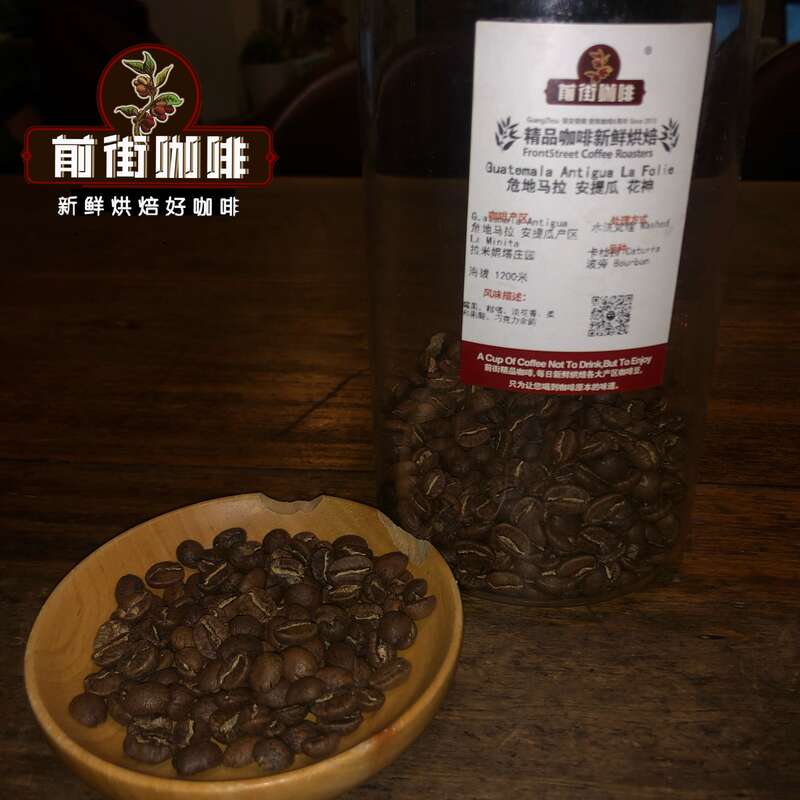
Country: Guatemala
Region: Antigua
Altitude: 1200-1600m
Varieties: Bourbon, Caturra, Catuai
Processing: Washed
Flavor: Floral, fruity, soft acidity
Antigua is the most famous of Guatemala's seven coffee regions. High altitude, unique volcanic soil, and shade-grown cultivation give Antigua beans their distinctive regional character.
According to FrontStreet Coffee's understanding, Flor is a brand bean under the La Minita company, grown in Antigua - a highland surrounded by active volcanoes at an altitude of 1850 meters, the country's most award-winning and famous region.
Antigua sees little rain in summer and occasional winter frost - conditions actually ill-suited to coffee. Fortunately, sitting in an active volcanic zone, the region's soil holds volcanic pumice that, once cooled, is riddled with fine pores excellent at retaining moisture. Combined with the estate's many shade trees, the coffee trees are protected from winter cold. FrontStreet Coffee believes these factors - along with the large day-night temperature swing - have created Antigua's unique microclimate, giving the beans a subtle smoky note and rich fruit aroma.
Brazil
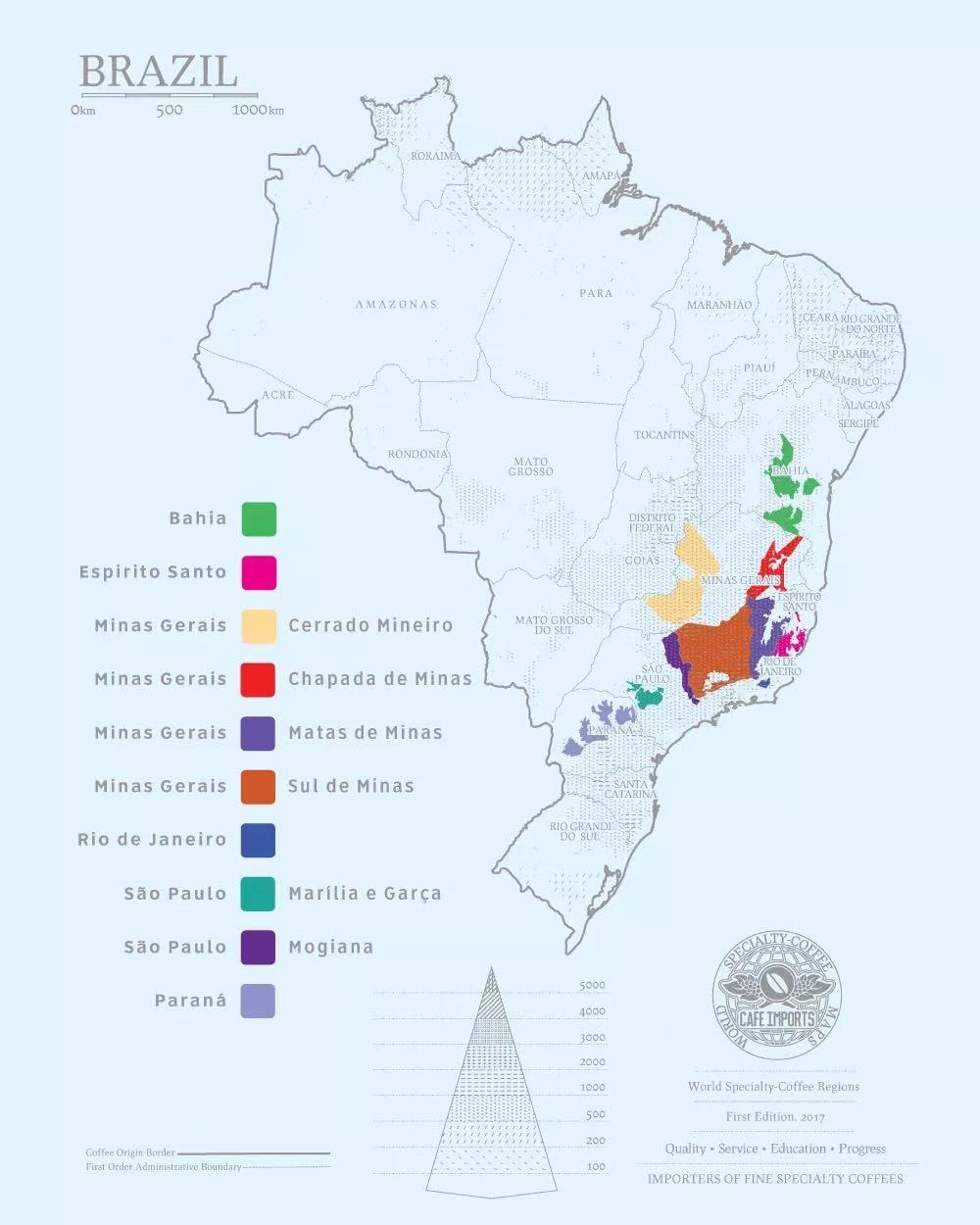
Brazil is the world's largest coffee producer and its second-largest consumer (the first being the United States). Although Brazil faces more natural disasters than other regions, FrontStreet Coffee believes its available planting area more than compensates.
Brazil has 21 states, 17 of which grow coffee. Four states account for the largest share - 98% of Brazil's total production: Parana, Sao Paulo, Minas Gerais, and Espirito Santo. Southern Parana state boasts the most astonishing output, accounting for 50% of the total.
Brazil has many large farms managing vast plantations, using machine harvesting and machine drying with high automation. But overly mechanized production can focus on quantity at the expense of quality, disregarding flavor - which is why some specialty coffee companies refuse to sell Brazilian beans, fearing it would devalue their lineup.
Brazil, however, has since made considerable efforts to improve quality: continuously breeding and refining Arabica varieties and adapting processing methods to dry and wet climates to present the best regional flavors. FrontStreet Coffee believes Brazil still produces many high-quality coffees.
Brazil's growing areas sit on two main terrains: the Brazilian Plateau above 500 meters and the Brazilian Plain below 200 meters. The main cultivated, well-known varieties are Bourbon (including Yellow Bourbon, Red Bourbon, and Flat Bean Santos).
Brazil's common processing methods are natural, semi-dry (pulped natural), and washed. Generally, high-humidity areas use washed processing, while low-humidity areas use natural or semi-dry.
Below are FrontStreet Coffee's current Brazilian coffee beans:
FrontStreet Coffee Brazil Queen
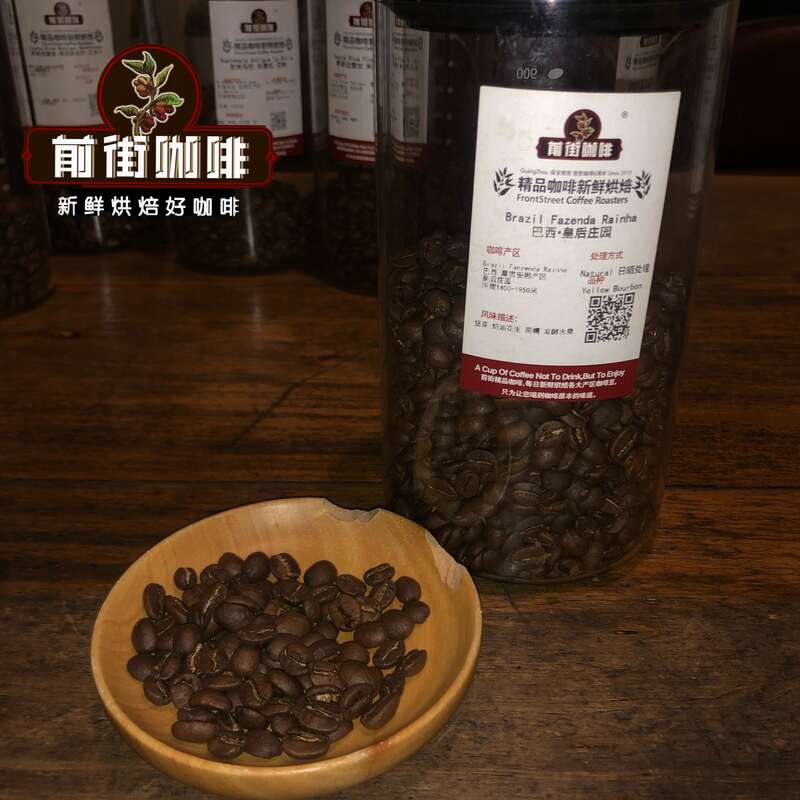
Country: Brazil
Region: Mogiana
Altitude: 1400-1950m
Varieties: Yellow Bourbon
Processing: Semi-dry (pulped natural)
Flavor: Nuts, cream peanuts, fermented fruit, sucrose
This coffee comes from Fazenda Rainha (Queen Farm), a 280-acre estate located in an ancient volcanic valley in Brazil called Vale da Grama.
In 2011, the farm won the championship of Brazil's COE competition. Fazenda Rainha belongs to the renowned and respected Carvalho Dias family, whose four major estates have won awards every year since the first Brazil COE competition in 1999 - more than 12 awards in 7 years. In 2004, they even swept the championship, 9th place, and 11th place among Brazil's many estates, large and small.
The farm is a member of a medium-scale farm organization in the Grama Valley, exporting mainly specialty Bourbon coffee. Environmental protection is thorough. Because of the higher, non-plain terrain, machine harvesting is impossible, so all fruit is picked entirely by hand. The low-yield, high-quality Bourbon varieties are planted as the essence of Brazilian premium coffee - which is why FrontStreet Coffee believes this farm's coffee best represents Brazil's finest.
FrontStreet Coffee Brazil Red Bourbon
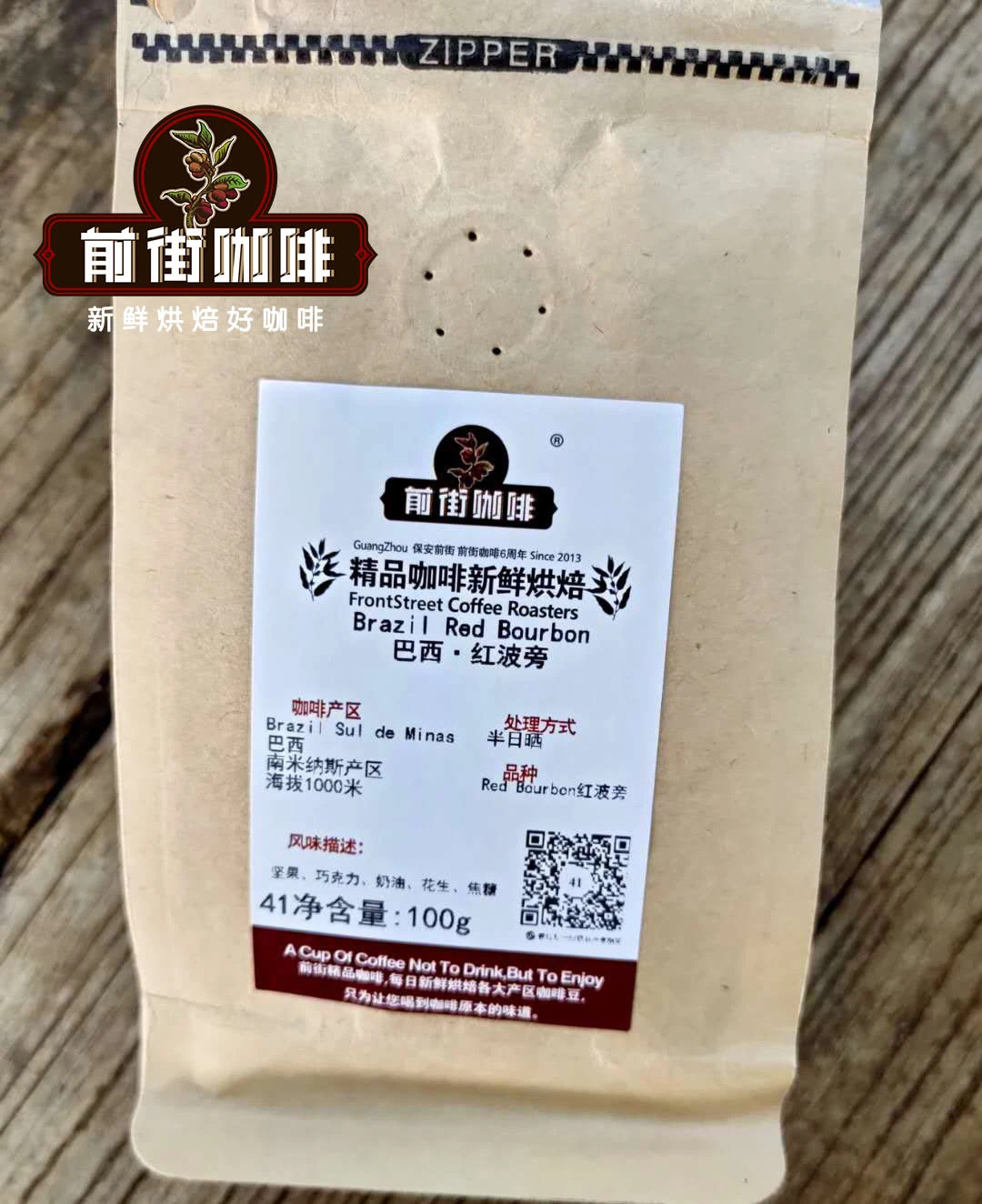
Country: Brazil
Region: South Minas
Altitude: 700-1200m
Varieties: Red Bourbon
Processing: Semi-washed
Flavor: Tropical fruit aroma, high sweetness
South Minas, with its hilly terrain at altitudes of 700m-1200m, is Brazil's earliest coffee-producing area. Rising labor costs mean most harvesting is now mechanical, and this was also the first region to commercialize coffee - you can still see many large exporters established here. The Bahia region of northern Brazil mainly produces washed Brazilian coffee, while coastal Espirito Santo is Brazil's main export region for Robusta varieties.
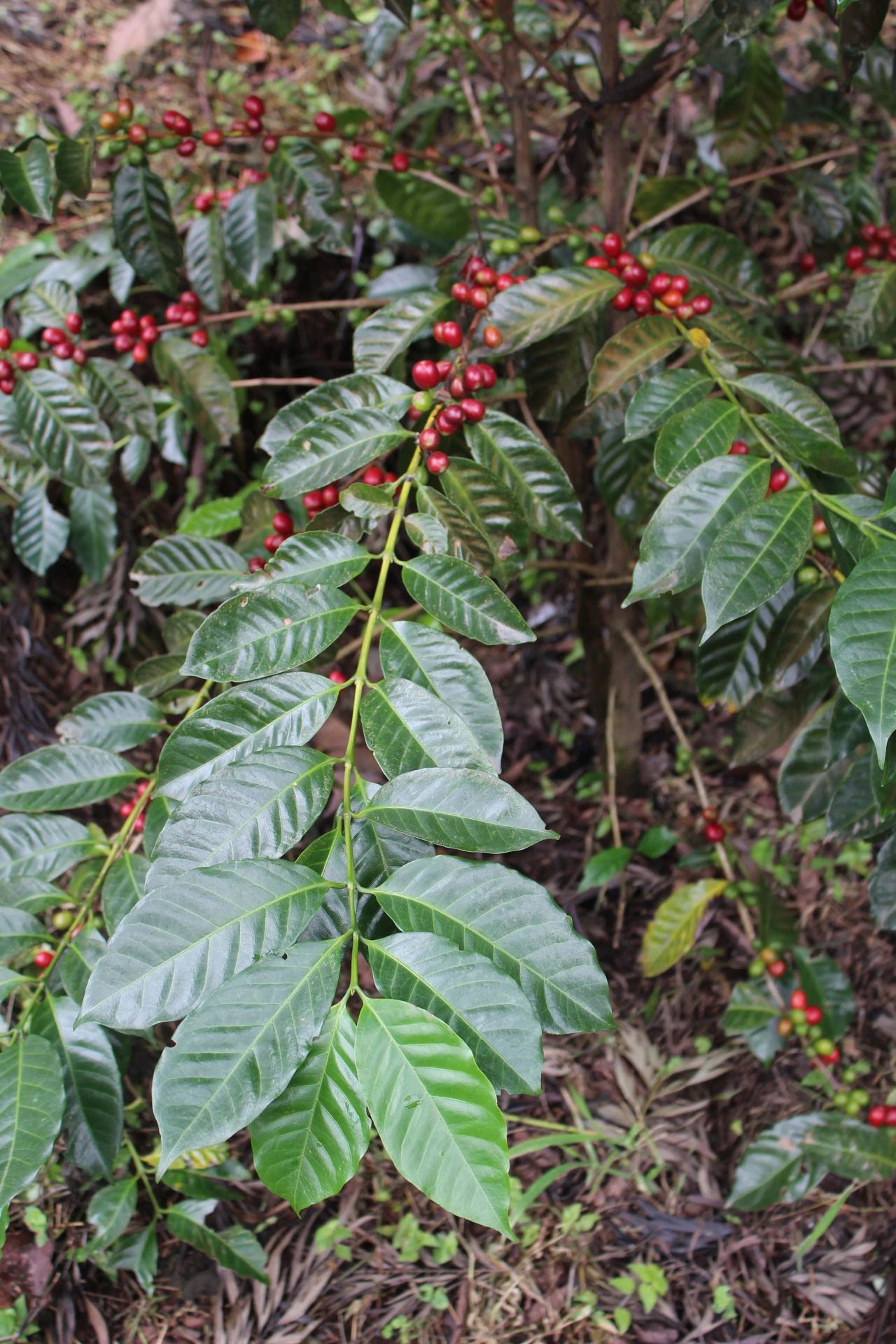
FrontStreet Coffee will briefly explain what Red Bourbon is. Bourbon coffee was first cultivated on Reunion Island, called Bourbon Island before 1789. Bourbon is a subspecies that mutated from Typica and, together with Typica, belongs to the oldest coffee varieties still in existence. Its green fruit ripens to a bright red.
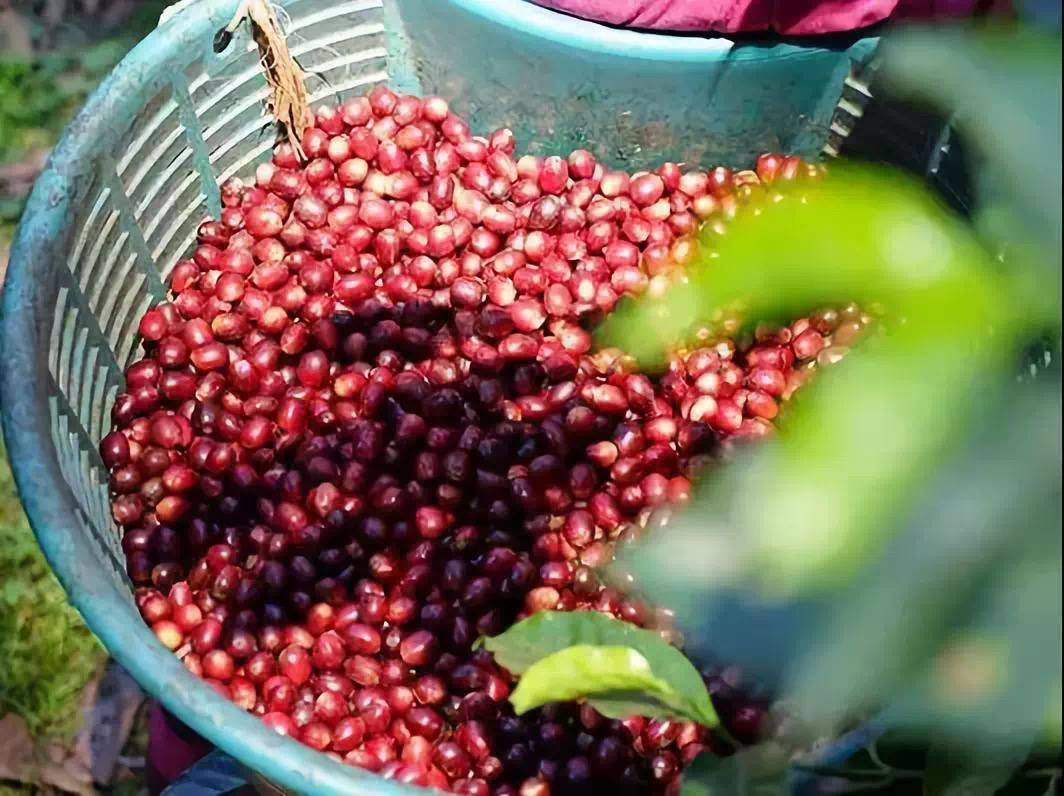
After Red Bourbon trees flower and set fruit, the cherries change color in sequence: green, light yellow, light orange, mature red, then a darker red at full ripeness - hence the name "Red Bourbon." In fact, Red Bourbon is simply what we generally call Bourbon. Put simply, Bourbon is an Arabica variety that usually bears red fruit. Bourbon grown at high altitude typically shows better aroma, brighter acidity, and even wine-like flavors. FrontStreet Coffee recommends it to enthusiasts who love red wine notes.
Colombia
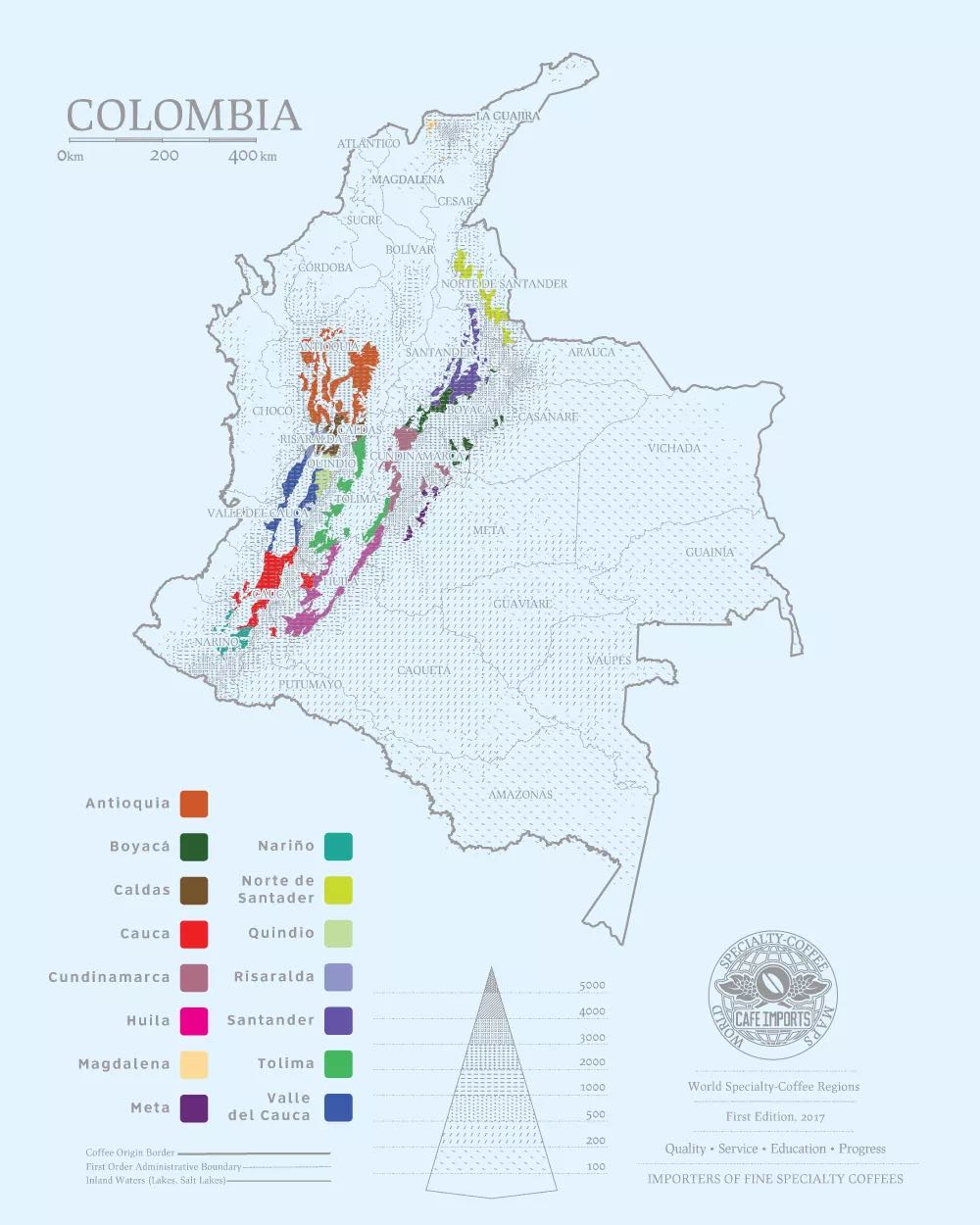
Colombia is the world's third-largest coffee producer, located in northwestern South America. The country divides roughly into the western Andes and the eastern Llanos (Orinoco) plains. Coffee cultivation follows the Andes from south to north, with growing regions divided into four major zones: northern, central, southern, and eastern.
Climate varies with topography: the southern eastern plains and Pacific coast have a tropical rainforest climate, mountains at 1000-2000 meters have a subtropical climate, and the northwest has a tropical savanna climate.
FrontStreet Coffee believes Colombian coffee's body is not as strong as Brazil's, nor its acidity as bright as Africa's - but it has excellent balance, combining nutty flavors with fruity acidity.
Below are FrontStreet Coffee's current Colombian coffee beans:
FrontStreet Coffee San Jose Estate
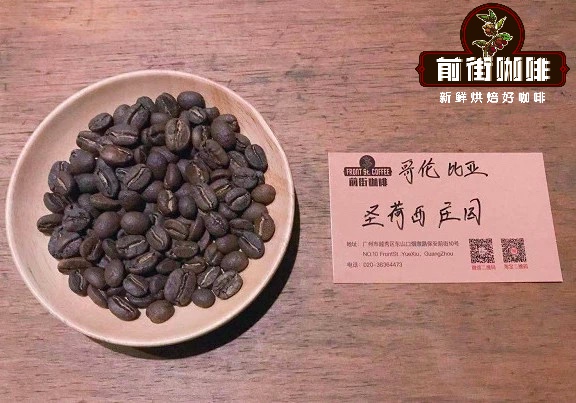
Country: Colombia
Region: Caldas
Altitude: 1750m
Varieties: Castillo
Processing: Refined washed rum barrel fermentation
Flavor: Rum, liquor-filled chocolate, tropical fruits, maple syrup
At this point, some enthusiasts might ask what rum barrel fermentation is and how it came about - an interesting little story, so let FrontStreet Coffee explain!
Finca San Jose sits in Caldas province, Colombia. The owner, Monsalve Botero, is already the third generation, dedicated to promoting Colombian coffee and forging a path between traditional production and modern specialty trends. One day, while accompanying a gentleman who made rum as he filled barrels with original spirit and set it to mature, she had a sudden inspiration: what if she put green coffee beans into oak barrels? Would they absorb the barrel's flavors like the spirit, achieving a barrel-aging effect?
With that idea, from 2013 onward owner Monsalve Botero began putting green beans into rum barrels of different ages for wine-style low-temperature fermentation of varying lengths. Through experimentation she selected the most suitable barrels and fermentation times, finding the optimal combination for special, satisfying flavors - creating a rum barrel fermentation process distinct from traditional washed processing. Thus this coffee was born, and it continues to this day.
FrontStreet Coffee Colombia Isabella
Country: Colombia
Region: Huila
Altitude: 1760m
Varieties: Pink Bourbon
Processing: Semi-washed
Flavor: Citrus, floral, honey, fruits
Huila province lies in the southern part of Colombia's central mountain range and is the country's most famous specialty coffee region - hilly terrain surrounded by mountains, cultivated at altitudes above 1500 meters, where Colombia's most important rivers converge to bring abundant water and vapor.
Next, FrontStreet Coffee introduces Pink Bourbon. It was first planted in Huila, initially mixed with other Bourbon and Caturra trees but later harvested and processed separately. When the cherries ripen they turn a romantic pink - though keeping that pink is very difficult, because the fruit's final color is determined by recessive genes in the pollen grains. Among the hybrid pollen grains are both yellow genes tending toward Yellow Bourbon and red genes tending toward Red Bourbon, all recessive and all interfering with one another. Pink Bourbon is therefore a very rare variety - and rarity alone makes it worth a try!
FrontStreet Coffee Colombia Flower Moon Night
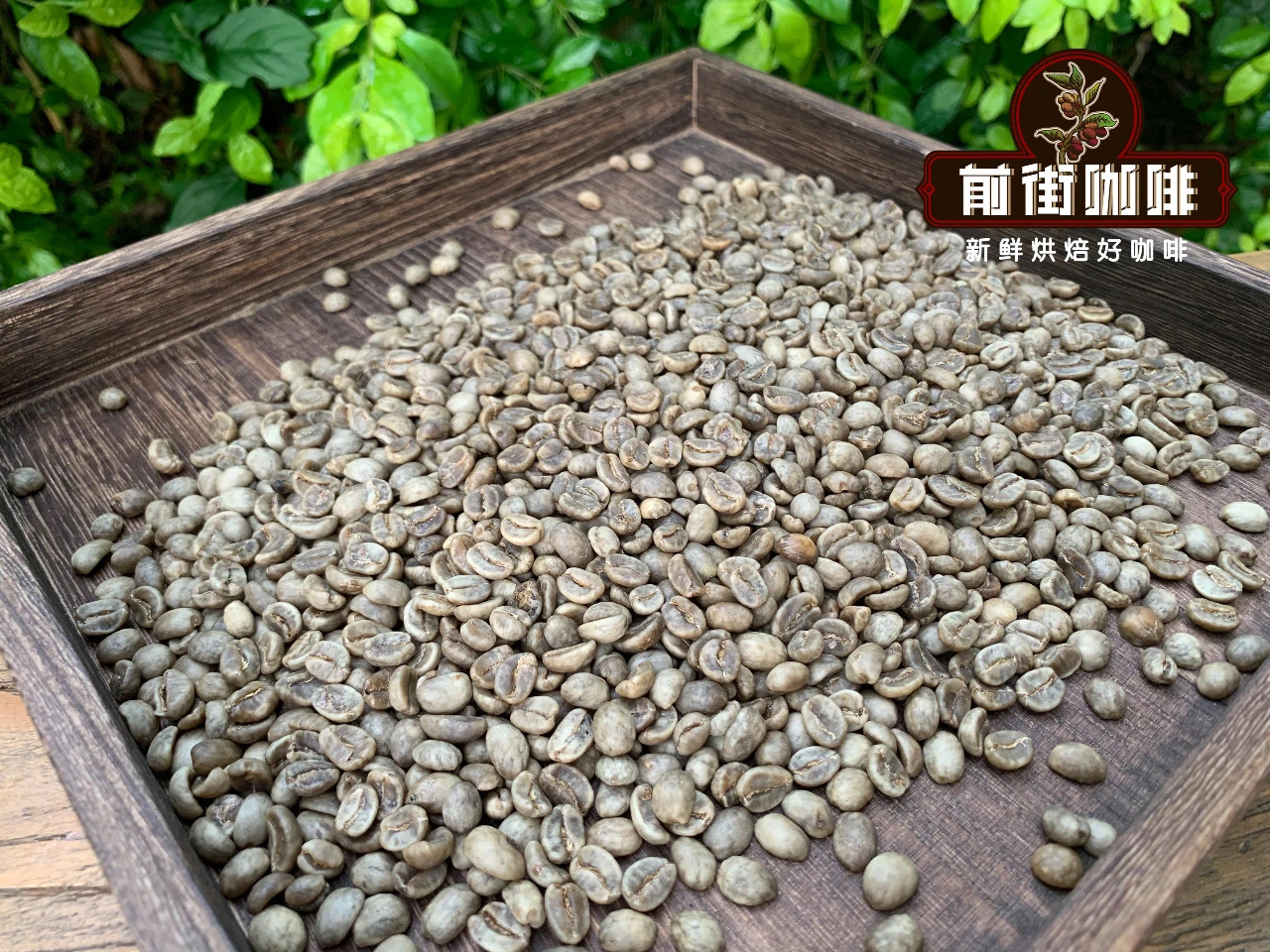
Country: Colombia
Region: Huila (Esvedo Garden Farm)
Altitude: 1800m
Varieties: Caturra
Processing: Anaerobic natural
Flavor: Strawberry, peach, fermented wine aroma, chocolate, fruit wine
This bean uses anaerobic slow natural processing and comes from a farm called Esvedo Garden in Huila. Anaerobic processing has been popular in recent years: coffees made this way often show rich aromas, bright wine notes, full body, low acidity, and good sweetness - impressive indeed.
Farm owner Ramirez comes from a coffee-growing family and began working in coffee production at 18. He held professional coffee positions in the city of Acevedo, later had the chance to buy a farm and grow his own coffee, eventually sold it, and a year later bought this farm called Esvedo Garden, which grows Caturra, a common variety.
Caturra is a natural mutation of Bourbon, typically offering refreshing fruit acidity and light sweetness.
The previous owner of Esvedo Garden had started a special processing plan and taught Ramirez how to carry it on. With his passion for cultivation, Ramirez reworked a fermentation process that previously couldn't achieve results: he sealed the cherries in fermentation barrels and used low temperatures to extend fermentation. With 15-20 days of fermentation, coffee's flavor possibilities expanded; slow drying let the cherries develop optimal water activity, improving flavor development on one hand and keeping the green beans fresher through seasonal storage on the other. After fermentation, the fruit was naturally dried. Finally, the Colombia Flower Moon Night was born in that fermentation barrel on a flower moon night!
FrontStreet Coffee Colombia Rose Valley
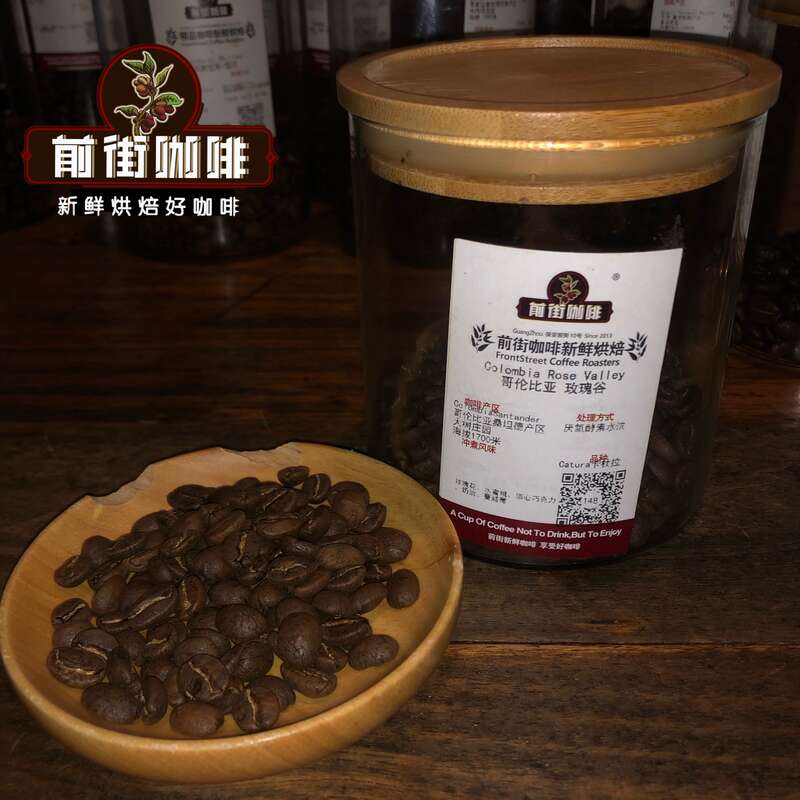
Country: Colombia
Region: Tamesis (Big Tree Estate)
Altitude: 1700m
Varieties: Caturra
Processing: Anaerobic double enzyme washed
Flavor: Honey, juicy feel, strawberry
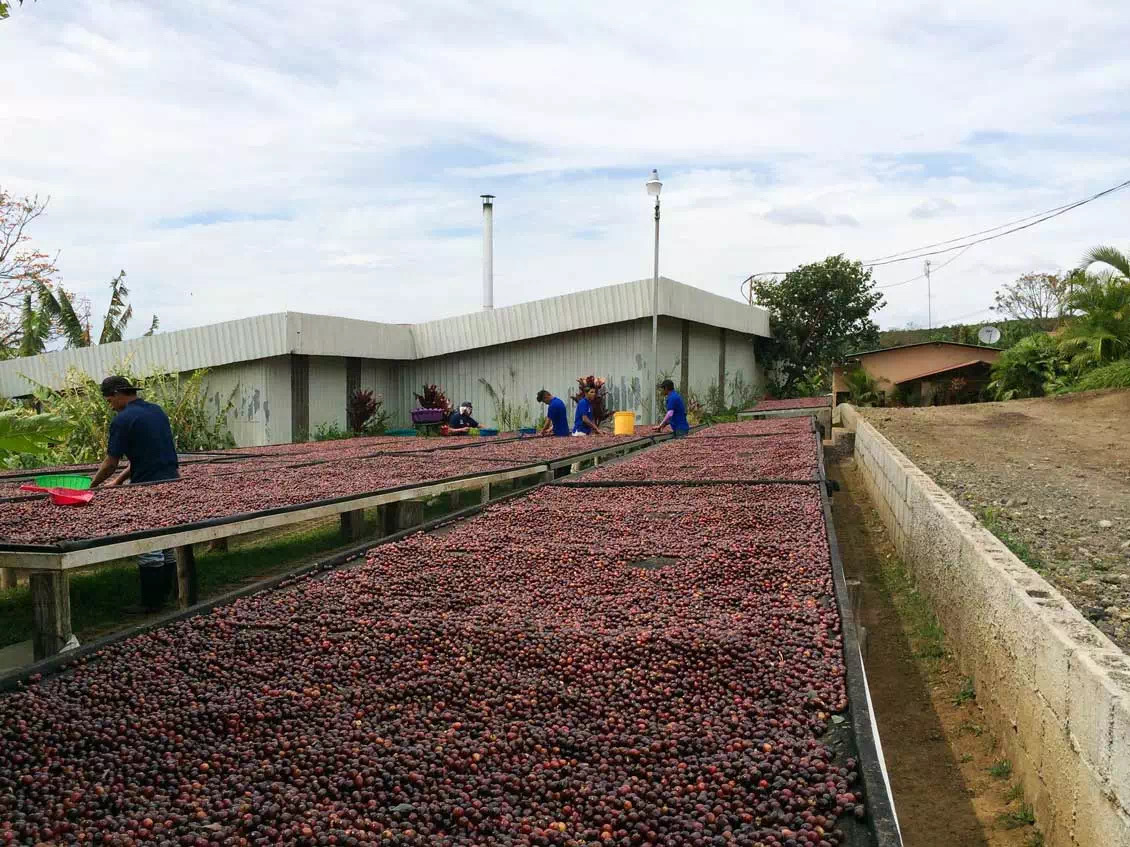
Big Tree Estate is located in the Santander region of Colombia. Owner Vargas has grown coffee there for 20 years. At Big Tree Farm only fully mature, bright-red cherries are picked; floating defective beans are removed by washing, and the lot then undergoes two rounds of anaerobic fermentation with special enzyme cultures. Great attention is also paid to drying, avoiding excessive temperatures through slow drying.
What is anaerobic double enzyme washed processing? After washing removes the floaters, the beans are placed in a closed container injected with carbon dioxide to expel the oxygen. In this anaerobic environment the sugars in the coffee pectin break down more slowly and pH falls more gradually, extending fermentation time to develop better sweetness and more balanced flavors.
FrontStreet Coffee Colombia Sakura (Paradise Estate)
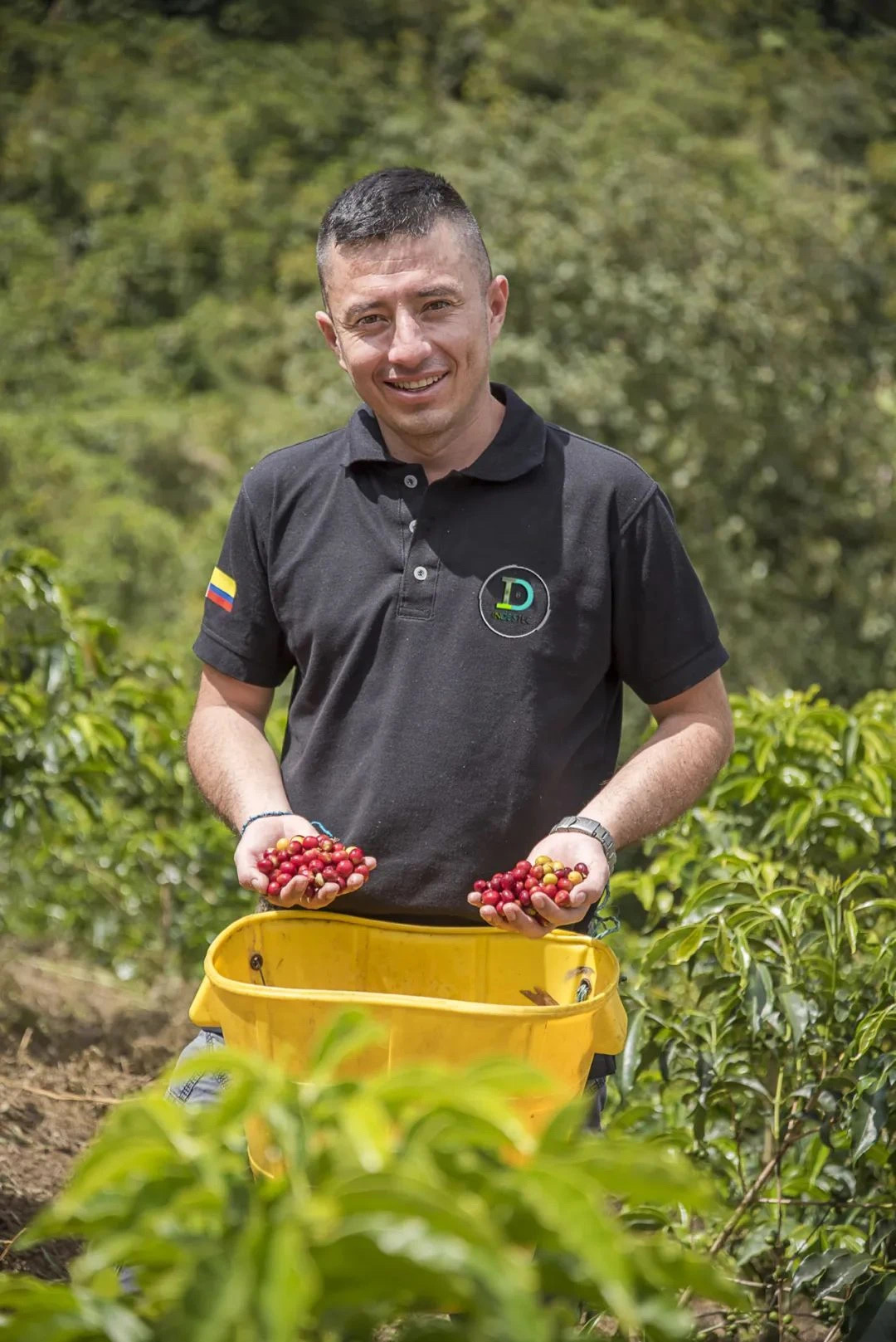
Country: Colombia
Region: Cauca (Paradise Estate)
Altitude: 2050m
Varieties: Castillo
Processing: Double anaerobic washed
Flavor: Spices, tea-like notes, citrus
Cauca is a Colombian coffee origin-certified region with an average altitude of 1758m, reaching up to 2100m. Its topography, precipitation, temperature, and volcanic soil suit coffee well. Eighty percent of the region is mountainous, with parallel mountain systems in the east and center that belong to the Andes; the central system includes two main volcanoes, Sotara and Petacas. On its border, like other southwestern regions, Cauca shows a clear unimodal rainfall pattern, with the dry season mainly in August-September each year. The subsequent rainy season brings a concentrated flowering, followed by a concentrated harvest the next year.
Paradise Estate (Finca El Paraiso) is a farm Mr. Diego Samuel began operating in 2008. Initially just a 2.5-hectare family farm, he invested each year's surplus into coffee agricultural research, studying how to produce specialty flavors better. In 2015 he entered a local regional competition for the first time and won first place. Famous overnight, he gained industry recognition and even more motivation to pursue specialty cultivation.
Paradise Estate currently grows mainly Bourbon, Laurina, Gesha, and Castillo, and is planning to try more varieties.
FrontStreet Coffee Colombia Decaf
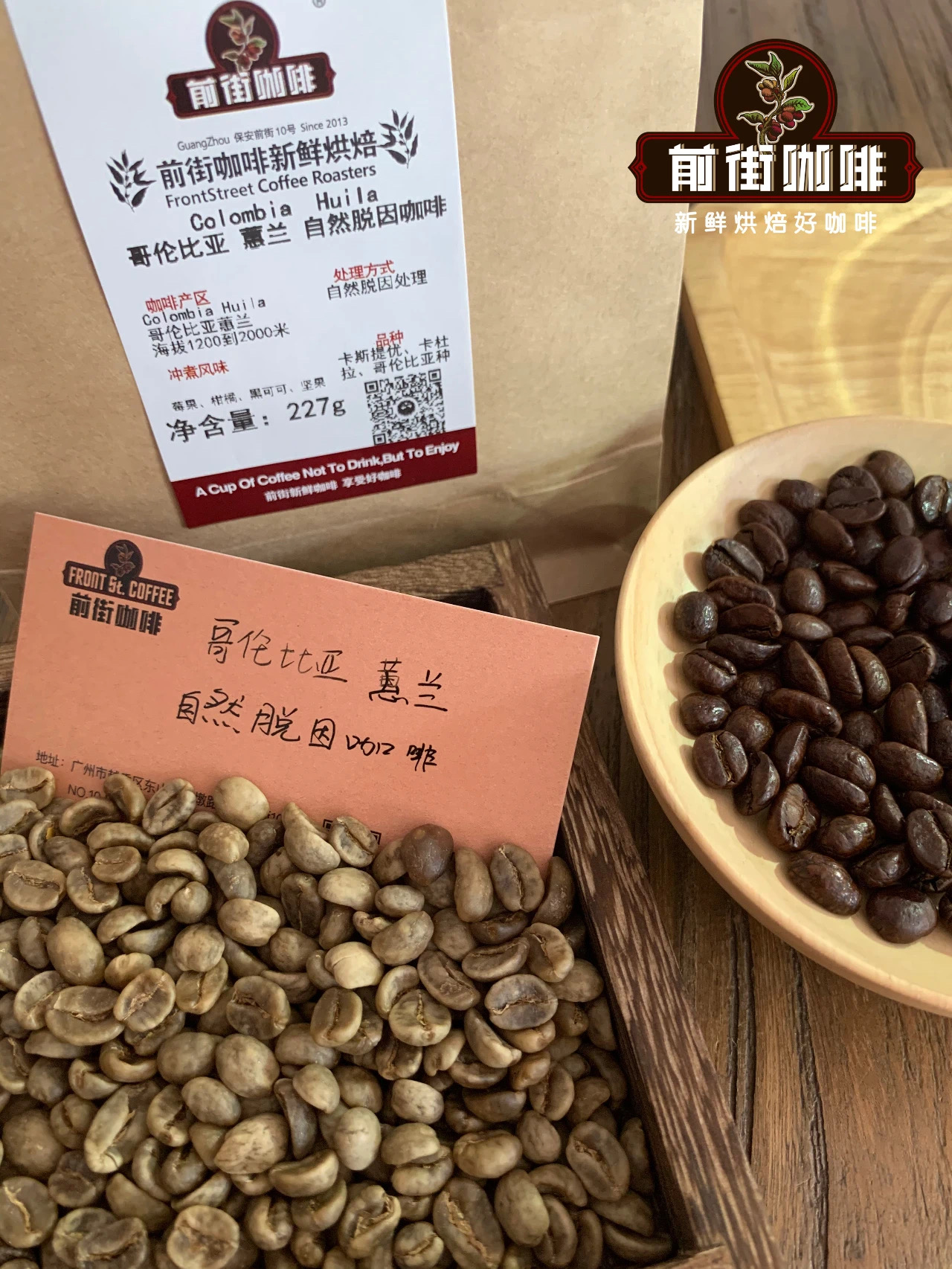
Country: Colombia
Region: Huila
Altitude: 1750m
Varieties: Typica
Processing: Swiss Water
Flavor: Berries, citrus, cocoa, nuts
Many enthusiasts have heard the saying that decaf tastes bad - but FrontStreet Coffee believes decaf isn't bad because of the process. Most decaf selects cheap, commercial-grade beans as raw material. Modern decaffeination is technically complex, and companies naturally prefer high-caffeine varieties (such as Robusta) - so before decaffeination, those beans already didn't taste good. Like any coffee sold in a shop, if decaf starts with high-quality Arabica green beans, it can still perform very well after decaffeination.
The Colombian decaf green beans FrontStreet Coffee selected are of Supremo grade - the highest grade in Colombia's system, with very assured quality. Interested enthusiasts should give it a try.
FrontStreet Coffee Colombia Huila (Daily Bean)
Country: Colombia
Region: Huila
Altitude: 1500-1800m
Varieties: Caturra
Processing: Washed
Flavor: Nuts, dark chocolate, caramel, soft fruit acidity
Huila's mountainous terrain means coffee grows on canyon slopes, at high altitudes suited to high-quality Arabica and with moderate temperatures. The canyon-slope climate keeps out cold winds, mountain breezes bring coolness without heat, and rainfall is relatively abundant - a uniquely blessed coffee region.
FrontStreet Coffee finds Huila beans full-bodied and heavier in texture, with nutty, chocolate, and caramel aromas and smooth, pleasant fruit acidity.
Caturra is a natural mutation of the Arabica variety Bourbon, discovered in Brazil in 1937. The tree is shorter and more compact than Bourbon; though it inherited Bourbon's lineage, its disease resistance is relatively weak but its yield higher. Although Caturra was discovered in Brazil, it proved unsuited to cultivation there on a large scale, and instead became widely popular across Central and South America - in Colombia, Costa Rica, and Nicaragua, for example, Caturra is grown in large areas.
Panama
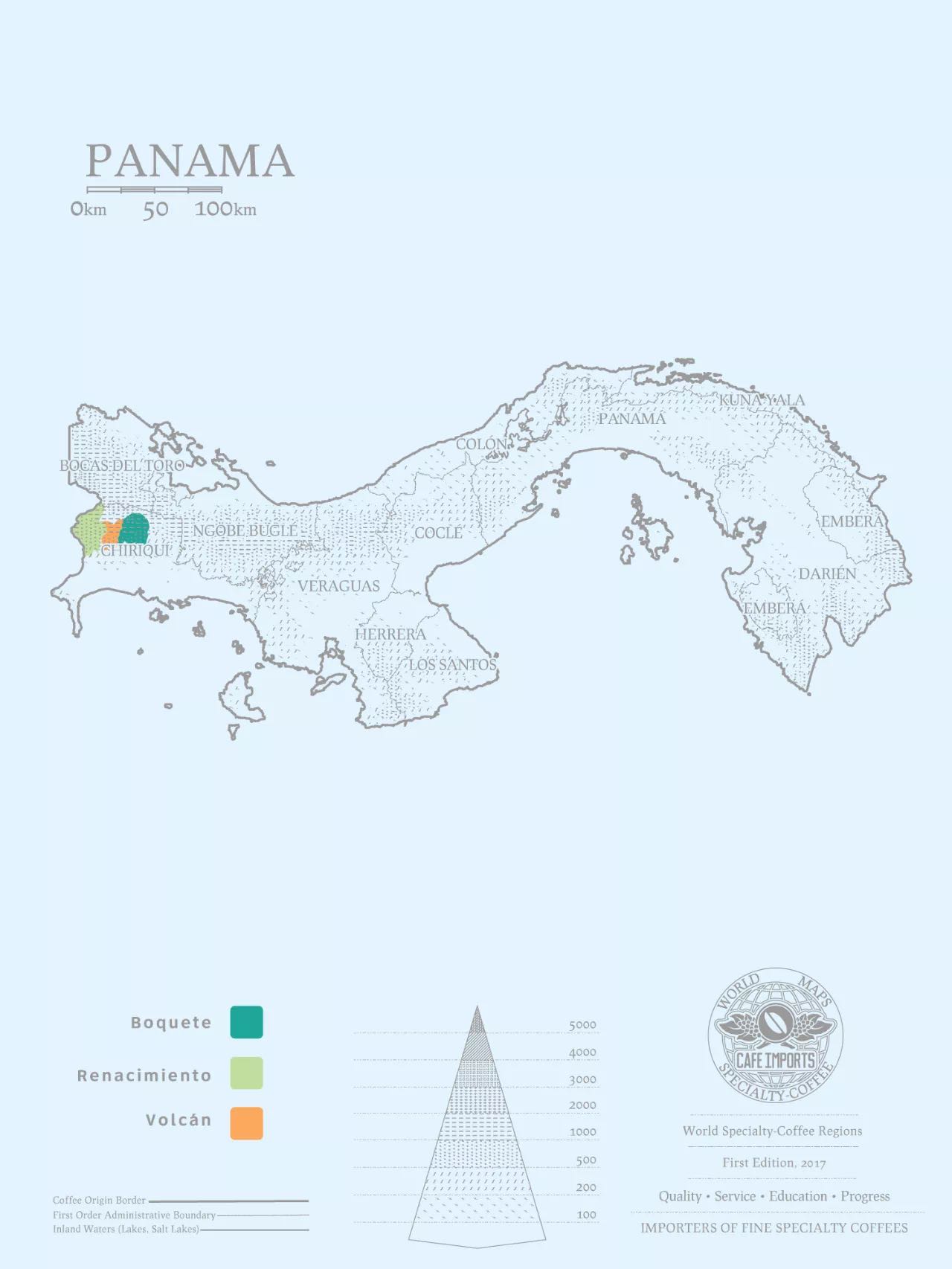
Panama is world-famous for Gesha. Its main growing regions are four: Boquete, Volcan, Santa Clara, and Piedra de Candela.
The Boquete region, at an average altitude of 1450 meters, produces the most coffee of the best quality in Panama. Well-known estates such as Hacienda La Esmeralda, Elida Estate, and Kotowa Estate are located here.
The Volcan region, averaging 2000 meters, produces coffee with relatively mild, balanced flavors.
The Santa Clara region, averaging 1500 meters, lies near the Panama Canal, making coffee transport very convenient.
The Piedra de Candela region, averaging 1200 meters, has drawn attention in recent years; the industry believes it has potential for high-quality specialty coffee.
According to FrontStreet Coffee's understanding, the microclimates of Panama's highlands are the most important resource behind the country's unparalleled coffee.
These highlands offer the right microclimates, soil, temperature, and altitude for growing and harvesting many unique coffees - natural conditions that give them flavors of jasmine, citrus, ripe fruits, berries, caramel, special sweetness, vanilla, and chocolate.
Below are the Panama coffee beans FrontStreet Coffee currently has:
FrontStreet Coffee Panama Jenson Geisha
Country: Panama
Region: Volcan (Jenson Estate)
Altitude: 1750 m
Varieties: Geisha
Processing: Natural
Flavor: Maple syrup, lemon citrus, apple, rose, dark chocolate, fruit aroma, multi-layered sweet and sour
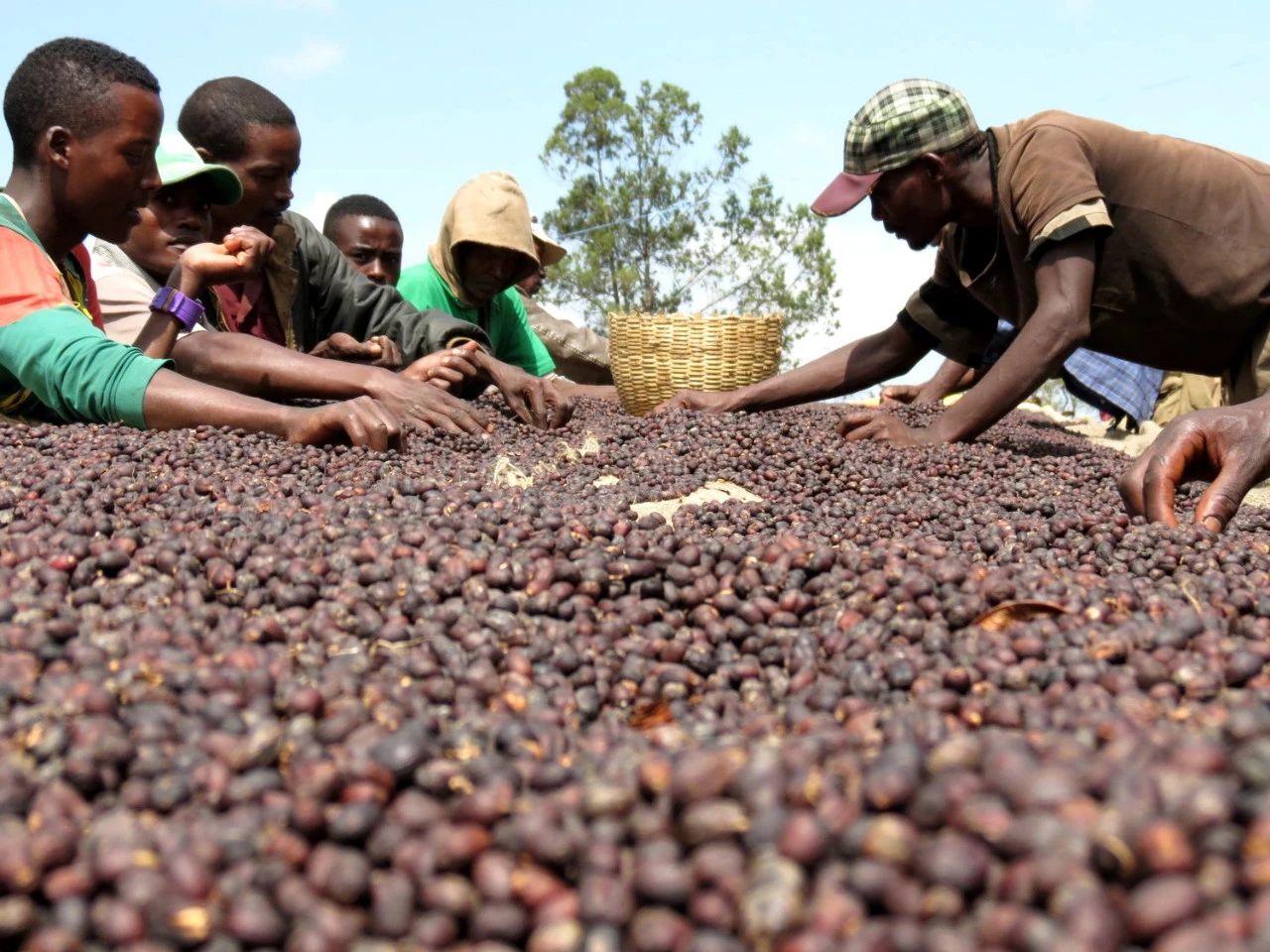
Jenson Geisha is relatively little heard of. According to FrontStreet Coffee's understanding, that is because Jenson Estate focuses mainly on domestic sales and does not export. At this high altitude, with nutrient-rich volcanic soil, abundant rainfall, and suitable temperatures, Jenson Estate has gradually become Panama's second-largest Geisha producer, with 50% of the estate planted with Geisha. It has a dedicated processing plant for its cherries and also invests heavily in roasting to improve the reference value of its cupping results.
Those efforts have steadily improved the estate's bean quality, culminating in second place for Jenson Estate Geisha at the Panama Best of Panama (BOP) competition.
FrontStreet Coffee Panama Red Label Geisha
Country: Panama
Region: Boquete (La Esmeralda)
Altitude: 1700 m
Varieties: Geisha
Processing: Natural
Flavor: Rose, honeysuckle, sweet potato, grapefruit, lemon, black tea, sucrose
La Esmeralda sits on a corner of Baru Volcano, so the area's beans were mostly named after Baru Mountain before becoming famous. The scenery around Boquete is beautiful, with many leisure hotels, villas, and vacation estates built even along the important Rio Caldera. La Esmeralda began in Jaramillo on the right side of the river, later moving to Canas Verdes on the left at higher altitudes to grow coffee - all thanks to Rudolph Peterson's decision to purchase the property back then.
What we usually hear called Red Label is the specially selected Geisha of La Esmeralda: chosen from Geisha grown at 1600-1800 meters with cupping scores above 90 points, from the two regions of Jaramillo and Canas Verdes, and offered through an independent auction organized by La Esmeralda itself. Only Geisha batches from designated plots put up for auction are the auction Red Label. Customers often ask whether auction Red Label tastes better than regular Red Label. In fact, non-auction and auction Red Label come from the same plots; the only difference is participation in the auction. FrontStreet Coffee believes you don't have to drink auction-level coffee - the price is genuinely high, and if you simply want a taste, Red Label is a good choice.
FrontStreet Coffee Panama Green Label Geisha
Country: Panama
Region: Boquete (La Esmeralda)
Altitude: 1700 m
Varieties: Geisha
Processing: Natural
Flavor: Rose, honeysuckle, sweet potato, grapefruit, lemon, black tea, sucrose
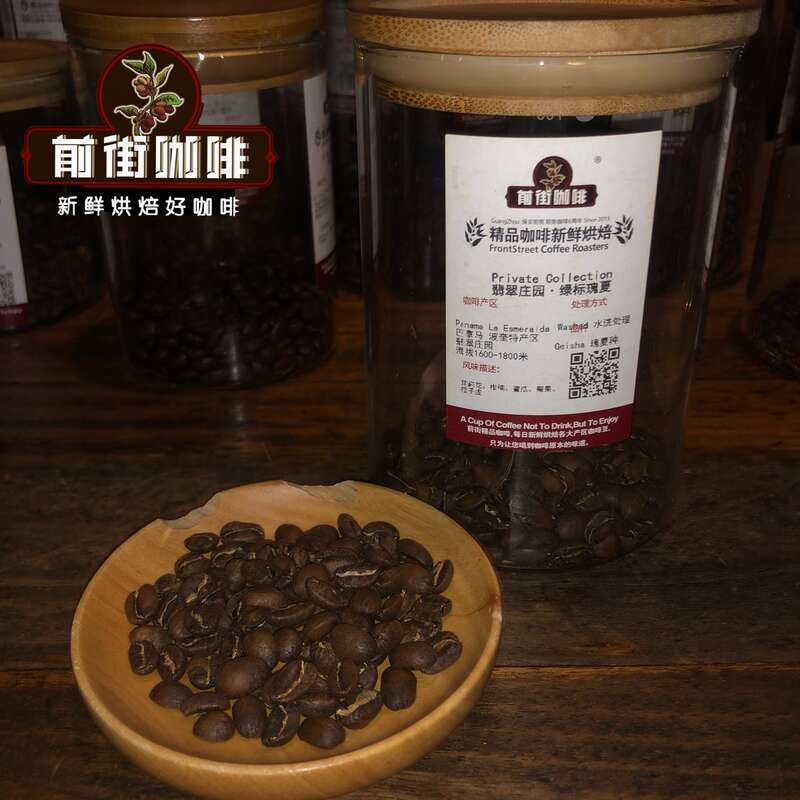
The Green Label refers to private collections, not independent competition batches: Geisha grown in plots that don't enter the auction yet still offer excellent quality, selected from beans at 1600-1800 meters across different plots in Jaramillo, Canas Verdes, and other regions as micro-lot blends.
People often ask for the difference between Red Label and Green Label. FrontStreet Coffee's most straightforward answer: Red Label can be traced back to a specific plot, while Green Label is a blend that cannot be traced. Because of that blending model, without detailed plot annotations, one Green Label batch can taste very similar to Red Label - and the next batch quite different. FrontStreet Coffee feels that drinking Green Label is like the mood of buying a lottery ticket: perhaps this batch tastes like Red Label. Green Label Geisha is processed using natural/washed methods.
FrontStreet Coffee Panama Washed Blue Label Geisha
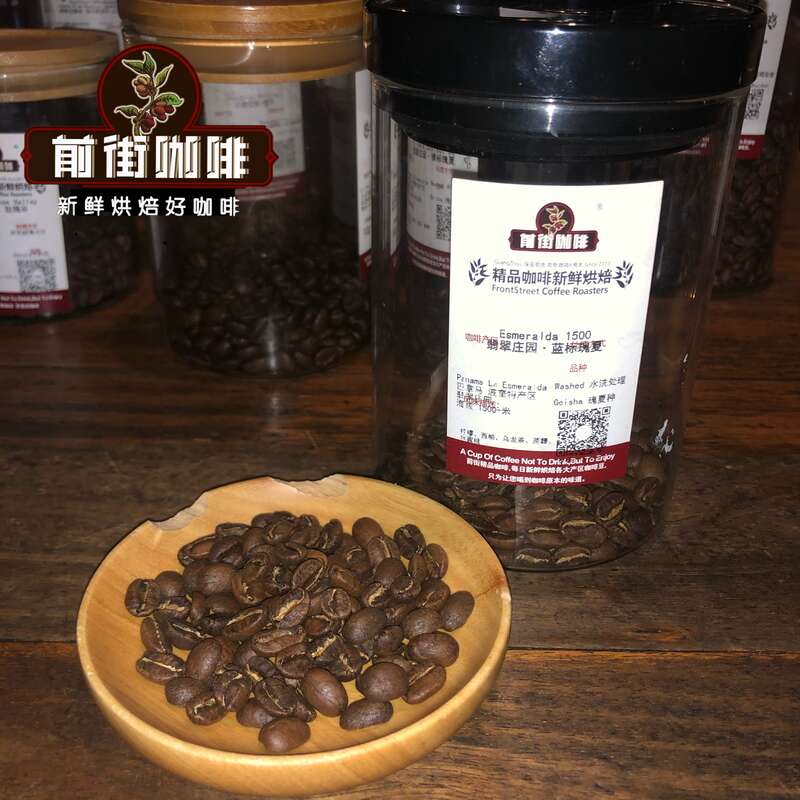
Country: Panama
Region: Blend from Jaramillo, Canas Verdes, El Velo
Altitude: 1400-1500 m
Varieties: Geisha
Processing: Washed
Flavor: Citrus, lemon, honey, nuts, tea-like notes
FrontStreet Coffee Panama Natural Blue Label Geisha

Country: Panama
Region: Blend from Jaramillo, Canas Verdes, El Velo
Altitude: 1400-1500 m
Varieties: Geisha
Processing: Natural
Flavor: Lemon, honey, melon, berries, fermented notes
The Geisha 1500 brand is what we commonly know as Blue Label Geisha, selected from beans grown at 1400-1500 meters across three plots: Jaramillo, Canas Verdes, and El Velo. The flavor is slightly floral, with fruit acidity and sweetness and a less full body. In previous years Blue Label Geisha was available only washed; the 2020 season's Blue Label batch added a natural process.
FrontStreet Coffee Panama Elida
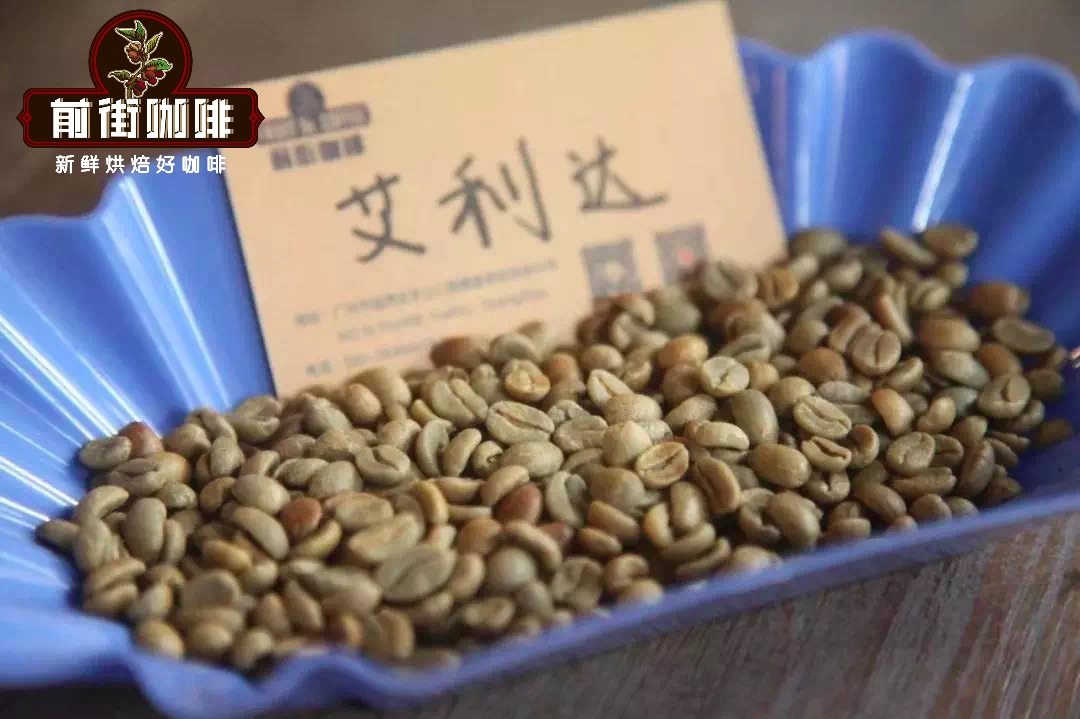
Country: Panama
Region: Boquete (Elida Estate)
Altitude: 1850m
Varieties: Typica
Processing: Natural
Flavor: Raisins, peaches, oranges, muskmelon, sucrose, caramel, green tea notes
Elida Estate is the most well-known estate of the Lamastus family, founded in 1918. From the moment Robert Lamastus, founder of the family's coffee estates, planted the first coffee tree, a full century has passed - a century that witnessed the worldwide rise of specialty coffee.
Elida Estate covers 65 hectares, more than half of it inside Baru Volcano National Park. Only 30 hectares are used for coffee trees; the rest remains original forest.
Coffee grows at altitudes from 1670 to 1850 meters. In such high, cool environments, low temperatures delay cherry ripening by about a full month compared to normal. Fertile volcanic soil supplies ample nutrients, and combined with the excellent microclimate of Baru Volcano, Elida Estate has repeatedly achieved excellent results in cupping competitions.
FrontStreet Coffee Panama Hartmann
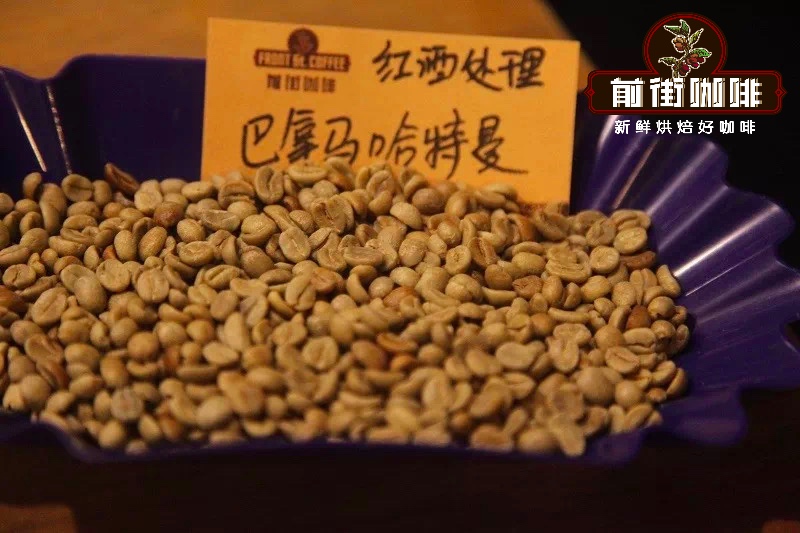
Country: Panama
Region: Volcan
Altitude: 1250-1700m
Varieties: Catuai
Processing: Red wine processing
Flavor: Tropical fruits, nuts, red wine, honey, sucrose
Hartmann's story is as legendary as its coffee.
FrontStreet Coffee will share it with you. Hartmann Estate is located in Santa Clara, Chiriqui. Its founder, Mr. Alois St. Hartmann (Luis Hartmann), was born on June 20, 1891, in the Moravia region of Austria-Hungary - now the Czech Republic - and died on May 25, 1970, at the age of 78. When World War I broke out he was still a small boy and was abandoned; thanks to his mother, he was able to hide on a ship bound for Pennsylvania, USA, and escape danger.
His two brothers both died in the war after joining the army. Luis Hartmann traveled with friends through several countries until he arrived in Panama in 1911 and settled in Chiriqui province in 1912, mainly active in the Candela region, where he built the first small cabin in that primeval forest. Today's Hartmann Estate is a family enterprise founded in 1940 by Ratibor Hartmann (son of Elias Luis).
In 1966, Ratibor married Dinora Sandi from Costa Rica. They had five children: Ratibor Jr., Alan, Alexander, Alice, and Kelly, each taking on different responsibilities in coffee management, harvest processing, and estate tours. This family enterprise has a state-level cupping laboratory and sample roasting room, cupping each batch with rigorous attitudes and strict standards - ensuring stable quality and constant progress. Their scientific approach and nearly 100 years of family experience guarantee their excellent output. A family estate growing coffee for over 100 years is itself a legendary story.
FrontStreet Coffee Panama Butterfly
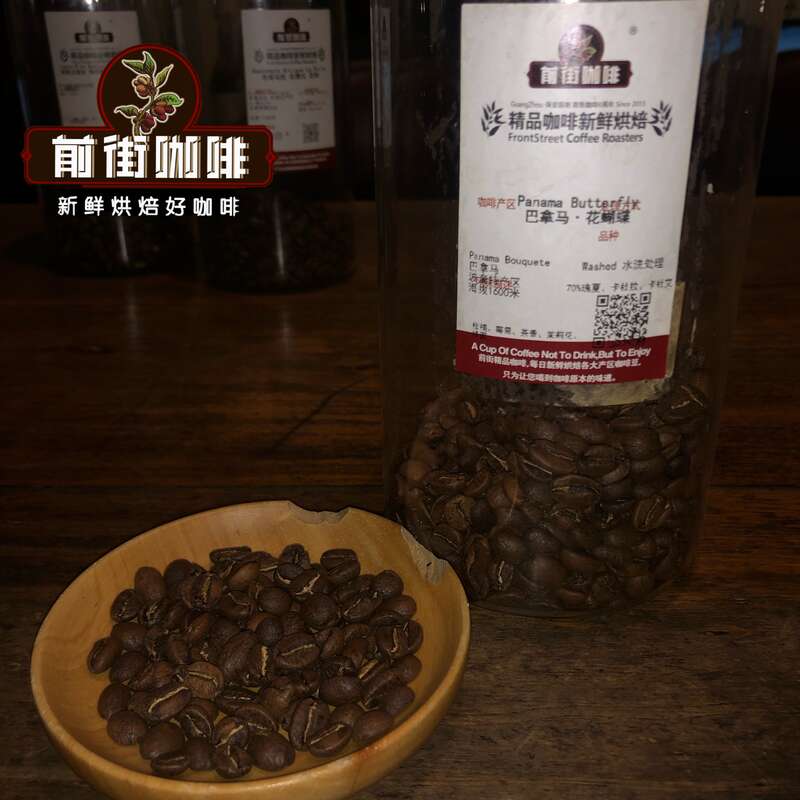
Country: Panama
Region: Boquete
Altitude: 1600 m
Varieties: Catuai, Caturra, Geisha
Processing: Washed
Flavor: Citrus, floral, tea-like notes, honey
Panama Butterfly carries 40%-50% Geisha bloodline, composed of three varieties - Geisha, Caturra, and Catuai - grown in the Baru volcanic area of Boquete and fine-washed at the local mill. Panama's special microclimate brings abundant rainfall and large day-night temperature swings, which - combined with the area's unique volcanic soil and meticulous harvesting and fine processing - make this coffee excel in body, acidity, and floral notes.
What surprises FrontStreet Coffee even more is that on top of the excellent quality, the very affordable price gives this bean explosive cost-performance.
People might ask whether Butterfly is a blend. It is not: all three varieties come from the same origin and the same region, so it counts as single-origin coffee.
Costa Rica
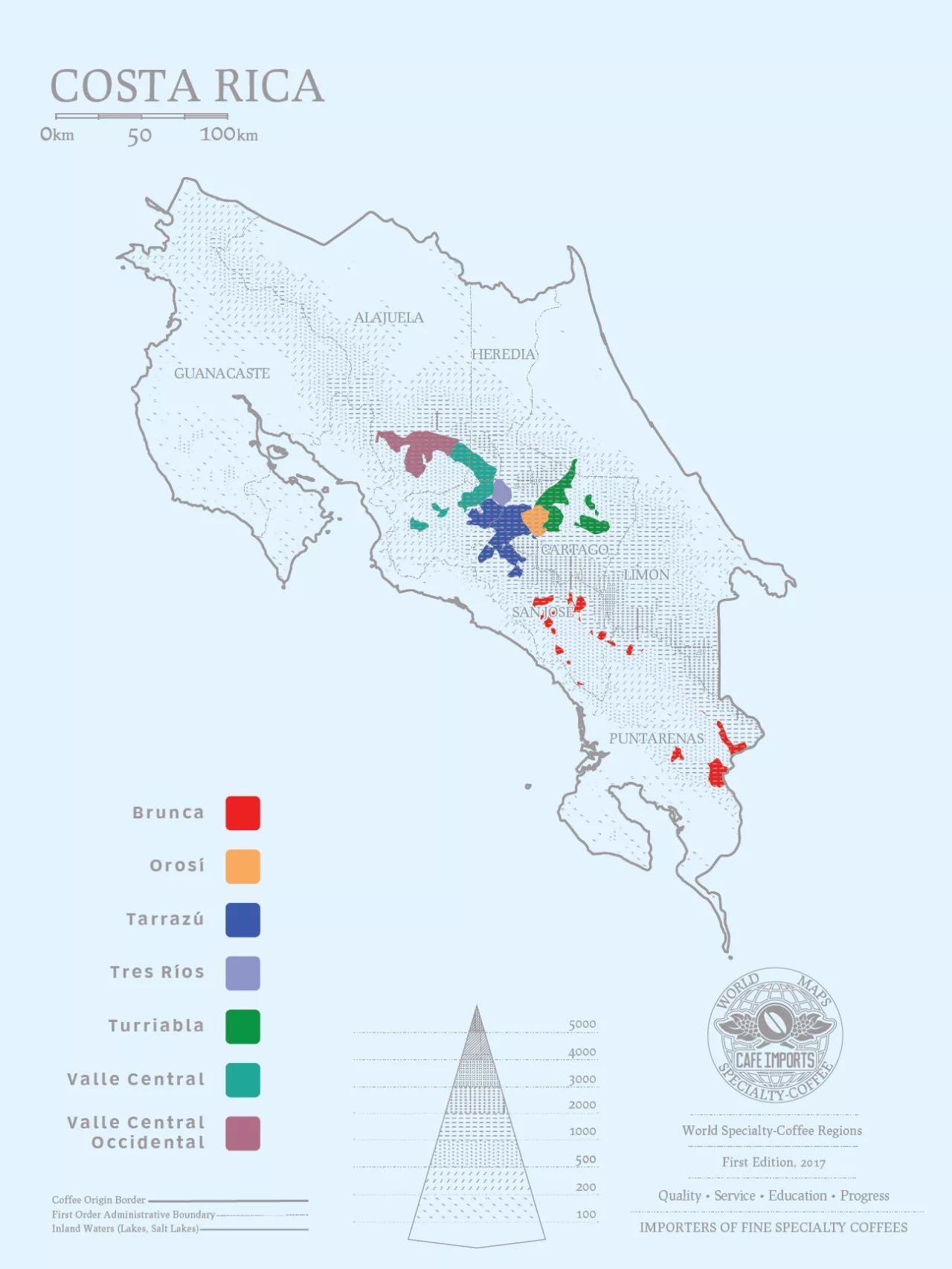
Coffee is an important economic mainstay for Costa Rica, introduced in 1808 with a 200-year cultivation history. One-third of Costa Ricans work in coffee-related industries. Costa Ricans say coffee changed their country - the prosperity they enjoy owes much to coffee's outstanding contributions. Though Costa Rica's land area ranks third from the bottom among Central American isthmus countries, its economy is stronger than half of them. With a prosperous population and social stability, the country can afford to care about the environment, and more than 30 national parks have been established.
Today Costa Rica's coffee industry is among the best-organized in the world, with yields as high as 1700 kg per hectare. The country has only 3.5 million people but as many as 400 million coffee trees, and coffee exports account for 25% of total exports. Costa Rica's volcanic soil is very fertile and well-drained - especially on the Central Plateau, where it consists of several consecutive thick layers of volcanic ash and volcanic dust. Costa Rica was thus the first country in Central America to grow coffee for commercial value, and coffee remains the country's main export commodity.
Located in Central America, Costa Rica was the first country there where coffee was introduced for cultivation, with a long history and a complete system from production to sales.
On the Central American isthmus, the volcanic soil is fertile and well-drained, especially on the Central Plateau, where growing areas enjoy fertile volcanic ash, mild suitable temperatures, and stable abundant rainfall - making coffee one of the country's main agricultural products.
With altitudes of 1,200-1,600 meters and harvest season from November to March, the region has three sub-regions: San Jose, Heredia, and Alajuela.
FrontStreet Coffee also learned there are three high-altitude volcanoes in the region - Irazu, Barva, and Poas - providing rich nutrients to the surrounding growing areas. The superior microclimate combined with the fertile soils of Poas and Barva gives the region's beans chocolate-cocoa flavors, bright fruit acidity, and elegant aromas.
FrontStreet Coffee Costa Rica Black Soul
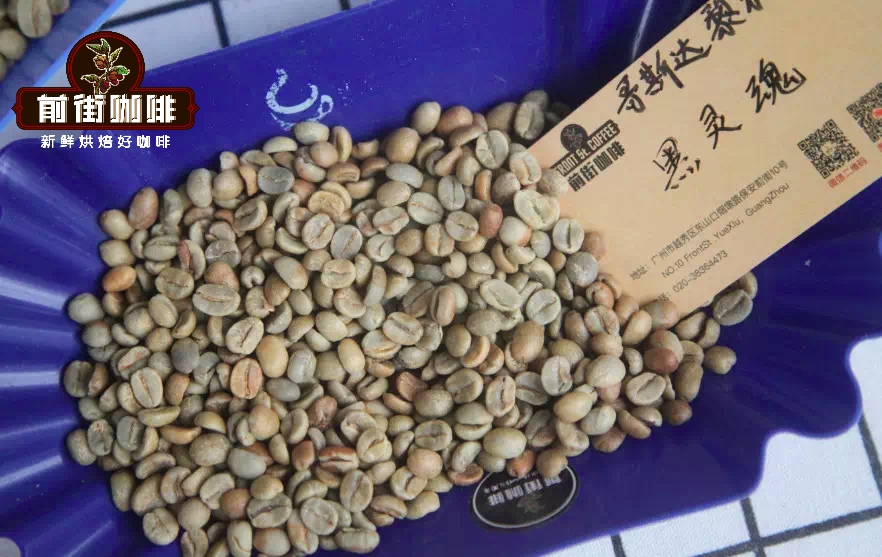
Country: Costa Rica
Region: Central Valley (Las Lajas Estate)
Altitude: 1300-1500 m
Varieties: Caturra, Catuai
Processing: Natural
Flavor: Fermented fruit aroma, floral, citrus, plum, fruit tea
The Central Valley is the earliest area in Costa Rica where coffee was cultivated, before the industry spread to other regions. With moderate rainfall and an average annual temperature of 19°C, combined with high altitude, FrontStreet Coffee finds the local beans hard, aromatic, smooth, high in acidity, full-bodied, and rich in flavor. As the country's first coffee region, Central Valley's rich volcanic soil gives the flavor a chocolate aroma.
Las Lajas Estate is jointly run today by third-generation owner Francisca Cubillo and her husband Oscar. Located in the Central Valley not far from the capital and very close to Poas Volcano, at altitudes between 1,250-1,500 meters, it produces about 55,200 kg annually.
FrontStreet Coffee Costa Rica Mozart
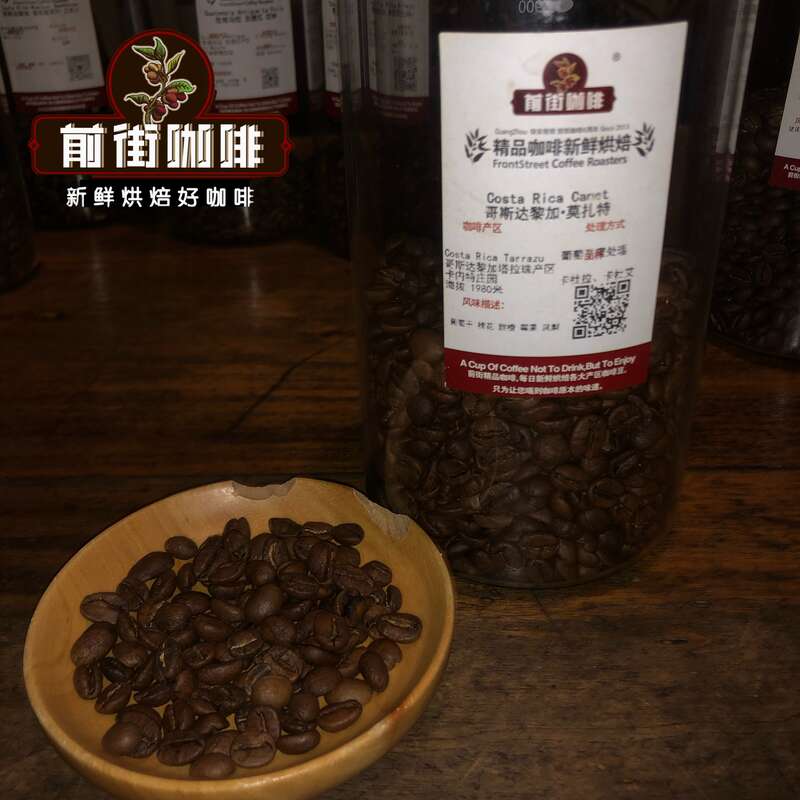
Country: Costa Rica
Region: Tarrazu
Altitude: 1800m
Varieties: Caturra, Catuai
Processing: Raisin anaerobic honey
Flavor: Raisin acidity, berries, floral, fermented wine aroma
This is Mozart, from the famous "Quartet" musician series of Carnet Estate.
The musician series exists because the owner of Carnet Estate loves classical music, so all the estate's beans are named after musicians. Carnet Estate sits in the highest altitude area of Tarrazu coffee cultivation in Costa Rica, using Caturra and Catuai for raisin honey and washed processing to produce the world-renowned musician series - "Beethoven," "Bach," "Chopin," and "Mozart" - grown at 1700-1950 meters, all SHB strictly hard high-altitude beans, with sweet flavors and rich fruit, wine, and tea aromas.
The prodigy Mozart, who represented the pinnacle of classical music, was utterly magnificent! Gorgeous aroma: elegant floral notes similar to white flowers like orange blossom, perceptible during brewing. Gorgeous taste: more dark berries, raisins, and traces of red berries, with light plum acidity and a gummy-bear-like sweetness in the middle and late stages - still floral and sweet when cooled. Unlike earlier versions, the old Mozart used yellow Catuai processed with red honey and was known for exuberant florals; this time it is the sweetness of Caturra and Catuai that represents Mozart.
FrontStreet Coffee Costa Rica Bach
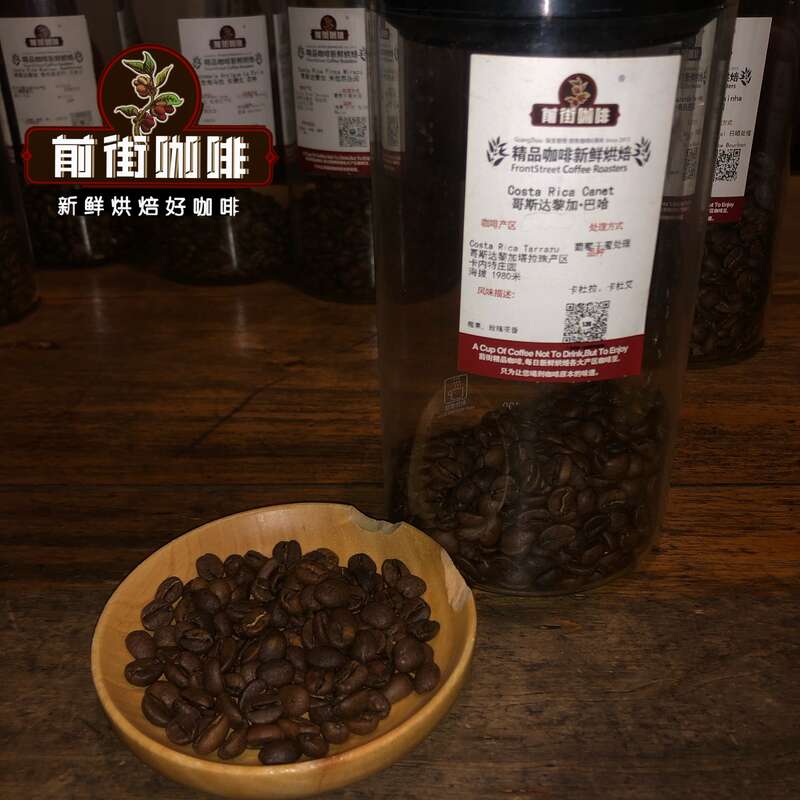
Country: Costa Rica
Region: Tarrazu
Altitude: 1950m
Varieties: Caturra
Processing: Raisin honey
Flavor: Fermented wine aroma, berries, fruit tea notes
This is Bach, from the famous "Quartet" musician series of Carnet Estate.
Bach's music is exquisite, rich in layers, yet clear and organized. FrontStreet Coffee believes the bean named Bach carries dry aromas of strawberry, blackberry, raisin, and other fruit notes, with fruit aromas wafting during brewing. Freshly brewed, floral and fruit aromas stand out, with rich fruit and a sweet-sour entry; the middle and late stages carry a light wine aroma like red wine. When cooled, candied-fruit sweetness emerges and the wine note becomes more obvious - even plum wine can be detected. Every sip feels like standing inside the gorgeousness and rigor of Baroque aesthetics.
FrontStreet Coffee Costa Rica Beethoven
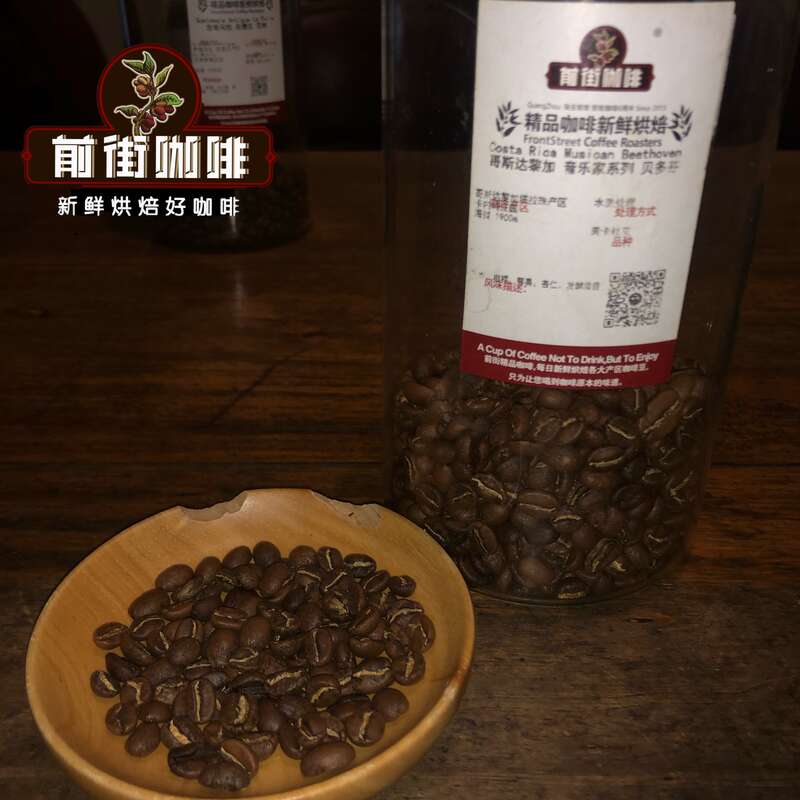
Country: Costa Rica
Region: Tarrazu
Altitude: 1800-1950 m
Varieties: Caturra, Catuai
Processing: Washed
Flavor: Citrus, berries, floral, light fermented wine aroma
This is Beethoven, from the famous "Quartet" musician series of Carnet Estate.
The most famous of romantic classical music is undoubtedly Beethoven. FrontStreet Coffee believes a coffee that evokes Beethoven's music naturally has extraordinary flavor: the dry aroma shows obvious red berries - strawberries most prominent - and emits florals. During brewing you can feel floral, nectar-like sweetness and green grapes. Beethoven coffee has the sweet-sour character of green grapes and red berries on entry, overall clean and smooth; when cooled, the red berries grow more obvious. Some foreign coffee blogs even call this a coffee with summer romance.
FrontStreet Coffee Costa Rica Mirazu Estate
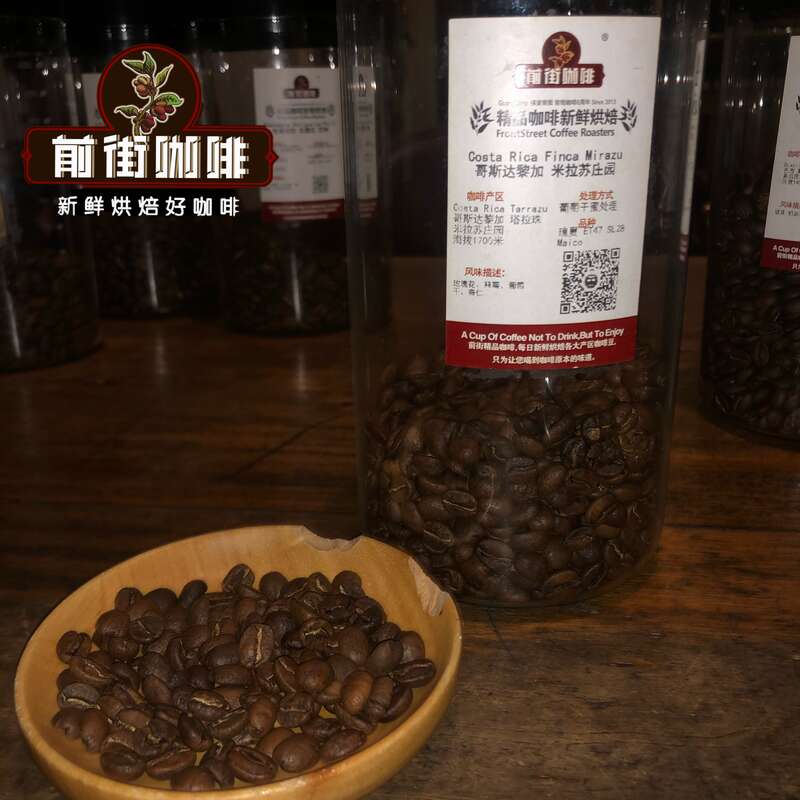
Country: Costa Rica
Region: Tarrazu
Altitude: 1700 m
Varieties: Geisha
Processing: Natural
Flavor: Strawberry, peach, cinnamon, jasmine
Mirazu Estate owner Esteban Sanches graduated from the coffee department of Costa Rica Agricultural University and is a particularly adventurous person. Friends jokingly call his estate the "scientist's estate," and he has become a coffee farmer known as "the scientist." Sanches approaches cultivation scientifically, constantly learning and adjusting in practice, arranging everything meticulously - from the orientation of seedling planting and row spacing to the fertilization sequence.
FrontStreet Coffee understands that Sanches was originally a family member of La Candelilla estate. Because of his insistence on his own beans, he independently established Mirazu. The machines on the estate, from design to assembly, were built by Sanches himself, and his modified machines are particularly powerful. His greatest pride: he can process all his coffee with just 100 liters of water, better protecting water resources. His roaster and huller are also his own designs - the huller can process two different beans at once, unlike typical machines. Because he pours time and energy into machines and coffee, nearby farmers call him "Dr. Machine" and a natural-processing expert - a title FrontStreet Coffee finds well-deserved!
FrontStreet Coffee Costa Rica Fire Phoenix Sapphire
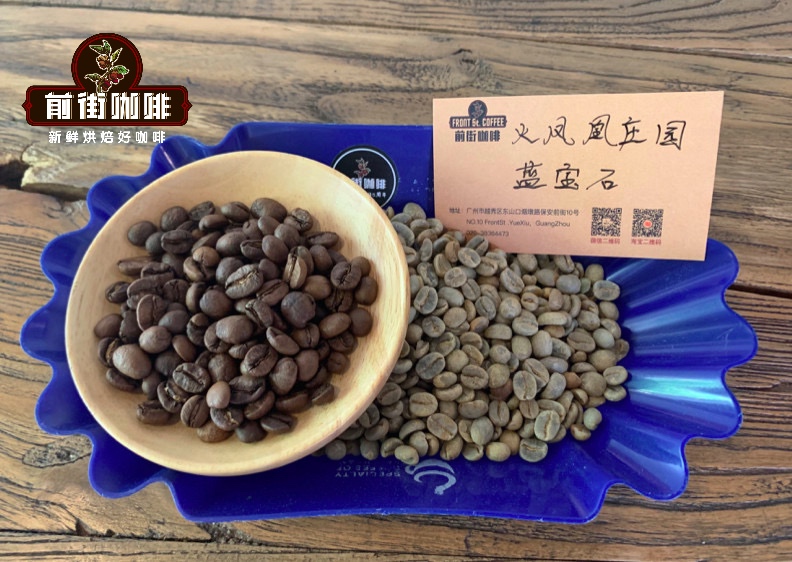
Country: Costa Rica
Region: Central Valley (Fire Phoenix Estate)
Altitude: 1300-1500m
Varieties: Caturra, Catuai
Processing: Natural
Flavor: Strawberry, tropical fruits, mint, honey, cocoa, fermented aroma
Fire Phoenix Estate is located in the Central Valley, the earliest coffee-growing area of Costa Rica. With moderate rainfall, an average annual temperature of only 19°C, and high altitude, the beans are hard, aromatic, smooth, high in acidity, full-bodied, and rich. The estate sits in the hilly area of Poas Volcano and was one of the earliest estates in Central and South America to begin honey and natural processing.
Fire Phoenix is also a completely 100% organically grown estate. The owner believes organic farming is the better choice for the environment and family health, so despite many technical and organizational challenges, they hold to this belief. The estate's coffee is highly distinctive, its biggest characteristic being amazing sweetness! It became famous competing in the 2009 specialty coffee competition, and during harvest season its techniques never fail to amaze.
FrontStreet Coffee Costa Rica Rume Sudan
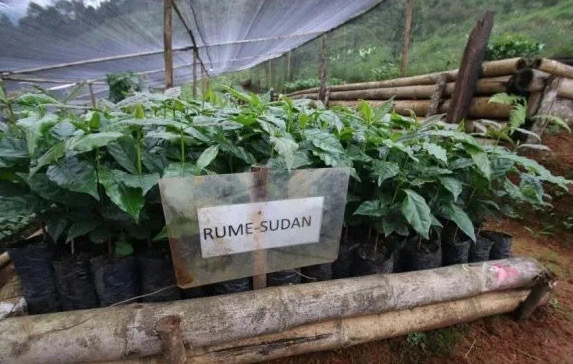
Country: Costa Rica
Region: Rume Valley
Altitude: 1250-1380m
Varieties: Rume Sudan
Processing: Washed
Flavor: Citrus, berries, oolong tea, sucrose
The Rume Sudan variety was discovered in 1940 in the Rume Valley of the Boma Plateau in southeastern South Sudan, near the Ethiopian border. The coffee world knows it by the code RS-510. It is essentially a wild coffee variety native to the African tropical forests of the Marsabit Mountains, characterized by bronze-colored leaves.
Not until 2015 did this Rume Sudan bean gain wide attention, as the competition bean of that year's WBC champion Sasa.
The variety rarely appears in public view. Though it has relatively strong disease resistance, its low yield means it is seldom grown on a commercial scale; it is used mainly in variety research to raise coffee flavor and disease resistance.
Rume Sudan - RS-510 - with its bronze leaves, is arguably the most useful Arabica genetic source when breeding experts create new varieties: cross a high-yield, poor-flavor variety with RS-510 and you typically get offspring with good flavor and better yield, because RS-510's flavor is stunning even though its disease resistance is average and yield very low.
Crossing RS-510 with higher-yield varieties therefore gives farmers new hybrids that combine high yield, strong disease resistance, and drinkable quality. Many well-known modern varieties - Castillo, Centroamericano, Colombia - were developed this way.
FrontStreet Coffee Costa Rica La Candelilla Geisha
Country: Costa Rica
Region: La Candelilla Estate
Altitude: 1750 m
Varieties: Geisha
Processing: Washed
Flavor: Lemon, jasmine, honey, green tea
FrontStreet Coffee understands that La Candelilla is a COE award-winning estate in Costa Rica. Costa Rican Geisha is a relatively young variety on the estate, and the varied local conditions and microclimates produce different flavors - all equally exquisite: rich acidity, long aftertaste, with obvious almond, plum, citrus, sweet floral, and berry aromas. "La Candelilla," translated as "the small candle," is named after the fireflies that light up nearby streams on summer nights.
La Candelilla is famous for its abundant fireflies and is a collection of nine small farms owned and operated by nine Sanchez siblings and their families. They work together in every aspect of production and combine their individual harvests, run by Hugo and his daughter Marcia; the operation they built together in 2000 lets them better control quality, efficiency, and costs.
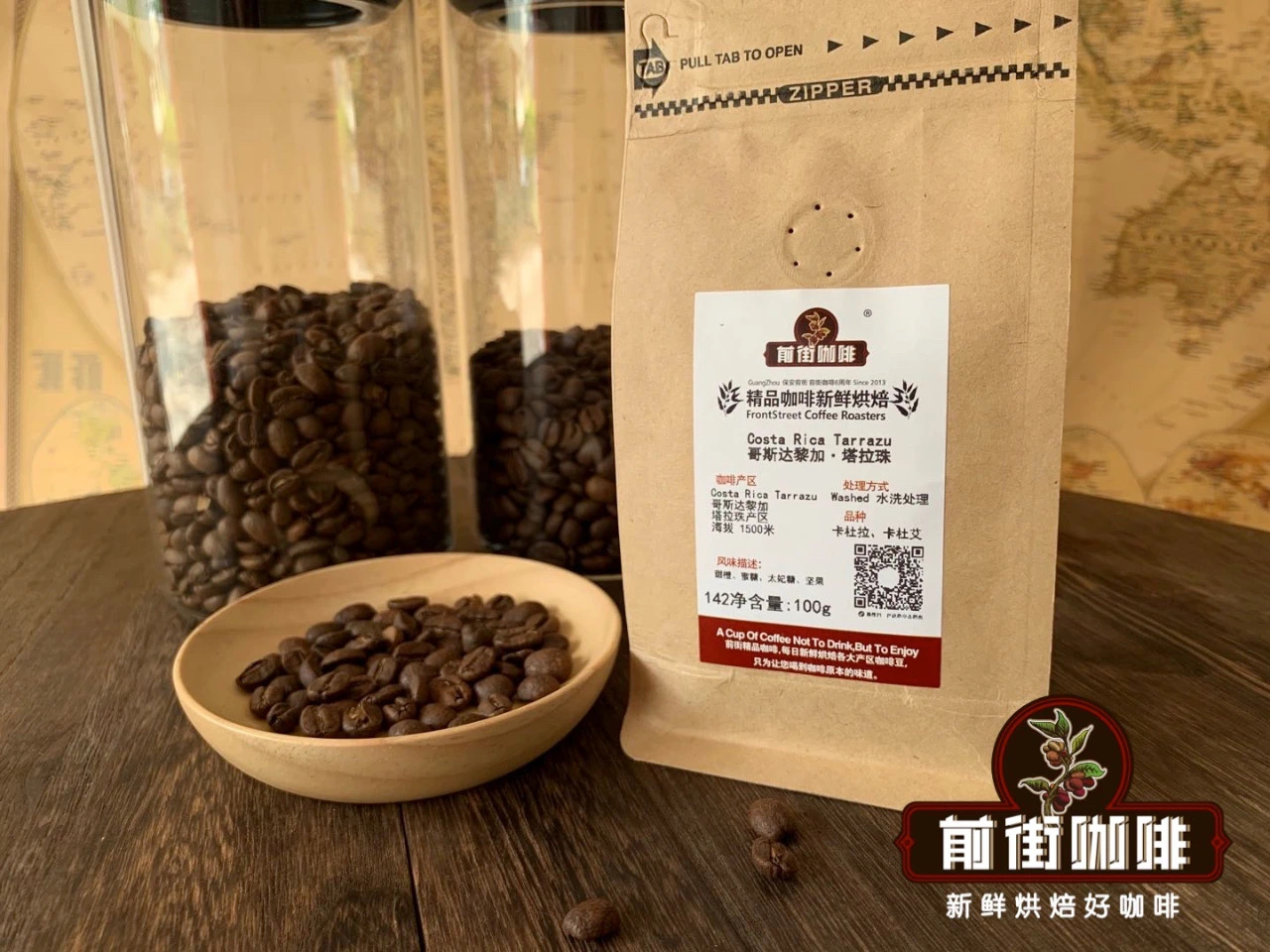
FrontStreet Coffee Costa Rica Tarrazu
Country: Costa Rica
Region: Tarrazu
Altitude: 1950m
Varieties: Caturra
Processing: Washed
Flavor: Sweet orange, nuts, honey
Tarrazu is extremely prestigious in specialty coffee and one of the world's major producing regions. In the 2014 COE competition, 17 of the 23 listed beans came from Tarrazu. The region lies in a fertile volcanic part of Central America with a humid climate, fertile volcanic-rock soil, abundant year-round rainfall, high altitude, and dense natural forest shade - unique natural growing conditions. No pesticides or artificial fertilizers are used in cultivation. Nearly 95% of the beans from the Tarrazu mountains are strictly hard beans (SHB), generally grown above 1500 meters.
Honduras
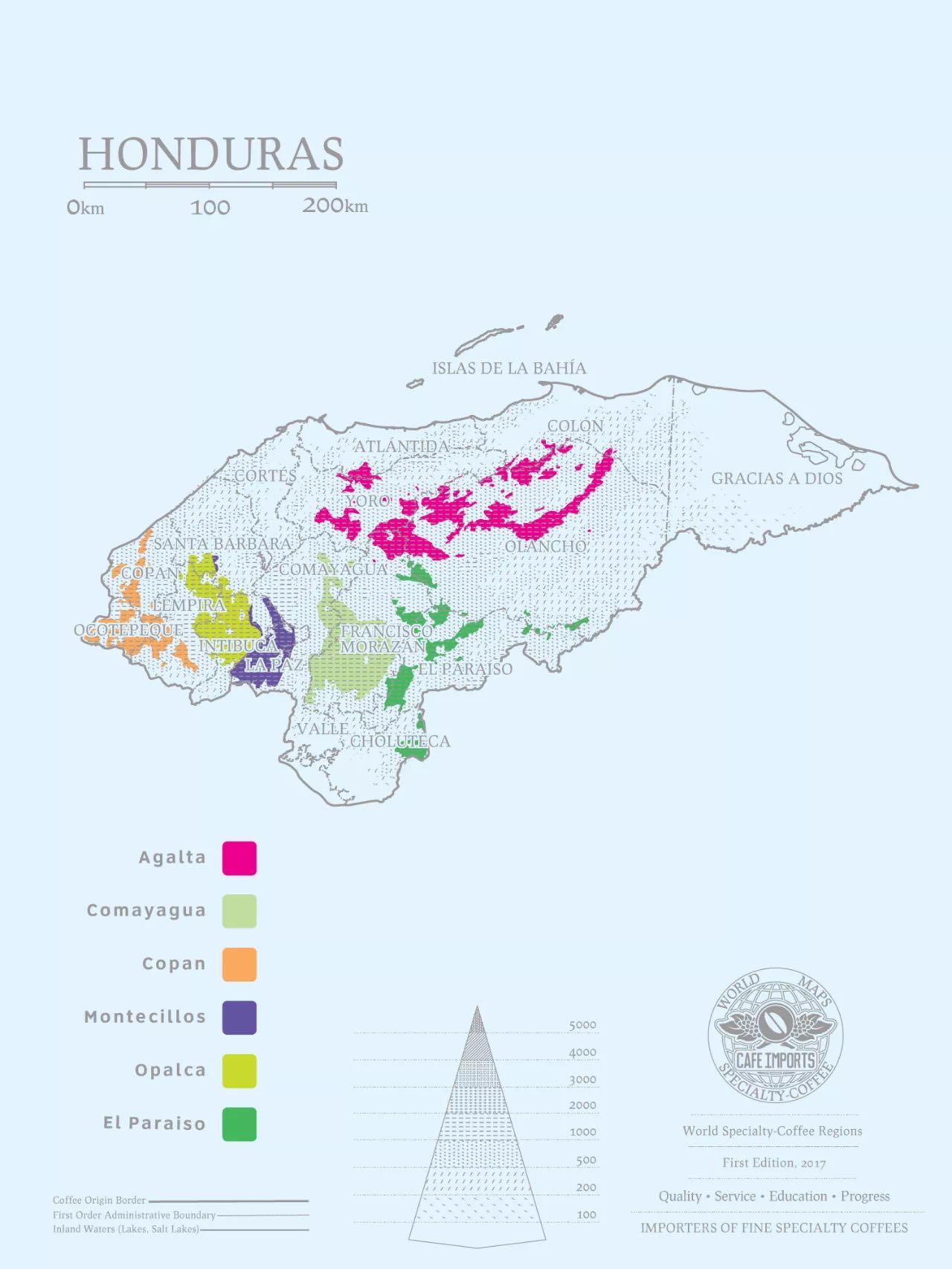
Honduran coffee divides into six major regions, mainly in the west and south: Copan, Opalaca, Montecillos, Comayagua, Agalta Tropical, and El Paraiso. Three are the main regions:
Montecillos: the highest-altitude region in Honduras, with bright, layered coffee flavor full of rich fruit and sweet aromas, with citrus notes.
Copan: chocolate flavor, full body, and high sweetness.
Agalta: balanced honey sweetness and acidity, with chocolate tones.
The recently popular Sherry and Lychee Lan beans, however, come not from the six major regions but from Masaguara, a city in the Intibuca province of southwestern Honduras.
Honduras's coffee industry developed quite late, far behind most neighboring Central American countries. With strong government support and lessons from Brazil's development model, it gradually caught up. Especially in 2010, the involvement and cooperation of Japanese specialty coffee gave Honduras the potential to become a star. Since 2011, Honduran production has surpassed Guatemala's, making it the largest coffee producer in Central America and a top-ten producer worldwide. FrontStreet Coffee believes Honduran coffee has unlimited potential!
Below are the Honduran coffee beans FrontStreet Coffee currently has:
FrontStreet Coffee Honduras Sweet Orange Estate
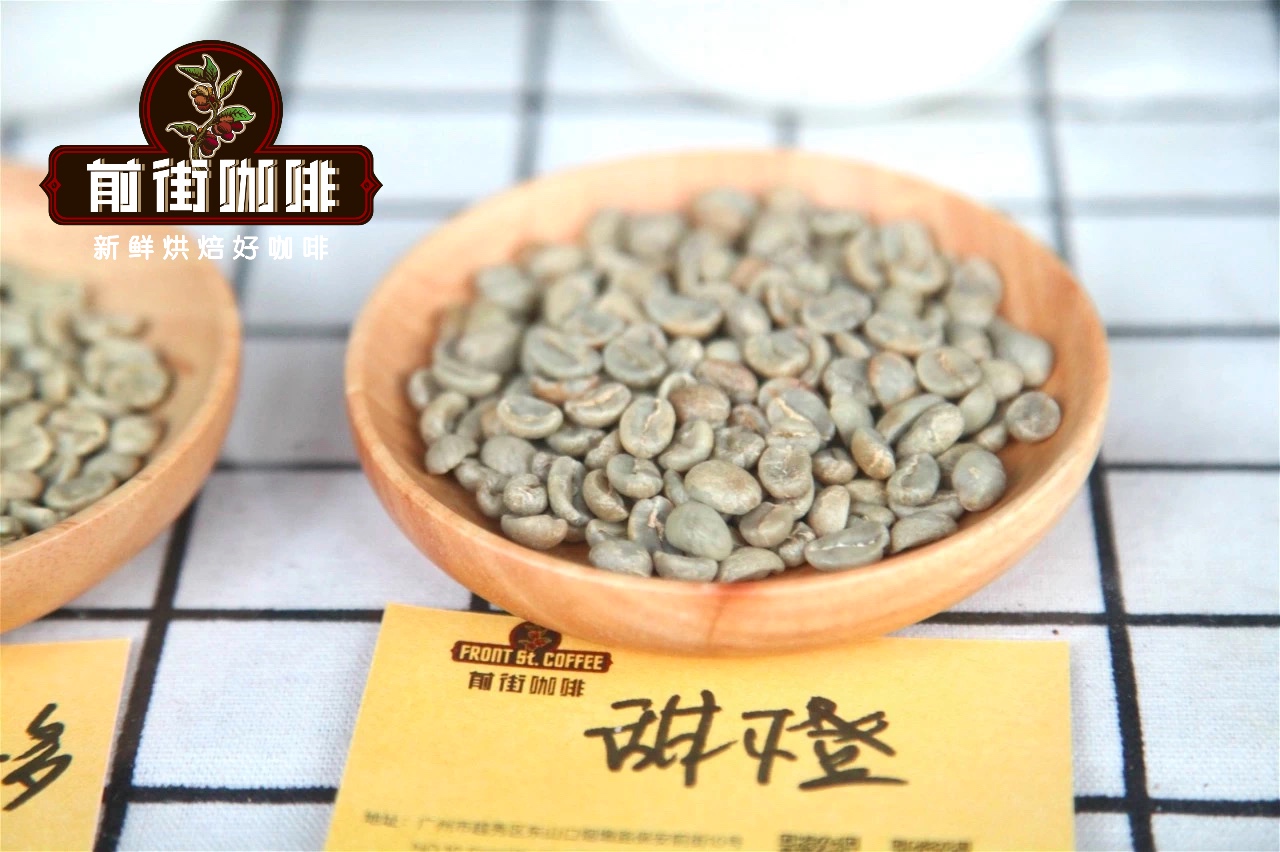
Country: Honduras
Region: Marcala
Altitude: 1425m
Varieties: Catuai
Processing: Washed
Flavor: Citrus, melon, floral, sucrose, orange peel, nuts, tea-like notes
FrontStreet Coffee understands that Sweet Orange Estate (El Naranjo) is located in Marcala, in the La Paz region, and its coffee can stand comparison with Honduras's other famous region, Santa Barbara.
The estate is named after its shade trees - tall wild orange trees.
FrontStreet Coffee Honduras Lychee Lan
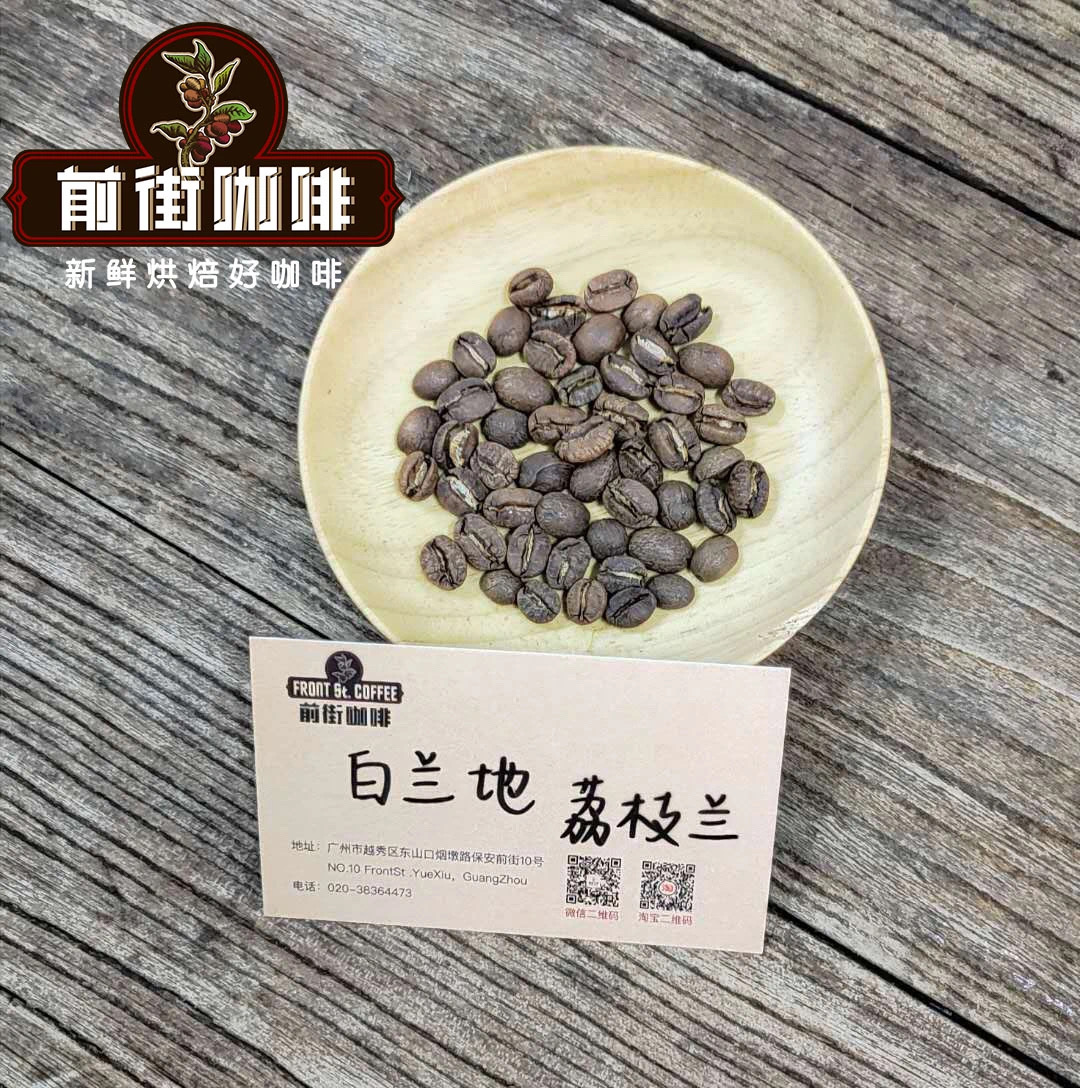
Country: Honduras
Region: Masaguara
Altitude: 1500-1700m
Varieties: Caturra, Catuai
Processing: Wine barrel fermentation
Flavor: Cream, dark chocolate, honey, lychee, brandy
FrontStreet Coffee's Lychee Lan carries a rich wine aroma with solid chocolate flavors in the later stage, leaving a deep impression. In recent years many mills have launched innovative processing methods: when the 90+ processes were still new, anaerobic and red wine processing emerged, and now oak wine barrel fermentation is in vogue - each new method making bean flavors much richer. This refined washed, brandy-barrel-fermented Lychee Lan first undergoes refined washing of the freshly harvested cherries, then rests in brandy oak barrels for low-temperature fermentation of 30-40 days (at roughly 15-20°C) so the green beans absorb the barrel's flavors, and is finally shade-dried. After barrel fermentation, the beans offer soft lychee and honey sweetness woven through full-bodied brandy wine aroma and oak fragrance.
FrontStreet Coffee Honduras Sherry
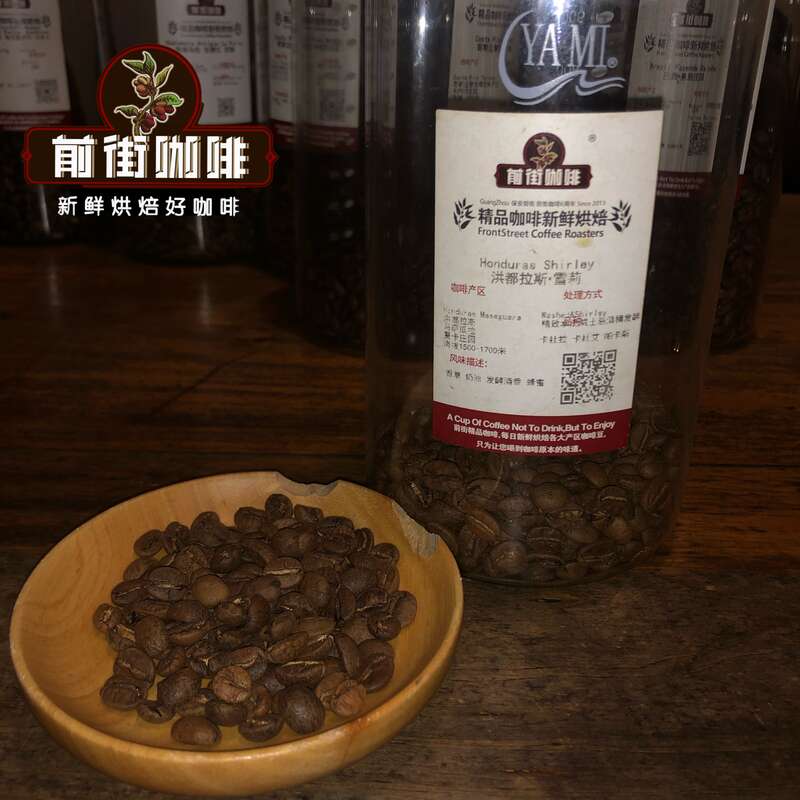
Country: Honduras
Region: Masaguara
Altitude: 1500-1700m
Varieties: Caturra, Catuai, Pacas
Processing: Wine barrel fermentation
Flavor: Vanilla, cream, whiskey, berries, dark chocolate, maple syrup
The Sherry coffee region lies in Masaguara, a city in Intibuca province in southwestern Honduras, where Moka Estate produces this wine-flavored coffee.
Because of the small quantity of green beans and the use of this fashionable fermentation method, Honduras Sherry has become one of FrontStreet Coffee's most distinctive offerings.
Honduras Sherry beans grow at 1500-1700 meters. FrontStreet Coffee's Sherry is a single blend of Caturra, Catuai, and Pacas. After refined washing, whiskey sherry barrel fermentation, and roasting, FrontStreet Coffee concluded through experimental brewing that the flavor shows whiskey, berries, almonds, and dark chocolate, with a maple syrup aftertaste and obvious vanilla and cream aromas after brewing.
Sherry barrels are the barrels used by sherry wineries in the whiskey industry for aging. Sherry production requires the Solera System aging process - mixing and aging sherries of different years after fortification - which is the unique aspect that forms sherry flavor.
Coffee fermented in sherry barrels naturally carries sherry flavors, forming an intoxicating, unique taste that has been very popular in recent years.
Jamaica
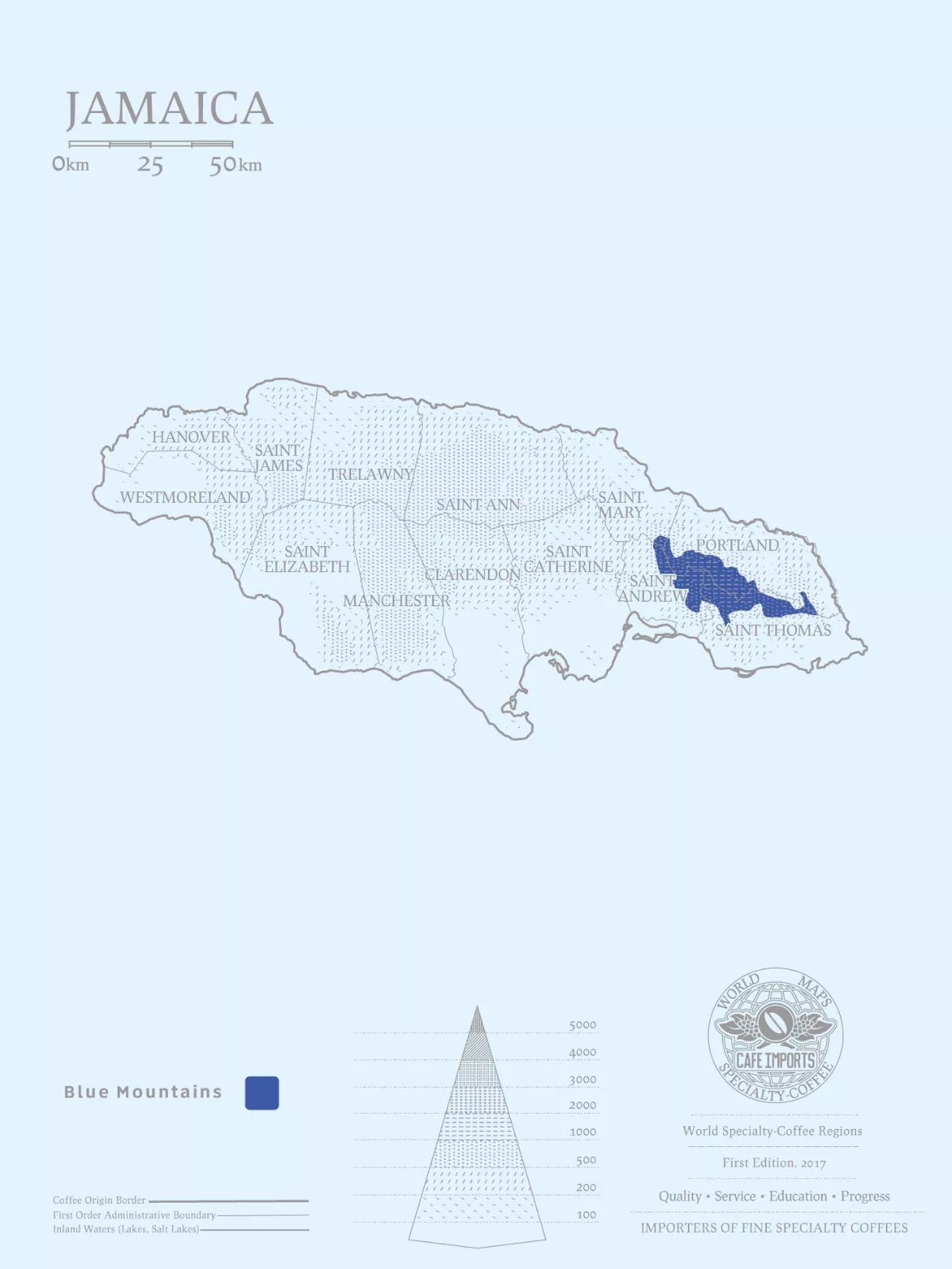
Jamaica is an island in the Caribbean Sea. Jamaica's Blue Mountain is the highest mountain in the western Caribbean (altitude 2256m, with only land below 1700m suitable for coffee - above that is protected forest). Blue Mountain lies in the coffee belt at 25 degrees north latitude, with fertile volcanic soil, fresh air, year-round rainfall, high humidity, large day-night temperature swings, and regular rainfall; the island's hazy cloud layers keep the coffee trees out of direct sunlight.
Jamaican Blue Mountain beans are mainly washed processed, to ensure the standard Blue Mountain flavor. But fortune smiled this year: a natural version of Blue Mountain has been successfully produced - an unprecedented innovative attempt. The R&D team went through countless hardships: not only did they need permission from Jamaica's Ministry of Agriculture to export non-washed green beans, they also made multiple visits to learn from excellent estates and adjust the processing plan.
Below is FrontStreet Coffee's introduction to Jamaican Blue Mountain coffee:
FrontStreet Coffee Washed Blue Mountain
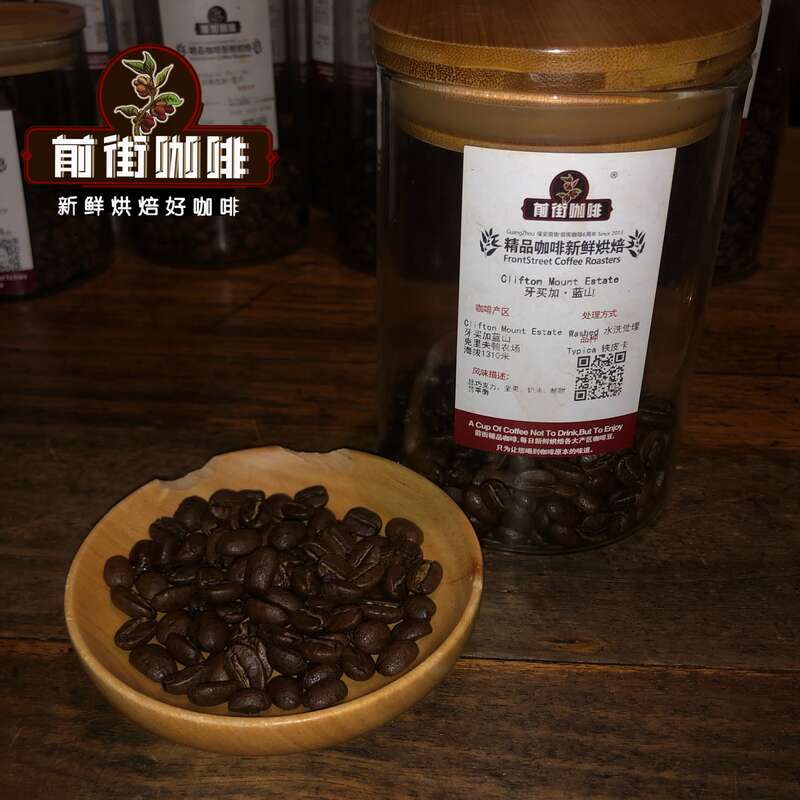
Country: Jamaica
Region: Blue Mountain
Altitude: 1310m
Varieties: Typica
Processing: Washed
Flavor: Dark chocolate, nuts, cream
FrontStreet Coffee's Jamaican Blue Mountain comes from Clifton Estate - Jamaica's oldest coffee production site still in normal operation, and the only Clifton Farm in Jamaica with "Rainforest Alliance" certification.
Before 2019, Clifton Farm's Blue Mountain was always washed processed. In processing, the skin and pulp are first removed and the beans fermented for 12-18 hours. The fermented beans are then moved back and forth in pools, using the friction of the beans and flowing water to wash them smooth and clean. After washing, the beans remain wrapped in parchment at 50% moisture and must be sun-dried down to 12-14%, otherwise they will continue to ferment, grow moldy, and rot.
Afterwards, the beans are screened and stored in dedicated warehouses.
Washed processing also ensures Blue Mountain keeps its rich aroma and balanced taste, with no flavor element too prominent or lacking.
FrontStreet Coffee Natural Blue Mountain
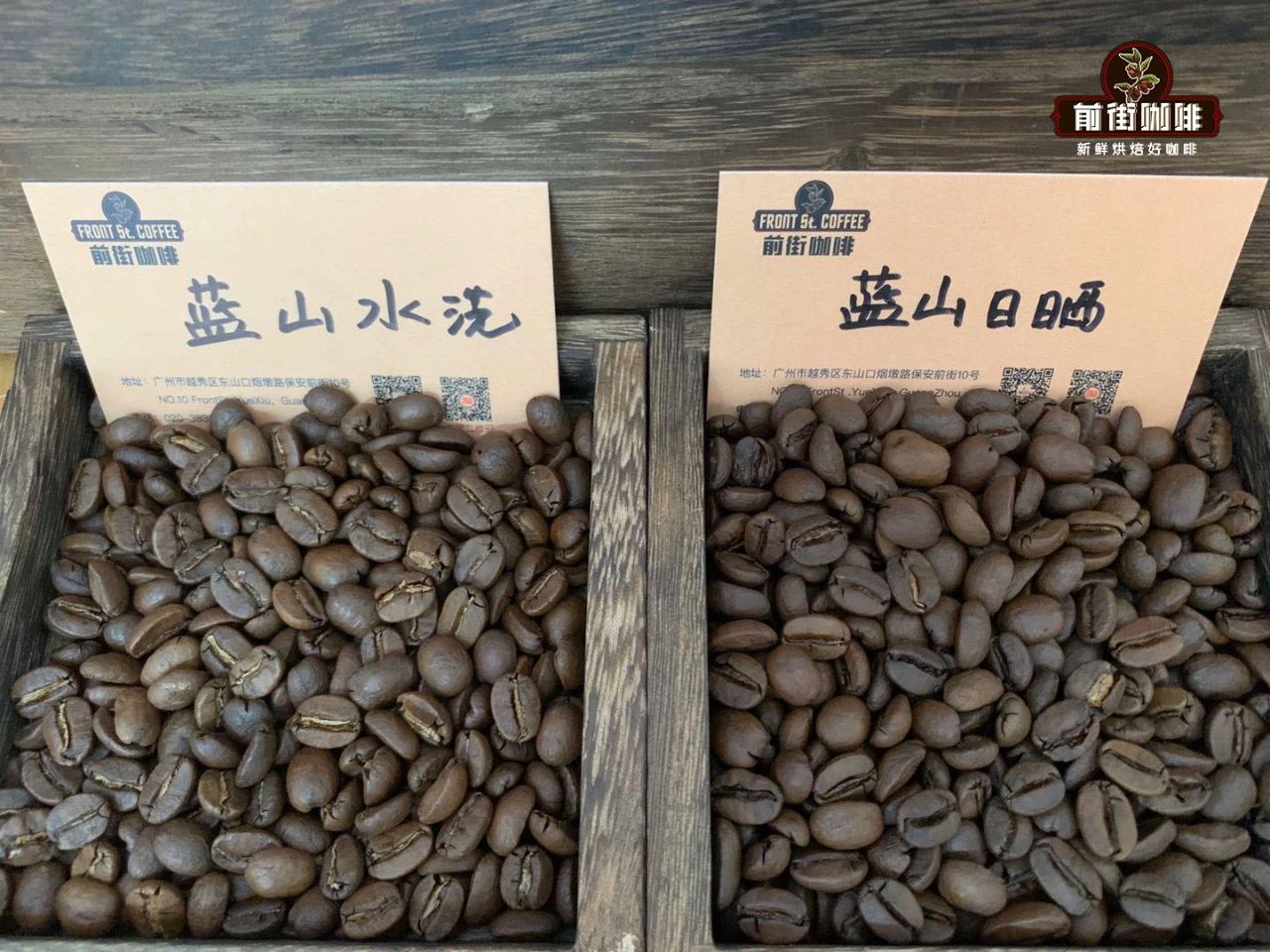
Country: Jamaica
Region: Blue Mountain
Altitude: 1310m
Varieties: Typica
Processing: Natural
Flavor: Berries, dark cocoa, cream, nuts, brown sugar
Influenced by the market, Blue Mountain began natural-processing trials in 2019 and first exported small batches of natural Blue Mountain in 2020.
For FrontStreet Coffee, natural processing changes Blue Mountain's inherent flavor structure. Whenever FrontStreet Coffee introduces beans from a region to guests, it first recommends the washed version, because washed processing best represents a region's true flavor.
Of course, Blue Mountain using natural processing is as much about following market development as anything else.
Conclusion
These are all the Latin American coffee beans FrontStreet Coffee currently has. We believe coffee enthusiasts now have a good understanding of Latin American coffee.
FrontStreet Coffee Recommendation
If this tour has whetted your appetite, FrontStreet Coffee's Brazil Queen (Fazenda Rainha) is the flagship place to start: Yellow Bourbon grown at 1400-1950m in the ancient volcanic valley of Vale da Grama, pulped natural processed, and medium roasted it delivers nuts, cream peanuts, fermented fruit, and sucrose sweetness - the essence of Brazilian premium coffee.
For a different Brazilian register, FrontStreet Coffee's Red Bourbon from South Minas (700-1200m, semi-washed) shows tropical fruit aroma and high sweetness, with the brighter acidity and wine-like notes that high-grown Bourbon is known for - a favorite of enthusiasts who love red wine flavors.
Among the Latin American lineup, the Colombia Huila daily bean (washed Caturra, 1500-1800m) is the easy all-rounder: nuts, dark chocolate, caramel, and soft fruit acidity in a full-bodied, balanced cup - and a reminder that whether the bean comes from Brazil's plateaus, Colombia's Andes, or Jamaica's Blue Mountains, Latin America's signature is always balance and body.
Important Notice :
FrontStreet Coffee is a long-established specialty coffee roaster in Guangzhou China, selling freshly roasted beans from its own farm in Yunnan as well as dozens of carefully selected single-origin beans from around the world for both pour-over and espresso. The products deliver consistently excellent quality and great value, with shipping within 24 hours. Guangzhou's FrontStreet Coffee shop is recommended by many coffee lovers, and the beans are now available online at the Tmall 。
FrontStreet Coffee has moved to a new address:
FrontStreet Coffee Address: 315,Donghua East Road,GuangZhou
Tel:020 38364473
 Scan and follow the En Gafei WeChat official account. Please indicate that the reprint comes from "En Gafei".