The Story of Kochere Coffee Region in Ethiopia How Much Does a Cup of Washed Ethiopian Coffee Cost

ETHIOPIA, YIRGACHEFFE, KOCHERE
In 1995, Ethiopia redrawn its regional boundaries, and the now-familiar Yirgacheffe was placed within the Gedeo zone of the newly created SNNPR (Southern Nations, Nationalities, and Peoples' Region). Yirgacheffe sits in central Gedeo, roughly 25 miles north of Kochere, where the famous Yirgacheffe town lies. Production there is dominated by smallholder farmers who deliver their harvests to cooperatives for centralized processing, and for years the area has been celebrated as one of the finest coffee origins in southern Ethiopia.
The Kochere Growing Region
Kochere sits on a highland plateau at altitudes of 1,650 to 1,800 meters above sea level.
Ethiopia's main harvest falls in November and December. Most farmers still work without modern agricultural inputs, tending their coffee trees by hand and using no harmful pesticides or herbicides. As a result, virtually all Ethiopian coffee is organic by default, certified or not. This combination of traditional cultivation and careful processing has made the region's coffee world-famous. The owner of Neko farm notes: "This time we didn't have time to prepare, but for the next harvest we will pursue RFA organic certification."
Washed processing of Ethiopian coffee demands more resources (particularly water) than natural processing, but it yields higher-quality green coffee. The beans are spread evenly on raised drying beds for good ventilation and turned regularly to prevent over-fermentation.
Washed coffee shows a brighter acidity than natural, which gives Yirgacheffe its characteristic "clean" cup. We favor washed Yirgacheffe precisely for that clarity.
Origin Information
Ethiopia, Yirgacheffe, Kochere
Grade: G1
Variety: Heirloom
Altitude: 1650-1800 meters
Processing Method: Washed
Flavor Profile:
Fruity, fresh jasmine aroma, berries, citric acidity, pineapple, apple, smooth, clean, long aftertaste
Washed vs. Natural Yirgacheffe - Part One
Coffee cherries must be processed immediately after harvest, or they will begin to ferment and pick up off-flavors. There are two principal processing methods, "natural" and "washed," and they produce distinctly different flavor profiles.
Natural processed beans offer a complete, mellow flavor with gentle aromatics and fuller body.
Washed processing delivers clean flavors, high aromatic intensity, and lively acidity.
Natural Process (dried in the fruit):
The cherries go straight from harvest onto the drying patios with no prior treatment — the oldest processing method still in use. Drying typically takes about 4 weeks, and the process must be managed very carefully so the coffee loses none of its flavor.
Fully Washed Process:
This method uses washing and fermentation to remove the pulp, mucilage, and parchment. Farms that wash their coffee must build washing tanks and have access to a continuous supply of fresh water. During processing, the fermented beans are agitated in the tank, and the friction between the beans combined with flowing water scours them until they are smooth and clean.
After washing, the beans are still enclosed in parchment at roughly 50% moisture content, and they must be dried down to 12%; otherwise they will keep fermenting and turn moldy.
Sun-drying is the better drying method: it takes 1-3 weeks but produces excellent flavor characteristics, which is why it is so popular.
Part Two: Differences in Appearance
Green beans: Washed green beans are generally bluish-green, while natural processed beans are yellowish-green.
Roasted beans: Washed Yirgacheffe shows more silver skin, while natural Yirgacheffe shows less.
Differences in Dry Aroma:
Natural Yirgacheffe: A light fermented, winey note with spicy fragrance.
Washed Yirgacheffe: Jasmine florals with lemon or lime acidity.
Cupping Analysis
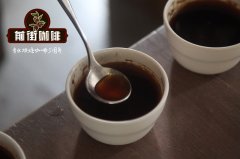
Natural Yirgacheffe: The natural process is somewhat complex — a light fermented wine note, far more intense fruit flavors, honeyed sweetness, cocoa with hints of spice, full body, and a persistent finish.
Washed Yirgacheffe: The washed process brings brighter, citric-acid-like acidity, a cleaner mouthfeel, more pronounced citrus notes, and a touch of black tea in the finish.
What they share: Both show fruit acidity reminiscent of lemon and other citrus.
Roasting Analysis
A light roast makes Yirgacheffe's tropical fruit aromas more vivid and rich. The gentle initial acidity is like the fragrance of a fresh apple, and it actually deepens the coffee's body, turning the bitterness aromatic and memorable. Coffee is, at heart, a fruit — and preserving those sweet-and-sour fruit flavors through a high-temperature roast is exactly what makes Yirgacheffe special.
Roaster: Yangjia 600g semi-direct heat
Using a fast-roast profile: preheat to 200°C with the damper at 3. After 1 minute, reduce heat to 160°C, damper unchanged. At 4'50", the temperature reads 150°C, the bean surface turns yellow, the grassy smell disappears completely, and dehydration is done. Reduce heat to 130°C and open the damper to 4.
At 8 minutes, wrinkles and dark spots appear on the bean surface and the toast aroma clearly shifts into coffee aroma — the prelude to first crack. Listen carefully from here. First crack begins at 8'20"; reduce heat to 70°C and open the damper fully (take care when cutting the heat — don't reduce it so far that the cracks stop). Drop the beans at 192°C.
This roast is a fast-roasted light roast.
Brewing Analysis
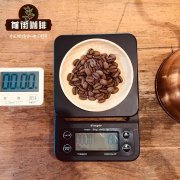
First brew: V60 dripper, 15g of coffee, 90°C water, grind setting 4, water-to-coffee ratio of roughly 1:16
35g of water for the bloom, bloom time 35 seconds.
Segmented pour: Pour to 110ml, pause, then pour slowly up to 230ml.
Taste: A little thin.
How to Fix a Weak Pour-Over - Part One:
Keep everything else the same and simply grind finer. This increases the number of particles absorbing water and holds hot water in the bed longer, naturally raising the coffee's concentration.
Alternatively, keep everything the same and raise your dose by 3-5 grams at the same grind setting. This deepens the coffee bed, improves water contact, and boosts concentration as well.
Second brew (corrected): V60 dripper, 15g of coffee, 88.9°C water, grind setting 3.5,
water-to-coffee ratio of roughly 1:15.
35g of water for the bloom, bloom time 32 seconds.
Segmented pour: Pour to 110ml, pause, then pour slowly up to 228ml.
Taste: Smooth, with a much fuller flavor.
FrontStreet Coffee Recommendation
If you're new to Ethiopian coffee, start with FrontStreet Coffee's washed Yirgacheffe everyday selection. It is loved for its white jasmine florals, bright citrus and lemon acidity, and delicate tea-like finish, and its friendly price has made it the classic first specialty bean for beginners. Yirgacheffe itself is a small town in southern Ethiopia's Sidamo region, with coffee grown at 1,700-2,100 meters — some of the highest coffee elevations in the world — and since 2010 it has been recognized as its own appellation, separate from Sidamo.
FrontStreet's recommended brew for this bean: a V60 dripper, 15g of coffee, water at 90-91°C, a 1:15 water-to-coffee ratio, and a medium-fine grind about the texture of fine granulated sugar (sieved through a #20 sieve to roughly 80% pass). Bloom with 30g of water for 30 seconds, then pour to about 125g total within the first minute; once the water level drops to two-thirds of the bed, pour the remaining 100g to about 225g total, finishing the pour around 1 minute 35 seconds. Drainage completes between 2:00 and 2:10 — then lift the dripper and enjoy.
Important Notice :
FrontStreet Coffee is a long-established specialty coffee roaster in Guangzhou China, selling freshly roasted beans from its own farm in Yunnan as well as dozens of carefully selected single-origin beans from around the world for both pour-over and espresso. The products deliver consistently excellent quality and great value, with shipping within 24 hours. Guangzhou's FrontStreet Coffee shop is recommended by many coffee lovers, and the beans are now available online at the Tmall 。
FrontStreet Coffee has moved to a new address:
FrontStreet Coffee Address: 315,Donghua East Road,GuangZhou
Tel:020 38364473
 Scan and follow the En Gafei WeChat official account. Please indicate that the reprint comes from "En Gafei".