Reasons for High Defect Rate in Sumatra Coffee Beans and What Are the Defective Flavors
Why Does Mandheling Require So Many Hand-Sorting Rounds?
Today, let's take a close look at the wet-hulled (Giling Basah) processing method...
Sumatran Coffee Bean Processing - Wet Hulling Method
March to May and September to December are the harvest seasons for Mandheling in Sumatra. Nowadays most farmers pick only fully red cherries. After gathering the cherries in the morning, they remove the skin and pulp in the afternoon. Sumatra's natural environment is superb, and most of the processing water comes from mountain springs.
The Wet Hulling Process
1. Removing the Coffee Fruit Skin
The cherries are peeled, and the beans in parchment go into large water tanks or troughs. Defective beans floating on the surface are skimmed off and discarded.
2. Dry Fermentation
The dense beans that sink are briefly washed, then placed in buckets or plastic bags for a short dry fermentation, allowing the pectin sugars on the seed coat to ferment and deepen flavor. Generally, longer fermentation produces stronger acidity. Durations vary by producer, typically just a few hours — though often cited as falling in a 12-36 hour window depending on conditions. Some estates skip fermentation entirely and sun-dry the parchment beans directly, suppressing acidity and building a more viscous mouthfeel.
3. Wet Hulling and Final Drying
The parchment beans are sun-dried for one to two days until the moisture content reaches 30%-50%, while the beans are still semi-hard and semi-soft. A hulling machine then strips the parchment, and drying continues to accelerate the process. After about two more days, at a moisture content of 12%-13%, the beans are packed into woven bags (typically 40kg and 80kg) and sent to processing plants for final hulling. The whole process takes about four days.
Hulling grinds off the bean shells, after which the beans are dried further until moisture reaches roughly 12%-15%, then machine-sorted to remove impurities and classified by particle size.
Unexpected Challenges
Of course, unexpected issues can arise during processing.
During hulling, bean temperatures can rise to 30-60°C, which destroys the parchment layer completely and may even trigger germination in the beans.
Wet hulling also produces higher rates of defective beans, including moldy ones, than washed or natural processing. The reason is that the skin and pulp are removed early, exposing the beans directly to the air.
Mold Contribution to Flavor Development
Coffee beans have four protective layers: fruit skin, pulp, parchment, and silver skin. In washed processing, only the first two are removed, preserving the parchment and silver skin through sun drying. Wet hulling strips the third and fourth layers midway, leaving the beans exposed as they dry — which is why Sumatran green beans show a blue-green color. Wet hulling shortens drying time, but it greatly increases the likelihood of contamination by mold, fungi, and yeast.
Interestingly, contamination isn't necessarily bad — it depends on the microorganism. Dr. Martha Taniwaki of the Brazilian Food Technology Research Institute experimented with different fungal strains infecting coffee beans and found they produced a range of flavors, including rot, rancidity, mold, wood, iodine, caramel, chocolate, and floral notes. The academic community believes Sumatran coffee's woody, herbal, earthy, banana, and spice notes are largely the work of mold.
Roasting plant managers often report that some mold-infected beans taste better after thorough cleaning while others become unpalatable — again, it depends on the mold species. Perhaps harmful molds could be suppressed while beneficial ones are encouraged, similar to the "taming wild yeasts" and "cultivating elegant yeasts" ideas in winemaking. Which molds enhance coffee flavor and which harm it remains an open research question.
High Incidence of Elephant Beans
Wet hulling can trigger germination in green beans, affecting flavor. Beans stripped of all four protective layers are more exposed than washed beans (which lose only two), making germination more likely. This activates the metabolism of sugars, proteins, and fats — all precursor aromatic compounds in coffee.
In addition, the friction of hulling heats the beans to 30°C-60°C, further promoting germination and mold growth. And because the beans are semi-hard and semi-soft, they are easily damaged by mechanical force during parchment removal, tending to crack and split like cloven hooves — hence the higher proportion of "elephant beans" in Sumatra. Whether elephant beans help or hurt the cup remains debated.
Producers put it this way: with proper control, what emerges is rich fruit aroma and sweetness. The key to control is keeping equipment and beans clean, and drying rapidly after hulling — that yields the mellow, low-acidity, sweet Sumatran profile. Poor control produces bland coffee or even moldy, earthy flavors. If stronger acidity is preferred, Aceh coffee can also be washed-processed, depending on customer requirements.
Summary of Wet Hulling Flavor Profile
To summarize: aside from subtle differences, wet-hulled beans generally carry earthy, smoky, and chocolate flavors, with what is considered "low acidity" and a full body that can seem somewhat heavy or muted.
The low acidity comes from the shorter, less effective fermentation and the longer drying time (see the fermentation section above). As for the "earthy" character of wet-hulled beans, opinions vary widely: some attribute it to the varieties used in wet-hulling regions (Timor hybrid & Catimor, with Robusta heritage), others to the interaction between green beans and external organic matter, and some even to excessive defective beans. There are plenty of theories...
Defect sources in wet hulling are numerous. Natural defects in the cherries are inevitable. The hulling step itself contributes, along with damage during transport of wet parchment beans, harm to exposed green beans from sun and moisture, and inconsistent weather causing uneven drying that detracts from flavor. Why does Mandheling require so many rounds of hand sorting? There is certainly a reason...
Comparison of Green Bean Processing Methods
Finally, a summary of the characteristics of the main processing methods:
Acidity: Washed > Semi-washed > Honey > Wet Hulling > Natural
Sweetness: Natural > Honey > Wet Hulling > Semi-washed > Washed
Production Risk: Wet Hulling / Natural > Washed / Honey > Semi-washed
Equipment Cost: Washed / Semi-washed > Honey / Wet Hulling > Natural
Water Usage: Washed > Semi-washed > Honey / Wet Hulling
FrontStreet Coffee Recommendation
If this article has you craving the classic Sumatran profile, the highest-grade place to start is FrontStreet Coffee's PWN Gold Mandheling, produced by Indonesia's PWN company to an exceptionally strict standard: beans screen-size 18 or larger, fewer than 3 defects per 300g green sample to meet the top G1 grade, followed by three rounds of hand sorting that completely remove defective beans and boost clarity and sweetness. Roasted medium-dark, it shows a rich roasted aroma, a clean cup, and full body — ideal for anyone who dislikes acidic coffee.
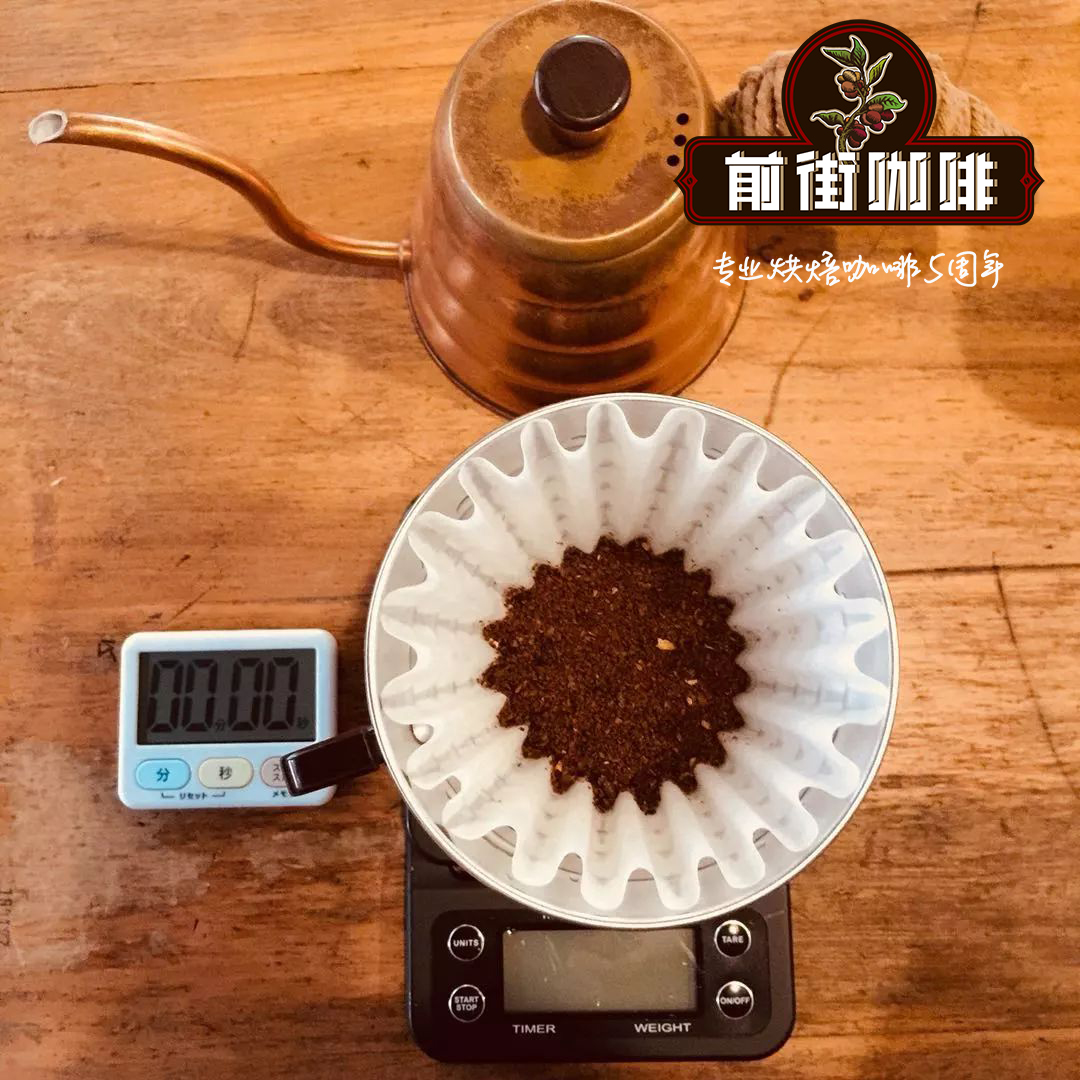
For pour-over, FrontStreet recommends 87-88°C water, 15g of coffee at a coarse-sugar grind, a 1:15 ratio, and a three-stage pour: 30g bloom to wet the grounds and degas, then 100g to lift the bed and bring up the golden foam, then a final gentle 95g center pour to heighten sweetness — yielding a thick, velvety body with caramel sweetness and chocolate and nut notes. For a darker, wilder cup, FrontStreet's Lintong Mandheling from the traditional Lake Toba region offers clove and woody aromatics, spice and mint notes, low acidity, and a strong, persistent sweetness; and Mandheling is equally striking as espresso or in FrontStreet's classic blend, where it adds butter, roasted chestnut, sandalwood, herbal, and spice character plus extra crema.
Important Notice :
FrontStreet Coffee is a long-established specialty coffee roaster in Guangzhou China, selling freshly roasted beans from its own farm in Yunnan as well as dozens of carefully selected single-origin beans from around the world for both pour-over and espresso. The products deliver consistently excellent quality and great value, with shipping within 24 hours. Guangzhou's FrontStreet Coffee shop is recommended by many coffee lovers, and the beans are now available online at the Tmall 。
FrontStreet Coffee has moved to a new address:
FrontStreet Coffee Address: 315,Donghua East Road,GuangZhou
Tel:020 38364473
 Scan and follow the En Gafei WeChat official account. Please indicate that the reprint comes from "En Gafei".