Sharing | How to Roast Washed Yirgacheffe Coffee Beans? How Much Does a Cup of Washed Yirgacheffe Coffee Cost
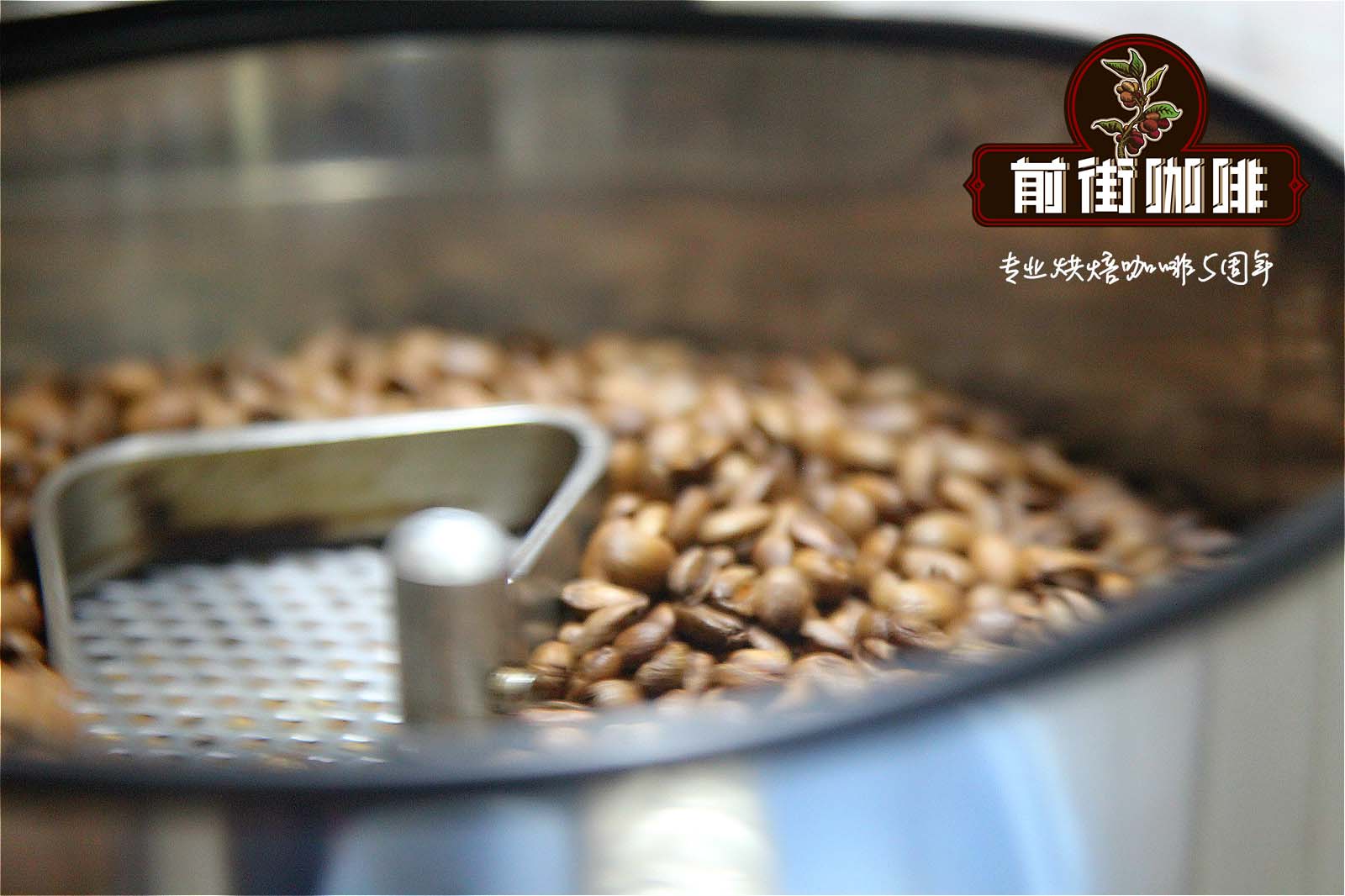
Exploring Ethiopian Sidamo Coffee Bean Roasting Curves
Recently, while dialing in a new batch of washed Ethiopian Sidamo coffee beans - the Flower Queen variety - I fixed the pre-first-crack curve and then changed only the length of the development stage and the drop temperature, to see what effect that had on flavor.
This Sidamo bean's reference flavors feature distinct floral notes, lemon and citrus, lime-like acidity, and a peach aroma after cooling.
With that flavor profile in mind, I decided to shorten the Maillard reaction time and run a relatively fast curve. Because the beans are dense and hard, I started with high heat for dehydration, then reduced the heat before first crack to slow the rate of rise and ease into first crack, trying to limit the loss of floral and other small-molecule aromatics.
Because of daily production needs, I chose a 550 g batch size (a full load) for the beans.
Roasting Parameters
Charge Temperature: 200°C
Yellowing Point: 154°C @ 5 minutes 20 seconds
First Crack: 183.5°C ± 0.5°C @ 8:20 ± 3 seconds
Three curves were run, changing only the drop temperature and development time:
First Batch: 190.5°C @ 1 minute 20 seconds
Second Batch: 191°C @ 1 minute 40 seconds
Third Batch: 192°C @ 2 minutes
Cupping Results the Next Day
First Batch
The wet aroma showed distinct, strong green tea and floral notes. On the slurp there were aromas of green tea, jasmine, lime, and cane sugar. The mouthfeel was light and clean, with soft, fresh acidity, but the aftertaste was insufficient, with only some sweetness remaining in the mouth. Still, it drank very light - like drinking a cup of tea rather than coffee.
Second Batch
The wet aroma had yellow lemon, floral notes, black tea aroma, and distinct citrus tones. On the slurp there were aromas of black tea, yellow lemon, caramel, and jasmine. At this roast level the flavors began to grow richer and more substantial. The initial acidity was deeper than the first batch, sweetness was perceived more quickly, and the sweetness level was higher. Overall, though, it was not as clean and transparent as the first batch - but it was more balanced.
Third Batch
The wet aroma had mature citrus, caramel, and osmanthus fragrances. On the slurp there were aromas of caramel, ripe yellow lemon, osmanthus, cream, and stone fruit. On entry, although the tea-like sensation was still present, the tea aroma was no longer as distinct as in the first two batches. The aroma complexity was higher, but the tones were deeper with less transparency. The acidity lost its previous liveliness and brightness, instead showing cream aroma and higher sweetness, with even fruit notes.
Sidamo Coffee Bean Brand Recommendations
FrontStreet Coffee's roasted Sidamo Flower Queen coffee beans stand behind both brand and quality, and offer outstanding value. At 15 grams of coffee per cup, a 227-gram package makes 15 cups.
FrontStreet Coffee Recommendation
FrontStreet Coffee's Sidamo Flower Queen is the bean behind the roasting experiment above, and it rewards a fast, light curve - the kind that preserves the florals, lemon, and lime acidity while keeping the peach note that appears as the cup cools. If you are roasting or buying it, aim for the second batch's balance: a drop near 191°C with about 1 minute 40 seconds of development brought out the richest and most balanced cup in the trial, with black tea, yellow lemon, caramel, and jasmine.
Drinkers who want the same flavor family without the roast work can reach for FrontStreet's washed Yirgacheffe, the classic entry into Ethiopian specialty coffee. It is known for white jasmine, bright citrus and lemon acidity, and a clean tea-like body, and its Gotiti cooperative lot - graded G1 and washed in the traditional style - shows citrus and lemon acidity under an elegant white floral note. For a fruitier, more tropical take, FrontStreet's sun-dried Red Cherry lot keeps the region's character while adding tropical fruit, a full fermented sweetness, and a creamy smoothness.
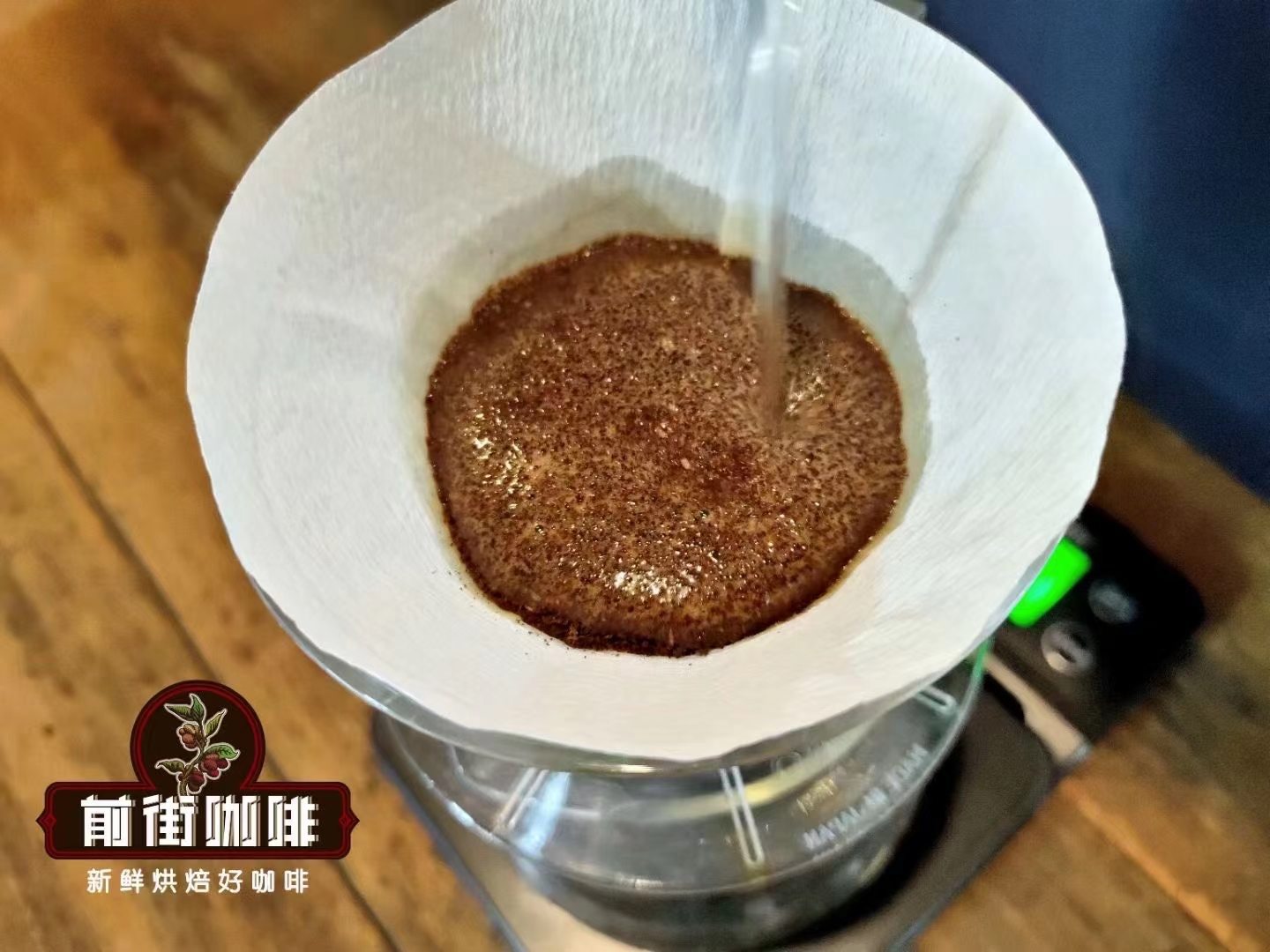
To brew any of these to showcase the floral and citric side, FrontStreet suggests a V60 at a 1:15 ratio, 15 g of coffee, and 90-91°C water, ground to about fine white sugar (EK43s setting 10, with 80% passing a No. 20 sieve). A 30 g bloom for 30 seconds, then a pour to 125 g completing near one minute, then the remaining water to about 225 g at roughly 1 minute 35 seconds, finishes the extraction in 2:00 to 2:10.
Important Notice :
FrontStreet Coffee is a long-established specialty coffee roaster in Guangzhou China, selling freshly roasted beans from its own farm in Yunnan as well as dozens of carefully selected single-origin beans from around the world for both pour-over and espresso. The products deliver consistently excellent quality and great value, with shipping within 24 hours. Guangzhou's FrontStreet Coffee shop is recommended by many coffee lovers, and the beans are now available online at the Tmall 。
FrontStreet Coffee has moved to a new address:
FrontStreet Coffee Address: 315,Donghua East Road,GuangZhou
Tel:020 38364473
 Scan and follow the En Gafei WeChat official account. Please indicate that the reprint comes from "En Gafei".