Panama Elida Estate | A Century of Super Premium Coffee Producer: Elida Estate Natural Typica Special
Panama Elida Estate Natural Typica
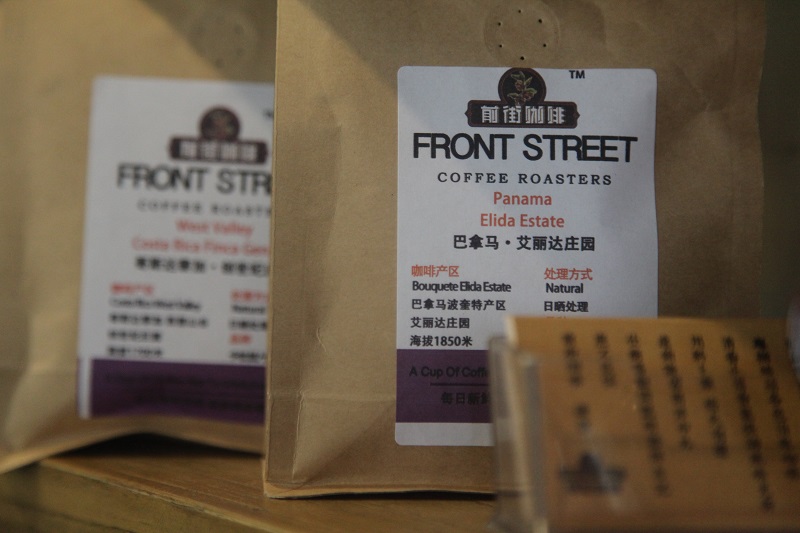
FrontStreet Coffee · Panama Elida Estate Natural Typica
Region: Boquete, Panama
Estate: Elida Estate
Altitude: 1850 meters
Variety: Typica
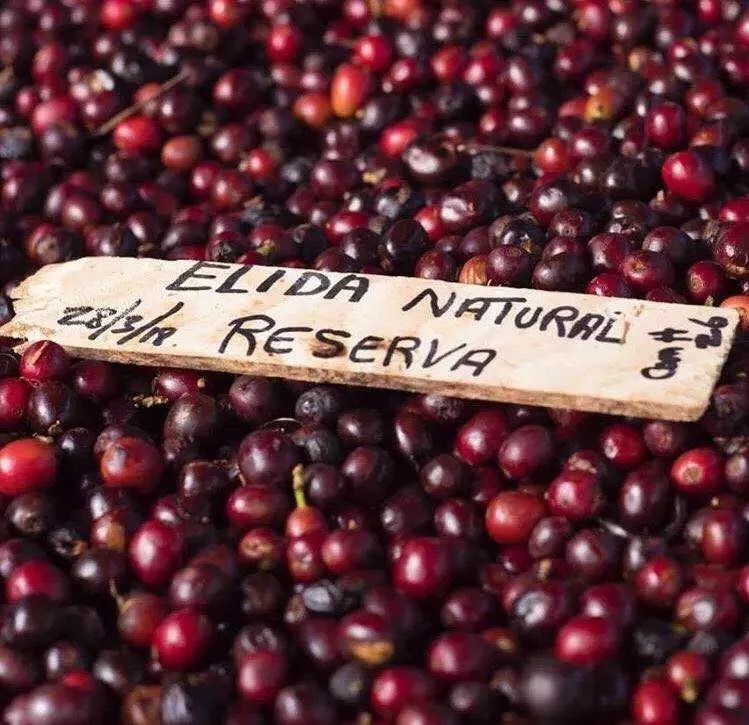
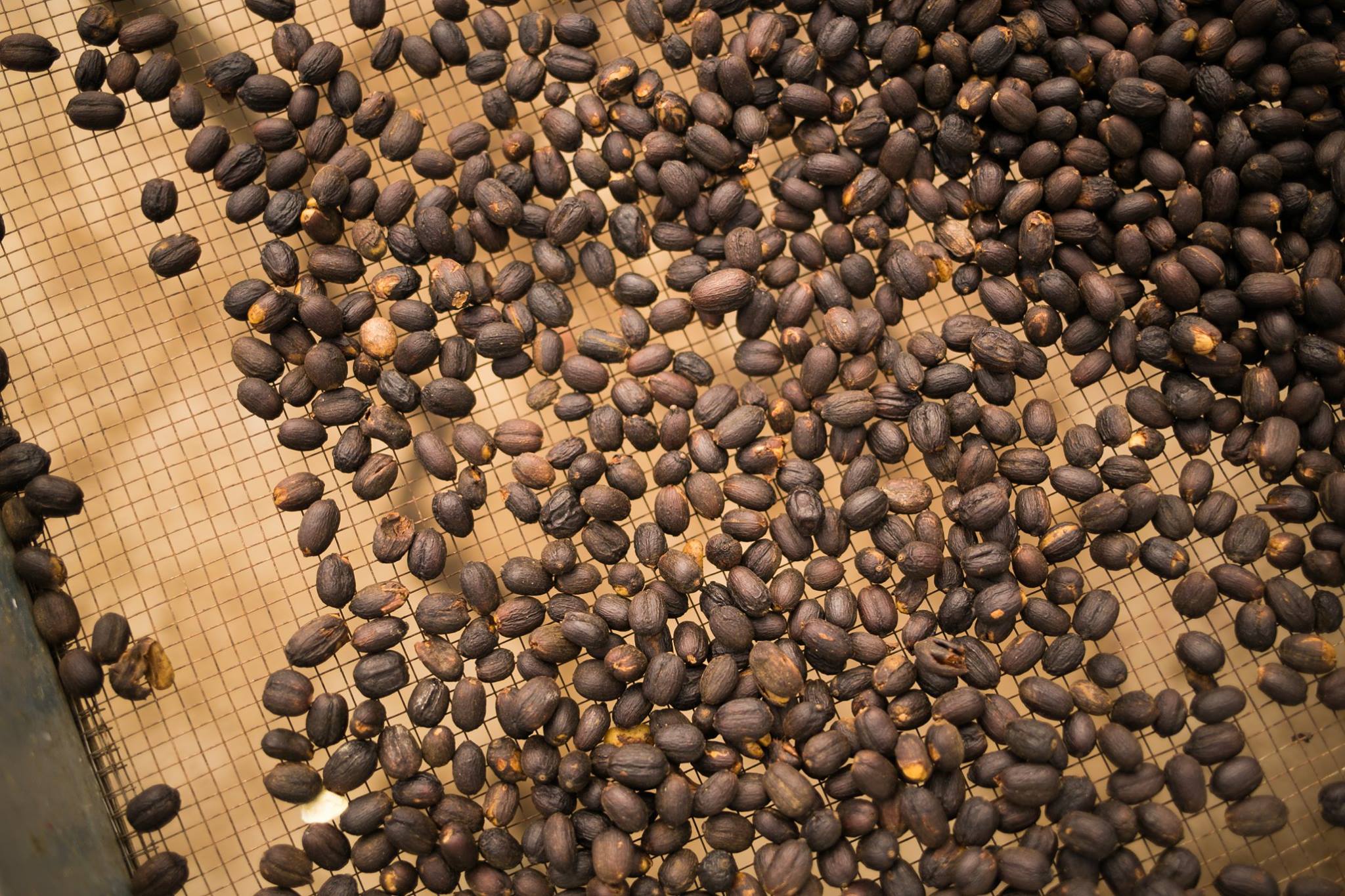
Processing: Natural
01 | Region Introduction
Boquete Region
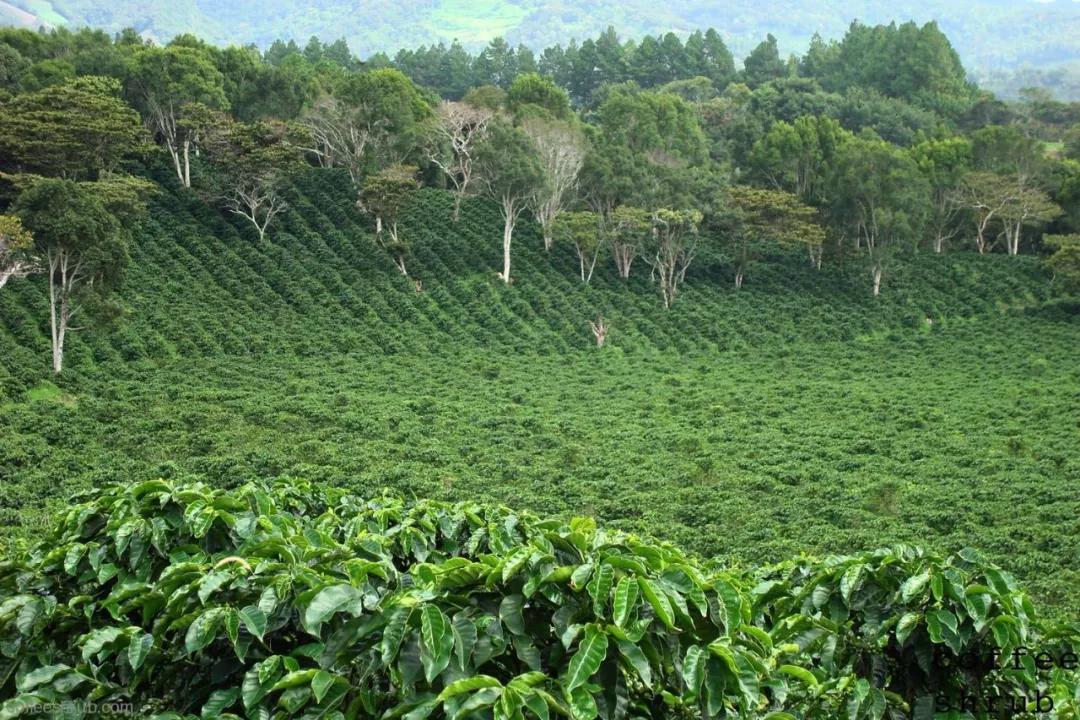
Boquete is a town in Chiriqui province, near the border between Panama and Costa Rica, close to the famous Baru volcano. The area has beautiful scenery, rich and fertile soil, and climate and soil conditions exceptionally suited to producing high-quality coffee.
The microclimate in the highlands of Boquete is a unique and vital resource for the region's specialty coffee. Panama's east-to-west environmental pattern causes cold air currents to converge above 6,500 feet through the central mountain range, creating various microclimates in the Boquete area. This makes temperature and rainfall exceptionally suited to plant growth, letting coffee trees planted here thrive.
02 | Estate Introduction
Elida Estate
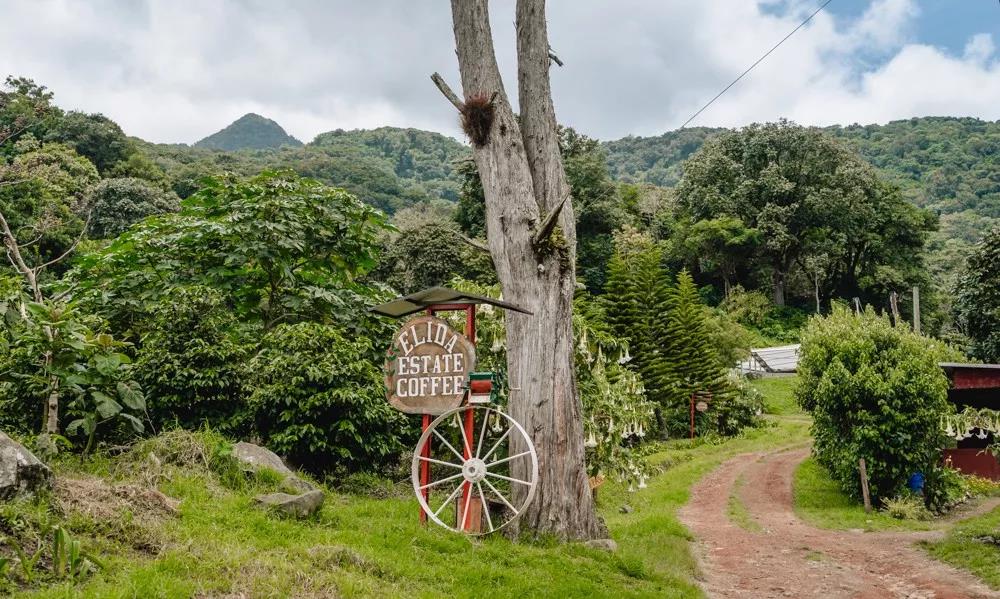
Panama's Elida Estate sits in the renowned specialty coffee region of Boquete. It covers a total area of 65 hectares, more than half of it within the Baru Volcano National Park. Only 30 hectares are used for coffee, while the rest remains pristine primary forest. The coffee is grown at altitudes from 1,670 to 1,850 meters, making it one of the two highest-altitude coffee estates in Panama; the other estate of similar altitude is Carmen Estate in the Volcancito Valley.
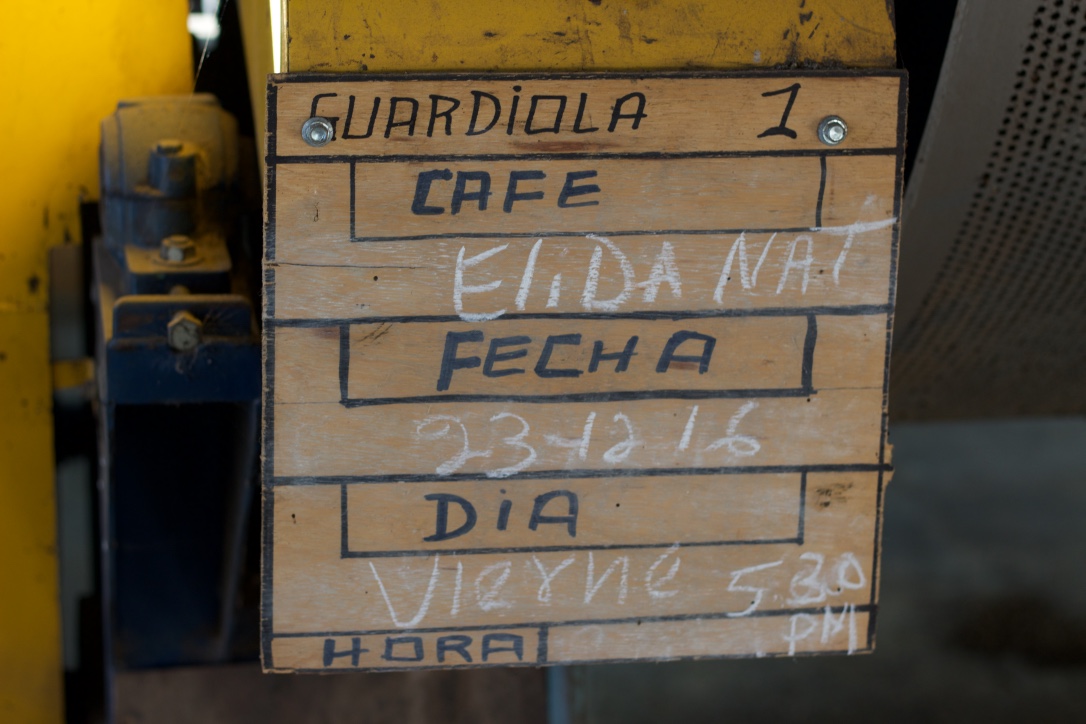
At such high altitudes the low temperatures delay the maturation of the cherries by about a full month compared with normal. The fertile volcanic soil gives the coffee abundant nutrients, and combined with the excellent microclimate brought by the Baru volcano, this lets Elida Estate consistently achieve outstanding results in cupping competitions.
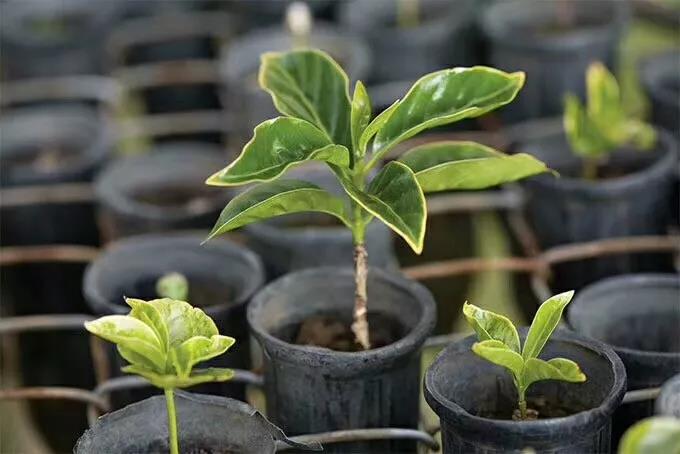
Elida Estate primarily cultivates three varieties: Catuai, Typica and Geisha. The processing plant sits halfway up the mountainside, so coffee can be taken to the facility immediately after harvest and the quality of the cherries is not compromised. Elida's environment also suits other high-quality temperate crops, especially tree tomatoes and some rare high-altitude fruits, and interestingly, those fruit flavours can often be detected in Elida's coffee.
Elida Estate is the most renowned estate of the Lamastus family, founded in 1918. From the moment Robert Lamastus, founder of the family's coffee estates, planted the first coffee tree, it has now passed through a century and witnessed the global popularization of specialty coffee.
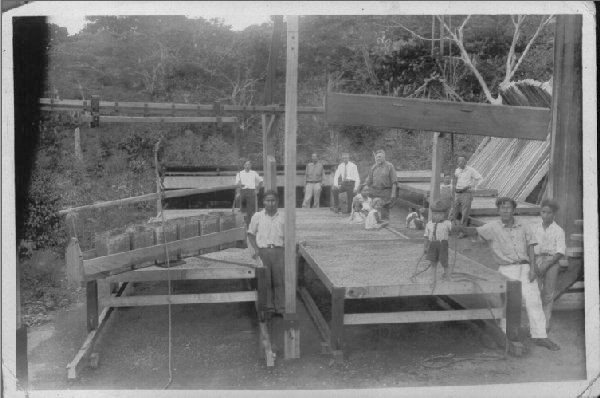
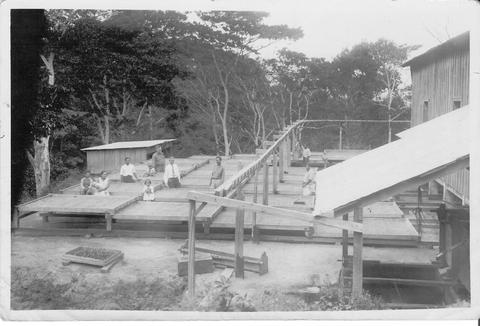
Today, Elida Estate continues to be run by descendants of the Lamastus family, including estate owner Mr. Wilford, his father Thatcher, and his son, fourth-generation successor Wilford Jr.
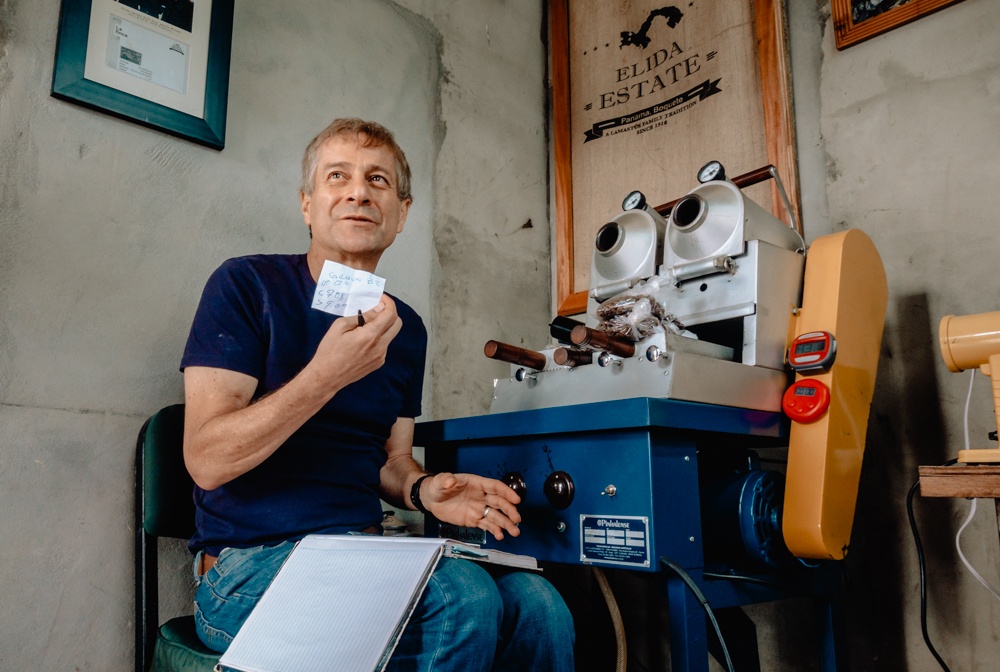
As a traditional coffee family, coffee has become part of their DNA. Wilford was born on a small coffee farm, and his parents were also born on coffee farms. Today the coffee produced by the estate comes from Elida Estate, Burro Estate and Luito Estate.
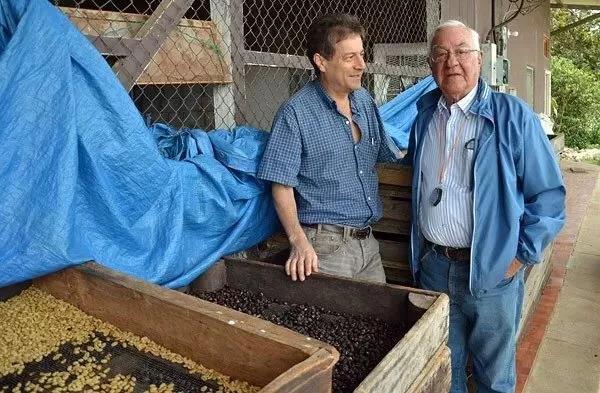
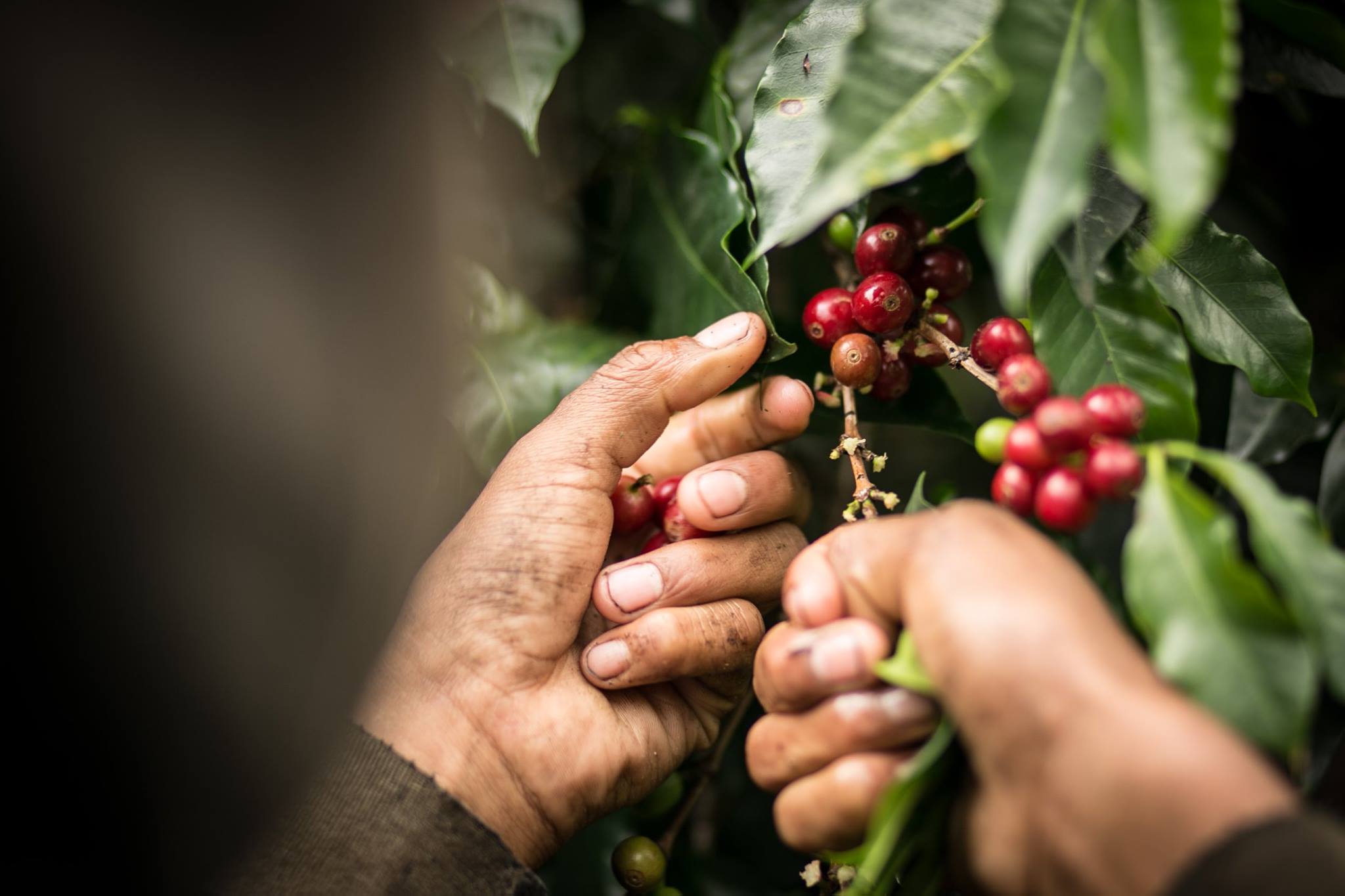
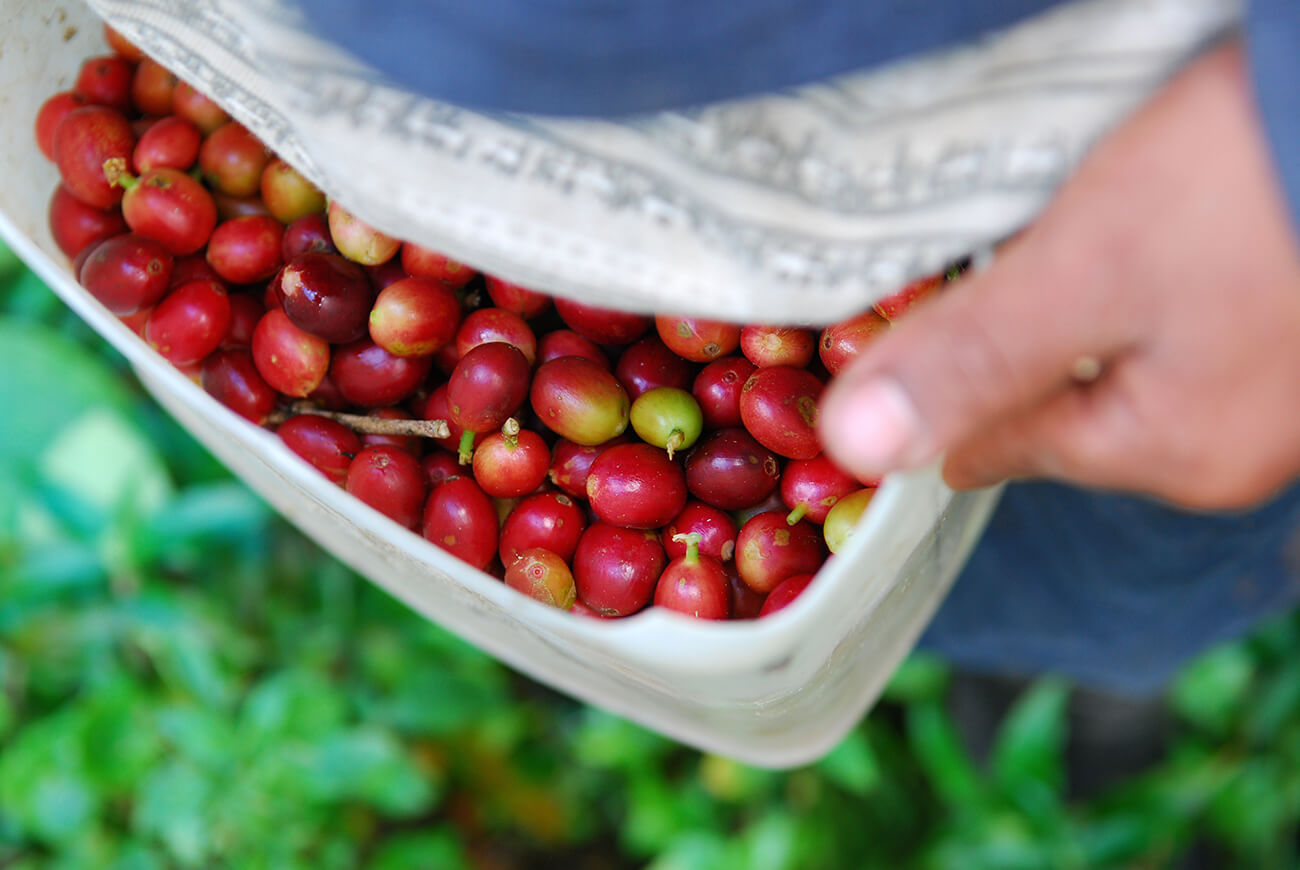
Beyond the exceptionally high altitude and microclimate, estate owner Mr. Wilford has put considerable effort into harvesting and processing. To reach the highest standards, Elida Estate's coffee is hand-picked only from the most mature cherries, "Ripe on Pinton." The high maturity naturally results in higher sugar content in the mucilage, which is the foundation of Elida's excellent flavour profile.
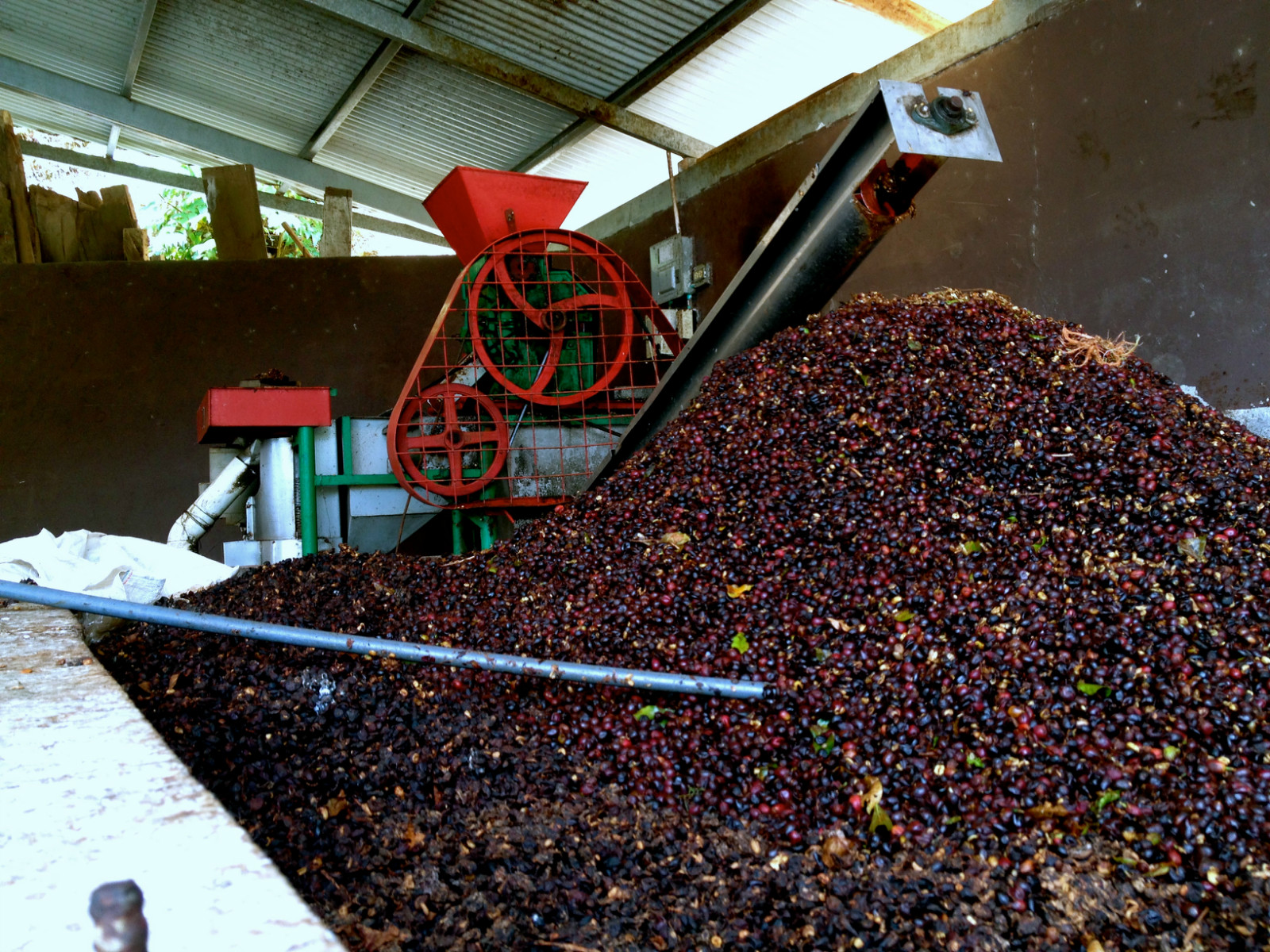
As well as being extremely strict about cultivation and processing, Mr. Wilford is more rigorous than industry peers in the "purification" of green beans after processing. Elida Estate requires more than 5 months of low-temperature resting to remove green flavours, which lets the coffee's flavours develop in a more balanced, full way.
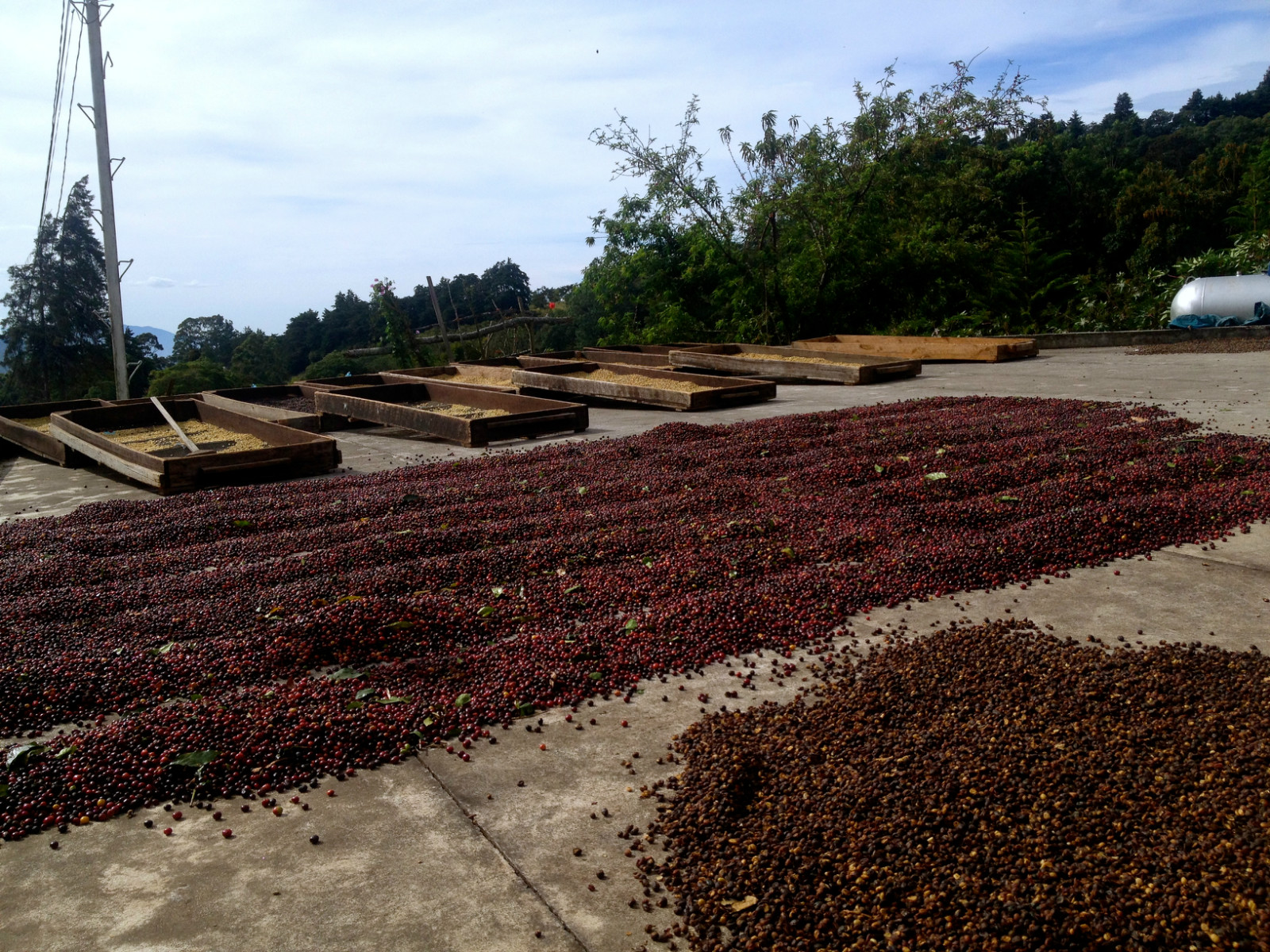
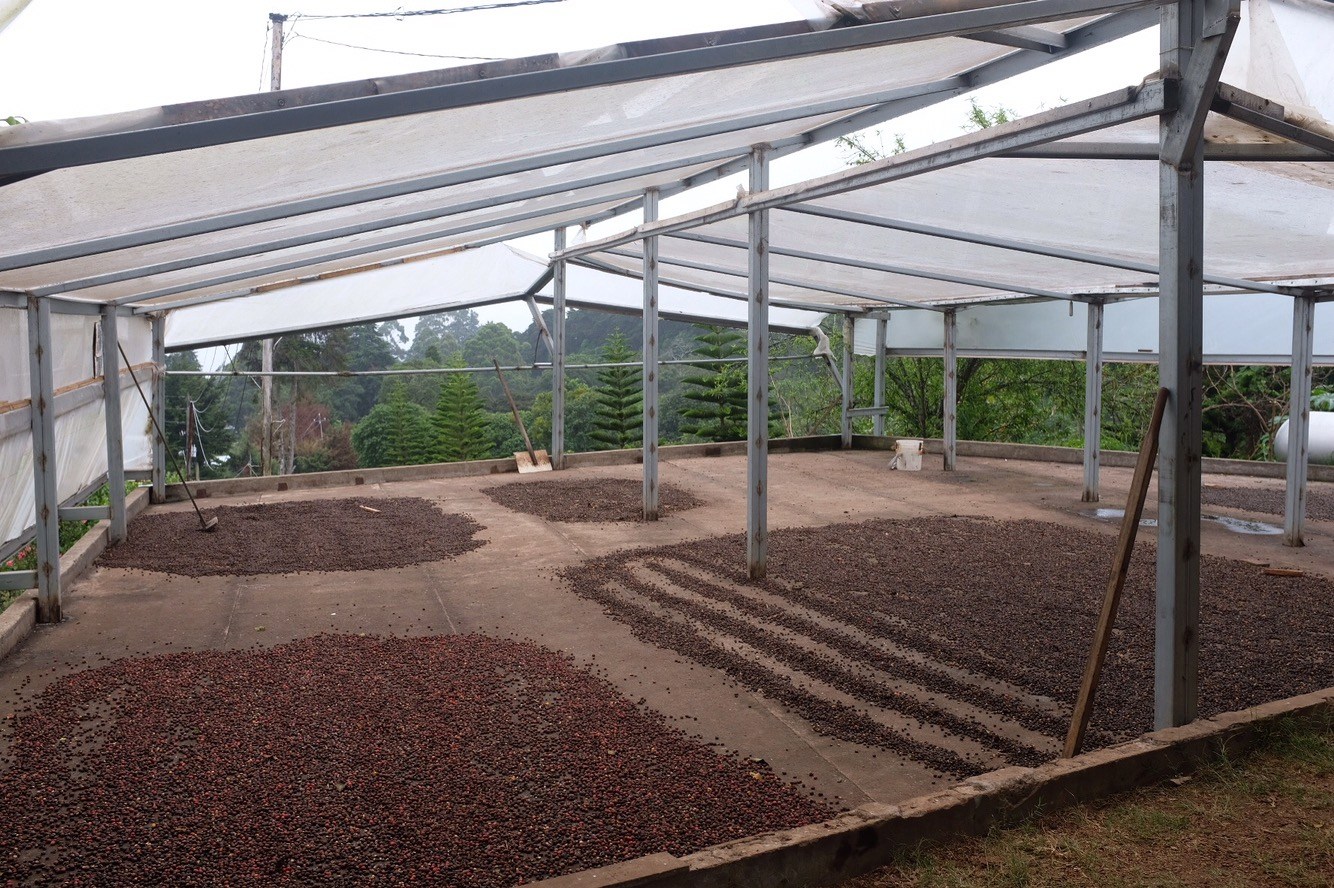
(Low-temperature resting is a green bean purification concept strongly promoted by coffee master George Howell starting in 2006. We found that while green beans from subtropical regions need to be stored at low temperatures, different processing methods and altitudes change the required low-temperature resting time. For Panama's Elida Estate, 5 months of low-temperature resting is optimal.)
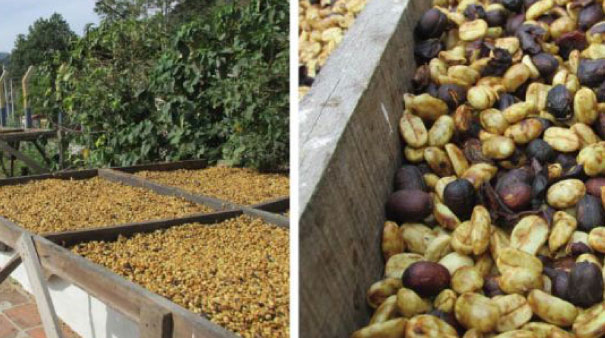
The oldest coffee estate in Panama's history, and one of the highest-altitude estates in the Boquete region, growing Geisha at ultra-high altitude (2050m). It has not only won multiple BOP championships but also holds the BOP cupping score record: in 2018, Elida Green Top Washed Geisha scored an exceptional 94.66, breaking the 2016 BOP record of 94.15 for Elida Green Top Washed Geisha.
03 | Green Bean Analysis
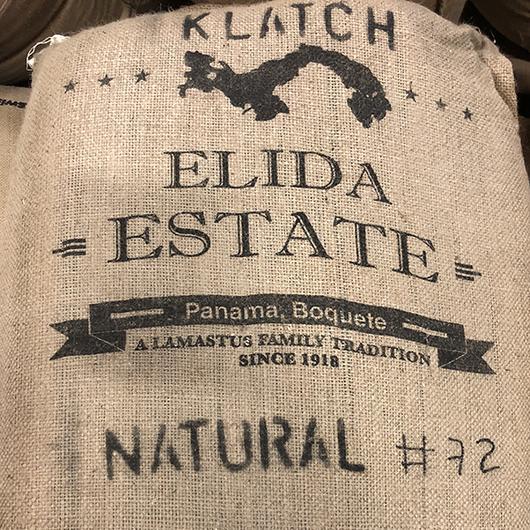
Typica is one of the oldest varieties of Arabica coffee discovered today, along with Bourbon. The Arabica species originates from Ethiopia, where this variety still grows naturally in the highlands of the local primary rainforest.
Typica beans are elongated, the trees are tall, the cherries are oval-shaped and the branches are slightly inclined. Typica has four slender branches that spread out at a 50-70 degree angle. The yield per tree is very low, but the cupping scores are very high.

04 | Roasting Analysis
Because the beans are charged at a lower temperature, the flavour will not be as clean and intense as when charged at high temperatures, but the benefit is a very gentle, smooth mouthfeel. Since the development time after first crack is very short, the heat must be sufficient, otherwise the expected final temperature won't be reached and caramelization will be insufficient.
I will use coasting, which most roasting beginners ask about. Coasting is the act of reducing temperature or turning off the heat and using the roaster's residual temperature to continue roasting the beans. Throughout the process the beans absorb heat; only first and second crack are exothermic. During those two stages it is best not to increase the heat, otherwise the beans can easily develop a spicy, harsh flavour.
Coasting emphasizes turning off the heat and using the roaster's residual temperature combined with the heat the beans generate during the crack period, letting the roasted beans continue a slow, gradual bake.

Roaster: Yangjia 600g Semi-direct Flame
Charge at 170°C with the air damper at 3. After 30 seconds, adjust heat to 140°C, air damper unchanged. Return point at 1'25". Adjust heat once at 140°C. At this point the bean surface turns yellow, the grassy aroma disappears completely and dehydration is complete. Adjust heat to 110°C, air damper to 4.
At 8'45", ugly wrinkles and black spots appear on the bean surface and the toast aroma clearly transforms into coffee aroma; this can be defined as the prelude to first crack. At this point listen carefully for the first crack sound. At 9'07", first crack begins; reduce heat to 90°C and adjust the air damper to 4 (adjust heat very carefully, not so low that cracking stops). 1'45" after first crack, discharge at 190°C.

Cupping Notes:
Dry Aroma: Caramel, roasted almonds, floral notes
Wet Aroma: Jackfruit, fermented wine aroma
Flavor: Smooth entry, distinct raisin, peach, orange, melon, cane sugar and caramel flavors. Green tea-like mouthfeel, high cleanliness.

05 | Brewing Analysis

Recommended brewing methods: Siphon, pour-over
Grind size: 3.5 (Japan Fuji R440)
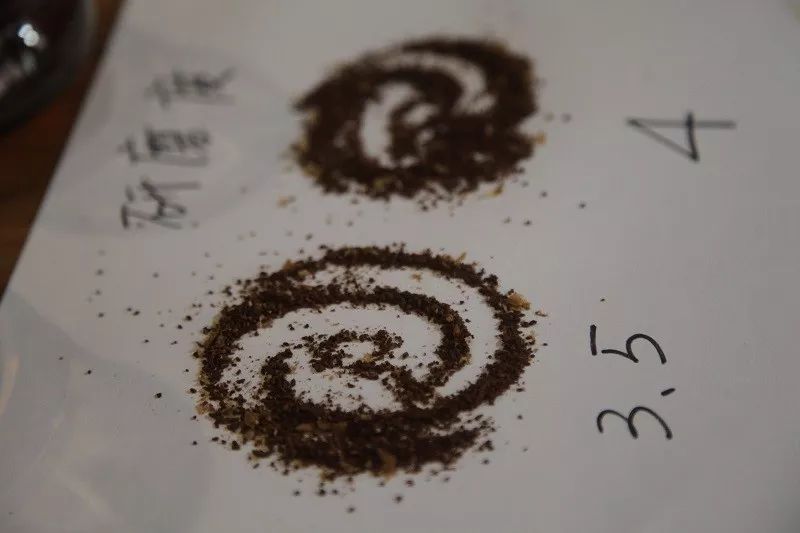
V60 dripper, 15g coffee, water temperature 90°C, grind 3.5, water-to-coffee ratio approximately 1:15
30ml water for bloom, bloom time 30s
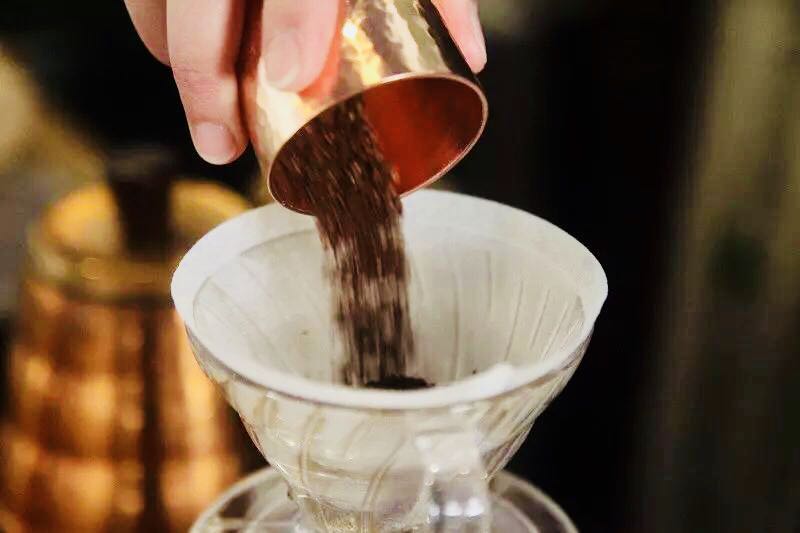
Segmented pouring: Pour to 120ml, pause, then slowly pour to 225ml
That is, 30-120-225
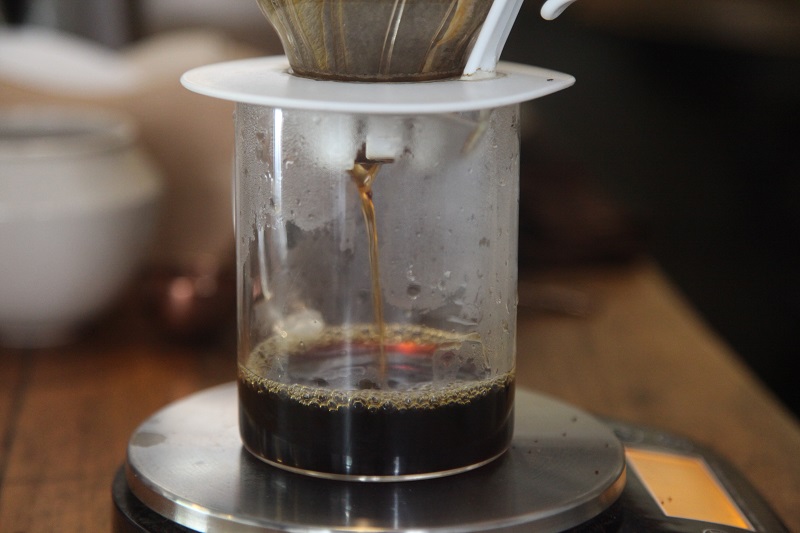
FrontStreet Coffee Panama Elida Estate Natural Typica Flavor Profile: The entry clearly presents flavours of peach, raisin and orange. Gradually, cane sugar and melon sweetness emerge, with a finish featuring grapefruit and green-tea-like notes.
FrontStreet Coffee Recommendation
Elida's natural Typica is a Boquete classic, and if you want to explore the region's other stars, FrontStreet Coffee's Panama Boquete Geisha is a natural next step. It is an estate-level introductory Geisha planted at 1,600 meters, and the fertile volcanic-ash soil gives the coffee rich nutrients that turn into deep aroma; brewed, it shows the jasmine, green tea, honey, citrus and orange you expect from Geisha. Boquete's valleys are often veiled in cloud, humid by day and cool by night, and with the fertile soil from the Baru volcano these are ideal conditions for growing a coffee as fine as Geisha.
For a cup with half of that Geisha pedigree, FrontStreet Coffee's Panama Washed Flower Butterfly blends Geisha, Caturra and Catuai, planted in Boquete's Baru volcano area. Panama's special microclimate gives the region abundant rainfall and large day-night temperature swings, and together with the area's volcanic rock soil and careful picking and processing, the coffee performs strongly in overall body, citrus acidity and Geisha's jasmine aroma, suiting both pour-over and cold brew.
For the top expression of Geisha, FrontStreet Coffee's Esmeralda Estate Red Label is the highest grade. Esmeralda is both the discoverer of Geisha's flavour and its promoter, and it grades its Geisha into the red, green and blue labels we know today, deciding plot by altitude after cupping different parts of the farm. FrontStreet's Red Label is picked from a single plot above 1,700 meters, must cup at 91 or above, and shows a refined orange-blossom honey character.
Important Notice :
FrontStreet Coffee is a long-established specialty coffee roaster in Guangzhou China, selling freshly roasted beans from its own farm in Yunnan as well as dozens of carefully selected single-origin beans from around the world for both pour-over and espresso. The products deliver consistently excellent quality and great value, with shipping within 24 hours. Guangzhou's FrontStreet Coffee shop is recommended by many coffee lovers, and the beans are now available online at the Tmall 。
FrontStreet Coffee has moved to a new address:
FrontStreet Coffee Address: 315,Donghua East Road,GuangZhou
Tel:020 38364473
 Scan and follow the En Gafei WeChat official account. Please indicate that the reprint comes from "En Gafei".