How to Drink Java Coffee? Is Java Coffee Good? Java Coffee Flavor Profile
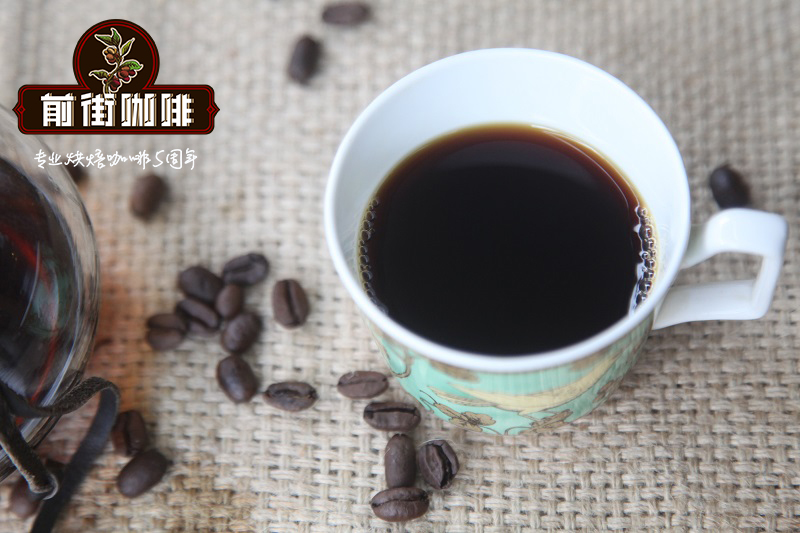
Java coffee's history, its flavor, and a brewing recipe to match.
Among coffee-producing countries, Indonesia deserves particular attention. It is an island nation in the Indian Ocean, with its islands distributed on both sides of the equator. Three of them, Java, Sumatra, and Sulawesi, produce globally important coffee. In the mid-17th century, the Dutch brought coffee trees to Ceylon and to Java, Indonesia. By the 18th century, Indonesia had become a major coffee producer, with its high-quality Arabica almost entirely supplied to Europe. By the 19th century, however, the coffee rust disease that first appeared in Ceylon in 1869 had reached Indonesia. By 1877, most coffee plantations on the Indonesian islands had been destroyed by rust, forcing the Dutch to introduce other coffee varieties from Africa, namely Robusta, which resists pests and disease better but is somewhat inferior in quality. About 90% of Indonesian coffee is Robusta, roughly 6.8 million bags a year, with less than 10% Arabica.
The Rise and Fall of Java Coffee
Java coffee, produced on Indonesia's Java island, originally belonged to the Arabica species. Pest and disease problems pushed Java, once abundant in high-quality Arabica, to switch to Robusta out of fear of infestation. The precious Arabica Java coffee that people had treasured thus disappeared from public view, and the affection and pursuit it once inspired were lost with it.
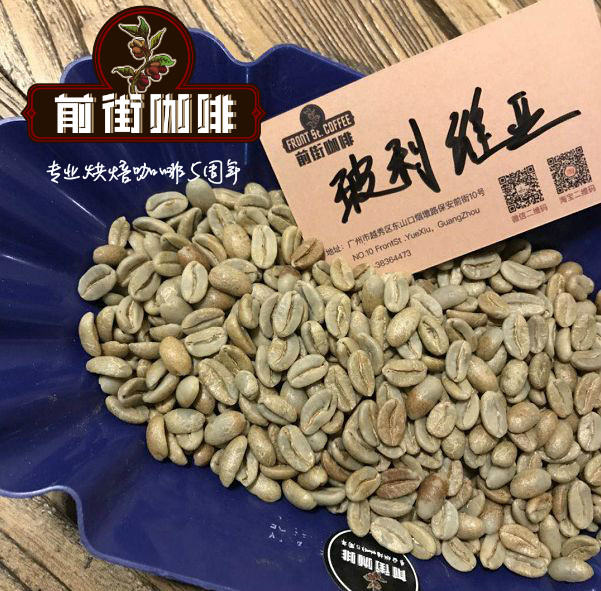
Indonesian coffee is graded by defect ratio into 6 levels, G1 to G6, with G1 being the highest grade. Java coffee beans are processed using the washed method.
Flavor Profile and Characteristics
Java's Arabica coffee has a wonderful fruit flavor, with a taste reminiscent of blackberry and grapefruit, making it a favorite among many coffee connoisseurs. The coffee has excellent medium clarity with a crisp, refreshing mouthfeel. Its flavor is fresh and particularly suited to iced coffee in summer. When tasting it, pairing it with acidic fruits like pomelo will give you the best experience.
The bitterness and richness of Java coffee, combined with the sweet intensity of chocolate syrup, make it mellower and smoother, which is why it is so widely enjoyed.
Brewing Recommendations
FrontStreet Coffee recommends the following method for Java coffee.
Using Bolivia Java Variety as an example.
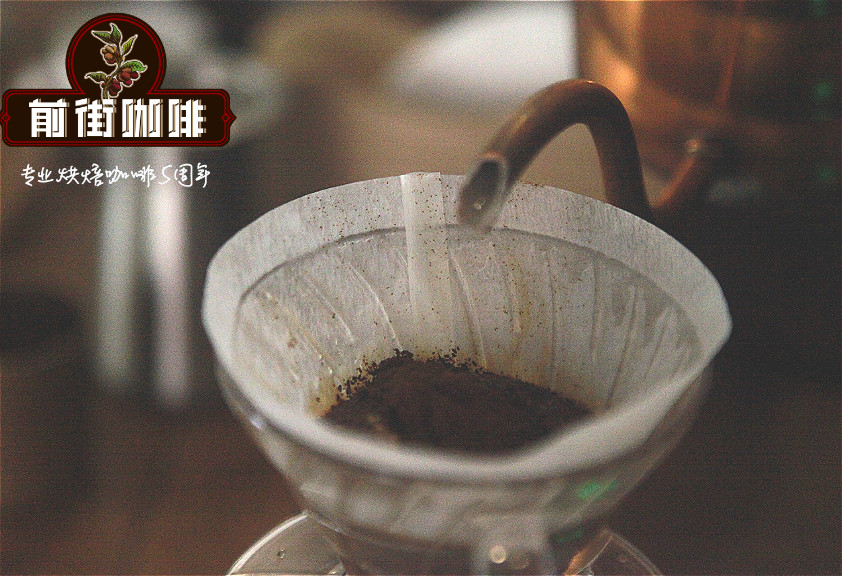
Recommended brewing method: Pour-over
Parameters: V60 / 1:15 / 89°C / Grind size BG 5R (China standard 20-mesh screen pass rate 58%) / Brewing time 1'56"
The entry presents obvious citrus, lime, and hawthorn sweet-and-sour notes, with fruit chocolate and vanilla cream in the aftertaste. As the temperature drops, sweet orange acidity emerges. When cooled, it has a light maple sweetness and a jasmine tea and rose tea aftertaste, with a long-lasting sugarcane sweet finish.
FrontStreet Coffee Recommendation
Java's story is really the story of Indonesian coffee as a whole: an Arabica tradition nearly erased by rust in the 19th century, then rebuilt around Robusta before careful producers returned to quality Arabica. FrontStreet Coffee's Indonesian roster traces that same arc. Its Lintong Mandheling comes from the Lake Toba area of the Lintong growing region in Sumatra, processed by the local wet-hulled method in which the parchment is removed while the beans are still partly wet. That method is what gives the coffee its typical herbal and spice notes, and FrontStreet roasts it medium-dark to present the classic Mandheling profile: low acidity, a full body, and rich caramel, dark chocolate, and toast aromas with a long, sweet finish.
For the top of the range, FrontStreet's PWN Golden Mandheling comes from PWN in Indonesia, which buys only premium Mandheling green beans and applies strict standards: beans must be 18 mesh or larger, and each 300-gram sample must contain fewer than 3 defective beans to meet G1, after which three rounds of hand sorting remove the rest. The result is a clean, sweet cup with sandalwood, herbal, spice, toasted hazelnut, caramel, and dark chocolate. PWN Golden Mandheling is mostly supplied to Japan and the United States, so supply elsewhere is limited. If you want Mandheling in a milk drink or an espresso, FrontStreet's Classic Blend adds medium-dark Mandheling to Brazil's creamy, nutty base, bringing butter, roasted chestnut, and caramel forward, raising the overall body, and adding sandalwood, herbal, and spice notes, with a small amount of Robusta boosting the crema. Between the single origins and the blends, it is easy to follow Indonesian coffee from its revival to its modern form.
Important Notice :
FrontStreet Coffee is a long-established specialty coffee roaster in Guangzhou China, selling freshly roasted beans from its own farm in Yunnan as well as dozens of carefully selected single-origin beans from around the world for both pour-over and espresso. The products deliver consistently excellent quality and great value, with shipping within 24 hours. Guangzhou's FrontStreet Coffee shop is recommended by many coffee lovers, and the beans are now available online at the Tmall 。
FrontStreet Coffee has moved to a new address:
FrontStreet Coffee Address: 315,Donghua East Road,GuangZhou
Tel:020 38364473
 Scan and follow the En Gafei WeChat official account. Please indicate that the reprint comes from "En Gafei".