What Variety is Panama Geisha Coffee Bean? Are Panama Geisha Coffee Beans Expensive?
Arabica Varieties, Briefly
Today roughly 70% of the world's coffee beans are Arabica, which means the overwhelming majority of what we buy is Arabica. Arabica usually shows up as specialty coffee and tastes better than Robusta. Within Arabica there are many sub-varieties, most of them descended from Ethiopia's ancient Typica and Yemen's Bourbon stock transplanted to Central and South America or Asia — far too many to list one by one.

What Is Geisha?
Geisha is a coffee variety whose English name is written "Geisha/Gesha." In Japanese, "geisha" means the same thing, so to avoid confusion many people prefer the spelling "Gesha." When coffee people say Geisha or Gesha today, however, they generally mean the famous Panamanian Geisha.
Geisha the Variety, Geisha the Coffee
Geisha beans are Panama's finest, and among the most expensive coffee beans in the world. The main origins are Panama, Ethiopia, Costa Rica, Colombia, and Guatemala. Panamanian Geisha belongs to the Geisha variety, which originated in a forest called Gori Gesha in the Gesha Mountain area of southwestern Ethiopia — so "Geisha" is both a variety name and a place name, and it is precisely because the origin lies in Ethiopia's Gesha village that the coffee carries that name. Ethiopian Geisha divides into three branches: Gori Gesha (GG), Illubabor Forest 1974 (IF), and Gesha 1931 (G31). The Geisha now grown around Ethiopia's Gesha village has little genetic relationship to the Panamanian Geisha we know, and the first two branches are genetically quite different from Panamanian Geisha as well.
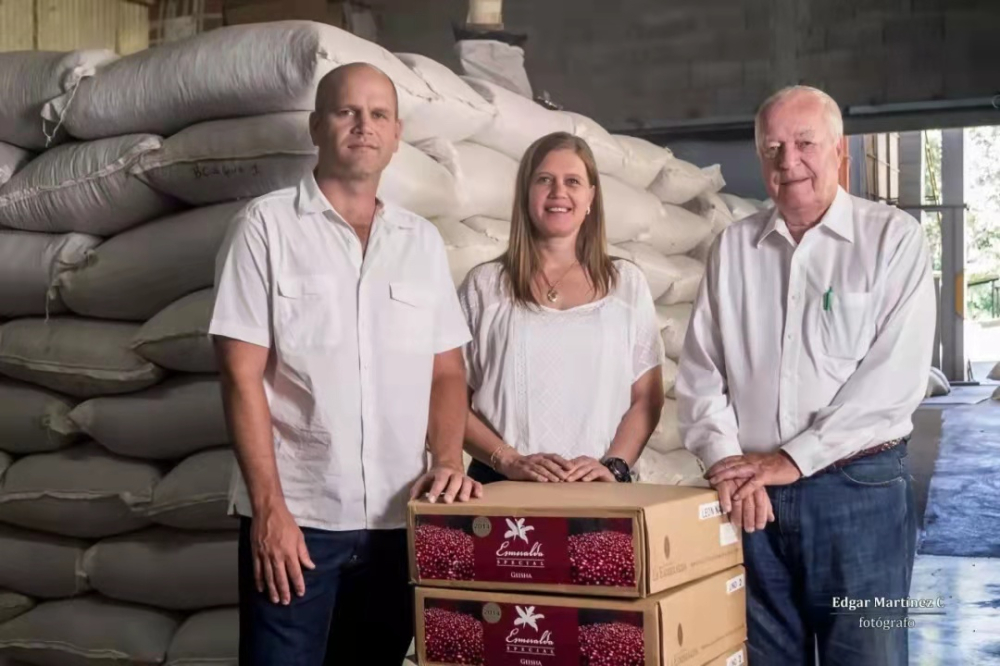
Although Geisha became famous through La Esmeralda, Geisha from other estates is excellent too. Beyond Panamanian Geisha, FrontStreet Coffee has sourced Geisha from Colombia, Costa Rica, and Ethiopian local varieties. To let more coffee lovers taste it, FrontStreet Coffee has even made Panamanian Boquete Geisha one of its daily stock beans.
Panama La Esmeralda Estate
Any discussion of Geisha has to include Panama's La Esmeralda estate, which both discovered Geisha's flavor and promoted the coffee worldwide. La Esmeralda plans its Geisha plots carefully and divides the coffee into batches by planting altitude.
Red Label [Competition Batch]
The often-heard Red Label is Geisha specially selected by La Esmeralda: beans grown at 1600-1800 meters with cupping scores above 90 points, produced from the Jaramillo and Canas Verdes areas, showing jasmine, fruit, and bergamot. Red Label is further split into competition and non-competition Geisha.

Green Label [Reserve Batch]
Private Reserve is what people know as Green Label — not a standalone competition batch but a blend of micro-lots from different plots that do not enter bidding yet remain excellent. It is selected from Geisha grown at 1600-1800 meters across plots including Jaramillo, Canas Verdes, and others.
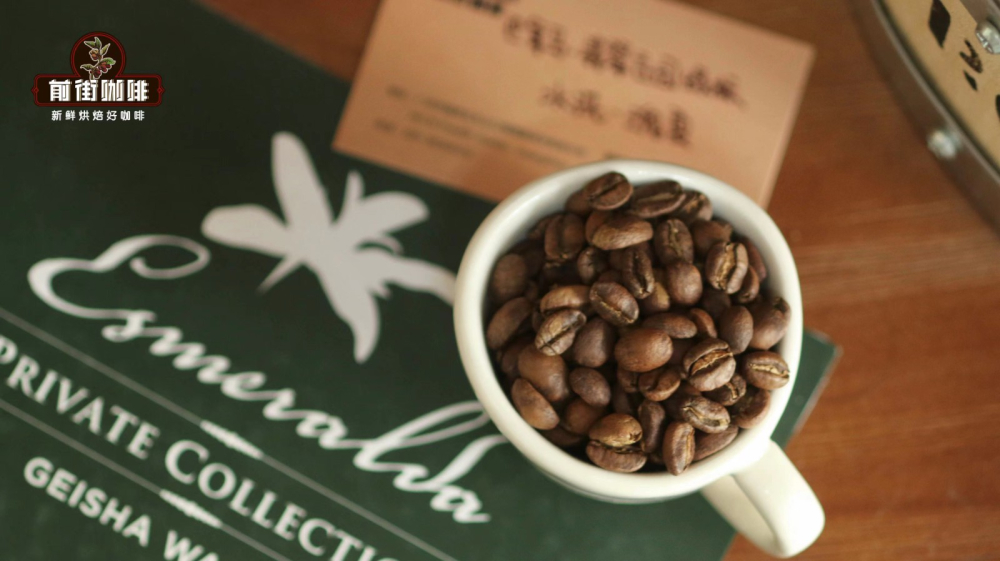
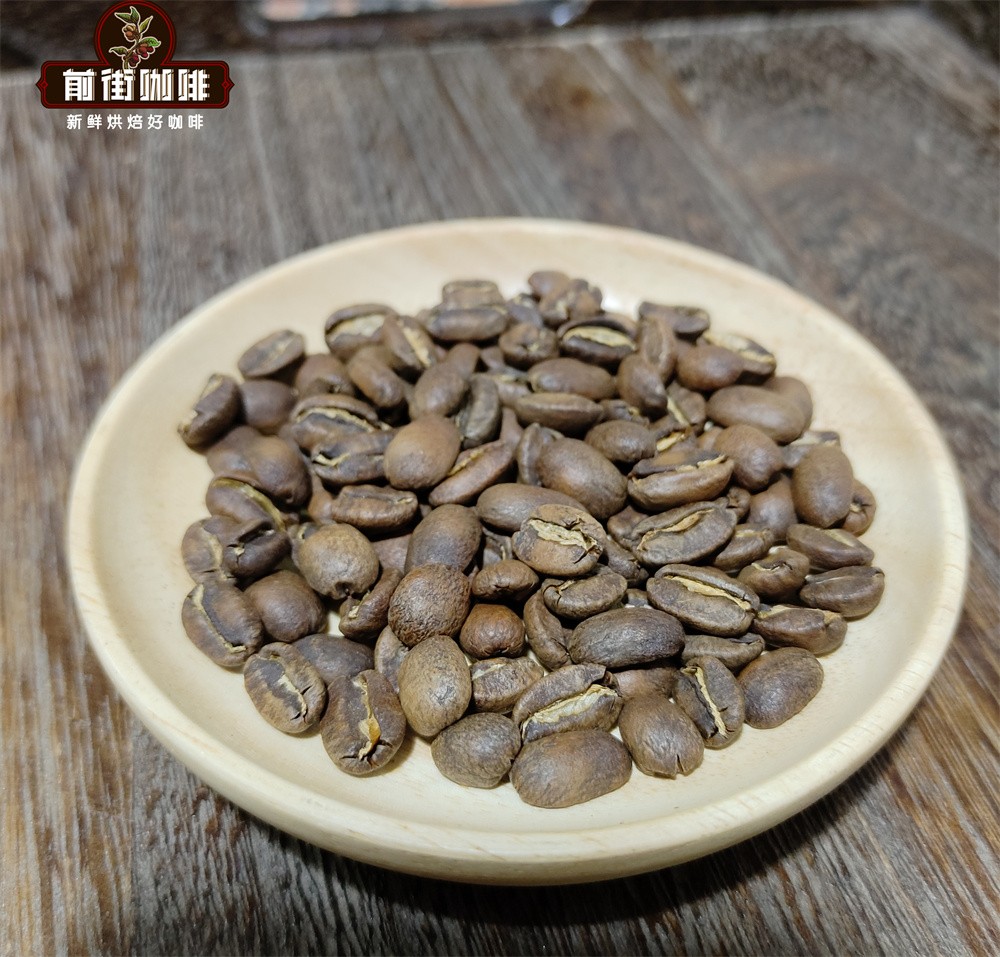
People often ask FrontStreet Coffee how Green Label differs from Red Label. In our view, Green Label's grade is lower, but its cleanliness is high and it leans toward jasmine-tea character with pronounced acidity. The natural-process Green Label has good sweetness and a pleasant sweet-sour balance that recalls passion fruit and floral tea. Green Label batches come in both washed and natural versions.
Blue Label [Select Batch]
Blue Label is grown at 1400-1500 meters, mixing Geisha beans from three plots: Jaramillo, Canas Verdes, and El Velo.
Starting with the 2021 season, however, La Esmeralda adjusted its Geisha grading and officially discontinued the Blue Label batch (Geisha 1500).
Why Geisha Costs What It Does
Geisha was introduced to Panama in 1960, but for a long time few people paid it attention. After nearly half a century, La Esmeralda separated it from other varieties in 2003, made a splash at the BOP competition, and took the BOP championship in 2004, bringing the variety into the public eye. In the years that followed, Geisha swept first prizes at Panama's national treasure-bean cupping competition in 2005, 2006, and 2007. Best of Panama and La Esmeralda together completely changed the undervaluation of Panamanian coffee. The competition drew global attention not only for the coffee but for the astonishing prices: some small-farm Geishas, with their singular floral aromas, caught the attention of coffee lovers worldwide. Panamanian beans combine strong floral aroma with clean fruit flavor, and their cupping quality far exceeds other coffees, with impressive flavors and consistently stable quality.
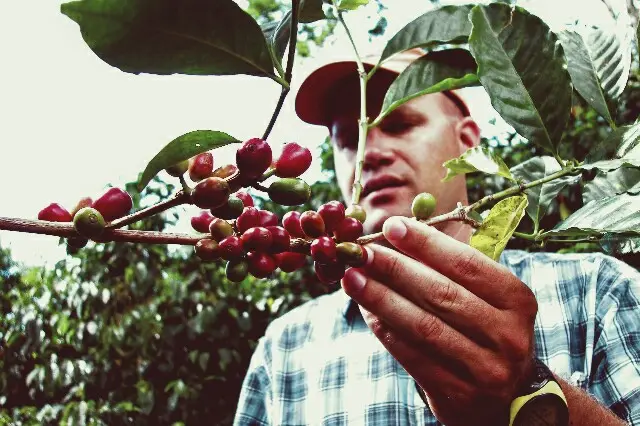
Small farms in Chiriqui's Boquete region do produce distinctive cherries, but harvesting Geisha is extremely demanding and requires meticulous attention from pickers. Getting high-quality Geisha depends on selecting the most mature cherries, which takes real experience. Every qualified Geisha cherry is hand-selected at full maturity; immature cherries have not developed their flavor and cannot be picked, and unqualified cherries are discarded. Geisha cherries take several years to fully mature, which is why picking demands such care. Each harvest season, farms hire local Ngabe Indians, employing them at reasonable wage standards in line with Central American labor law.
Four Reasons Panamanian Geisha Is So Expensive
It has been singled out as the best coffee by the Specialty Coffee Association (SCA), an international body spanning every part of the specialty coffee industry — growers, producers, roasters, manufacturers, importers and exporters, and retailers.
It is genuinely rare. Panama has only a handful of Geisha producers, and because Panama's growing conditions cannot be found elsewhere, its Geisha cannot be reproduced in other regions or countries. Climate change and rust disease make Geisha's survival even harder.
Demand is rising while supply falls. Asian markets in particular, including China, have seen demand climb sharply, which keeps pushing the price up.
The auction format lifts prices further: with supply limited, only the highest bidder gets the lot.
Panamanian Geisha Coffee Recommendations
Worried about those rising prices? So how much does a cup actually cost? FrontStreet Coffee's roasted Panama La Esmeralda Green Label Geisha is fully guaranteed in brand and quality, and the value is high: each 100-gram package costs only 168 yuan. At 15 grams per cup, one package makes 6 cups, putting a cup at about 28 yuan — a fair proposition next to cafes that often charge over 100 yuan. The washed Boquete Geisha from Panama's Boquete region costs 98 yuan/100 grams and is one of FrontStreet Coffee's daily stock beans, and it too represents Panamanian Geisha coffee.
FrontStreet Coffee's Geisha Roasting Approach
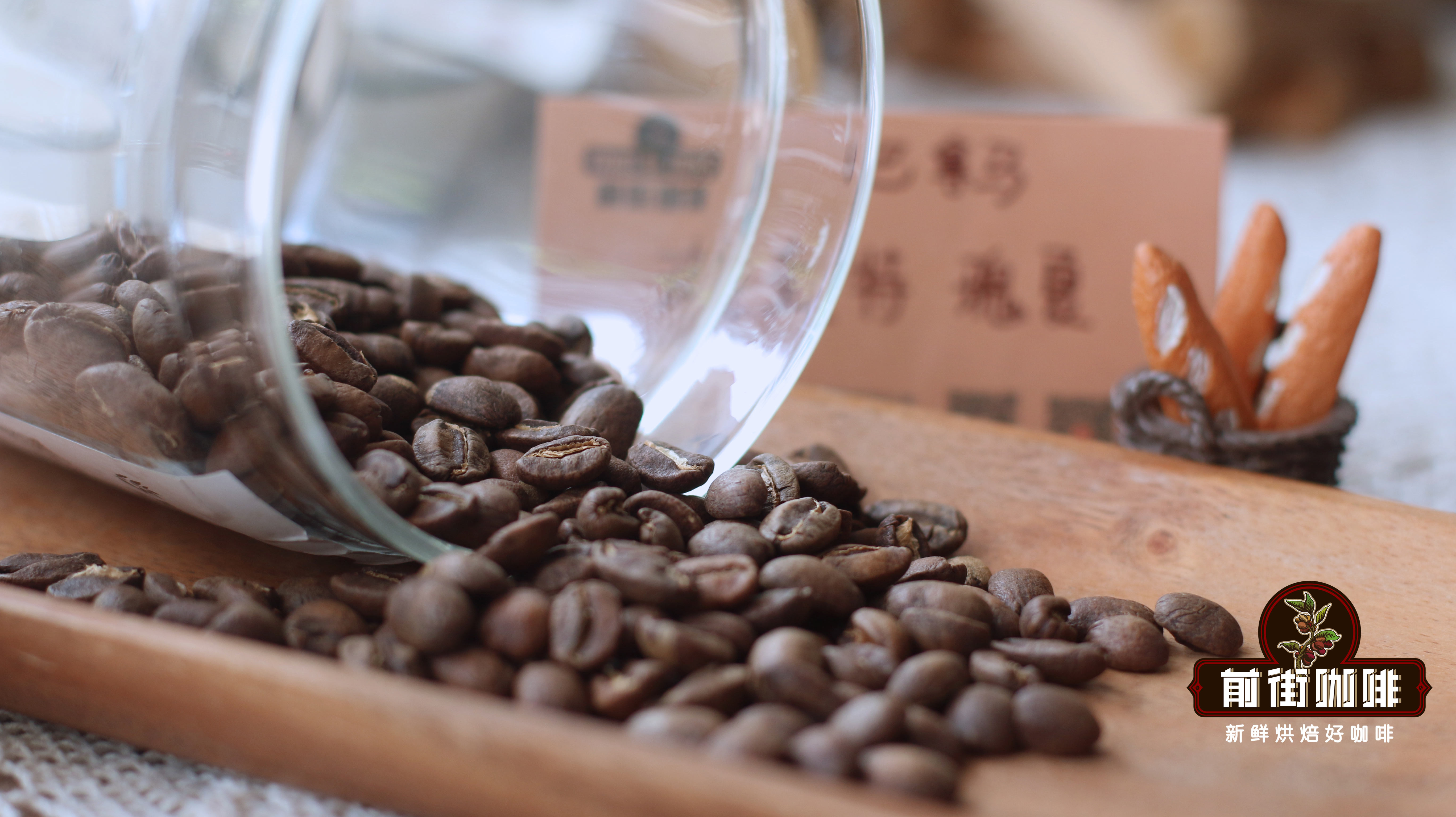
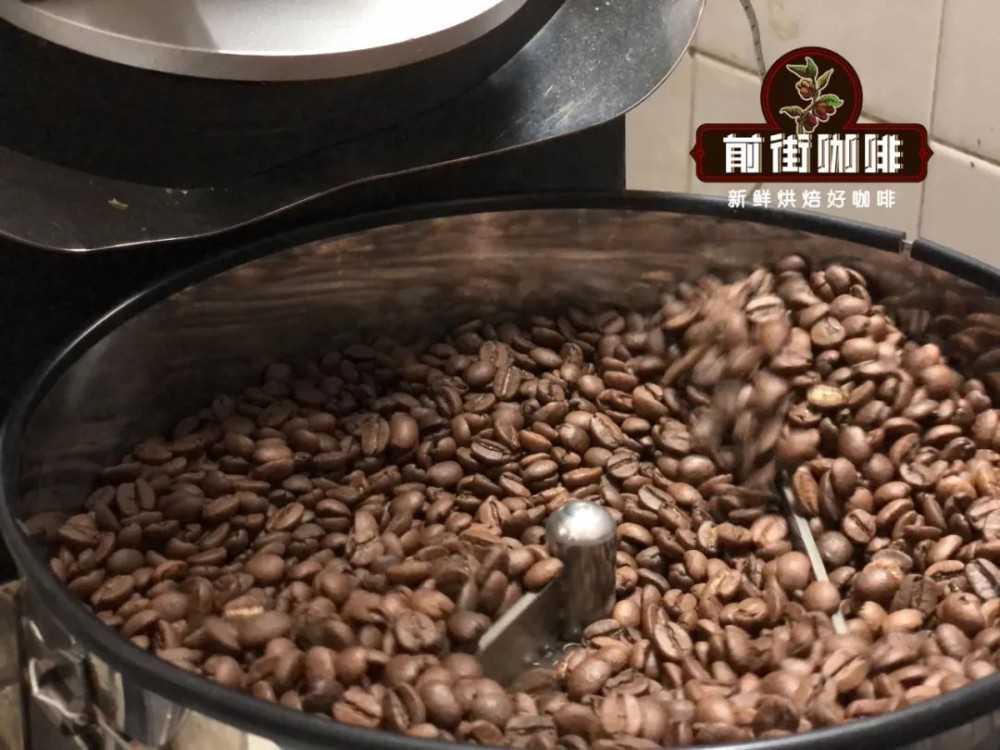
Geisha is famous worldwide for rich floral aroma and complex fruit. FrontStreet Coffee's roasters want to keep more of Geisha's quality acidity, so they choose a light to medium roast, with slight adjustments for different batches. This level does not significantly soften the hardness of high-altitude beans, so extraction has to be raised to show fuller layers — which calls for higher water temperature and a finer grind to draw out more aromatic compounds.
FrontStreet Coffee's Geisha Brewing Parameters
Day to day, FrontStreet Coffee mostly uses V60 drippers: the 60-degree angle and spiral ribs let the brewer extract the essence of Geisha by controlling flow and pour count, while the large outlet guards against over-extraction. The V60's flow ribs connect top and bottom and feed a large central hole, speeding the flow, while the spiral exhaust grooves lengthen the water path and extend contact time between grounds and hot water. Each stream converges along the grooves toward the center point, concentrating pressure on the coffee bed for richer, more layered extraction.
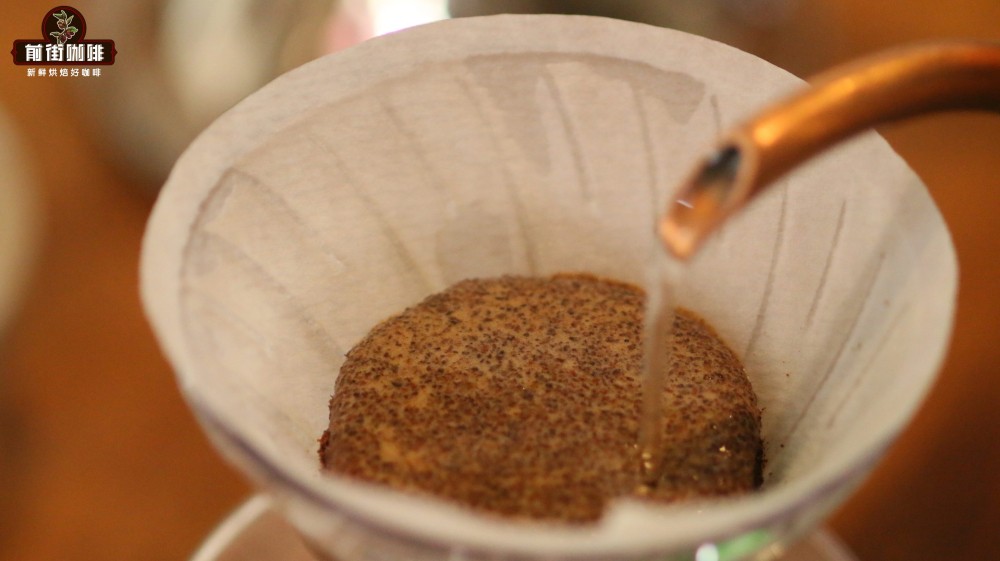
Dripper: V60, water temperature: 91-92°C, coffee amount: 15g, ratio: 1:15, grind size: fine sugar (80% pass rate on a #20 sieve).
Flavor Characteristics of Different Geisha Coffees
La Esmeralda Red Label Geisha: Bright rose and citrus aromas, brown rice, berries, apricots, complex fruit, and honey, with a thick, juicy texture, rich layers, and obvious sweetness.
La Esmeralda Green Label Geisha: A rich jasmine aroma on entry, high sweetness, citrus, berries, a juicy texture, cream, green tea, orange peel, and cantaloupe, with overall rich layers and a persistent floral and citrus aftertaste.
Panama Washed Boquete Geisha: Clear citrus, lemon, and bergamot acidity, a creamy smoothness on swallowing, and a green tea and honey sweetness to finish.
FrontStreet Coffee's Brewing Notes
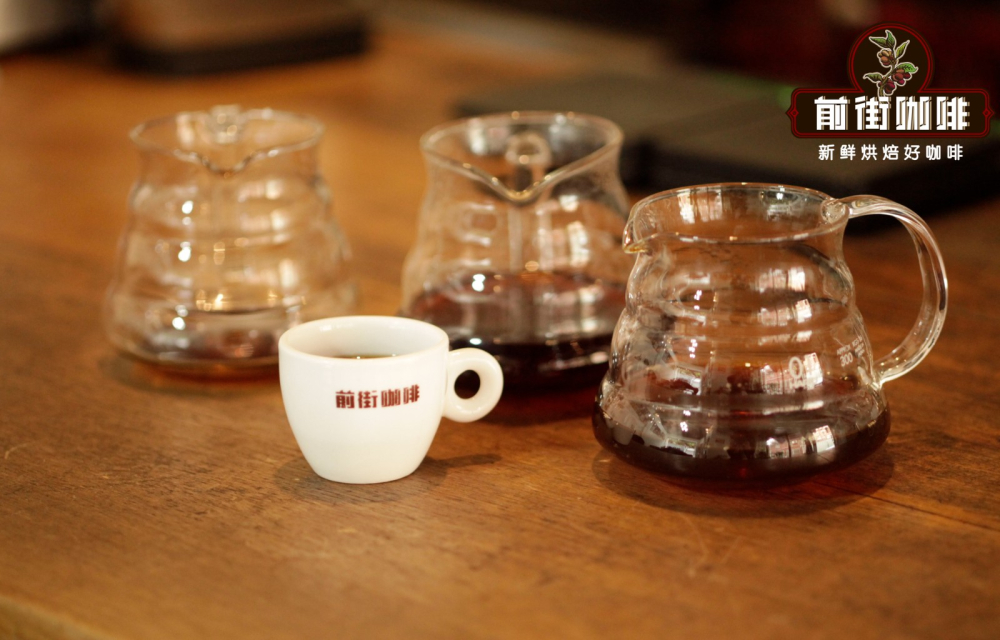
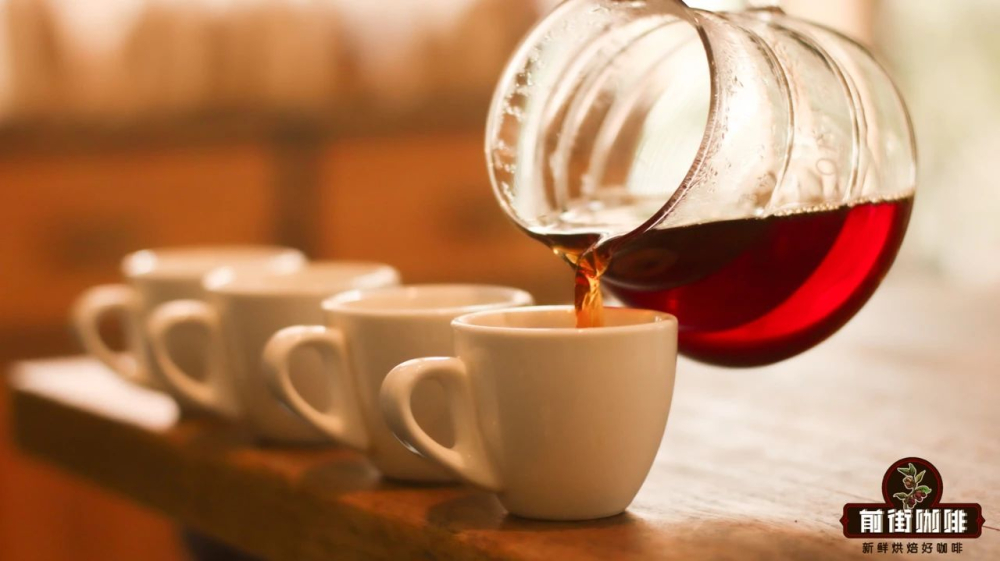
On brewing, FrontStreet Coffee has always held that the freshness of the beans heavily shapes the flavor. FrontStreet Coffee therefore ships all beans within 5 days of roasting. Its roasting philosophy is "Freshly Roasted Good Coffee," so every customer receives the freshest coffee on arrival; with a resting period of about 4-7 days, the coffee is at peak flavor by the time it lands.
For anyone who needs ground coffee, a gentle reminder: pre-ground coffee needs no resting period, because the carbon dioxide pressure inside the package helps mellow the flavors during transit, so you can brew a cup the moment it arrives. Ground coffee should be brewed promptly, though, since it oxidizes quickly in air and its flavors fade faster. FrontStreet Coffee therefore recommends buying whole beans and grinding fresh before brewing for the best flavor.
FrontStreet Coffee Recommendation
Geisha spans a wide price and quality range, and knowing the tiers makes the choice much easier. Panama's Esmeralda Estate grades its Geisha by plot and altitude: Red Label is the competition-grade "Esmeralda Special," grown from 1600-1800 m with lots cupping above 90 points and each batch numbered from a single plot such as Jaramillo; Green Label, once called "Private Collection," blends micro-lots from several plots without stressing plot detail, and focuses on Esmeralda's signature high-altitude character at a much more accessible price. The estate also once offered a Blue Label from 1400-1500 m mixing three plots, though it discontinued that batch from 2021.
If you simply want to taste what all the fuss is about, FrontStreet Panama Boquete Geisha is the entry point — a classic Panamanian citrus-and-honey Geisha profile with an oolong-tea texture and fine, distinct fruit acidity. Ethiopia is the variety's birthplace, and FrontStreet Genlana Estate Geisha comes from a processing station founded in 2014 on the border of the Kochere and Genlana Abaya areas, with 700 hectares of growing land, much of it uncultivated, and cherries hand-picked and dried on raised beds for 14-20 days. Medium-light roasted, it brings bright citrus acidity, elegant ginger-lily aroma, and ripe, rounded sweetness. Moving up the ladder, FrontStreet Gesha Village Gold Label is the Gesha 1931 variety, about 10% of Gesha Village's output and its top non-auction coffee, given a refined natural process; FrontStreet Gesha Village Red Label is the Gori Gesha variety at roughly 15% of production, scoring 88 or above on the SCA scale with full traceability. FrontStreet Strawberry Candy is a more affordable blend of Costa Rican honey-processed coffee and Panamanian Geisha, keeping the delicate florals while adding sweet fruit.
Geisha beans are dense and can sink and block the dripper, so grind to about 78% pass rate on a China standard No. 20 sieve — roughly fine sugar — and brew at 91°C. A good starting point is 15g of coffee in a small Hario V60 at a 1:16 ratio, poured in three stages: pour to 30g for a 30-second bloom, then a slow circular pour to 125g, wait for the bed to fall halfway, then continue slowly to 225g, finishing the drawdown in about 2 minutes 10 seconds to 2 minutes 20 seconds.
Important Notice :
FrontStreet Coffee is a long-established specialty coffee roaster in Guangzhou China, selling freshly roasted beans from its own farm in Yunnan as well as dozens of carefully selected single-origin beans from around the world for both pour-over and espresso. The products deliver consistently excellent quality and great value, with shipping within 24 hours. Guangzhou's FrontStreet Coffee shop is recommended by many coffee lovers, and the beans are now available online at the Tmall 。
FrontStreet Coffee has moved to a new address:
FrontStreet Coffee Address: 315,Donghua East Road,GuangZhou
Tel:020 38364473
 Scan and follow the En Gafei WeChat official account. Please indicate that the reprint comes from "En Gafei".