How to Brew Brazilian Coffee Beans? Are Brazilian Coffee Beans Expensive? What's the Cost of Brazilian Coffee?
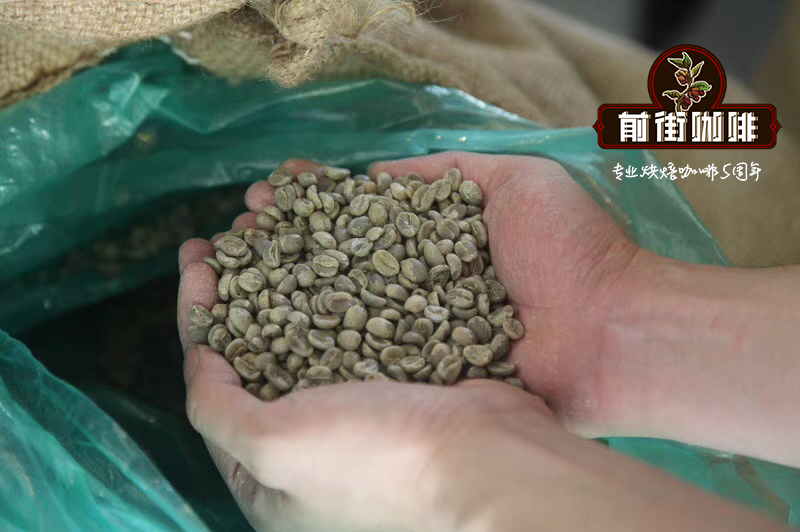
Brazilian Honey-Process and Natural Coffee Beans
When it comes to the natural process, no one applies it more widely than Brazil. Its drawback is that it readily mixes in defective beans and produces wide variation in appearance from bean to bean.
Dry processing (secado), also known as the full natural method, is one of the coffee-cherry processing techniques. After harvesting, the cherries are spread out on drying patios for 3–4 weeks and turned evenly several times a day for uniform drying. Once dry, the bean separates from the outer skin, and hulling machines then remove the pulp and skin before sorting finishes the job.
There are two fermentation methods, wet and dry; as the names suggest, one adds water and the other does not. During fermentation the seeds and remaining pulp undergo particular changes, making this the most flavor-defining step of the washed process. After washing, the beans remain in parchment with 50% moisture and must be dried down to 12%, or they will keep fermenting and turn moldy. Sun-drying is the better method: it takes 1–3 weeks but yields an exceptional flavor that is highly valued. Some places use mechanical drying to cut processing time sharply, but the flavor does not match sun-dried coffee.
Brazilian plantations stretch endlessly and mostly use mechanical harvesting for economy. When 75% of the cherries on a plantation have turned red, mechanical harvesting begins. What follows is the same preprocessing as the washed method: the cherries go into water tanks to float off the bad beans, the sinking beans are retained, and large pulpers remove the pulp to extract the mucilage-covered pods. From here the route diverges: the sticky pods do not go to fermentation tanks but to outdoor drying patios. Because Brazil's climate is dry, the sticky mucilage hardens in about a day.
Large crews then turn the pods up and down to ensure even drying inside and out and to prevent moisture absorption and odor. About two to three days of sunlight and dry air bring the pods to a certain degree of dehydration. Dryers then bring the moisture content down to 10.5–12%, after which the pods are stored in special containers for about ten days to mature further and stabilize quality. Before export the parchment is removed to extract the beans for grading and packaging. The mucilage clings tightly and is not easy to remove; it must sit in tanks for about 18–36 hours to ferment and break down.
In the fully natural route, harvested cherries are dried directly in the sun. Depending on the weather this usually takes 1–2 weeks to bring bean moisture down to 10%–12%. Machines then remove the dried fruit skin and pulp. Processing plants (beneficios) generally keep the parchment shell on during storage until just before export (Costa Rican law, by contrast, requires green coffee exports to be parchment-free). This method requires abundant sunshine in the producing region.
Brewing Reference: Pour-Over
For pour-over Brazilian beans, we recommend 18g of coffee, 90°C water, a 1:15 coffee-to-water ratio, Fuji grinder setting 4.5, and a V60 dripper. First pour 30g of water for a 28-second bloom, then keep pouring slowly until you reach 300g. Avoid the tail end. Extraction time: 2:20–2:30.
FrontStreet Coffee Recommendation
Brazil's balanced, low-acid character is the backbone of FrontStreet's most popular beans. These are the ones to start with:
FrontStreet Brazil Cerrado Red Bourbon — a very classic Brazilian single origin, and the easiest way to get a first taste of the region. Cerrado is a well-known area prized for high-quality coffee, and this bean is the Red Bourbon variety common across South America. Roasted medium, it delivers rich creamy peanut, toast, caramel, and hazelnut aromas, with a rounded, non-acidic cup and a light bittersweet edge. It suits pour-over, and also the moka pot, espresso SOE, siphon, and French press.
FrontStreet Brazil Queen Estate Yellow Bourbon — from Mogiana, close to South Minas, where fertile red volcanic soil lets the fruit absorb plenty of nutrients and develop full aroma. The estate grows the rare Yellow Bourbon, a natural mutation of Red Bourbon with a cleaner fruit character. Whether you brew it pour-over, in a moka pot, or on a home espresso machine, it shows a sugarcane sweetness found in no other region, alongside fruit and chocolate notes.
FrontStreet Premium Blend — Brazilian coffee's low acidity, balance, and friendly price make it the first pick for espresso recipes, and it plays that role here. This blend brings the creamy nut character of Brazil together with the dark-chocolate bittersweetness of Colombia, pouring a fine golden crema that is excellent with milk for a rich, smooth latte. It is very forgiving for beginners and works as the base for Americano, cappuccino, mocha, and other standard espresso drinks.
Important Notice :
FrontStreet Coffee is a long-established specialty coffee roaster in Guangzhou China, selling freshly roasted beans from its own farm in Yunnan as well as dozens of carefully selected single-origin beans from around the world for both pour-over and espresso. The products deliver consistently excellent quality and great value, with shipping within 24 hours. Guangzhou's FrontStreet Coffee shop is recommended by many coffee lovers, and the beans are now available online at the Tmall 。
FrontStreet Coffee has moved to a new address:
FrontStreet Coffee Address: 315,Donghua East Road,GuangZhou
Tel:020 38364473
 Scan and follow the En Gafei WeChat official account. Please indicate that the reprint comes from "En Gafei".